
Dorothy Wickenden
Author of Nothing Daunted: The Unexpected Education of Two Society Girls in the West
About the Author
Dorothy Wickenden, the author of the New York Times bestseller Nothing Dounted, is the executive editor of The New Yorker. She also writes for the magazine and moderates its weekly podcast Politics and More. A recipient of MacDowell and Nieman fellowships, Wickenden was the national affairs editor show more at Newsweek, and before that, the longtime executive editor at The New Republic. Wickenden lives with her husband in Westchester, New York. show less
Works by Dorothy Wickenden
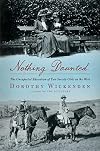
Nothing Daunted: The Unexpected Education of Two Society Girls in the West (2011) 805 copies, 42 reviews
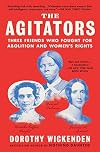
The Agitators: Three Friends Who Fought for Abolition and Women's Rights (2021) 225 copies, 3 reviews
Tagged
Common Knowledge
- Birthdate
- 20th Century
- Gender
- female
- Education
- Hobart and William Smith Colleges (BA)
- Nationality
- USA
- Associated Place (for map)
- USA
Members
Reviews
I’ve come to be a little wary of books based on historic records and letters. Too often the historic record is so patchy or incomplete, the author ends up having to extrapolate large chunks of missing content, resulting in a product that feels neither satisfyingly authentic nor narratively gratifying.
In this case, though, we readers are in luck. This true tale of two feisty female Smith College graduates who decide to spend a single year as schoolteachers in a Wild West mining town is show more narrow enough that the author, Wickenden, doesn’t need to stretch too little material across too much space. Her intrepid young ladies are reliable and detailed correspondents, providing plenty of in-depth source material. The preserved letters contain no significant gaps or omissions. And author Wickenden is a terrific researcher and writer, willing and able to provide the sort of detailed historical context that elevates this from a simple memoir to a detailed snapshot of a fascinating era in U.S. history.
The result: a tale that doesn’t just relate the adventures of our intrepid schoolteachers, but also contains fascinating content about the Progressive Era, Woodrow Wilson, the challenges of transcontinental railroad building, 1920s theater, dance, and culture, labor unrest, ranching, New York social mores, the taming of the American West, and events leading up to the US’s involvement in WW1. A tale peopled with a range of fascinating characters, from canny businessmen (like David Moffat, who dared to carve a railroad through the Continental Divide) to idealistic town fathers (like Ferry Carpenter, the lawyer-rancher-idealist whose idea it was to build a school and hire East Coast college graduates to run it), gutsy frontier families (like the family with which the girls boarded, lured to Colorado by the Homestead Act of 1862 and its offer of free land to those willing to work it), hardscrabble cowboys, enterprising immigrants, and forward-thinking educators.
Loved the vivid account of daily life in the tiny mountain town of Elkhart CO: the details of frontier houses and lifestyles, the pattern of their lives, the dances and social gatherings that enlivened their hardship. No less, the detailed account of the life the girls lived as society girls in the upper caste of Auburn society: their experiences at Smith College, their grand tour through Europe, their encounters with notable Progressive Era reformers and suffragettes.
Mostly, however, I loved Wickenden’s competent, relatable storytelling – the way she’s packaged all of the above into a narrative that’s evocative, educational, and never less than entertaining. So glad this tale didn’t fall into the hands of a less adept author. show less
In this case, though, we readers are in luck. This true tale of two feisty female Smith College graduates who decide to spend a single year as schoolteachers in a Wild West mining town is show more narrow enough that the author, Wickenden, doesn’t need to stretch too little material across too much space. Her intrepid young ladies are reliable and detailed correspondents, providing plenty of in-depth source material. The preserved letters contain no significant gaps or omissions. And author Wickenden is a terrific researcher and writer, willing and able to provide the sort of detailed historical context that elevates this from a simple memoir to a detailed snapshot of a fascinating era in U.S. history.
The result: a tale that doesn’t just relate the adventures of our intrepid schoolteachers, but also contains fascinating content about the Progressive Era, Woodrow Wilson, the challenges of transcontinental railroad building, 1920s theater, dance, and culture, labor unrest, ranching, New York social mores, the taming of the American West, and events leading up to the US’s involvement in WW1. A tale peopled with a range of fascinating characters, from canny businessmen (like David Moffat, who dared to carve a railroad through the Continental Divide) to idealistic town fathers (like Ferry Carpenter, the lawyer-rancher-idealist whose idea it was to build a school and hire East Coast college graduates to run it), gutsy frontier families (like the family with which the girls boarded, lured to Colorado by the Homestead Act of 1862 and its offer of free land to those willing to work it), hardscrabble cowboys, enterprising immigrants, and forward-thinking educators.
Loved the vivid account of daily life in the tiny mountain town of Elkhart CO: the details of frontier houses and lifestyles, the pattern of their lives, the dances and social gatherings that enlivened their hardship. No less, the detailed account of the life the girls lived as society girls in the upper caste of Auburn society: their experiences at Smith College, their grand tour through Europe, their encounters with notable Progressive Era reformers and suffragettes.
Mostly, however, I loved Wickenden’s competent, relatable storytelling – the way she’s packaged all of the above into a narrative that’s evocative, educational, and never less than entertaining. So glad this tale didn’t fall into the hands of a less adept author. show less
Wickendon's account of Dorothy Woodruff's and Rosamond Underwood's transition from bored society girls in the East to pants-wearing pioneering teachers in rural northwestern Colorado is exhilarating and often hilarious. Pulled primarily from letters exchanged between the women and their families, the text offers a fascinating glimpse into the lives of both upper-class families in New York and the rough and challenging existence of struggling frontier families in the West. Dorothy and show more Rosamond are refreshingly game for whatever challenges comes their way as they begin and end their adventure on the western frontier. show less
I spied this on the shelves at Deadtime Stories and immediately knew this would be perfect for my buddy-read project with my dad and he agreed -- especially after our project on reading the Civil War left us hungry for more women's stories, and more Tubman in particular.
I really did enjoy this book, but at the same time, given the title and the cover, I expected a lot more about Harriet Tubman, and a lot more on the friendships between these women. At times it felt like a biography of two show more white women who happened to know Harriet Tubman. Why was there not more of Tubman? Is there more scare information? Or did Wickenden expect us to already be familiar? And for long stretches on each woman's life I would almost forget that they knew each other and be surprised when one of them showed up in another's story.
Also, there are way too many people with the same names or similar names and it got confusing. I would have appreciated the occasional reminder of which person we were talking about.
All that aside though, I found this to be a truly impressive work. I especially appreciated the depiction of the very intentional ways that those in power sundered the women's suffrage moment from the abolition movement after the war -- creating an environment for those suffragettes whose abolition work was more rooted in pity than empathy/solidarity to lean into their white supremacist tendencies.
This also drove home just how much of history/life is relationship -- the people you are surrounded with, those you influence and those who influence you.
An excellent and accessible piece of the American story. show less
I really did enjoy this book, but at the same time, given the title and the cover, I expected a lot more about Harriet Tubman, and a lot more on the friendships between these women. At times it felt like a biography of two show more white women who happened to know Harriet Tubman. Why was there not more of Tubman? Is there more scare information? Or did Wickenden expect us to already be familiar? And for long stretches on each woman's life I would almost forget that they knew each other and be surprised when one of them showed up in another's story.
Also, there are way too many people with the same names or similar names and it got confusing. I would have appreciated the occasional reminder of which person we were talking about.
All that aside though, I found this to be a truly impressive work. I especially appreciated the depiction of the very intentional ways that those in power sundered the women's suffrage moment from the abolition movement after the war -- creating an environment for those suffragettes whose abolition work was more rooted in pity than empathy/solidarity to lean into their white supremacist tendencies.
This also drove home just how much of history/life is relationship -- the people you are surrounded with, those you influence and those who influence you.
An excellent and accessible piece of the American story. show less
I stand by my statement that this is a charming book. The two young women went from one world to another, and not only coped but flourished. It was fascinating reading about the histories of the people and places involved. Dorothy and Rosamond are vivid correspondents, and I got a real sense of the culture shock they experienced going from a prosperous upper New York state life to a bare-necessities Colorado homesteading one. It was nifty to me that this all happened in the twentieth show more century, so I'd be reading about them taking sponge baths in the freezing cold every morning, and then about them getting a ride somewhere in someone's car, or calling someone on the phone. It was a mixture of historical and modern that I found appealing. show less
Lists
Awards


You May Also Like


Statistics
- Works
- 4
- Members
- 1,078
- Popularity
- #23,855
- Rating
- 3.6
- Reviews
- 46
- ISBNs
- 19
- Languages
- 2