
Nina Auerbach (1943–2017)
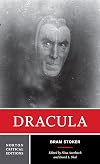
Author of Dracula [Norton Critical Edition]
About the Author
Nina Auerbach is John Welsh Centennial Professor of History and Literature at the University of Pennsylvania
Image credit: Uncredited image from University of Pennsylvania website
Works by Nina Auerbach
Forbidden Journeys: Fairy Tales and Fantasies by Victorian Women Writers (1992) — Editor — 141 copies
Associated Works
Pride and Prejudice [Norton Critical Edition, 3rd ed.] (2001) — Contributor — 1,032 copies, 13 reviews
Alice in Wonderland [Norton Critical Edition, 2nd ed.] (1992) — Contributor — 652 copies, 10 reviews
Tagged
Common Knowledge
- Birthdate
- 1943-05-24
- Date of death
- 2017-02-03
- Gender
- female
- Education
- University of Wisconsin–Madison (BA|1964)
Columbia University (MA|1967|PhD|1970) - Occupations
- professor
author - Organizations
- University of Pennsylvania
Hunter College
California State University, Los Angeles
University of Washington (visiting professor) - Awards and honors
- IAFA Distinguished Scholarship (2000)
Guggenheim Fellowship
Ford Foundation Fellowship
Lindback Award for Distinguished Teaching (1983) - Relationships
- Auerbach, Arnold (father)
Ehrlich, Arnold (great grandfather) - Nationality
- USA
- Birthplace
- New York, New York, USA
- Places of residence
- Philadelphia, Pennsylvania, USA
New York, New York, USA - Place of death
- New York, New York, USA
- Associated Place (for map)
- New York, USA
Members
Reviews
I just finished Frankenstein before this, which I loved, and I can't help but comparing the two (which I'm sure has been done 1000000 times before). Both are classic gothic horror lit, both are epistolary in nature, both are crazy influential, etc.
Where Frankenstein had basically none of the "monster tropes" that exist in popular culture (green monster, mad scientist in a castle, mob with pitchforks, "It's alive" scene, etc) I find Dracula to be the opposite. Literally every single vampire show more trope is in this book: mirrors, garlic, crucifixes, preying on young attractive women, running water, bats, can't enter unless invited, sleep in coffins, etc.
Frankenstein was incredible, with its masterful narration, beautiful, feminine prose, examination of psychological degradation and anguish, and the insightful philosophy. Dracula feels a bit pulpier? More adventure, plot at the forefront, a bit more of a mystery to work out? More suspense, more "horror". Definitely more what I was looking for with gothic horror, despite absolutely falling in love with Frankenstein (I think it's a masterpiece).
So I guess my takeaways are that Frankenstein is a masterpiece in literature, but Dracula strikes me as a better horror book, albeit maybe a more shallow experience. Still a fantastic book though. It starts off amazingly, and slows down in the middle a bit, however while there's less action in the middle, it gets to be more of a mystery for the reader to piece together. show less
Where Frankenstein had basically none of the "monster tropes" that exist in popular culture (green monster, mad scientist in a castle, mob with pitchforks, "It's alive" scene, etc) I find Dracula to be the opposite. Literally every single vampire show more trope is in this book: mirrors, garlic, crucifixes, preying on young attractive women, running water, bats, can't enter unless invited, sleep in coffins, etc.
Frankenstein was incredible, with its masterful narration, beautiful, feminine prose, examination of psychological degradation and anguish, and the insightful philosophy. Dracula feels a bit pulpier? More adventure, plot at the forefront, a bit more of a mystery to work out? More suspense, more "horror". Definitely more what I was looking for with gothic horror, despite absolutely falling in love with Frankenstein (I think it's a masterpiece).
So I guess my takeaways are that Frankenstein is a masterpiece in literature, but Dracula strikes me as a better horror book, albeit maybe a more shallow experience. Still a fantastic book though. It starts off amazingly, and slows down in the middle a bit, however while there's less action in the middle, it gets to be more of a mystery for the reader to piece together. show less
Introducing one of English literature’s most infamous characters, Bram Stoker’s Dracula is a feast of a novel that delights both those with a taste for horror, and those without. While modern readers will recognize much of the Count that they have come to know through popular culture, the original novel holds much more than suave aristocrats and women in negligees.
The epistolary form of the novel – which comes into vogue in the 18th-century – allows Stoker to create a sense of show more suspense and complexity as he navigates several different narratives that prove essential to the successful relation of his vampire story. Although modern films have simplified the narrative to fit their own format, Dracula would not be the novel it is without the myriad of voices that Stoker utilizes to establish his story, and would certainly lose much of its power and seduction if left to a singular narrator.
When reading Dracula for analysis (as oppose to personal pleasure) it is important to remember that Stoker's work is actually a fairly late addition to the evolving body of English vampire literature. Authors such as Keats, Coleridge, Byron, Polidori, and Le Fanu all raise their voices to contribute to the emerging rendition of an ancient figure, and have their influence in Stoker's creation of his iconic Count. What Stoker does is not create the vampire myth - nor the English vampire story - but rather uses it to very 19th-century English ends.
In the wide scope of Gothic monsters, the vampire is one of the more recent members. While witches haunt medieval manuscripts and werewolves stalk Renaissance dramas, the vampire does not appear in English literature until relatively late.* Stoker himself is responsible for many characteristics that have now become standard for the modern vampire figure, and contemporary authors and artists owe much to Stoker’s conception. What I find most interesting, however, is how Stoker himself manipulates the standards of his time to give life to the character that has so permeated public consciousness. Dracula moves beyond the traditions of horror and Gothic and becomes a piece of social commentary and exploration that contains radical examinations of gender, sexuality, and reproduction. Under the guise of Gothic, Stoker is allowed the freedom to challenge traditional roles established by Victorian society, and pushes against traditional institutions under the cloak of "horror".
Dracula has earned its place in the English canon, and remains an important and influential work of literature that is sure to delight readers for centuries to come.
*According to Montague Summers, demonic creatures that possess certain characteristics attributed to vampires by modern audiences can in fact be found in manuscripts as early as the 14th century, but these distinctions and identifications are all made several centuries after their original composition. show less
The epistolary form of the novel – which comes into vogue in the 18th-century – allows Stoker to create a sense of show more suspense and complexity as he navigates several different narratives that prove essential to the successful relation of his vampire story. Although modern films have simplified the narrative to fit their own format, Dracula would not be the novel it is without the myriad of voices that Stoker utilizes to establish his story, and would certainly lose much of its power and seduction if left to a singular narrator.
When reading Dracula for analysis (as oppose to personal pleasure) it is important to remember that Stoker's work is actually a fairly late addition to the evolving body of English vampire literature. Authors such as Keats, Coleridge, Byron, Polidori, and Le Fanu all raise their voices to contribute to the emerging rendition of an ancient figure, and have their influence in Stoker's creation of his iconic Count. What Stoker does is not create the vampire myth - nor the English vampire story - but rather uses it to very 19th-century English ends.
In the wide scope of Gothic monsters, the vampire is one of the more recent members. While witches haunt medieval manuscripts and werewolves stalk Renaissance dramas, the vampire does not appear in English literature until relatively late.* Stoker himself is responsible for many characteristics that have now become standard for the modern vampire figure, and contemporary authors and artists owe much to Stoker’s conception. What I find most interesting, however, is how Stoker himself manipulates the standards of his time to give life to the character that has so permeated public consciousness. Dracula moves beyond the traditions of horror and Gothic and becomes a piece of social commentary and exploration that contains radical examinations of gender, sexuality, and reproduction. Under the guise of Gothic, Stoker is allowed the freedom to challenge traditional roles established by Victorian society, and pushes against traditional institutions under the cloak of "horror".
Dracula has earned its place in the English canon, and remains an important and influential work of literature that is sure to delight readers for centuries to come.
*According to Montague Summers, demonic creatures that possess certain characteristics attributed to vampires by modern audiences can in fact be found in manuscripts as early as the 14th century, but these distinctions and identifications are all made several centuries after their original composition. show less
Dracula: Authoritative Text Contexts Reviews and Reactions Dramatic and Film Variations Criticism by Bram Stoker
I can’t write this review without mentioning how strange it is to read Dracula in 2021. We have so much foreknowledge of it simply through cultural osmosis that we come to the table so far ahead of the clueless characters. It can be frustrating but mostly I just found it comical—every time a character utters the name “Dracula” it’s like you can hear the ominous minor chord on an organ being struck, and when in the beginning Jonathan Harker says stuff like, “Why, this Country show more Dracula is a rather polite fellow, despite his little oddities!” it almost registers as parody.
As to the book itself, looking at it as much as I can separate it from the spectre it has cast onto pop culture, it’s really rather underwhelming. I suppose that’s inevitable with a book like this, but I feel like even if I knew nothing about vampires or Dracula before reading this, I’d still be disappointed—the book is 10% doing stuff and 90% talking about doing stuff. Most of what happens is painstaking preparation for encounters that last less than a page. Characters have to share information, have discussions on how to proceed, gather supplies, type up their notebooks for ease of reading, find the best geographical route to their destination—all things that are usually omitted in books and movies, and for good reason: they’re very tedious and boring.
We are also told how terrible Count Dracula is much more often than we are shown it; he gets very little airtime for a book that bears his name. The characters’ favourite pastime, apart from warning each other of his craven cruelty, seems to be complimenting each other—everyone in this book with the exception of the villain is so bloody good, so courageous, kind, noble, generous, blah blah blah you get it they’re all perfect. Which makes them very uninteresting. And you can only read so much of them all patting each other on the back before you start rooting for Dracula to swoop in and make Swiss cheese of somebody’s neck, just to shake things up a bit!
Speaking of, it’s a shame how often Stoker pulls back from describing the macabre and grotesque, because he’s really good at it. Lucy’s “true death” scene stands out as a memorable moment, as does the description of the Count’s stormy entrance into England—both are dark, richly detailed passages which evoke the oppressive unease of gothic horror as well as the straightforward frights of modern horror. I think they’re also a big reason I disliked the book overall, as they serve as this grating reminder that Stoker is capable of greatness, he just often chooses to skirt around it.
Read Carmilla instead. show less
As to the book itself, looking at it as much as I can separate it from the spectre it has cast onto pop culture, it’s really rather underwhelming. I suppose that’s inevitable with a book like this, but I feel like even if I knew nothing about vampires or Dracula before reading this, I’d still be disappointed—the book is 10% doing stuff and 90% talking about doing stuff. Most of what happens is painstaking preparation for encounters that last less than a page. Characters have to share information, have discussions on how to proceed, gather supplies, type up their notebooks for ease of reading, find the best geographical route to their destination—all things that are usually omitted in books and movies, and for good reason: they’re very tedious and boring.
We are also told how terrible Count Dracula is much more often than we are shown it; he gets very little airtime for a book that bears his name. The characters’ favourite pastime, apart from warning each other of his craven cruelty, seems to be complimenting each other—everyone in this book with the exception of the villain is so bloody good, so courageous, kind, noble, generous, blah blah blah you get it they’re all perfect. Which makes them very uninteresting. And you can only read so much of them all patting each other on the back before you start rooting for Dracula to swoop in and make Swiss cheese of somebody’s neck, just to shake things up a bit!
Speaking of, it’s a shame how often Stoker pulls back from describing the macabre and grotesque, because he’s really good at it. Lucy’s “true death” scene stands out as a memorable moment, as does the description of the Count’s stormy entrance into England—both are dark, richly detailed passages which evoke the oppressive unease of gothic horror as well as the straightforward frights of modern horror. I think they’re also a big reason I disliked the book overall, as they serve as this grating reminder that Stoker is capable of greatness, he just often chooses to skirt around it.
Read Carmilla instead. show less
Edit: I just read this for the second time, and it was even better than I’d remembered! This book has such a sense of fun!
I liked this book very much. In terms of its impact as a horror novel, it does not disappoint. The villain Dracula is as creepy as I'd hoped he'd be, and the initial chapters, which take the form of Jonathan Harker's journal as Dracula holds him captive, offer a gripping and highly suspenseful opening to the story. In terms of its impact as a late-Victorian text, it show more was certainly a fascinating read, for lack of a better word. I could never quite make up my mind what Stoker was trying to do, exactly. He portrayed sexist characters, but not without a certain degree of amusement, and I was never sure whether he was supporting it or subverting it. He portrayed -- or even almost parodied -- romance, suitors, British pride, and fear of the foreign. The main protagonists consist of a very competent, logical, hard-working woman (whom the male characters all seem to revere, not only for her wonderful womanliness, but also for her ability to prove herself equal to the men), and a whole team of men, whose camaraderie, compliments, and affirmations of friendship hover somewhere between campy and absurd. A lot of books could be described as campy, but what's singular about Dracula is that it's meant to be. It was a delight to read, and it lives completely up to the hype. show less
I liked this book very much. In terms of its impact as a horror novel, it does not disappoint. The villain Dracula is as creepy as I'd hoped he'd be, and the initial chapters, which take the form of Jonathan Harker's journal as Dracula holds him captive, offer a gripping and highly suspenseful opening to the story. In terms of its impact as a late-Victorian text, it show more was certainly a fascinating read, for lack of a better word. I could never quite make up my mind what Stoker was trying to do, exactly. He portrayed sexist characters, but not without a certain degree of amusement, and I was never sure whether he was supporting it or subverting it. He portrayed -- or even almost parodied -- romance, suitors, British pride, and fear of the foreign. The main protagonists consist of a very competent, logical, hard-working woman (whom the male characters all seem to revere, not only for her wonderful womanliness, but also for her ability to prove herself equal to the men), and a whole team of men, whose camaraderie, compliments, and affirmations of friendship hover somewhere between campy and absurd. A lot of books could be described as campy, but what's singular about Dracula is that it's meant to be. It was a delight to read, and it lives completely up to the hype. show less
Lists
Awards

You May Also Like


Associated Authors
Statistics
- Works
- 10
- Also by
- 6
- Members
- 6,201
- Popularity
- #3,958
- Rating
- 4.0
- Reviews
- 177
- ISBNs
- 29
- Languages
- 1