
About the Author
Works by Robert Ricard
The Spiritual Conquest of Mexico: An Essay on the Apostolate and the Evangelizing Methods of the Mendicant Orders in New Spain, 1523-1572 (1967) 57 copies, 1 review
Histoire de l'Eglise depuis les origines jusqu'à nos jours: (1449-1517) (1977) — Author — 6 copies, 1 review
Contribution à l'étude du commerce génois au Maroc durant la période portugaise (1415-1550) 2 copies
Les Sources Inédites de L'Histoire du Maroc (Archives et Bibliothèques d'Espagne) (Tome II) 2 copies
Tres notas Galdosianas 1 copy
Tagged
Common Knowledge
There is no Common Knowledge data for this author yet. You can help.
Members
Reviews
The Spiritual Conquest of Mexico: An Essay on the Apostolate and the Evangelizing Methods of the Mendicant Orders in New Spain, 1523-1572 by Robert Ricard

If you want to watch nerds fight, ask specialists in Mexican anthropology to tell you how many natives were living in central Mexico in 1519 at the moment of Spanish contact. I’ve seen estimates ranging from 4.5 million to the widely-quoted figure of 25.2 million.
Either way, it’s astonishing when you consider the scope of the task Spain set itself in Christianizing its conquests. By the lowest estimates, the friars meant to baptize the equivalent of the British Isles. By the highest, show more they aimed at the mass conversion of the populations of Spain and France combined.
French historian Robert Ricard’s book on the first generation of Spain’s evangelical efforts is a classic. Times have changed since the 1930s, and Ricard’s generally positive appraisal wouldn’t fly today. Current interpretations take, shall we say, a more nuanced view of this 16-century intersection of blood, gold, and faith.
That’s not to say his view is all rainbows and unicorns. He makes no secret of the fact that the friars often functioned as shock troops of the imperial order. The Church Militant is reflected in the architecture of colonial churches, which were sited in defensible positions and built to serve as fortified redoubts should the heathens backslide.
Still, Ricard’s more charitable interpretation is valuable in that it allows us to see the friars as they saw themselves. They believed in the flames of Hell and the grace of God, the power of the Virgin and the works of the Devil. It would be a mistake to write them off as nothing more than exploiters in tonsures.
This is illustrated not merely by efforts to introduce literacy and establish hospitals, to build roads and sponsor morality plays, to administer the sacraments and defend their charges against depredation. Ricard points out that the catechism, translated into Nahuatal to facilitate understanding, was the same catechism used in the Iberian peninsula to instruct Spanish villagers and Muslim converts alike. This demonstrates a conviction that Mexicans were just as worthy to enter the Kingdom of Heaven as any European.
Still, Ricard highlights two fatal misfires of the founding generation. First, low confidence in native capacity aligned with the greed of Spanish settlers to prevent the emergence of a native clergy or native entry into the monastic orders. Second, the friars first resettled natives in villages the better to oversee them, then prohibited intermixing with colonists whom they considered largely immoral and rapacious, and finally grew accustomed to unlimited domination over their flocks.
This left natives isolated from the life of the colony, subject to arbitrary rule, and ill-prepared for political independence. Along with the failure to evangelize thoroughly beyond the core territories, these flaws left the Church in Mexico struggling for centuries as a colonial fixture rather than an indigenous enterprise, part of the machinery of extraction and vulnerable to a syncretistic blending of its traditions with pre-conquest rituals.
I found this a useful and enjoyable exploration of its topic. Ricard is more enthusiastic for the program of mass conversion than I am, but for that reason provides a healthy tonic to my 21st-century Protestant cynicism. I’ll still defend the separation of church and state, but I can better appreciate what the Catholics thought they were doing — however far their efforts fell short of their hopes. show less
Either way, it’s astonishing when you consider the scope of the task Spain set itself in Christianizing its conquests. By the lowest estimates, the friars meant to baptize the equivalent of the British Isles. By the highest, show more they aimed at the mass conversion of the populations of Spain and France combined.
French historian Robert Ricard’s book on the first generation of Spain’s evangelical efforts is a classic. Times have changed since the 1930s, and Ricard’s generally positive appraisal wouldn’t fly today. Current interpretations take, shall we say, a more nuanced view of this 16-century intersection of blood, gold, and faith.
That’s not to say his view is all rainbows and unicorns. He makes no secret of the fact that the friars often functioned as shock troops of the imperial order. The Church Militant is reflected in the architecture of colonial churches, which were sited in defensible positions and built to serve as fortified redoubts should the heathens backslide.
Still, Ricard’s more charitable interpretation is valuable in that it allows us to see the friars as they saw themselves. They believed in the flames of Hell and the grace of God, the power of the Virgin and the works of the Devil. It would be a mistake to write them off as nothing more than exploiters in tonsures.
This is illustrated not merely by efforts to introduce literacy and establish hospitals, to build roads and sponsor morality plays, to administer the sacraments and defend their charges against depredation. Ricard points out that the catechism, translated into Nahuatal to facilitate understanding, was the same catechism used in the Iberian peninsula to instruct Spanish villagers and Muslim converts alike. This demonstrates a conviction that Mexicans were just as worthy to enter the Kingdom of Heaven as any European.
Still, Ricard highlights two fatal misfires of the founding generation. First, low confidence in native capacity aligned with the greed of Spanish settlers to prevent the emergence of a native clergy or native entry into the monastic orders. Second, the friars first resettled natives in villages the better to oversee them, then prohibited intermixing with colonists whom they considered largely immoral and rapacious, and finally grew accustomed to unlimited domination over their flocks.
This left natives isolated from the life of the colony, subject to arbitrary rule, and ill-prepared for political independence. Along with the failure to evangelize thoroughly beyond the core territories, these flaws left the Church in Mexico struggling for centuries as a colonial fixture rather than an indigenous enterprise, part of the machinery of extraction and vulnerable to a syncretistic blending of its traditions with pre-conquest rituals.
I found this a useful and enjoyable exploration of its topic. Ricard is more enthusiastic for the program of mass conversion than I am, but for that reason provides a healthy tonic to my 21st-century Protestant cynicism. I’ll still defend the separation of church and state, but I can better appreciate what the Catholics thought they were doing — however far their efforts fell short of their hopes. show less
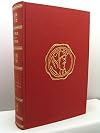
Histoire de l'église depuis les origines jusqu'a nos jours 15
Feb 13, 2024Italian
Awards

You May Also Like
Associated Authors
Statistics
- Works
- 29
- Members
- 94
- Popularity
- #199,201
- Rating
- 4.0
- Reviews
- 2
- ISBNs
- 8
- Languages
- 1