

Michael Ashley (1) (1948–)
Author of British Kings & Queens: The Complete Biographical Encyclopedia of the Kings & Queens of Great Britain
For other authors named Michael Ashley, see the disambiguation page.
Michael Ashley (1) has been aliased into Mike Ashley.
About the Author
Image credit: This is the only picture I have been able to find of Mr Ashley.
Series
Works by Michael Ashley
Works have been aliased into Mike Ashley.
British Kings & Queens: The Complete Biographical Encyclopedia of the Kings & Queens of Great Britain (1998) 361 copies, 5 reviews
The Pendragon Chronicles: Heroic Fantasy From the Time of King Arthur (1989) — Editor — 326 copies, 2 reviews
The Camelot Chronicles: Heroic Adventures from the Age of Legend (1992) — Editor — 137 copies, 1 review
Associated Works
Works have been aliased into Mike Ashley.
Tagged
Common Knowledge
- Legal name
- Ashley, Michael Raymond Donald
- Birthdate
- 1948-10-01
- Gender
- male
- Nationality
- UK
- Birthplace
- Southhall, Middlesex, England
- Places of residence
- Chatham, Kent, England, UK
- Map Location
- United Kingdom
Members
Reviews

An excellent collection of Arthurian stories from many different periods, showing the development of the mythos and the way writing styles have changed over time. I was fascinated by the totally different story construction of the oldest tales - a modern novelist would have imposed a very different structure on them. There's less 'cause and effect' in the older tales. Things just happen and they don't have to be interlinked.

Oh, this is one of my favorite collections (though the cover was different, I have a lovely hardback of it). It has funny stories, serious ones, and what was most memorable was a short story about Arthur and Guinevere acting like adults and being cute, mostly. Rarely do I find fiction about the two of them that portrays them both in a positive light at the same time. I also remember a story about Mordred that was really really creepy and wonderful too.
It's YA aimed, so if you have a kid that show more you think would get into Arthurian Legend, get them this. Seriously. Does wonders. show less
It's YA aimed, so if you have a kid that show more you think would get into Arthurian Legend, get them this. Seriously. Does wonders. show less
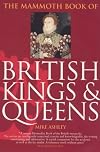
This is the quintessential coffee table book for the amateur history buff. This doesn't just deal with the standard William the Conqueror to Elizabeth II. It goes far, far beyond that, back into the Dark Ages and the crumbling of the Roman Empire. Ashley also treats us to an in-depth look into the ancient monarchies of Scotland, Ireland and Wales. This book is exactly what it says on the cover - a book on ALL British kings and queens, of mammoth proportions. But that doesn't mean it scrimps show more on the details. As much as possible has been crammed into its pages, despite the sheer volume of research and information that must've been involved.
This is not an academic work, and serious scholars will doubtless feel it leaves a lot to be desired. But Ashley has managed to strike the right sort of balance between being informative and approachable at the same time. I defy any reader to open up a page and not to find something of interest on it; or to learn something new about one of Britain's oldest institutions.
As others have said, this is a brilliant book to just leaf through, or to go to for general reference. As I said, it's the perfect coffee table book. If you want your friends to think you're interesting and intellectual at the same time, leave this out at a house party. It'll probably end up doing the rounds. show less
This is not an academic work, and serious scholars will doubtless feel it leaves a lot to be desired. But Ashley has managed to strike the right sort of balance between being informative and approachable at the same time. I defy any reader to open up a page and not to find something of interest on it; or to learn something new about one of Britain's oldest institutions.
As others have said, this is a brilliant book to just leaf through, or to go to for general reference. As I said, it's the perfect coffee table book. If you want your friends to think you're interesting and intellectual at the same time, leave this out at a house party. It'll probably end up doing the rounds. show less

El compilador y erudito Richard Ashley continúa su recorrido por la historia de las revistas de ciencia ficción, fuente de tantos maestros del género. ‘Los mejores relatos de ciencia ficción: La era de los clásicos (1946-1955)’ nos muestra esta época pletórica en cuanto a revistas se refiere. La introducción, que se lleva un tercio de libro, está narrada de manera amena y ágil, y no se hace pesada en ningún momento.
Estos son los diez relatos incluidos en la show more antología:
Monumento conmemorativo, de Theodore Sturgeon (1946) (**). Historia sobre el pánico al conflicto atómico, que tanto terror desató en aquellos años. No me ha gustado mucho. Sturgeon tiene mejores cuentos.
Los fuegos internos, de Arthur C. Clarke (1947) (***). Historia sobre el descubrimiento de unos túneles que llevan al interior de la Tierra. Buen relato.
No mire ahora, de Henry Kuttner (1948) (****). Dos hombres están en la barra de un bar, cuando uno de ellos intenta convencer al otro de la existencia de marcianos entre nosotros, pero que solo se pueden ver de cierta manera. Gran relato.
Calidoscopio, de Ray Bradbury (1949) (*****). Una nave es alcanzada por unos meteoritos, siendo sus tripulantes expulsados al espacio. Fascinante relato el de Bradbury, lleno de poderosas imágenes.
El hombre: cómo servirlo, de Damon Knight (1950) (***). Los kanamit llegan a la Tierra trayendo grandes avances y regalos. Buen relato, con toque humorístico.
¡Cuidado, terrestre!, de Poul Anderson (1951) (**). Un extraterrestre nos cuenta su vida en la Tierra. Encuentro sus virtudes, aunque es un cuento que no me ha enganchado.
Vuelan muy alto, de Ross Rocklynne (1952). (***) Dornley, del Servicio Espacial, lleva custodiado al doctor Skutch, un peligroso e inteligente terrorista. Buen relato.
El último día, de Richard Matheson (1953) (***). La Tierra está a punto de ser destruida por el Sol. El mundo entra en su último día. Entre el caos y la destrucción, dos hombres buscan la redención. Buen relato.
¡No tocar!, de Robert Sheckley (1954) (****). Una nave con tres humanos llega a un planeta en busca de algo aprovechable, pero al llegar se encuentra con una nave extraterrestre, de la que quieren apoderarse. Muy buen relato. Hay humor, pero también cierta profundidad en cuanto a la incapacidad de comprender al otro.
La apuesta, de E.C. Tubb (1955) (*****). El capitán Tom Mason llega a la escena de un crimen donde a la víctima le falta la cabeza. Y no cuento nada más de este magnífico relato largo, sencillo pero eficaz. show less
Estos son los diez relatos incluidos en la show more antología:
Monumento conmemorativo, de Theodore Sturgeon (1946) (**). Historia sobre el pánico al conflicto atómico, que tanto terror desató en aquellos años. No me ha gustado mucho. Sturgeon tiene mejores cuentos.
Los fuegos internos, de Arthur C. Clarke (1947) (***). Historia sobre el descubrimiento de unos túneles que llevan al interior de la Tierra. Buen relato.
No mire ahora, de Henry Kuttner (1948) (****). Dos hombres están en la barra de un bar, cuando uno de ellos intenta convencer al otro de la existencia de marcianos entre nosotros, pero que solo se pueden ver de cierta manera. Gran relato.
Calidoscopio, de Ray Bradbury (1949) (*****). Una nave es alcanzada por unos meteoritos, siendo sus tripulantes expulsados al espacio. Fascinante relato el de Bradbury, lleno de poderosas imágenes.
El hombre: cómo servirlo, de Damon Knight (1950) (***). Los kanamit llegan a la Tierra trayendo grandes avances y regalos. Buen relato, con toque humorístico.
¡Cuidado, terrestre!, de Poul Anderson (1951) (**). Un extraterrestre nos cuenta su vida en la Tierra. Encuentro sus virtudes, aunque es un cuento que no me ha enganchado.
Vuelan muy alto, de Ross Rocklynne (1952). (***) Dornley, del Servicio Espacial, lleva custodiado al doctor Skutch, un peligroso e inteligente terrorista. Buen relato.
El último día, de Richard Matheson (1953) (***). La Tierra está a punto de ser destruida por el Sol. El mundo entra en su último día. Entre el caos y la destrucción, dos hombres buscan la redención. Buen relato.
¡No tocar!, de Robert Sheckley (1954) (****). Una nave con tres humanos llega a un planeta en busca de algo aprovechable, pero al llegar se encuentra con una nave extraterrestre, de la que quieren apoderarse. Muy buen relato. Hay humor, pero también cierta profundidad en cuanto a la incapacidad de comprender al otro.
La apuesta, de E.C. Tubb (1955) (*****). El capitán Tom Mason llega a la escena de un crimen donde a la víctima le falta la cabeza. Y no cuento nada más de este magnífico relato largo, sencillo pero eficaz. show less
Lists
You May Also Like
Associated Authors
Statistics
- Works
- 23
- Also by
- 5
- Members
- 1,473
- Popularity
- #17,439
- Rating
- 4.1
- Reviews
- 16
- ISBNs
- 72
- Languages
- 4