
David Barclay Moore
Author of The Stars Beneath Our Feet
About the Author
Image credit: via Amazon.com
Works by David Barclay Moore
Tagged
Common Knowledge
- Gender
- male
Members
Reviews
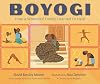
hen a father returns from overseas military duty changed, his son misses who he used to be—until both find healing through yoga.
Before coming back from “far away,” Daddy slept deeply, liked to talk, and was fun to be around. Now that he’s home, Daddy has nightmares, is angry, and spends a lot of time alone. When the child narrator—referred to as Butta Bean—asks his mama what’s wrong with Daddy, she explains that bad things that happened overseas had “harmed his mind” and show more that the family is trying to figure out how to make him better. One day, Mama brings Daddy and Butta Bean to the YMCA for a yoga class. Daddy likes it and continues going, and the child accompanies him. With time spent consistently in yoga and in therapy, Daddy begins to feel better and is able to have fun with his family again. Moore and Denmon shine a powerful spotlight on a difficult topic, treading carefully and offering understanding and hope for families of veterans and other traumatized adults. Depicting self-care, wellness, and healthy, supportive relationships in the context of a loving Black family facing a serious challenge, this story makes a transformative contribution to the world of picture books. Denmon’s muted palette, with contrasting yellow and blue tones, effectively denotes happy and gloomy emotions and times, strengthening readers’ comprehension of the characters’ evolution. (This book was reviewed digitally.)
Necessary and memorable. (Picture book. 3-8)
-Kirkus Review show less
Before coming back from “far away,” Daddy slept deeply, liked to talk, and was fun to be around. Now that he’s home, Daddy has nightmares, is angry, and spends a lot of time alone. When the child narrator—referred to as Butta Bean—asks his mama what’s wrong with Daddy, she explains that bad things that happened overseas had “harmed his mind” and show more that the family is trying to figure out how to make him better. One day, Mama brings Daddy and Butta Bean to the YMCA for a yoga class. Daddy likes it and continues going, and the child accompanies him. With time spent consistently in yoga and in therapy, Daddy begins to feel better and is able to have fun with his family again. Moore and Denmon shine a powerful spotlight on a difficult topic, treading carefully and offering understanding and hope for families of veterans and other traumatized adults. Depicting self-care, wellness, and healthy, supportive relationships in the context of a loving Black family facing a serious challenge, this story makes a transformative contribution to the world of picture books. Denmon’s muted palette, with contrasting yellow and blue tones, effectively denotes happy and gloomy emotions and times, strengthening readers’ comprehension of the characters’ evolution. (This book was reviewed digitally.)
Necessary and memorable. (Picture book. 3-8)
-Kirkus Review show less
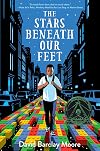
12-year-old Wallace (“Lolly”) Rachpaul lives in St. Nicholas Houses, a public housing project in Central Harlem, New York City. He lives alone with his mother; she and Lolly’s dad split up after his mother decided she preferred women. His mother has been in a happy relationship with her girlfriend Yvonne for a long time. But Lolly and his mother both still hurt from the loss of Lolly's brother Jermaine; Jermaine got caught up in gangs and drugs and was shot and killed the previous show more Halloween. Lolly has still not dealt with the pain and guilt over Jermaine’s death.
Lolly loves legos, so in an effort to help Lolly cope, Yvonne starts bringing him great big bags full of legos she said that Tuttle’s, the toy store where she worked, was throwing out. She brings more and more, and Lolly starts to build a castle. It gets too big for their apartment, so he begins it again in a storeroom at the community center where he spends after-school.
Every day Lolly adds on to his castle he names “The House of Moneekrom.” He dreams up a whole fantasy world around it, eventually even developing it into a game his after-school mates can play. The storeroom is a refuge for Lolly - not only from his pent-up feelings, but from the predatory world outside on the streets, where he and his friend Vega must constantly dodging rival gangs, bullies, and attempts to recruit them to “crews.” They sympathize with a local wild coyote they see on the streets: “Our coyote was part of a species in danger. Hunted down and shot up. We knew how it felt.”
After a time the social worker, Mr. Ali, lets another classmate, Rose, into the storeroom to use the legos also, much to Lolly’s dismay. Rose is on the autism spectrum, and is suffering from a loss in her own family. At first Lolly is loathe to share with her, but he slowly becomes impressed with Rose and her skills. They come to an understanding and eventually even to a collaboration and friendship.
When a new fitness program decides to move into the center and use the storeroom, Rose and Lolly are told they have to tear down their cities. They are upset, but when Lolly displays parts of his construction at a community fair, pictures of it go viral on social media along with ecstatic commentary. Lolly gets lots of compliments on his art, which helps him feel better about himself. But then the police come to Lolly's apartment, and once again they are facing a catastrophic threat to their family.
Lolly finally opens up about what has kept him feeling so awful about Jermaine, and what he has learned from all that happened since Jermaine's death, especially the long-lasting import of decisions you make. He decides he is not Lolly anymore; he is Wallace.
Evaluation: This is an affecting coming-of-age story about how a young boy and his family learn to cope with the pain of losing a family member to gang violence. The outcome isn't always certain as Lolly struggles with outlets for his anger. Lolly isn’t perfect, but it’s hard not to love him anyway. Rose makes the perfect foil. There are a number of issues to ponder about the moral choices of the characters, which would make this a good option for book clubs. show less
Lolly loves legos, so in an effort to help Lolly cope, Yvonne starts bringing him great big bags full of legos she said that Tuttle’s, the toy store where she worked, was throwing out. She brings more and more, and Lolly starts to build a castle. It gets too big for their apartment, so he begins it again in a storeroom at the community center where he spends after-school.
Every day Lolly adds on to his castle he names “The House of Moneekrom.” He dreams up a whole fantasy world around it, eventually even developing it into a game his after-school mates can play. The storeroom is a refuge for Lolly - not only from his pent-up feelings, but from the predatory world outside on the streets, where he and his friend Vega must constantly dodging rival gangs, bullies, and attempts to recruit them to “crews.” They sympathize with a local wild coyote they see on the streets: “Our coyote was part of a species in danger. Hunted down and shot up. We knew how it felt.”
After a time the social worker, Mr. Ali, lets another classmate, Rose, into the storeroom to use the legos also, much to Lolly’s dismay. Rose is on the autism spectrum, and is suffering from a loss in her own family. At first Lolly is loathe to share with her, but he slowly becomes impressed with Rose and her skills. They come to an understanding and eventually even to a collaboration and friendship.
When a new fitness program decides to move into the center and use the storeroom, Rose and Lolly are told they have to tear down their cities. They are upset, but when Lolly displays parts of his construction at a community fair, pictures of it go viral on social media along with ecstatic commentary. Lolly gets lots of compliments on his art, which helps him feel better about himself. But then the police come to Lolly's apartment, and once again they are facing a catastrophic threat to their family.
Lolly finally opens up about what has kept him feeling so awful about Jermaine, and what he has learned from all that happened since Jermaine's death, especially the long-lasting import of decisions you make. He decides he is not Lolly anymore; he is Wallace.
Evaluation: This is an affecting coming-of-age story about how a young boy and his family learn to cope with the pain of losing a family member to gang violence. The outcome isn't always certain as Lolly struggles with outlets for his anger. Lolly isn’t perfect, but it’s hard not to love him anyway. Rose makes the perfect foil. There are a number of issues to ponder about the moral choices of the characters, which would make this a good option for book clubs. show less
Lolly (Wallace) is a 12-year-old African-American boy living in the projects with his gay mother. His older brother died in a drug-related shooting and Lolly is having a hard time accepting it. His one passion is his Lego sets. He meticulously builds each set and has them all displayed around his room. When his mom's girlfriend gives him a huge bag of Legos for Christmas, he decides to take apart his sets and build one big structure. Through his weekly meetings with the school therapist, he show more meets Rose, who also enjoys Legos. Together they begin exploring the city and making Lego replicas of interesting buildings. Eventually he gets thousands of likes on his Lego website and the owner of a toy store asks him to make a Lego display for the store.
In my opinion Legos are the coolest toy ever invented, so I'm glad to see a book about a boy who uses them as a way to excel in art and develop a love of architecture. Without this passion, Lolly may have turned to gangs and drug dealing like his brother. I also like the friendship that develops between Lolly and Rose over their shared interest.
The author obviously wanted to make this book as real as possible. He wanted to capture the essence of life for urban African-American kids. He writes Lolly's voice using typical urban vernacular. I didn't like the usage of the "n" word, even though it's apparently an okay term for African-Americans to call each other. I wouldn't recommend it for upper elementary, but middle school is acceptable. This book is on par with those written by [a: Walter Dean Myers|13291|Walter Dean Myers|https://images.gr-assets.com/authors/1230178601p2/13291.jpg]. Kids in urban schools will probably enjoy it, and may even decide to give Legos a try if they haven't had an interest before. I wish the author had left out the gay mother, because I don't think it was necessary. Sometimes when authors add too many details, it dilutes the main story. show less
In my opinion Legos are the coolest toy ever invented, so I'm glad to see a book about a boy who uses them as a way to excel in art and develop a love of architecture. Without this passion, Lolly may have turned to gangs and drug dealing like his brother. I also like the friendship that develops between Lolly and Rose over their shared interest.
The author obviously wanted to make this book as real as possible. He wanted to capture the essence of life for urban African-American kids. He writes Lolly's voice using typical urban vernacular. I didn't like the usage of the "n" word, even though it's apparently an okay term for African-Americans to call each other. I wouldn't recommend it for upper elementary, but middle school is acceptable. This book is on par with those written by [a: Walter Dean Myers|13291|Walter Dean Myers|https://images.gr-assets.com/authors/1230178601p2/13291.jpg]. Kids in urban schools will probably enjoy it, and may even decide to give Legos a try if they haven't had an interest before. I wish the author had left out the gay mother, because I don't think it was necessary. Sometimes when authors add too many details, it dilutes the main story. show less
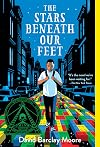
It’s Christmas Eve in Harlem, but twelve-year-old Lolly Rachpaul and his mom aren’t celebrating. They’re still reeling from his older brother’s death in a gang-related shooting just a few months earlier. Then Lolly’s mother’s girlfriend brings him a gift that will change everything: two enormous bags filled with Legos. Lolly’s always loved Legos, and he prides himself on following the kit instructions exactly. Now, faced with a pile of building blocks and no instructions, Lolly show more must find his own way forward.
His path isn’t clear—and the pressure to join a “crew,” as his brother did, is always there. When Lolly and his friend are beaten up and robbed, joining a crew almost seems like the safe choice. But building a fantastical Lego city at the community center provides Lolly with an escape—and an unexpected bridge back to the world. show less
His path isn’t clear—and the pressure to join a “crew,” as his brother did, is always there. When Lolly and his friend are beaten up and robbed, joining a crew almost seems like the safe choice. But building a fantastical Lego city at the community center provides Lolly with an escape—and an unexpected bridge back to the world. show less
Lists
Awards


You May Also Like


Statistics
- Works
- 6
- Members
- 992
- Popularity
- #25,966
- Rating
- 4.1
- Reviews
- 32
- ISBNs
- 37
- Languages
- 1