
Jenna Wolfhart
Author of Of Mist and Shadow (The Mist King)
Series
Works by Jenna Wolfhart
Tagged
Common Knowledge
- Birthdate
- 20th century
- Gender
- female
- Nationality
- USA
- Places of residence
- England, UK
Members
Reviews
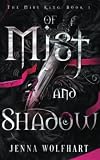
This Romantasy book starts off similar to a YA novel: “I’d been born to fulfill a promise to the fae king. It was an ancient promise, bound in powerful magic. I was sworn to serve his every need, smile and laugh at his jokes, be silent when commanded, and offer myself up as his next mortal bride.
Instead of all that, I leapt into a chasm where monsters lived.”
Wow, who can resist that?
The novel then starts in media res, first person present tense, as the FMC, Tessa, mines gemstones from show more the side of said chasm with her best friend Val for “a rebel leader.” Mixed in with this labor is a very confusing backstory about her, and her village’s, present circumstances: humans live under the thumb of the fae of The Kingdom of Light (is that the same place tokusatsu hero Ultraman lives?) who, since they saved the humans from the armies of the Kingdom of Mist, treat as combination serfs and brood mares, since the war rendered the fae women sterile. The Kingdom of Light is sealed off from the rest of the world with magic, the chasm, and a wall of mist where monsters are said to dwell. Though the humans are granted long lifespans and healing powers they live in a gilded cage of sorts, subject to rages and propaganda from the Light King about the wickedness of the opposing empire. The name of this Kim Jung-On-like nasty? OBERON! Ta-da!
Which might have amusing if the story had any parallels to A Midsummer Night’s Dream, but it didn’t. How uncreative can a writer be to crib a fae name that’s so obvious and done to death?
Unfortunately King Oberon bumps into the FMC as she is leaving the chasm, takes her gems, and glints and preens wickedly at her showing off just what a baddy he is, and though it’s fun, it goes on and on until I felt like saying, “Ohhh-kay, Captain Obvious, we get it, you’re bad. Let’s get on with things, all right?”
He comes back into the story later when it’s revealed he will be taking a fresh human wife (remember the fae women are sterile) to give him more heirs, and that wife will be… Tessa! Because he’s a baddie and wants to toy with her some more. The book goes on and on, again broadly and unsubtly, that marriage to the fae king is a fate worth worse than death, that though living in luxury she will be brainwashed with magic, unable to speak unless spoken to, and saddled with impossible restrictions, eventually being discarded to “The Tower of Crones” when the king tires of her.
The story might have been saved at this point for me if it continued with Tessa’s marriage and how she resists and eventually rebels; harem stories are a secret favorite of mine. Surely all the setup for this leeringly evil and decadent court was for them to be eventually defeated and punished from within? But instead she’s busted out by the rebel leader she’s been helping, for unclear reasons, and spirited away to join him in the mists. And… he turns out to be the evil King of the Mist! Except he’s not, he’s a nice, normal guy who’s been unfairly maligned by the real villain. But Tessa doesn’t think so and so a game of “enemies to lovers” begins.
Which is rather stupid and tiresome, as the reader can clearly see Mist King isn’t a bad guy, because his first-person chapters alternate with Tessa’s. Which makes Tessa come across as dim for holding on to her prejudices, as there’s absolutely nothing to back them up. A bad choice by the writer; it would have been better to stick to Tessa’s POV and make the love interest more ambiguous.
I stopped reading at that point as it seemed they would be doing nothing but running around in the mists from then on which, let’s face it, is boring no matter how many monsters there are.
This writer, again, feels like she’s pulling inspiration from A Court of Thorns and Roses as well as the Grisha YA series by Leigh Bardugo which has a kingdom separated from the world by a misty wall. This isn’t bad in itself, but since nothing else about the characters, prose, or setting was outstanding or original, the sources that were cribbed tend to stick out.
As with An Heir Comes to Rise, which I reviewed here, there were anachronistic boners, such as this speech Tessa gives to her royal husband-to-be: “The only thing I see when I look at your castle is gaudy wealth. You’re showing off. Probably to overcome an inferiority complex or something pathetic like that.” Then there’s “a muscled fae with a buzz cut appeared.” (Do they have electric shavers in this Medieval world?) There were more, but I didn’t bother to bookmark them. I do give the writer props, though, for (mostly) avoiding the Maasian “male.”
In the end, the book felt cookie-cutter and like the writer was merely checking story elements off on a list. There wasn’t any real passion or novelty in it. I checked the writer’s webpage, and so far she’s written around 94 (!) self-published books, mostly in series, starting with urban fantasy romance years ago, then magic school fantasy, and so forth through all the popular money-making genres, until Fae Court Romantasy began a few years ago. I salute her business model and sheer moxie, but, still, the product isn’t great. I can’t call it bad, because it’s acceptable to a certain audience and the fact it’s still around means that it sells. But it’s dull. show less
Instead of all that, I leapt into a chasm where monsters lived.”
Wow, who can resist that?
The novel then starts in media res, first person present tense, as the FMC, Tessa, mines gemstones from show more the side of said chasm with her best friend Val for “a rebel leader.” Mixed in with this labor is a very confusing backstory about her, and her village’s, present circumstances: humans live under the thumb of the fae of The Kingdom of Light (is that the same place tokusatsu hero Ultraman lives?) who, since they saved the humans from the armies of the Kingdom of Mist, treat as combination serfs and brood mares, since the war rendered the fae women sterile. The Kingdom of Light is sealed off from the rest of the world with magic, the chasm, and a wall of mist where monsters are said to dwell. Though the humans are granted long lifespans and healing powers they live in a gilded cage of sorts, subject to rages and propaganda from the Light King about the wickedness of the opposing empire. The name of this Kim Jung-On-like nasty? OBERON! Ta-da!
Which might have amusing if the story had any parallels to A Midsummer Night’s Dream, but it didn’t. How uncreative can a writer be to crib a fae name that’s so obvious and done to death?
Unfortunately King Oberon bumps into the FMC as she is leaving the chasm, takes her gems, and glints and preens wickedly at her showing off just what a baddy he is, and though it’s fun, it goes on and on until I felt like saying, “Ohhh-kay, Captain Obvious, we get it, you’re bad. Let’s get on with things, all right?”
He comes back into the story later when it’s revealed he will be taking a fresh human wife (remember the fae women are sterile) to give him more heirs, and that wife will be… Tessa! Because he’s a baddie and wants to toy with her some more. The book goes on and on, again broadly and unsubtly, that marriage to the fae king is a fate worth worse than death, that though living in luxury she will be brainwashed with magic, unable to speak unless spoken to, and saddled with impossible restrictions, eventually being discarded to “The Tower of Crones” when the king tires of her.
The story might have been saved at this point for me if it continued with Tessa’s marriage and how she resists and eventually rebels; harem stories are a secret favorite of mine. Surely all the setup for this leeringly evil and decadent court was for them to be eventually defeated and punished from within? But instead she’s busted out by the rebel leader she’s been helping, for unclear reasons, and spirited away to join him in the mists. And… he turns out to be the evil King of the Mist! Except he’s not, he’s a nice, normal guy who’s been unfairly maligned by the real villain. But Tessa doesn’t think so and so a game of “enemies to lovers” begins.
Which is rather stupid and tiresome, as the reader can clearly see Mist King isn’t a bad guy, because his first-person chapters alternate with Tessa’s. Which makes Tessa come across as dim for holding on to her prejudices, as there’s absolutely nothing to back them up. A bad choice by the writer; it would have been better to stick to Tessa’s POV and make the love interest more ambiguous.
I stopped reading at that point as it seemed they would be doing nothing but running around in the mists from then on which, let’s face it, is boring no matter how many monsters there are.
This writer, again, feels like she’s pulling inspiration from A Court of Thorns and Roses as well as the Grisha YA series by Leigh Bardugo which has a kingdom separated from the world by a misty wall. This isn’t bad in itself, but since nothing else about the characters, prose, or setting was outstanding or original, the sources that were cribbed tend to stick out.
As with An Heir Comes to Rise, which I reviewed here, there were anachronistic boners, such as this speech Tessa gives to her royal husband-to-be: “The only thing I see when I look at your castle is gaudy wealth. You’re showing off. Probably to overcome an inferiority complex or something pathetic like that.” Then there’s “a muscled fae with a buzz cut appeared.” (Do they have electric shavers in this Medieval world?) There were more, but I didn’t bother to bookmark them. I do give the writer props, though, for (mostly) avoiding the Maasian “male.”
In the end, the book felt cookie-cutter and like the writer was merely checking story elements off on a list. There wasn’t any real passion or novelty in it. I checked the writer’s webpage, and so far she’s written around 94 (!) self-published books, mostly in series, starting with urban fantasy romance years ago, then magic school fantasy, and so forth through all the popular money-making genres, until Fae Court Romantasy began a few years ago. I salute her business model and sheer moxie, but, still, the product isn’t great. I can’t call it bad, because it’s acceptable to a certain audience and the fact it’s still around means that it sells. But it’s dull. show less
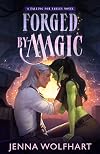
Forged by Magic by Jenna Wolfhart is book one of the Falling by Fables series, which will be standalone novels set in the same world. FMC Daella is a half-orc woman that is trapped in a tower by the King. This time, the King promises Daella her freedom if the mission is completed. A brutal storm forces her onto an island and with no money & no way to leave, she is forced to accept blacksmith Rivelin’s offer of shelter in exchange for her assistance. But, there are multiple mysteries on the show more island, some that scare Daella.
The Lovely: I was impressed by the plot and tension of this book. Fitting everything (world building, characters, plot) into a single book is hard to do, and hard to do well. In this case, it was written well and the tension kept me reading. So much so I finished the book in one evening.
The Mundane: The world building is focused on the dragons and dragon/orc lore as compared to magic. This isn’t a bad thing, because I really like the dragon storyline/concept in this book, but I found it unexpected given the title of the book. I’m thinking the dragon part is considered to be magic?
The Dreadful: While I felt Daella as a character was fleshed out and develops during the book, Rivelin comes across as not as developed. Basically, he is grumpy and a loner because of his past. He does develop some during the book but is quick to suspect Daella when something bad happens.
Rating: 4/5 stars
Recommendation: After reading a five book dark romantic series that was gut-wrenching I needed something a bit gentler. I wouldn’t quite label this “cozy fantasy” (like Legends and Lattes) because there is mystery and tension. But it’s more like a small town cozy mystery than epic/high fantasy. This was a great read and if you’re in the mood for something more cheerful fantasy, you’ll love this. Tropes included enemies to lovers, banter, tending to injuries and includes explicit spice. show less
The Lovely: I was impressed by the plot and tension of this book. Fitting everything (world building, characters, plot) into a single book is hard to do, and hard to do well. In this case, it was written well and the tension kept me reading. So much so I finished the book in one evening.
The Mundane: The world building is focused on the dragons and dragon/orc lore as compared to magic. This isn’t a bad thing, because I really like the dragon storyline/concept in this book, but I found it unexpected given the title of the book. I’m thinking the dragon part is considered to be magic?
The Dreadful: While I felt Daella as a character was fleshed out and develops during the book, Rivelin comes across as not as developed. Basically, he is grumpy and a loner because of his past. He does develop some during the book but is quick to suspect Daella when something bad happens.
Rating: 4/5 stars
Recommendation: After reading a five book dark romantic series that was gut-wrenching I needed something a bit gentler. I wouldn’t quite label this “cozy fantasy” (like Legends and Lattes) because there is mystery and tension. But it’s more like a small town cozy mystery than epic/high fantasy. This was a great read and if you’re in the mood for something more cheerful fantasy, you’ll love this. Tropes included enemies to lovers, banter, tending to injuries and includes explicit spice. show less

My audio book selection has been exploring the many options of the urban fantasy domain and many I'm finding are ... not to taste. This one had a unique opening, I must say. She's a real witch, but conning normals because they don't know any better. Then gets arrested for a magical murder she didn't commit. It drew me in. The character reminds me a touch of Merit from Chicagoland Vampires. Things didn't improve from there.
Things I'm finding I dislike about UF books: if you have one show more supernatural creature, you HAVE to have all of them. But the author doesn't always flesh out all the different supers powers so they can shift from book to book or even chapter to chapter. Mrph. So far this series has shown magic and vampires and demons. I'm just waiting for shifters and fae to show up.
Perfect way to throw a reader out of the story. Author didn't pay attention to her description of the hallway or the character's thoughts. She's describing a battle the character claimed she couldn't see. There's no mention of a balcony or if this goes straight into the room. The whole thing just doesn't work for the opening description.
The Main Character feels so skittish, so unsure of life. Okay, yes, her world just got upended because they drew her into coven politics. However, that doesn't mean she should sound so wishy washy.Her grandmother gave her a fricking grimoire for the Shadow clan. She had all the knowledge she needs in that book. Why won't she use it?
Oh the phraseology is making me laugh. "Threw my feet up the stairs." "Relief whooshed through me." The first does not give the image the writer thinks. The second could be better written, for a better illustration, as it's more tell than show. Tack onto the bad phraseology the glitch in trying to write romance that isn't working. The writer is TRYING to build tension, both emotional and "physical" between the main characters, but her writing style and characterization of the two main characters instead make it awkward and horribly forced. It just isn't working.
So the story builds and builds and builds ... Then the reader falls off a cliff for a swift resolution and just END. Very disappointed in how it ended.
I'll consider the next in the series, after I've tried several other options first. show less
Things I'm finding I dislike about UF books: if you have one show more supernatural creature, you HAVE to have all of them. But the author doesn't always flesh out all the different supers powers so they can shift from book to book or even chapter to chapter. Mrph. So far this series has shown magic and vampires and demons. I'm just waiting for shifters and fae to show up.
Perfect way to throw a reader out of the story. Author didn't pay attention to her description of the hallway or the character's thoughts. She's describing a battle the character claimed she couldn't see. There's no mention of a balcony or if this goes straight into the room. The whole thing just doesn't work for the opening description.
The Main Character feels so skittish, so unsure of life. Okay, yes, her world just got upended because they drew her into coven politics. However, that doesn't mean she should sound so wishy washy.
Oh the phraseology is making me laugh. "Threw my feet up the stairs." "Relief whooshed through me." The first does not give the image the writer thinks. The second could be better written, for a better illustration, as it's more tell than show. Tack onto the bad phraseology the glitch in trying to write romance that isn't working. The writer is TRYING to build tension, both emotional and "physical" between the main characters, but her writing style and characterization of the two main characters instead make it awkward and horribly forced. It just isn't working.
So the story builds and builds and builds ... Then the reader falls off a cliff for a swift resolution and just END. Very disappointed in how it ended.
I'll consider the next in the series, after I've tried several other options first. show less
I really enjoyed this book. Instantly, I was transported into this story and world that author, Jenna Wolfhart created. It was as if I was Daella. Which is not a bad thing as Daella is a strong female. It is nice to see a strong female in a male dominated world. I could feel the chemistry building between Daella and Rivelin. Yet, it was a slow burn type of romance. Luckily, there is some humor spread throughout this book to keep the pacing moving along.
There is something about Rivelin that show more I really liked. While he was cautious of Daella, he is kind. I thought that he and Daella worked well together. Overall, this was a quick read for me. I look forward to reading the next book. show less
There is something about Rivelin that show more I really liked. While he was cautious of Daella, he is kind. I thought that he and Daella worked well together. Overall, this was a quick read for me. I look forward to reading the next book. show less
You May Also Like


Associated Authors
Statistics
- Works
- 50
- Members
- 843
- Popularity
- #30,326
- Rating
- 3.4
- Reviews
- 19
- ISBNs
- 64