
Joy McCullough
Author of Blood Water Paint
About the Author
Works by Joy McCullough
Associated Works
That Way Madness Lies: 15 of Shakespeare's Most Notable Works Reimagined (2021) — Contributor — 154 copies, 5 reviews
Tagged
Common Knowledge
- Gender
- female
- Education
- Northwestern University (theater)
- Nationality
- USA
- Places of residence
- Seattle, Washington, USA
- Map Location
- USA
Members
Reviews
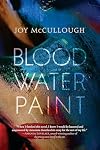
Tells in a mix of free verse and prose the story of Artemesia Gentileschi, a teenage girl living in Rome in the 1600s and learning to paint from her father, who exploits her talents for his own benefit. Artemsia lives in a world which was made for and revolves around men, and where nearly every situation holds some sort of danger for women. She learns the horribly real truth of this when another painter comes into her father's studio and invades her life. She learns how a woman must show more negotiate such a life through remembered stories her mother told her before she died, of brave women who stood up for themselves and others.
This one is powerfully told and beautifully written, and treats a difficult subject boldly, balancing harsh truths with a wonderful talent for storytelling. McCullough does a great job of interweaving the mother's stories perfectly with Artemisia's own tale, so that each informs and lifts up the other. Highly recommended. show less
This one is powerfully told and beautifully written, and treats a difficult subject boldly, balancing harsh truths with a wonderful talent for storytelling. McCullough does a great job of interweaving the mother's stories perfectly with Artemisia's own tale, so that each informs and lifts up the other. Highly recommended. show less
I very rarely read novels in verse; I'm not a huge poetry fan in general. But I've know about Artemisia for a while, and have really admired her paintings (which is also rare for me!), and was excited to read about her, so I ignored the the fact that it wasn't entirely prose.
But the verse, the writing, is beautiful. Artemisia comes across as fully realized and developed, aware of and adhering to the constraints of her gender while still being fiercely independent and knowing how lucky she show more was.
The stories that her mother told her before she died, incredibly feminist and nuanced portraits of Biblical heroines, are very engaging and explanatory (I don't know the Bible at all but able to follow along well enough) without slowing the pace of the story. It makes perfect sense that Artemisia would, when needing female support, turn to the women her mother admired and told stories about. To even be a women in that time period was tough, let alone a women who accused a respected man of anything.
McCullough's writing is never intrusive or confusing, but confident and full of determination. She truly understood the character of Artemisia, and sympathized with her, and made a great novel. I actually went and found out what happened to Artemisia after the events of the novel, which is an incredible achievement for a historical fiction book! show less
But the verse, the writing, is beautiful. Artemisia comes across as fully realized and developed, aware of and adhering to the constraints of her gender while still being fiercely independent and knowing how lucky she show more was.
The stories that her mother told her before she died, incredibly feminist and nuanced portraits of Biblical heroines, are very engaging and explanatory (I don't know the Bible at all but able to follow along well enough) without slowing the pace of the story. It makes perfect sense that Artemisia would, when needing female support, turn to the women her mother admired and told stories about. To even be a women in that time period was tough, let alone a women who accused a respected man of anything.
McCullough's writing is never intrusive or confusing, but confident and full of determination. She truly understood the character of Artemisia, and sympathized with her, and made a great novel. I actually went and found out what happened to Artemisia after the events of the novel, which is an incredible achievement for a historical fiction book! show less
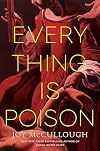
In early seventeenth century Rome, Carmela eagerly awaits her sixteenth birthday, when her mother Giulia Tofana has reluctantly agreed that she can begin to help in the apothecary. But when Carmela begins to learn the secrets of the potions her mother, Maria, and Laura make and dispense, she learns there is more to the world than she realized - and the knowledge puts them all in danger from the local notary. When Carmela gives a vial of Aqua Tofana to a woman who doesn't follow her show more instructions, the notary pounces, Giulia flees to safety, and Carmela is left to run the apothecary with Maria and Laura - and her childhood enemy Violetta - as best she can.
Steeped in period detail, Everything Is Poison makes clear the desperate situations that a power imbalance can cause, and the desperate measures people will take to avoid a fate that seems inescapable.
Quotes
There it is: the line between what they do in here and what happens out there. (18)
"She should know....I didn't like learning the details either...But it actually helps to have all the knowledge. Otherwise my brain fills things in for the worst." (Laura, 87)
Her mother is relying on her. She is La Tofana now.
Except that's laughable. She's La Tofana like an acorn is an oak tree. (184)
The amount Carmela has never considered about the world, about the hair-thin lines people walk every day, knocks her off-balance with each new person she helps. (199)
Why is it always about what everyone else wants, when she is the one who wants the most of all? (207)
"He thinks nothing has changed and life should go on as it always has, even though...there is no normal to go back to." (Nina, 244)
"You did nothing wrong."
"Of course I did!"
"You didn't. You had compassion for someone in a desperate situation and did what was in your power to help her. Sometimes that's all we can do. And sometimes it's not enough." (Giulia to Carmela, 281) show less
Steeped in period detail, Everything Is Poison makes clear the desperate situations that a power imbalance can cause, and the desperate measures people will take to avoid a fate that seems inescapable.
Quotes
There it is: the line between what they do in here and what happens out there. (18)
"She should know....I didn't like learning the details either...But it actually helps to have all the knowledge. Otherwise my brain fills things in for the worst." (Laura, 87)
Her mother is relying on her. She is La Tofana now.
Except that's laughable. She's La Tofana like an acorn is an oak tree. (184)
The amount Carmela has never considered about the world, about the hair-thin lines people walk every day, knocks her off-balance with each new person she helps. (199)
Why is it always about what everyone else wants, when she is the one who wants the most of all? (207)
"He thinks nothing has changed and life should go on as it always has, even though...there is no normal to go back to." (Nina, 244)
"You did nothing wrong."
"Of course I did!"
"You didn't. You had compassion for someone in a desperate situation and did what was in your power to help her. Sometimes that's all we can do. And sometimes it's not enough." (Giulia to Carmela, 281) show less
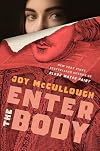
Juliet (Romeo & Juliet), Ophelia (Hamlet), and Cordelia (King Lear) share their stories, while Lavinia (Titus Andronicus) and others listen in "the trap room beneath all the stages, anywhere." Each character tells her story in free verse (or sometimes iambic, particularly Cordelia), and their conversations in the trap room are as in a play script. Each character tells her story as Shakespeare did, and then tells a revised version. Brilliantly imagined, deeply absorbing.
Quotes
Regret is the show more minotaur down here.
And the regret of mothers, it's the most terrifying monster of all. (107)
"What's favor, anyway? It is not love.
It's expectation, pressure on a child
who feels the weight of memories unknown." (Cordelia, 119)
But even knowing this, they're in suspense. For that's the power of the story. Even when they know how it will turn out, there's the spark of hope that this time might be different. (127)
"Excuse me, but I am extremely on the record as not wanting words put into my mouth." (Cordelia to Juliet, 156)
I think love is just hard, for everyone. It's hard if you wear it on your sleeve and it's hard if you bottle it up. (Ophelia to Juliet and Cordelia, 161)
"There's always another choice." (Cordelia, 169)
"Of course we have choices, but you make it sound like if we were just smarter, then the entire patriarchal systems built up around us wouldn't be able to hold us back. Sometimes you make all the right choices and shitty things still happen." (Juliet, 169)
"Dying isn't the problem. Being remembered only for our deaths and the moments they gave to the men onstage with us - that's what I'm over." (Ophelia, 212)
"Another voice will not drown out the first.
Sometimes they harmonize." (Cordelia re: France, 257)
I believe we can love things and also examine where they fall short. (Author's note) show less
Quotes
Regret is the show more minotaur down here.
And the regret of mothers, it's the most terrifying monster of all. (107)
"What's favor, anyway? It is not love.
It's expectation, pressure on a child
who feels the weight of memories unknown." (Cordelia, 119)
But even knowing this, they're in suspense. For that's the power of the story. Even when they know how it will turn out, there's the spark of hope that this time might be different. (127)
"Excuse me, but I am extremely on the record as not wanting words put into my mouth." (Cordelia to Juliet, 156)
I think love is just hard, for everyone. It's hard if you wear it on your sleeve and it's hard if you bottle it up. (Ophelia to Juliet and Cordelia, 161)
"There's always another choice." (Cordelia, 169)
"Of course we have choices, but you make it sound like if we were just smarter, then the entire patriarchal systems built up around us wouldn't be able to hold us back. Sometimes you make all the right choices and shitty things still happen." (Juliet, 169)
"Dying isn't the problem. Being remembered only for our deaths and the moments they gave to the men onstage with us - that's what I'm over." (Ophelia, 212)
"Another voice will not drown out the first.
Sometimes they harmonize." (Cordelia re: France, 257)
I believe we can love things and also examine where they fall short. (Author's note) show less
Lists
Art (1)
Awards


You May Also Like


Associated Authors
Statistics
- Works
- 17
- Also by
- 1
- Members
- 1,220
- Popularity
- #21,043
- Rating
- 3.9
- Reviews
- 68
- ISBNs
- 84