

Tyler Anbinder
Author of Five Points
About the Author
Tyler Anbinder is an Associate Professor of History at George Washington University. His first book, Nativism and Slavery: The Northern Know Nothings and the Politics of the 1850's, was a New York Times Book Review Notable Book and the winner of the Avery Craven Prize of the Organization of show more American Historians. He lives in Arlington, Virginia show less
Image credit: Photograph © Anne McLeer
Works by Tyler Anbinder
Nativism and Slavery : The Northern Know Nothings and the Politics of the 1850s (1992) 69 copies, 1 review
Associated Works
Tagged
Common Knowledge
- Canonical name
- Anbinder, Tyler
- Legal name
- Anbinder, Tyler Gregory
- Birthdate
- 1962-09-26
- Gender
- male
- Organizations
- George Washington University
- Nationality
- USA
- Associated Place (for map)
- USA
Members
Reviews
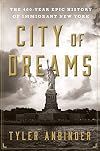
History professor Anbinder, himself a native of New York, traces the waves of immigrants that have built NYC into the behemoth it is today. From Peter Minuit and his deal with the Native Americans to today, the author follows wave after wave of immigrants and how they shaped the city. From the Puritans and fur traders to huge waves of German and Irish immigrants to the Italians, eastern Europeans, Asians, former slaves, South and Central American, and West Indies, all the big movements of show more people are here. It’s a fascinating read; every wave of people came over hoping for more opportunity and a new life. Nearly all faced prejudice of the already ensconced people, horrible living conditions, and endless hard work. They bore this steadfastly, all in the hope that their children would have better lives than they had.
This is not your boring history book. Anbinder frequently uses personal accounts to bring vivid life to the past. While this is a massive book- nearly 600 pages with another 100 of end notes, bibliography, appendices, and index- it was as gripping as a well-written novel. Here’s the Irish fleeing the famine, arriving as stick figures. Here are the people trying to take advantage of new immigrants. There were some parts that were less interesting to me- the section on the Civil War, for instance, because I never find war interesting- even those I read every word of. That is a first for me; I tend to skip the bits about fighting.
Every wave of immigrants seemed to follow the same routine: take the first jobs they could get, always the things natives (and previous immigrants) had risen above. They work 7 days a week (except for the Jews, who mostly didn’t work on the Sabbath). They live in cramped quarters. As soon as they can save the money, they start a business of their own. They also send amazing amounts of money back to their home countries, whether it be to support parents or to bring over other family members. They become citizens as fast as possible most of the time, unless they are hoping to make enough money to have a business in their home country. They almost always dislike the next wave of immigrants, feeling that next wave has a criminal element to it. Humans have remained the same for the 400 year span of NYC; they are filled with prejudice.
Excellent book; should be required reading. It’ll enlighten a lot of folks who want to build a wall. show less
This is not your boring history book. Anbinder frequently uses personal accounts to bring vivid life to the past. While this is a massive book- nearly 600 pages with another 100 of end notes, bibliography, appendices, and index- it was as gripping as a well-written novel. Here’s the Irish fleeing the famine, arriving as stick figures. Here are the people trying to take advantage of new immigrants. There were some parts that were less interesting to me- the section on the Civil War, for instance, because I never find war interesting- even those I read every word of. That is a first for me; I tend to skip the bits about fighting.
Every wave of immigrants seemed to follow the same routine: take the first jobs they could get, always the things natives (and previous immigrants) had risen above. They work 7 days a week (except for the Jews, who mostly didn’t work on the Sabbath). They live in cramped quarters. As soon as they can save the money, they start a business of their own. They also send amazing amounts of money back to their home countries, whether it be to support parents or to bring over other family members. They become citizens as fast as possible most of the time, unless they are hoping to make enough money to have a business in their home country. They almost always dislike the next wave of immigrants, feeling that next wave has a criminal element to it. Humans have remained the same for the 400 year span of NYC; they are filled with prejudice.
Excellent book; should be required reading. It’ll enlighten a lot of folks who want to build a wall. show less

In 2010 I started hearing the modern “Tea Party” compared to the “Know Nothing” party of history and it occurred to me that for someone with a BA in history I knew very little about the Know Nothings. Tyler Anbinder’s Nativism and slavery: the northern Know Nothings and the politics of the 1850's is from my research the most complete history of the rise and fall of the Know Nothings. After reading it I expect that it will remain the final authority on the Know Nothings for some show more time. I was impressed by everything about the book.
The first thing that stood out for me, and something that I think will impress anyone that reads scholarly works, is the quality and clarity of Anbinder’s writing. It occurred to me at one point that Mr. Anbinder could make a living as a novelist if he ever gave up on history. I hope he stays with history. He is first historean I have come across who can explain statistical charts. I think that this is due to both his writing skills and the depth and breath of his research. He goes beyond telling us what the Know Nothings believed, he tells us why they believed it.
Most of what I had heard about the Know Nothings was about their anti-immigrant platform. As this book explains they feared that immigrants voting before they learned American ways would undermine the nation. The immigrants were from monarchies and could not be expected to make the important decisions citizens make when they vote. Catholics especially were suspect. They were still seen as obeying a foreign master, the Pope. The Know Nothings worried that Catholics would not vote their conscious but as a block directed from Rome. Events reinforced the Know Nothing fears about Catholics. Several dioceses were working to either end the practice of using the King James Version of the Bible to teach reading in public schools or create a separate Catholic system of publicly funded schools. An extended visit to the United States by a controversial Papal Emissary caused disturbances in cities with large German populations. The Know Nothings saw these as evidence that the Catholics were anti-education and undisciplined and therefore not to be trusted with the vote.
Two other issues that Know Nothings were identified with, anti-slavery and temperance seem related to their anti-immigrant policies. German lager and Irish whisky were seen as evil influences that degraded the Sabbath. German immigrants, Catholic and Protestant, often took their families to beer gardens for singing, food and drink after church services as well as through the week.
Slavery was said to be degrading to “good Americans”. Slavery and immigration both pushed down wages for everyone, including the native born-white-Protestants that made up the KNs thus giving them a pocketbook interest in opposing both slavery and immigration.
Dissatisfaction with the established parties, Whigs and Democrats, created a vacuum that the KNs and the new Republican Party sought to fill. The Whig party's failure to place any restrictions on slavery and the Democrats failure to focus on anything except expanding slavery seems to be the cause of this dissatisfaction. Honestly it is outside the scope of the book but I was left thinking about it. Between the founding of the secret society in the early 1850s and Lincoln’s election in 1860 the Know Nothings swept across the nation. Their platform was slightly different in the slave states but KNs were elected in great numbers in the middle of the decade then they quickly faded away with members moving to the Republican Party and it’s solid anti-slavery message.
For a legacy the Know Nothings passed some of our first voter registration laws and are possibly responsible for the Republican Party’s continued interest in voter registration.
The Tea Party is also a product of voter dissatisfaction, other than that I did not see much to compare. The Tea Party is anti-immigrant but does anyone really know why? Perhaps they need to have Mr. Anbinder explain their beliefs to the rest of us. It will be interesting to see if the Republicans deal with the Tea Party more successfully than the Whigs did with the Know Nothings. show less
The first thing that stood out for me, and something that I think will impress anyone that reads scholarly works, is the quality and clarity of Anbinder’s writing. It occurred to me at one point that Mr. Anbinder could make a living as a novelist if he ever gave up on history. I hope he stays with history. He is first historean I have come across who can explain statistical charts. I think that this is due to both his writing skills and the depth and breath of his research. He goes beyond telling us what the Know Nothings believed, he tells us why they believed it.
Most of what I had heard about the Know Nothings was about their anti-immigrant platform. As this book explains they feared that immigrants voting before they learned American ways would undermine the nation. The immigrants were from monarchies and could not be expected to make the important decisions citizens make when they vote. Catholics especially were suspect. They were still seen as obeying a foreign master, the Pope. The Know Nothings worried that Catholics would not vote their conscious but as a block directed from Rome. Events reinforced the Know Nothing fears about Catholics. Several dioceses were working to either end the practice of using the King James Version of the Bible to teach reading in public schools or create a separate Catholic system of publicly funded schools. An extended visit to the United States by a controversial Papal Emissary caused disturbances in cities with large German populations. The Know Nothings saw these as evidence that the Catholics were anti-education and undisciplined and therefore not to be trusted with the vote.
Two other issues that Know Nothings were identified with, anti-slavery and temperance seem related to their anti-immigrant policies. German lager and Irish whisky were seen as evil influences that degraded the Sabbath. German immigrants, Catholic and Protestant, often took their families to beer gardens for singing, food and drink after church services as well as through the week.
Slavery was said to be degrading to “good Americans”. Slavery and immigration both pushed down wages for everyone, including the native born-white-Protestants that made up the KNs thus giving them a pocketbook interest in opposing both slavery and immigration.
Dissatisfaction with the established parties, Whigs and Democrats, created a vacuum that the KNs and the new Republican Party sought to fill. The Whig party's failure to place any restrictions on slavery and the Democrats failure to focus on anything except expanding slavery seems to be the cause of this dissatisfaction. Honestly it is outside the scope of the book but I was left thinking about it. Between the founding of the secret society in the early 1850s and Lincoln’s election in 1860 the Know Nothings swept across the nation. Their platform was slightly different in the slave states but KNs were elected in great numbers in the middle of the decade then they quickly faded away with members moving to the Republican Party and it’s solid anti-slavery message.
For a legacy the Know Nothings passed some of our first voter registration laws and are possibly responsible for the Republican Party’s continued interest in voter registration.
The Tea Party is also a product of voter dissatisfaction, other than that I did not see much to compare. The Tea Party is anti-immigrant but does anyone really know why? Perhaps they need to have Mr. Anbinder explain their beliefs to the rest of us. It will be interesting to see if the Republicans deal with the Tea Party more successfully than the Whigs did with the Know Nothings. show less
This book tells the story of how immigration has shaped, and is still shaping, New York City. On the one hand, it provides a highly detailed analysis of immigration over the past two centuries -- who came, where they came from, and how they lived. On the other, it provides an enlightening new view of the history of New York. It's also, with immigration as much of an issue as it is now, an important reminder that immigration has been an issue for centuries, and that the nativist response show more rises and then retreats, as one immigrant group after another becomes "native". The book is engagingly written, and avoids getting drowned in the mass of numbers on which it is based. It is also meticulously researched, but is not at all laborious to read. Indeed, "City of Dreams" is an engrossing story, and an enjoyable read. show less
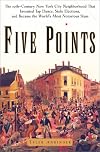
A great history of NYC, of our immigrant past, of nineteenth century life. Comprehensive and well written, I found quite a bit that was new to me even after extensive reading about NYC and immigrant history. This is much better than Low Life by Luc Sante, more relevant and readable.
Lists
True Crime (1)
Awards


You May Also Like


Associated Authors
Statistics
- Works
- 6
- Also by
- 1
- Members
- 954
- Popularity
- #26,999
- Rating
- 4.0
- Reviews
- 14
- ISBNs
- 22