
Fatima Farheen Mirza
Author of A Place for Us
About the Author
Fatima Farheen Mirza was born in 1991 in California. Her parents are of Indian descent; her mother is from Birmingham, her father from Hyderabad. She is a graduate of the Iowa Writers' Workshop, where she was a Teaching-Writing Fellow. A Place for Us is her first novel. (Bowker Author Biography)
Image credit: Fatima Farheen Mirza stellt auf der Leipziger Buchmesse 2019 ihren Roman "Worauf wir hoffen" (dtv) vor By Amrei-Marie - Own work, CC BY-SA 4.0, https://commons.wikimedia.org/w/index.php?curid=77784654
Works by Fatima Farheen Mirza
Associated Works
Tagged
Common Knowledge
- Birthdate
- 1991-04-10
- Gender
- female
- Education
- Iowa Writers' Workshop (MFA)
- Short biography
- Fatima Farheen Mirza was born and raised in California. She is a graduate of the Iowa Writers' Workshop and is a recipient of the Michener-Copernicus Fellowship. A Place for Us (June 12, 2018) is her debut novel and is the first literary work acquired by award-winning actress and producer Sarah Jessica Parker as editorial director of her newly launched imprint, SJP for Hogarth.
- Nationality
- USA
- Associated Place (for map)
- USA
Members
Reviews

Beautiful story describing the dynamics and dysfunction of a Muslim family in the US. Baba, the father and the Muslim community at large are strict guardians and enforcers of their Islamic rules and traditions.
As with most authoritarian religions this means that men decide what is expected of family members, especially the women. Women are to dress modestly, communicate with other men only when necessary, girls must avoid interacting or associating with boys or men. Housework, cooking / show more shopping, and child care are their domain.
Because daughters Hadia and Huda are compliant and "easier" Layla, Mumma (mother) and Baba take them for granted. Their very different energies are directed to their youngest child, the son, Amar who is more of a challenge. No matter, Layla loves him protectively, obessessively attentive to his needs and wants. Baba feels his fatherly responsibility is to guide, even push this curious, questioning, and sensitive son to obedience, and adherence to Islamic tenets.
But... because his daughters obeyed him, because he believes Layla spoils Amar, and because Amar tests his patience, he doesn't show him love, address Amar's questions. He just makes it clear how disappointed and angry he is with Amar. Amar responds in kind, and soon feels he doesn't belong in this family, or community. His behavior deteriorates, he spends more time with disreputable friends, drinks, doesn't attend religious services. The community notices and tells Layla and Rafiq, which humiliates and angers them. A terrible fight between Rafiq and Amar result in Amar's leaving home, taking a dark path.
The drama of Hadia's wedding to which Amar shows up 3 years after leaving home is disconcerting. Amar learns more about his father's life of not being close to his father, and then losing that father much too young, and having to live with his uncle. This helps him think kindly about his father. But a revelation about his mother shocks and enrages Amar. (I don't understand why Amira would at this point in time reveal this to him.) Poor kid!
As the wedding draws to a close his father finally speaks with Amar. It is obvious he is not the same man as before. It feels like they are finally opening their hearts to each other. I had hoped this might be what Amar needed to begin a reconciliation. But Amar is drunk; not fully alert. Baba needs to return to his daughter's wedding. And so this opportunity was too short.
And what occurs in the years to come, and the thoughts Baba describes about himself, the sorrow he feels because of the mistakes he made with his children are simply beautiful. It seems most of us learn unconditional love much later than we should.
Phenomenal read. show less
As with most authoritarian religions this means that men decide what is expected of family members, especially the women. Women are to dress modestly, communicate with other men only when necessary, girls must avoid interacting or associating with boys or men. Housework, cooking / show more shopping, and child care are their domain.
Because daughters Hadia and Huda are compliant and "easier" Layla, Mumma (mother) and Baba take them for granted. Their very different energies are directed to their youngest child, the son, Amar who is more of a challenge. No matter, Layla loves him protectively, obessessively attentive to his needs and wants. Baba feels his fatherly responsibility is to guide, even push this curious, questioning, and sensitive son to obedience, and adherence to Islamic tenets.
But... because his daughters obeyed him, because he believes Layla spoils Amar, and because Amar tests his patience, he doesn't show him love, address Amar's questions. He just makes it clear how disappointed and angry he is with Amar. Amar responds in kind, and soon feels he doesn't belong in this family, or community. His behavior deteriorates, he spends more time with disreputable friends, drinks, doesn't attend religious services. The community notices and tells Layla and Rafiq, which humiliates and angers them. A terrible fight between Rafiq and Amar result in Amar's leaving home, taking a dark path.
The drama of Hadia's wedding to which Amar shows up 3 years after leaving home is disconcerting. Amar learns more about his father's life of not being close to his father, and then losing that father much too young, and having to live with his uncle. This helps him think kindly about his father. But a revelation about his mother shocks and enrages Amar. (I don't understand why Amira would at this point in time reveal this to him.) Poor kid!
As the wedding draws to a close his father finally speaks with Amar. It is obvious he is not the same man as before. It feels like they are finally opening their hearts to each other. I had hoped this might be what Amar needed to begin a reconciliation. But Amar is drunk; not fully alert. Baba needs to return to his daughter's wedding. And so this opportunity was too short.
And what occurs in the years to come, and the thoughts Baba describes about himself, the sorrow he feels because of the mistakes he made with his children are simply beautiful. It seems most of us learn unconditional love much later than we should.
Phenomenal read. show less
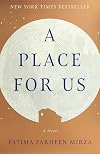
Sometimes having multiple narrators creates mass confusion, but in this heartbreaking yet hope-filled novel of Muslim-Americans from India, it works beautifully (except for the one character whose inner thoughts are unknown, which is problematical, since every other important thinker is heard. So I kept thinking, "What about Huda?" and it was distracting. My only criticism.) The positive and negative effects of living the constricted life of a devout Muslim in America are dramatically show more presented, although the family's stumbling blocks to happiness are not that different from what any family suffers - which I guess is one of the intended themes. People fall in love with the wrong people, fathers can't express joy as easily as disapproval, mothers have their favorites, some people feel everything more deeply and painfully - these are all common tropes in family sagas, but are particularly well-written here. The strategy of shifting time frames, not with alternating chapters as is so frequently overdone these days, brings later events into sharper focus.
Quotes: "I don't believe He created us just to leave some of us behind."
"I have given away the only power I had in this situation at all, the power of appearing unaffected." show less
Quotes: "I don't believe He created us just to leave some of us behind."
"I have given away the only power I had in this situation at all, the power of appearing unaffected." show less
This novel is centered almost exclusively on one family. It is narrated by four of its members at different points throughout the book. The parents, Rafiq and Layla, are devout Shia Muslims living in California and trying to raise their three children in the tenets of a very absorbing faith. The oldest child, their daughter Hadia, is getting married as the book begins, but we never stay in one particular time period for long, with the temporal perspective shifting even inside each chapter. show more
The only son, Amar, is in some ways the focus of all of the family. For one thing, in their culture [note to self: resist urge to add, and in almost every culture], males are valued more than females. Females are first the responsibility of fathers, then of husbands. Hadia feels this difference acutely, musing “…hundreds and hundreds of years had passed [since the time of the Prophet], and it was still the son they cherished, the son their pride depended on, the son who would carry their name into the next generation.” Hadia makes some fateful choices in her life based on her competitive desire to matter more than the son to her father.
Rafiq and Layla’s daughters resist some of the traditional customs of their culture, such as having their spouses selected for them by their parents, but for the most part, their entire lives are based around their faith and the obligations required of them because of it. But Amar did not buy into that faith, and it made him feel like an outsider in his own home, as well as in their insular community.
Amar was especially worried by the story his mother told them when they were little. She warned that every sin is written down by an angel. Moreover, “you get a speck on your heart, a dark, small speck. . . . . each of them like stains.” “A permanent marker stain?” Amar asked. “Yes,” Mumma said, “a permanent stain. And with every sin, the heart grows harder and darker. Until it is so heavy and black it cannot tell good from evil anymore. It cannot even tell that it wants to be good.” This story affected Amar deeply. He goes through his life, unbelieving, sinning, and fearing that he is not only “ruined” for this life, but for the next.
Students of David Hume will recognize the problem that besets Amar. As Hume wrote in Dialogues Concerning Natural Religion in 1779, both fear and hope are part of religious belief, but: "When melancholy, and dejected, [the believer] has nothing to do but brood upon the terrors of the invisible world, and to plunge himself still deeper in affliction."
Layla is not a depicted as a villain in spite of the stories she told her children and in spite of another huge harm she does to Amar later in life. As the author limns her character, Layla is a mother trying to do her best for children she loves. Similarly, Rafiq is rough on the kids at times, but doesn’t know a better way to be. When Rafiq finally narrates in the last part of the book, we learn about his motivations, his fears, and his hopes, and it is a stunning insight into a perspective of which not even his children or his wife were aware.
Evaluation: This is a very impressive novel. The only odd note is that the fourth child, Huda, never narrates, and we never get to know her much at all. Still, the book is full of issues to mull and discuss, from the place of religious beliefs in one’s life and how best to impart them, to gender roles and expectations, to the pitfalls and rewards of parenting. The fact that this family is Muslim rather than Christian or Jewish does not affect the relevance of the universal problems of raising kids, growing up, and growing older. Highly recommended! show less
The only son, Amar, is in some ways the focus of all of the family. For one thing, in their culture [note to self: resist urge to add, and in almost every culture], males are valued more than females. Females are first the responsibility of fathers, then of husbands. Hadia feels this difference acutely, musing “…hundreds and hundreds of years had passed [since the time of the Prophet], and it was still the son they cherished, the son their pride depended on, the son who would carry their name into the next generation.” Hadia makes some fateful choices in her life based on her competitive desire to matter more than the son to her father.
Rafiq and Layla’s daughters resist some of the traditional customs of their culture, such as having their spouses selected for them by their parents, but for the most part, their entire lives are based around their faith and the obligations required of them because of it. But Amar did not buy into that faith, and it made him feel like an outsider in his own home, as well as in their insular community.
Amar was especially worried by the story his mother told them when they were little. She warned that every sin is written down by an angel. Moreover, “you get a speck on your heart, a dark, small speck. . . . . each of them like stains.” “A permanent marker stain?” Amar asked. “Yes,” Mumma said, “a permanent stain. And with every sin, the heart grows harder and darker. Until it is so heavy and black it cannot tell good from evil anymore. It cannot even tell that it wants to be good.” This story affected Amar deeply. He goes through his life, unbelieving, sinning, and fearing that he is not only “ruined” for this life, but for the next.
Students of David Hume will recognize the problem that besets Amar. As Hume wrote in Dialogues Concerning Natural Religion in 1779, both fear and hope are part of religious belief, but: "When melancholy, and dejected, [the believer] has nothing to do but brood upon the terrors of the invisible world, and to plunge himself still deeper in affliction."
Layla is not a depicted as a villain in spite of the stories she told her children and in spite of another huge harm she does to Amar later in life. As the author limns her character, Layla is a mother trying to do her best for children she loves. Similarly, Rafiq is rough on the kids at times, but doesn’t know a better way to be. When Rafiq finally narrates in the last part of the book, we learn about his motivations, his fears, and his hopes, and it is a stunning insight into a perspective of which not even his children or his wife were aware.
Evaluation: This is a very impressive novel. The only odd note is that the fourth child, Huda, never narrates, and we never get to know her much at all. Still, the book is full of issues to mull and discuss, from the place of religious beliefs in one’s life and how best to impart them, to gender roles and expectations, to the pitfalls and rewards of parenting. The fact that this family is Muslim rather than Christian or Jewish does not affect the relevance of the universal problems of raising kids, growing up, and growing older. Highly recommended! show less

On the surface, everything looks good: it's Hadia's wedding day. Her family is all present, even estranged brother Amar, who ran away three years previously. But, looking closer, anyone can see that the situation is tenuous, and any wrong move might cause an emotional explosion. What caused Amar to leave, all those years ago, and what will happen after the wedding?
This novel meanders through the life of the family, slowly building to certain key points. The plot isn't straightforward, so you show more might read a scene from when Amar was a teenager, followed by a scene from when Hadia was a little girl, followed by a scene from what's happening at Hadia's wedding, for instance. It works well to build dramatic tension, since it's not the story of one major scene, but rather the story of the life of a family. The book deals with a lot of deep questions about faith and familial love. It was interesting to me to see a story so deeply grounded in a faith that is not my own, and to see the similarities and differences of how that played out in the family pictured in the book. (I felt a little sorry for middle sister Huda, though, who was the only member of the family who never got to be a point-of-view character!)
I listened to the audiobook, and while that was helpful to me, especially in the matter of pronouncing unfamiliar names and such, I found that the structure of the book itself is not ideal for the audio format. Since scenes are not presented chronologically, and there's often no indicator between them other than a slight pause in the narration, it was often hard to figure out where I was in the story, whether what I was hearing was a continuation of the current scene, or a new scene in a completely different year. So, I don't know if I would necessarily recommend the audiobook, but I do recommend this book to anyone who enjoys a sweeping family drama. show less
This novel meanders through the life of the family, slowly building to certain key points. The plot isn't straightforward, so you show more might read a scene from when Amar was a teenager, followed by a scene from when Hadia was a little girl, followed by a scene from what's happening at Hadia's wedding, for instance. It works well to build dramatic tension, since it's not the story of one major scene, but rather the story of the life of a family. The book deals with a lot of deep questions about faith and familial love. It was interesting to me to see a story so deeply grounded in a faith that is not my own, and to see the similarities and differences of how that played out in the family pictured in the book. (I felt a little sorry for middle sister Huda, though, who was the only member of the family who never got to be a point-of-view character!)
I listened to the audiobook, and while that was helpful to me, especially in the matter of pronouncing unfamiliar names and such, I found that the structure of the book itself is not ideal for the audio format. Since scenes are not presented chronologically, and there's often no indicator between them other than a slight pause in the narration, it was often hard to figure out where I was in the story, whether what I was hearing was a continuation of the current scene, or a new scene in a completely different year. So, I don't know if I would necessarily recommend the audiobook, but I do recommend this book to anyone who enjoys a sweeping family drama. show less
Lists
Awards


You May Also Like


Associated Authors
Statistics
- Works
- 1
- Also by
- 1
- Members
- 1,276
- Popularity
- #20,105
- Rating
- 4.0
- Reviews
- 80
- ISBNs
- 21
- Languages
- 2