

Leo Braudy
Author of Film Theory and Criticism: Introductory Readings
About the Author
Leo Braudy is University Professor and Bing Professor of English at the University of Southern California.
Image credit: http://leobraudy.com/
Works by Leo Braudy
Associated Works
Tagged
Common Knowledge
- Canonical name
- Braudy, Leo
- Birthdate
- 1941-06-11
- Gender
- male
- Occupations
- professor
historian
film critic - Nationality
- USA
- Associated Place (for map)
- USA
Members
Reviews
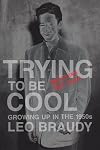
"Braudy is a cultural historian and it shows-he writes intelligently and passionately about being a teenager in the first generation have teenagers. It's easy, nowadays, to see the 1950s as cheesy, conservative, and naïve and in some ways, yeah, Braudy did not disabuse me of this notion but I grew fascinated by his dissection of what makes 'cool'."
read more: http://likeiamfeasting.blogspot.gr/2014/04/trying-to-be-cool-leo-braudy.html
read more: http://likeiamfeasting.blogspot.gr/2014/04/trying-to-be-cool-leo-braudy.html
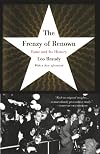
My three-year-old nephew's favorite phrase is "Watch me, watch me!" Here's why. (When some guru said that "Attention is consciousness," somehow I don't think that celebrity is what he had in mind...)

Brought up to date with an expanded range of selections, extended historical coverage, and a dedicated pluralistic commitment, the third edition of this highly popular text on film aesthetics features major additions of contemporary topics in film theory--including psychoanalytic, feminist, and Marxist approaches--and new essays on television, horror films, and experimental movie making. Of the 53 selections, 13 are new. The section "Kinds of Film" has been retitled "Film Genres" and show more concentrates exclusively on the distinctions within a single type of film: classical Hollywood narrative cinema. The final section, now called "Film: Psychology, Society, and Ideology" is substantially revised to take into account film's relationship to its consumers: how films shape or reflect cultural attitudes, reinforce or reject dominant modes of cultural thinking, and stimulate or frustrate people's needs and drives. Throughout the book chapter introductions have been rewritten to reflect today's concerns. Current and comprehensive, the book that The Journal of Aesthetics and Art Criticism called "the best collection available on the disparate comments in the fields of film theory and criticism" is now even better. show less
Awards


You May Also Like


Associated Authors
Statistics
- Works
- 17
- Also by
- 3
- Members
- 1,320
- Popularity
- #19,470
- Rating
- 3.6
- Reviews
- 3
- ISBNs
- 47