
Tracey Enerson Wood
Author of The Engineer's Wife
Works by Tracey Enerson Wood
Homefront Cooking: Recipes, Wit, and Wisdom from American Veterans and Their Loved Ones (2018) 15 copies, 1 review
Tagged
Common Knowledge
- Birthdate
- 20th century
- Gender
- female
- Nationality
- USA
- Birthplace
- New Jersey, USA
- Associated Place (for map)
- New Jersey, USA
Members
Reviews
Rating: 3.5* of five
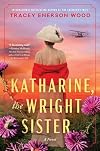
The Publisher Says: She helped her brothers soar… but was the flight worth the fall?
It all started with two boys and a bicycle shop. Wilbur and Orville Wright, both unsuited to college and disinclined to leave home, jumped on the popular new fad of bicycle riding and opened a shop in Dayton, Ohio. Repairing and selling soon led to tinkering and building as the brothers offered improved models to their eager customers. Amid their success, a new dream began to take shape. show more Engineers across the world were puzzling over how to build a powered flying machine—and Wilbur and Orville wanted in on the challenge. But their younger sister, Katharine, knew they couldn't do it without her. The three siblings made a pact: the three of them would solve the problem of human flight.
As her brothers obsessed over blueprints and risked life and limb testing new models on the sand beaches of North Carolina, Katharine became the mastermind behind the scenes of their inventions. She sourced materials, managed communications, and kept Wilbur and Orville focused on their goal—even when it seemed hopeless. And in 1903, the Wright brothers made the first controlled, sustained flight of humankind.
What followed was the kind of fame and fortune the Wrights had never imagined. The siblings traveled the world to demonstrate their invention, trained other pilots, and built new machines that could fly higher and farther. But at the height of their success, tragedy wrenched the Wright family apart… and forced Katharine to make an impossible choice that would haunt her for the rest of her life.
From internationally bestselling author Tracey Enerson Wood, Katharine, the Wright Sister is an unforgettable novel that shines a spotlight on one of the most important and overlooked women in history, and the sacrifices she made so that others might fly.
I RECEIVED A DRC FROM THE PUBLISHER VIA aggregator. THANK YOU.
My Review: Author Wood wrote The President's Wife, review linked, and now takes on another woman His-story (get it?) has chosen to ignore. The structure, using all three Wright siblings' voices, conveys the tragedy of the story so much better than an omniscient narrator could.
Historical fiction about overlooked women is almost always tendentious. This book is no exception. I will say that the facts are given prominence, but the act of betrayal by Orville during the story that costs Katharine her due place in the limelight made me so goddamned mad I had ro put the book down for a week. I won't spoil what it was...if I got furious, you should too.
And you readers who like the modern trend of recentering women in our history definitely should read this one. I won't rate it more highly because I'm not fond of the triumphalist tenor of the Kitty Hawk flight in our discourse. This is a corrective only to a part of that story.
Sourcebooks Landmark wants $8.99 for the Kindle version. show less
The Publisher Says: She helped her brothers soar… but was the flight worth the fall?
It all started with two boys and a bicycle shop. Wilbur and Orville Wright, both unsuited to college and disinclined to leave home, jumped on the popular new fad of bicycle riding and opened a shop in Dayton, Ohio. Repairing and selling soon led to tinkering and building as the brothers offered improved models to their eager customers. Amid their success, a new dream began to take shape. show more Engineers across the world were puzzling over how to build a powered flying machine—and Wilbur and Orville wanted in on the challenge. But their younger sister, Katharine, knew they couldn't do it without her. The three siblings made a pact: the three of them would solve the problem of human flight.
As her brothers obsessed over blueprints and risked life and limb testing new models on the sand beaches of North Carolina, Katharine became the mastermind behind the scenes of their inventions. She sourced materials, managed communications, and kept Wilbur and Orville focused on their goal—even when it seemed hopeless. And in 1903, the Wright brothers made the first controlled, sustained flight of humankind.
What followed was the kind of fame and fortune the Wrights had never imagined. The siblings traveled the world to demonstrate their invention, trained other pilots, and built new machines that could fly higher and farther. But at the height of their success, tragedy wrenched the Wright family apart… and forced Katharine to make an impossible choice that would haunt her for the rest of her life.
From internationally bestselling author Tracey Enerson Wood, Katharine, the Wright Sister is an unforgettable novel that shines a spotlight on one of the most important and overlooked women in history, and the sacrifices she made so that others might fly.
I RECEIVED A DRC FROM THE PUBLISHER VIA aggregator. THANK YOU.
My Review: Author Wood wrote The President's Wife, review linked, and now takes on another woman His-story (get it?) has chosen to ignore. The structure, using all three Wright siblings' voices, conveys the tragedy of the story so much better than an omniscient narrator could.
Historical fiction about overlooked women is almost always tendentious. This book is no exception. I will say that the facts are given prominence, but the act of betrayal by Orville during the story that costs Katharine her due place in the limelight made me so goddamned mad I had ro put the book down for a week. I won't spoil what it was...if I got furious, you should too.
And you readers who like the modern trend of recentering women in our history definitely should read this one. I won't rate it more highly because I'm not fond of the triumphalist tenor of the Kitty Hawk flight in our discourse. This is a corrective only to a part of that story.
Sourcebooks Landmark wants $8.99 for the Kindle version. show less
Rating: 3.75* of five
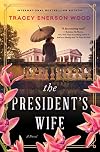
The Publisher Says: The incredible story of the First Lady who clandestinely assumed the presidency
Socialite Edith Bolling has been in no hurry to find a new husband since she was widowed, preferring to fill her days with good friends and travel. But the enchanting courting of President Woodrow Wilson wins Edith over and she becomes the First Lady of the United States. The position is uncomfortable for the fiercely independent Edith, but she's determined to rise to the show more challenges of her new marriage—from the bloodthirsty press to the shadows of the first World War.
Warming to her new role, Edith is soon indispensable to her husband's presidency. She replaces the staff that Woodrow finds distracting, and discusses policy with him daily. Throughout the war, she encrypts top- secret messages and despite lacking formal education becomes an important adviser. When peace talks begin in Europe, she attends at Woodrow's side. But just as the critical fight to ratify the treaty to end the war and create a League of Nations in order to prevent another, Woodrow's always-delicate health takes a dramatic turn for the worse. In her determination to preserve both his progress and his reputation, Edith all but assumes the presidency herself.
Now, Edith must contend with the demands of a tumultuous country, the secrets of Woodrow's true condition, and the potentially devastating consequences of her failure. At once sweeping and intimate, The President's Wife is an astonishing portrait of a courageous First Lady and the sacrifices she made to protect her husband and her country at all costs.
I RECEIVED A DRC FROM THE PUBLISHER VIA NETGALLEY. THANK YOU.
My Review: Charming historical fiction about two people of riper years whose love for each other is tested, re-tested, and ultimately short-lived due to death.
So many things about Woodrow Wilson are awful to me. A racist, an ivory-tower academic without the track record to be the strong-arming law-ramming president thr first World War demanded; but most of all the man who gave away the keys to the economy to the banksters of Jekyll Island's cabal in 1913, thus dooming us to cycles of boom and bust that would only get worse every time the banksters clawed more money from our pockets to feed their greed and gambling addiction.
*ahem*
That not being what this book's about, let me tell you about it, not him.
First of all, it's a novel about two older people whose lives are mostly behind them finding comfort and companionship at the end. That one of them is the president of the US is, in a strange way, tangential to their story. They had a true connection to each other as people, as a man and a woman left alone by the deaths of their spouses. Author Wood gives us the sense that, had they met without this central fact being present, they likely would've had an affair because they were so simpatico. The way their relationship played out, so very publicly, and at such high volume, meant that the end of the affair was inevitably going to be marriage...nothing less would assuage the "moral standards" of the day. Edith Bolling was, thank goodness, a practical person, aware of the world around her and its demands; also to be praised is her full belief in Wilson's political and social progressivism (as far as it went, anyway), so her voice was added to his, not in conflict with it in the battles he was waging.
The Great War, as World War One was called at the time, was only one item on Wilson's plate and isn't the major focus of the book. More weight is given to the all-important enfranchisement of women. This is the one unqualified success of Wilson's presidency. Edith Bolling Wilson was influential on the president's support for this amendment to the Constitution.
Again, more important than the history lesson of the book is the close relationship between these two people. The background of their lives together was always public, and the work they did together was consequential to this very day. But they themselves, as people, are Author Wood's focus. She does not present them as superhuman archetypes. Thy are believable characters, strong people with powerful convictions, who found each other in the last act of the play that is a human's life. Their needs and their interests matched so well that it feels, to this elderly reader, as though they each found the satisfaction of an entire lifetime's search for their best partner.
It's a fine story, about interesting people, and it's told well. Enjoy it soon. show less
The Publisher Says: The incredible story of the First Lady who clandestinely assumed the presidency
Socialite Edith Bolling has been in no hurry to find a new husband since she was widowed, preferring to fill her days with good friends and travel. But the enchanting courting of President Woodrow Wilson wins Edith over and she becomes the First Lady of the United States. The position is uncomfortable for the fiercely independent Edith, but she's determined to rise to the show more challenges of her new marriage—from the bloodthirsty press to the shadows of the first World War.
Warming to her new role, Edith is soon indispensable to her husband's presidency. She replaces the staff that Woodrow finds distracting, and discusses policy with him daily. Throughout the war, she encrypts top- secret messages and despite lacking formal education becomes an important adviser. When peace talks begin in Europe, she attends at Woodrow's side. But just as the critical fight to ratify the treaty to end the war and create a League of Nations in order to prevent another, Woodrow's always-delicate health takes a dramatic turn for the worse. In her determination to preserve both his progress and his reputation, Edith all but assumes the presidency herself.
Now, Edith must contend with the demands of a tumultuous country, the secrets of Woodrow's true condition, and the potentially devastating consequences of her failure. At once sweeping and intimate, The President's Wife is an astonishing portrait of a courageous First Lady and the sacrifices she made to protect her husband and her country at all costs.
I RECEIVED A DRC FROM THE PUBLISHER VIA NETGALLEY. THANK YOU.
My Review: Charming historical fiction about two people of riper years whose love for each other is tested, re-tested, and ultimately short-lived due to death.
So many things about Woodrow Wilson are awful to me. A racist, an ivory-tower academic without the track record to be the strong-arming law-ramming president thr first World War demanded; but most of all the man who gave away the keys to the economy to the banksters of Jekyll Island's cabal in 1913, thus dooming us to cycles of boom and bust that would only get worse every time the banksters clawed more money from our pockets to feed their greed and gambling addiction.
*ahem*
That not being what this book's about, let me tell you about it, not him.
First of all, it's a novel about two older people whose lives are mostly behind them finding comfort and companionship at the end. That one of them is the president of the US is, in a strange way, tangential to their story. They had a true connection to each other as people, as a man and a woman left alone by the deaths of their spouses. Author Wood gives us the sense that, had they met without this central fact being present, they likely would've had an affair because they were so simpatico. The way their relationship played out, so very publicly, and at such high volume, meant that the end of the affair was inevitably going to be marriage...nothing less would assuage the "moral standards" of the day. Edith Bolling was, thank goodness, a practical person, aware of the world around her and its demands; also to be praised is her full belief in Wilson's political and social progressivism (as far as it went, anyway), so her voice was added to his, not in conflict with it in the battles he was waging.
The Great War, as World War One was called at the time, was only one item on Wilson's plate and isn't the major focus of the book. More weight is given to the all-important enfranchisement of women. This is the one unqualified success of Wilson's presidency. Edith Bolling Wilson was influential on the president's support for this amendment to the Constitution.
Again, more important than the history lesson of the book is the close relationship between these two people. The background of their lives together was always public, and the work they did together was consequential to this very day. But they themselves, as people, are Author Wood's focus. She does not present them as superhuman archetypes. Thy are believable characters, strong people with powerful convictions, who found each other in the last act of the play that is a human's life. Their needs and their interests matched so well that it feels, to this elderly reader, as though they each found the satisfaction of an entire lifetime's search for their best partner.
It's a fine story, about interesting people, and it's told well. Enjoy it soon. show less
"War Nurse," by Tracey Enerson Wood, is the story of Julia Catherine Stimson, who was born in Massachusetts in 1881. She was a brilliant, ambitious, and dedicated woman who longed to become a physician. Instead, after finishing Vassar, she trained as a nurse, and in 1917 became the head of nursing in a military hospital in Rouen. In this engrossing work of historical fiction by Tracey Enerson Wood, Julia, who narrates, describes her experiences as a nurse, administrator, and innovator who show more came up with more efficient ways to save the lives of injured soldiers. Julia and those she supervised spent harrowing days and sleepless nights caring for sick and wounded young men who fought in the trenches during World War I.
In her vivid recreation of the life of this pioneering individual, Wood reveals various aspects of Julia's personality. Stimson could be prickly and overbearing at times, and she had little patience for incompetence and laziness. She risked being dismissed when she pushed backed against arrogant physicians who undervalued her efforts and those of her courageous and selfless nurses. Although Julia was far from a beauty—she was tall, angular, and masculine-looking— Wood creates an infatuation between Stimson and Dr. Fred Murphy, a surgeon with whom Julia had a close friendship. The passages describing their interactions are humorous, touching, and give the novel an added dimension.
The descriptive passages are superb, Wood's characters are well-developed, and "War Nurse" powerfully conveys the tremendous physical and psychological toll that the Great War took, not just on the combatants, but also on those who tried to alleviate their pain and suffering. This is a well-researched, inspiring, and enlightening work of historical fiction that pays tribute to a remarkable woman who, for her work as Superintendent of the U. S. Army Nurse Corps during World War I received the Distinguished Service Medal from General John J. Pershing. show less
In her vivid recreation of the life of this pioneering individual, Wood reveals various aspects of Julia's personality. Stimson could be prickly and overbearing at times, and she had little patience for incompetence and laziness. She risked being dismissed when she pushed backed against arrogant physicians who undervalued her efforts and those of her courageous and selfless nurses. Although Julia was far from a beauty—she was tall, angular, and masculine-looking— Wood creates an infatuation between Stimson and Dr. Fred Murphy, a surgeon with whom Julia had a close friendship. The passages describing their interactions are humorous, touching, and give the novel an added dimension.
The descriptive passages are superb, Wood's characters are well-developed, and "War Nurse" powerfully conveys the tremendous physical and psychological toll that the Great War took, not just on the combatants, but also on those who tried to alleviate their pain and suffering. This is a well-researched, inspiring, and enlightening work of historical fiction that pays tribute to a remarkable woman who, for her work as Superintendent of the U. S. Army Nurse Corps during World War I received the Distinguished Service Medal from General John J. Pershing. show less
The War Nurse, Tracey Enerson Wood, author
The author’s background in nursing informed a great deal of the narrative. In addition, one of the characters, Nora, was the great aunt of the author’s husband, so she was invested in telling the true history of the work of the unsung women who were the nurses during World War I, albeit around a narrative that is historic fiction. She takes some liberties, of course, to create a narrative, because there is not an abundance of information about show more them. She highlights the plight of women during the early days of the 20th century, when men ruled in all fields and thought of themselves as superior. Women were to be their obedient followers and caregivers, keeping house and taking employment that enhanced the men they worked for as nurses, secretaries, teachers, wives, etc. Not many fields were open to women, so they had to fight their way to the top rather than earn it.
Julia Catherine Stimson was gainfully and successfully employed in St. Louis at Washington University as the Superintendent of Nurses. She had also been the head of nurses at Harlem Hospital. After serving at the army base in Rouen, France, during World War I, she became The Chief of Nursing Services for the Red Cross, which was founded by Florence Nightingale. Because this is a novel, some of the characters are real, like Dr. Marie Curie, Dr. Fred Murphy, Julia Stimson and her brother Phil, Margaret Cox, Annie Goodrich, and Dr. Ernst, but many others are not, but were necessary to create the novel.
Julia Stimson’s insecurity because of her masculine looks is apparent throughout the story, and perhaps it was that issue that informed the path of her life, as well as the fact that the possibility of becoming a physician was not open to her. Although the story is based on her real background, much of the story is there to enhance the author’s message and is not fact, but the product of her supposition or imagination. Still, while little may be known of her private life, Stimson was a trailblazer for the cause of women, as she was responsible for empowering the nurses to earn the right to make decisions and to earn respect for their services, especially in emergency situations. It must be told, though, that men were often against giving the women any powers that would threaten their own.
Stimson dedicated herself to the care of others, first and foremost. She advanced through the ranks as she stood out as an exemplary nurse and supervisor, willing to go the extra mile, and sometimes, to stick her own neck out to advance the cause of their profession. The unknown flu pandemic, that threatened soldiers and citizens alike at that time, was highlighted, as was the difficulty of handling the recent pandemic that threw our world into turmoil. The author related the details of World War I authentically, and with regard to disease, even utilized the idea of masking and using social distancing to prevent the spread of disease. Through her narrative, the conflicting ideas about those issues that still rage on today, are illustrated.
This is not a book that I would ordinarily have chosen, because it often had the feeling of chick lit or romance, sometimes losing the thread to the past and its history for me. That said, it was chosen by my book group, and I discovered many interesting scenes that were informative about the war, the field of battle, the responsibilities of the nurses and the relationship between men and women, at the time. Although power was concentrated in the hands of the men, women like Marie Curie and Julia Stimson were able to make names for themselves and advance the cause of women, sometimes without realizing it.
The author commemorates the nurses’ efforts, the efforts of the entire medical staff and the war heroes of the armed forces participants who sacrificed themselves for the cause of others, for the greater good. Unfortunately, the war to end all wars, did not end all wars and pandemics still occur. show less
The author’s background in nursing informed a great deal of the narrative. In addition, one of the characters, Nora, was the great aunt of the author’s husband, so she was invested in telling the true history of the work of the unsung women who were the nurses during World War I, albeit around a narrative that is historic fiction. She takes some liberties, of course, to create a narrative, because there is not an abundance of information about show more them. She highlights the plight of women during the early days of the 20th century, when men ruled in all fields and thought of themselves as superior. Women were to be their obedient followers and caregivers, keeping house and taking employment that enhanced the men they worked for as nurses, secretaries, teachers, wives, etc. Not many fields were open to women, so they had to fight their way to the top rather than earn it.
Julia Catherine Stimson was gainfully and successfully employed in St. Louis at Washington University as the Superintendent of Nurses. She had also been the head of nurses at Harlem Hospital. After serving at the army base in Rouen, France, during World War I, she became The Chief of Nursing Services for the Red Cross, which was founded by Florence Nightingale. Because this is a novel, some of the characters are real, like Dr. Marie Curie, Dr. Fred Murphy, Julia Stimson and her brother Phil, Margaret Cox, Annie Goodrich, and Dr. Ernst, but many others are not, but were necessary to create the novel.
Julia Stimson’s insecurity because of her masculine looks is apparent throughout the story, and perhaps it was that issue that informed the path of her life, as well as the fact that the possibility of becoming a physician was not open to her. Although the story is based on her real background, much of the story is there to enhance the author’s message and is not fact, but the product of her supposition or imagination. Still, while little may be known of her private life, Stimson was a trailblazer for the cause of women, as she was responsible for empowering the nurses to earn the right to make decisions and to earn respect for their services, especially in emergency situations. It must be told, though, that men were often against giving the women any powers that would threaten their own.
Stimson dedicated herself to the care of others, first and foremost. She advanced through the ranks as she stood out as an exemplary nurse and supervisor, willing to go the extra mile, and sometimes, to stick her own neck out to advance the cause of their profession. The unknown flu pandemic, that threatened soldiers and citizens alike at that time, was highlighted, as was the difficulty of handling the recent pandemic that threw our world into turmoil. The author related the details of World War I authentically, and with regard to disease, even utilized the idea of masking and using social distancing to prevent the spread of disease. Through her narrative, the conflicting ideas about those issues that still rage on today, are illustrated.
This is not a book that I would ordinarily have chosen, because it often had the feeling of chick lit or romance, sometimes losing the thread to the past and its history for me. That said, it was chosen by my book group, and I discovered many interesting scenes that were informative about the war, the field of battle, the responsibilities of the nurses and the relationship between men and women, at the time. Although power was concentrated in the hands of the men, women like Marie Curie and Julia Stimson were able to make names for themselves and advance the cause of women, sometimes without realizing it.
The author commemorates the nurses’ efforts, the efforts of the entire medical staff and the war heroes of the armed forces participants who sacrificed themselves for the cause of others, for the greater good. Unfortunately, the war to end all wars, did not end all wars and pandemics still occur. show less
Lists
Awards

You May Also Like


Statistics
- Works
- 5
- Members
- 649
- Popularity
- #38,890
- Rating
- 3.8
- Reviews
- 36
- ISBNs
- 41
- Favorited
- 1