

Tracy Barrett (1) (1955–)
Author of Anna of Byzantium
For other authors named Tracy Barrett, see the disambiguation page.
Series
Works by Tracy Barrett
Tagged
Common Knowledge
- Birthdate
- 1955
- Gender
- female
- Education
- Brown University (BA ∙ Classics-Archaeology)
University of California, Berkeley (MA ∙ PhD ∙ Medieval Italian Literature) - Nationality
- USA
- Birthplace
- Cleveland, Ohio, USA
- Associated Place (for map)
- Ohio, USA
Members
Reviews
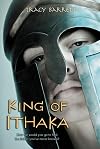
Okay. I need to start by saying that I’m a complete and total classics nerd. I have a degree in classical studies, I’ve read countless papers on classical mythology, and written several myself. So when it comes to rewriting something like THE ODYSSEY, well, you’d better do it well if you want to impress me, because my eye is beyond critical.
So when I first heard about KING OF ITHAKA by Tracy Barrett I was scared. I was scared that I would hate it even though it looked so good. A show more reimagining of Telemakos’ part of THE ODYSSEY? Telemakos is my favorite character. I have a freaking cat named Telemachus. I knew I had to read it, but I also knew that if it wasn’t everything I wanted it to be, I would be sorely disappointed.
That said, I read every page of KING OF ITHAKA, my critical eyes wide open, turning pages as quickly as I could. It’s a fast-paced adventure story that doesn’t dumb down a single thing for its younger audience — a mistake I’ve seen in many mythology-based books. The characters are sympathetic and believable while being true to their classical originals. And the twist ending is to die for.
If you don’t know much about THE ODYSSEY, well, you should! Still, I think you’ll enjoy this wonderful, honest adventure novel as a historical fantasy. And if you’re a total ODYSSEY nerd like me, you should definitely check it out. show less
So when I first heard about KING OF ITHAKA by Tracy Barrett I was scared. I was scared that I would hate it even though it looked so good. A show more reimagining of Telemakos’ part of THE ODYSSEY? Telemakos is my favorite character. I have a freaking cat named Telemachus. I knew I had to read it, but I also knew that if it wasn’t everything I wanted it to be, I would be sorely disappointed.
That said, I read every page of KING OF ITHAKA, my critical eyes wide open, turning pages as quickly as I could. It’s a fast-paced adventure story that doesn’t dumb down a single thing for its younger audience — a mistake I’ve seen in many mythology-based books. The characters are sympathetic and believable while being true to their classical originals. And the twist ending is to die for.
If you don’t know much about THE ODYSSEY, well, you should! Still, I think you’ll enjoy this wonderful, honest adventure novel as a historical fantasy. And if you’re a total ODYSSEY nerd like me, you should definitely check it out. show less
Points for trying to subvert the canon. Massive loss of points for how badly it's done.
I totally approve of the addition of centaurs to the Odyssey; I can even grit my teeth and handle the portrayal of Odysseus as a cold, violent, selfish husband. I can handle Nestor and Menelaus and Helen all being remixed into darker versions of themselves. I can even handle the erasure of Eumaois (O my swineherd!).
But dude. Writing characters as damaged and broken and kind of sociopathic is one thing, and show more holding them to totally anachronistic standards is quite another. Compassion: not a Bronze Age virtue, and critiquing your Bronze Age characters for lying, stealing, and sneaking is you-the-author projecting onto these amazing, complex characters, who in canon behave with a hell of a lot more consistency and historical accuracy than they do here, and considering how much of a historical mish-mash the canon is, I am officially unimpressed.
And Telemachus is seriously an idiot here (the episode with the not actually a violation of xenia is the prime example), and I just can't deal with a book where the protagonist is this stupid. show less
I totally approve of the addition of centaurs to the Odyssey; I can even grit my teeth and handle the portrayal of Odysseus as a cold, violent, selfish husband. I can handle Nestor and Menelaus and Helen all being remixed into darker versions of themselves. I can even handle the erasure of Eumaois (O my swineherd!).
But dude. Writing characters as damaged and broken and kind of sociopathic is one thing, and show more holding them to totally anachronistic standards is quite another. Compassion: not a Bronze Age virtue, and critiquing your Bronze Age characters for lying, stealing, and sneaking is you-the-author projecting onto these amazing, complex characters, who in canon behave with a hell of a lot more consistency and historical accuracy than they do here, and considering how much of a historical mish-mash the canon is, I am officially unimpressed.
And Telemachus is seriously an idiot here (the episode with the not actually a violation of xenia is the prime example), and I just can't deal with a book where the protagonist is this stupid. show less
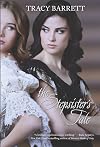
Jane Montjoy has been buried under a whole bunch of things; her mother's delusions about their home, their status in the community, her responsibility to keep their fragile lifestyle intact, taking care of their cow, aging carriage horse and goats, not to mention providing love and support to her little sister Maude. Their father drank away all the family assets and died after leaving home following an argument with their mother.
She's wondering when her mother will return to their decaying show more estate after a trip to a nearby city to barter butter and cheese for things they can't grow or make. When her mother does return, she's accompanied by a new husband and a very pretty, but spoiled stepdaughter, Isabella.
Times are hard for everyone. The king is old and his spoiled, arrogant son has banned all hunting and fishing, making survival for the folk who live in the woods, extremely challenging. Jane is caught between wanting to have a connection to those she knows, particularly Hannah, the herb-woman who has been teaching her sister which plants treat what ailments, and abiding by the expectations her mother's denial about their situation places upon her.
When winter approaches, their lot becomes even harder. Their new stepfather contracts an illness and dies, leaving them with the responsibility for looking after Isabella, who reacts to her grief with spite and pettiness. Before his death, the stepfather hired some of the forest people to repair the roof. One man fell, breaking a leg, but none of the men were ever paid, creating hard feelings and mistrust between Jane's family and most of the forest folk. However her eye caught that of Will, one of the boys helping and something sparked.
When she can, Jane leaves whey and other dairy products on a rock for the forest people, who begin leaving things in return. Jane and her family reach a point where they have no food and no wood to heat. While she and her sister are off looking for anything to use as food or fuel, they become lost, but Jane sees a mysterious girl flitting ahead of them. She wonders whether this is a fairy or a real girl. The mysterious girl leads them back to the old hunting lodge their father owned and they can get home safely. Jane can't put the mystery figure out of her mind and takes tassels torn from an old piece of fabric to mark her ay while trying to find the girl.
She's Annie, Will's sister and thus begins a new challenge for Jane, that of realizing she's possibly falling in love with someone her mother would never approve of. What follows is enthralling and a terrific retelling of Cinderella, full of tension, twists and turns and an extremely satisfying ending. In the acknowledgments, the author says she wrestled with this book for a long time, trying to do the retelling right. I think she totally nailed it and I bet mature tweens and teens liking a read with a bit of fantasy and romance will agree. show less
She's wondering when her mother will return to their decaying show more estate after a trip to a nearby city to barter butter and cheese for things they can't grow or make. When her mother does return, she's accompanied by a new husband and a very pretty, but spoiled stepdaughter, Isabella.
Times are hard for everyone. The king is old and his spoiled, arrogant son has banned all hunting and fishing, making survival for the folk who live in the woods, extremely challenging. Jane is caught between wanting to have a connection to those she knows, particularly Hannah, the herb-woman who has been teaching her sister which plants treat what ailments, and abiding by the expectations her mother's denial about their situation places upon her.
When winter approaches, their lot becomes even harder. Their new stepfather contracts an illness and dies, leaving them with the responsibility for looking after Isabella, who reacts to her grief with spite and pettiness. Before his death, the stepfather hired some of the forest people to repair the roof. One man fell, breaking a leg, but none of the men were ever paid, creating hard feelings and mistrust between Jane's family and most of the forest folk. However her eye caught that of Will, one of the boys helping and something sparked.
When she can, Jane leaves whey and other dairy products on a rock for the forest people, who begin leaving things in return. Jane and her family reach a point where they have no food and no wood to heat. While she and her sister are off looking for anything to use as food or fuel, they become lost, but Jane sees a mysterious girl flitting ahead of them. She wonders whether this is a fairy or a real girl. The mysterious girl leads them back to the old hunting lodge their father owned and they can get home safely. Jane can't put the mystery figure out of her mind and takes tassels torn from an old piece of fabric to mark her ay while trying to find the girl.
She's Annie, Will's sister and thus begins a new challenge for Jane, that of realizing she's possibly falling in love with someone her mother would never approve of. What follows is enthralling and a terrific retelling of Cinderella, full of tension, twists and turns and an extremely satisfying ending. In the acknowledgments, the author says she wrestled with this book for a long time, trying to do the retelling right. I think she totally nailed it and I bet mature tweens and teens liking a read with a bit of fantasy and romance will agree. show less
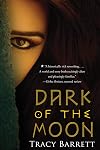
In Dark of the Moon, Barrett presents the “true” story of the Minotaur, told in alternating first person by Ariadne and Theseus.
Many years ago, a son of the Minos of Krete was murdered in Athens, and as a result, the King of Athens must now send one of his own sons to Krete to be given to the Minotaur. In Troizena, Theseus has grown up not knowing his full parentage. At the age of fifteen he discovers that he is the king's son. He leaves his mother and stepfather to meet his father, who show more immediately sends him to Krete. En route, Theseus discovers why he has being sent there and agrees to a plan concocted by a woman he hardly knows.
Before we learn all this, we meet the teenage Goddess-Who-Will-Be, Ariadne, and her half-wit brother, Minos-Who-Will-Be. He is kept in the palace basement for his and others' protection, and she is subjected to hours of lessons. As the next Goddess and ruler of Krete, Ariadne has much to learn. Barrett's rendering of the goddess rituals are detailed and fascinating. Ariadne's position isolates her, and she responds by craving intimacy. When a ship arrives from a foreign land, she meets some of its passengers who, unfamiliar with Kreten culture, do not fear and avoid her. Feeling freed by their behavior, Ariadne strikes up an inappropriate friendship.
Ariadne and Theseus are appealing teenage protagonists, and they narrate with honesty and emotion. Dark of the Moon is a fabulously-conceived reinvention of the story of Theseus and the Minotaur. Highly recommended. show less
Many years ago, a son of the Minos of Krete was murdered in Athens, and as a result, the King of Athens must now send one of his own sons to Krete to be given to the Minotaur. In Troizena, Theseus has grown up not knowing his full parentage. At the age of fifteen he discovers that he is the king's son. He leaves his mother and stepfather to meet his father, who show more immediately sends him to Krete. En route, Theseus discovers why he has being sent there and agrees to a plan concocted by a woman he hardly knows.
Before we learn all this, we meet the teenage Goddess-Who-Will-Be, Ariadne, and her half-wit brother, Minos-Who-Will-Be. He is kept in the palace basement for his and others' protection, and she is subjected to hours of lessons. As the next Goddess and ruler of Krete, Ariadne has much to learn. Barrett's rendering of the goddess rituals are detailed and fascinating. Ariadne's position isolates her, and she responds by craving intimacy. When a ship arrives from a foreign land, she meets some of its passengers who, unfamiliar with Kreten culture, do not fear and avoid her. Feeling freed by their behavior, Ariadne strikes up an inappropriate friendship.
Ariadne and Theseus are appealing teenage protagonists, and they narrate with honesty and emotion. Dark of the Moon is a fabulously-conceived reinvention of the story of Theseus and the Minotaur. Highly recommended. show less
Lists
Awards


You May Also Like


Statistics
- Works
- 20
- Members
- 2,120
- Popularity
- #12,142
- Rating
- 3.4
- Reviews
- 65
- ISBNs
- 101
- Languages
- 2