
George M. Johnson (3)
Author of All Boys Aren't Blue: A Memoir-Manifesto
For other authors named George M. Johnson, see the disambiguation page.
About the Author
Image credit: George M. Johnson photo from their press kit: https://iamgmjohnson.com/gmj-media-kit-new
Works by George M. Johnson
Associated Works
Tagged
Common Knowledge
- Birthdate
- 1980s
- Gender
- non-binary
- Occupations
- journalist
writer
HIV activist
LGBTQ+ activist - Organizations
- HIV Stops with Me Campaign
- Agent
- Patrice Caldwell (Morhaim Literary)
- Nationality
- USA
- Places of residence
- Virginia, USA
New Jersey, USA - Associated Place (for map)
- USA
Members
Reviews
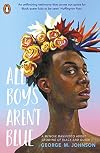
Centers the experiences, desires, and agency of a queer Black boy navigating his evolving selfhood and the challenges of society’s conditional love for his truthful existence.
Queer Black existence has been here forever, and yet rarely has that experience been spotlighted within literature aimed at Black boyhood. This is the context in which this “memoir-manifesto” begins, as Johnson, a still relatively young 33-year-old journalist and activist, debuts his unfolding life story within a show more vacuum of representation. These stories wrestle with “joy and pain...triumph and tragedy” across many heavy topics—gender policing, sexual abuse, institutional violence—but with a view to freedom on the horizon. Through the witnessing of Johnson’s intimate accounts, beginning with his middle-class New Jersey childhood and continuing through his attendance at a historically Black university in Virginia, readers are invited on their own paths to healing, self-care, and living one’s truth. Those who see themselves outside the standpoint of being Black and queer are called in toward accountability, clarifying an understanding of the history, language, and actions needed to transform the world—not in pity for the oppressed but in the liberation of themselves. This title opens new doors, as the author insists that we don’t have to anchor stories such as his to tragic ends: “Many of us are still here. Still living and waiting for our stories to be told—to tell them ourselves.”
A critical, captivating, merciful mirror for growing up Black and queer today. (Memoir. 14-adult)
- Kirkus Starred Review show less
Queer Black existence has been here forever, and yet rarely has that experience been spotlighted within literature aimed at Black boyhood. This is the context in which this “memoir-manifesto” begins, as Johnson, a still relatively young 33-year-old journalist and activist, debuts his unfolding life story within a show more vacuum of representation. These stories wrestle with “joy and pain...triumph and tragedy” across many heavy topics—gender policing, sexual abuse, institutional violence—but with a view to freedom on the horizon. Through the witnessing of Johnson’s intimate accounts, beginning with his middle-class New Jersey childhood and continuing through his attendance at a historically Black university in Virginia, readers are invited on their own paths to healing, self-care, and living one’s truth. Those who see themselves outside the standpoint of being Black and queer are called in toward accountability, clarifying an understanding of the history, language, and actions needed to transform the world—not in pity for the oppressed but in the liberation of themselves. This title opens new doors, as the author insists that we don’t have to anchor stories such as his to tragic ends: “Many of us are still here. Still living and waiting for our stories to be told—to tell them ourselves.”
A critical, captivating, merciful mirror for growing up Black and queer today. (Memoir. 14-adult)
- Kirkus Starred Review show less
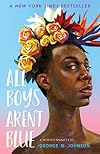
Just look at the title and the cover. It is impossible to resist the challenge it throws at the reader. The book just screams: Pick me up if you dare. The moment I saw the cover and title, I knew I'd read this book.
George M. Johnson is a New York-based writer-cum-activist. There are two things that go against him in general public opinion: he is black, and he is gay. This book narrates the struggles he has faced all through his life, the trauma, the repercussions, the challenges, and the show more opportunities.
As the tagline suggests, the book isn't just a memoir but also a manifesto. The author confesses his deepest, darkest fears and secrets and also declares how he overcame them. In many of the chapters, he includes advice to young people facing the same issues on how to deal with this identity crisis.
So, how does it fare against the expectations it creates?
The book is powerful and impactful, there is absolutely no doubt about that. The straightforward approach of the author comes out very strongly. He seems to have viewed this book as a cathartic opportunity to purge himself of all the anxiety and pain he has kept bottled up in his early years. However, while dwelling on his sexual memories, he goes into a vivid, almost-erotic delineation of his experiences, both consensual and otherwise. Was he just trying to demonstrate the rawness of his pain by being so explicit? I honestly don't know. But it didn't click with me. I must say, the author does warn about this in the introduction itself, where he says that the topic might seem too heavy for teens but he encountered all the abuse as a teen. So he has his valid reasons for including them.
There is a lot of bravery in the book, but there is a lot of cockiness too. He almost seems to boast about his achievements in many places. Memoirs that proclaim "Look at me, see how great I am" are big turn-offs for me.
For the correct target audience i.e. American gay black young adults, the book will probably be a must-read and much more identifiable. But a book such as this mustn't aim at a limited set of readers but should speak to society as a whole. In this day and age, it is extremely important for everyone to understand the challenges faced by the LGBTQIA community. That, however, doesn't happen in this case and the writing seems a bit shortsighted and restricted in its approach.
Furthermore, I think the author should have written this book either as a memoir or as a manifesto. In the quest to do both, he ends up with a jumbled-up result. It is not a bad read, it is definitely not an easy read, but it could have been so much better had the author kept his focus on only one item on his agenda.
The audiobook is narrated by the author himself and he does a pretty good job.
My rating: 4.75 for the intention, 3.5 for the execution.
Trigger warnings: Rape, physical abuse, sexual abuse, N word, some homophobic slurs, graphic descriptions of sex.
*************************************
Join me on the Facebook group, Readers Forever!, for more reviews, book-related discussions and fun. show less
George M. Johnson is a New York-based writer-cum-activist. There are two things that go against him in general public opinion: he is black, and he is gay. This book narrates the struggles he has faced all through his life, the trauma, the repercussions, the challenges, and the show more opportunities.
As the tagline suggests, the book isn't just a memoir but also a manifesto. The author confesses his deepest, darkest fears and secrets and also declares how he overcame them. In many of the chapters, he includes advice to young people facing the same issues on how to deal with this identity crisis.
So, how does it fare against the expectations it creates?
The book is powerful and impactful, there is absolutely no doubt about that. The straightforward approach of the author comes out very strongly. He seems to have viewed this book as a cathartic opportunity to purge himself of all the anxiety and pain he has kept bottled up in his early years. However, while dwelling on his sexual memories, he goes into a vivid, almost-erotic delineation of his experiences, both consensual and otherwise. Was he just trying to demonstrate the rawness of his pain by being so explicit? I honestly don't know. But it didn't click with me. I must say, the author does warn about this in the introduction itself, where he says that the topic might seem too heavy for teens but he encountered all the abuse as a teen. So he has his valid reasons for including them.
There is a lot of bravery in the book, but there is a lot of cockiness too. He almost seems to boast about his achievements in many places. Memoirs that proclaim "Look at me, see how great I am" are big turn-offs for me.
For the correct target audience i.e. American gay black young adults, the book will probably be a must-read and much more identifiable. But a book such as this mustn't aim at a limited set of readers but should speak to society as a whole. In this day and age, it is extremely important for everyone to understand the challenges faced by the LGBTQIA community. That, however, doesn't happen in this case and the writing seems a bit shortsighted and restricted in its approach.
Furthermore, I think the author should have written this book either as a memoir or as a manifesto. In the quest to do both, he ends up with a jumbled-up result. It is not a bad read, it is definitely not an easy read, but it could have been so much better had the author kept his focus on only one item on his agenda.
The audiobook is narrated by the author himself and he does a pretty good job.
My rating: 4.75 for the intention, 3.5 for the execution.
Trigger warnings: Rape, physical abuse, sexual abuse, N word, some homophobic slurs, graphic descriptions of sex.
*************************************
Join me on the Facebook group, Readers Forever!, for more reviews, book-related discussions and fun. show less
Centers the experiences, desires, and agency of a queer Black boy navigating his evolving selfhood and the challenges of society’s conditional love for his truthful existence.
Queer Black existence has been here forever, and yet rarely has that experience been spotlighted within literature aimed at Black boyhood. This is the context in which this “memoir-manifesto” begins, as Johnson, a still relatively young 33-year-old journalist and activist, debuts his unfolding life story within a show more vacuum of representation. These stories wrestle with “joy and pain...triumph and tragedy” across many heavy topics—gender policing, sexual abuse, institutional violence—but with a view to freedom on the horizon. Through the witnessing of Johnson’s intimate accounts, beginning with his middle-class New Jersey childhood and continuing through his attendance at a historically Black university in Virginia, readers are invited on their own paths to healing, self-care, and living one’s truth. Those who see themselves outside the standpoint of being Black and queer are called in toward accountability, clarifying an understanding of the history, language, and actions needed to transform the world—not in pity for the oppressed but in the liberation of themselves. This title opens new doors, as the author insists that we don’t have to anchor stories such as his to tragic ends: “Many of us are still here. Still living and waiting for our stories to be told—to tell them ourselves.”
A critical, captivating, merciful mirror for growing up Black and queer today. (Memoir. 14-adult)
- Kirkus Starred Review show less
Queer Black existence has been here forever, and yet rarely has that experience been spotlighted within literature aimed at Black boyhood. This is the context in which this “memoir-manifesto” begins, as Johnson, a still relatively young 33-year-old journalist and activist, debuts his unfolding life story within a show more vacuum of representation. These stories wrestle with “joy and pain...triumph and tragedy” across many heavy topics—gender policing, sexual abuse, institutional violence—but with a view to freedom on the horizon. Through the witnessing of Johnson’s intimate accounts, beginning with his middle-class New Jersey childhood and continuing through his attendance at a historically Black university in Virginia, readers are invited on their own paths to healing, self-care, and living one’s truth. Those who see themselves outside the standpoint of being Black and queer are called in toward accountability, clarifying an understanding of the history, language, and actions needed to transform the world—not in pity for the oppressed but in the liberation of themselves. This title opens new doors, as the author insists that we don’t have to anchor stories such as his to tragic ends: “Many of us are still here. Still living and waiting for our stories to be told—to tell them ourselves.”
A critical, captivating, merciful mirror for growing up Black and queer today. (Memoir. 14-adult)
- Kirkus Starred Review show less
All Boys Aren’t Blue is George M. Johnson’s manifesto and coming-of-age memoir about growing up Black and queer. Even as a small child, George felt different. They didn’t feel like a typical boy so they thought maybe they were a girl. They didn’t see a place for an effeminate male in their culture. They spent recess with the girls, double Dutch jump roping until one day they accidentally discovered they were a naturally good football player and that they liked to play football as show more much as they liked jumping rope. Then George was even more confused. As George got older, they figured out that they weren’t sexually attracted to girls but they weren’t ready to admit to themselves that they were attracted to boys.
Teenagers going through the same struggles as Johnson will appreciate their unflinchingly honest perspective. Their recounting of an episode of sexual abuse they experienced as a child was particularly brave. This is actually one of the excerpts that the parent groups trying to get this book banned have taken out of context and circulated. The fact that these groups would equate this scene with pornography makes it clear to me that they have not read the book. It’s not erotic at all and they should be ashamed of themselves for cheapening Johnson’s experience with their ignorance.
The other passage parents are upset about is when Johnson shares about losing their virginity – in college by the way. How many YA books feature young, white straight people losing their virginity or just plain out having sex repeatedly? Where’s the outcry? Judy Blume’s Forever, anyone? And again, this is not porn. This is a person being vulnerable and sharing an experience that teenagers will read and know that they are not alone in being scared and unsure. I can only imagine the impact it has on LGBTQ youth to read George’s story and know that not only are they not the only one who has struggled and been confused but that someone who went through it came out the other side a successful adult person. Representation matters.
Straight teens (and adults) should read this book too. It’s important to read about other people’s experiences and be able to see the world through a different lens. Books like this one can be powerful tools to build empathy and break down barriers.
Highly recommended. show less
Teenagers going through the same struggles as Johnson will appreciate their unflinchingly honest perspective. Their recounting of an episode of sexual abuse they experienced as a child was particularly brave. This is actually one of the excerpts that the parent groups trying to get this book banned have taken out of context and circulated. The fact that these groups would equate this scene with pornography makes it clear to me that they have not read the book. It’s not erotic at all and they should be ashamed of themselves for cheapening Johnson’s experience with their ignorance.
The other passage parents are upset about is when Johnson shares about losing their virginity – in college by the way. How many YA books feature young, white straight people losing their virginity or just plain out having sex repeatedly? Where’s the outcry? Judy Blume’s Forever, anyone? And again, this is not porn. This is a person being vulnerable and sharing an experience that teenagers will read and know that they are not alone in being scared and unsure. I can only imagine the impact it has on LGBTQ youth to read George’s story and know that not only are they not the only one who has struggled and been confused but that someone who went through it came out the other side a successful adult person. Representation matters.
Straight teens (and adults) should read this book too. It’s important to read about other people’s experiences and be able to see the world through a different lens. Books like this one can be powerful tools to build empathy and break down barriers.
Highly recommended. show less
Lists
Awards


You May Also Like


Associated Authors
Statistics
- Works
- 3
- Also by
- 1
- Members
- 1,679
- Popularity
- #15,311
- Rating
- 4.1
- Reviews
- 57
- ISBNs
- 40
- Languages
- 2
