
T. Harv Eker
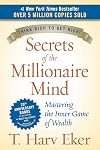
Author of Secrets of the Millionaire Mind: Mastering the Inner Game of Wealth
About the Author
Image credit: Photo courtesy of Hay House, Inc.
Works by T. Harv Eker
The Good Millionaire 3 copies
os segredos da mente milionaria novo 2 copies
Get Hardwired For Success 1 copy
Milyoner Aklın Sırları 1 copy
Tagged
Common Knowledge
- Legal name
- Harv Eker
- Birthdate
- 1954-06-10
- Gender
- male
- Occupations
- businessman
- Organizations
- Peak Potentials Training
- Nationality
- Canada
- Birthplace
- Toronto, Ontario, Canada
- Associated Place (for map)
- Ontario, Canada
Members
Reviews
Yes, I really did read it, the whole damn thing. I'm in a business coaching group and one of the other members was raving about it, so I figured it was worth a try.
It starts out with a very interesting perspective, looking at how our thought and behavior patterns around money are formed by our childhood experiences, particularly seeing what our parents did (which we later either replicate or rebel against). That gave me something to think about: my parents both grew up at the tail end of the show more depression and during the war, my dad effectively without a father and my mom without a mother. But for my mom this translated into an appreciation for the bohemian/artistic/intellectual life, where money isn't nearly as important as culture and experience, while for my dad it translated into a quiet struggle for recognition and security. Needless to say, their marriage didn't last. But I'd never before thought about how closely that must've been related to their different views about money and success.
For myself, I've always seen wealth as an infallible correlate of bad taste, stupidity, and rudeness: the more money someone has, the less likely they are to be someone I'll enjoy spending time with. So it's kinda no surprise that I'm not exactly financially secure, let alone well-off, myself—and the point where I identified that was the book's climax, as far as I'm concerned.
After that, it devolves into a series of success tips, affirmations, and declarations which sidestep the moral contradictions of capitalism and teach you that the key is simply to welcome wealth into your life. There are certainly some interesting thoughts along the way, but it gets a little tiresome to hear nothing but cheerleading for "success" in the form of nothing but money. I'm sure someone's developed a version of this pep talk which speaks the languages of anarchism, socialism, and communalism. This version, though, which assumes your heroes include Donald Trump and Jack Welch, is not a book for me. show less
It starts out with a very interesting perspective, looking at how our thought and behavior patterns around money are formed by our childhood experiences, particularly seeing what our parents did (which we later either replicate or rebel against). That gave me something to think about: my parents both grew up at the tail end of the show more depression and during the war, my dad effectively without a father and my mom without a mother. But for my mom this translated into an appreciation for the bohemian/artistic/intellectual life, where money isn't nearly as important as culture and experience, while for my dad it translated into a quiet struggle for recognition and security. Needless to say, their marriage didn't last. But I'd never before thought about how closely that must've been related to their different views about money and success.
For myself, I've always seen wealth as an infallible correlate of bad taste, stupidity, and rudeness: the more money someone has, the less likely they are to be someone I'll enjoy spending time with. So it's kinda no surprise that I'm not exactly financially secure, let alone well-off, myself—and the point where I identified that was the book's climax, as far as I'm concerned.
After that, it devolves into a series of success tips, affirmations, and declarations which sidestep the moral contradictions of capitalism and teach you that the key is simply to welcome wealth into your life. There are certainly some interesting thoughts along the way, but it gets a little tiresome to hear nothing but cheerleading for "success" in the form of nothing but money. I'm sure someone's developed a version of this pep talk which speaks the languages of anarchism, socialism, and communalism. This version, though, which assumes your heroes include Donald Trump and Jack Welch, is not a book for me. show less
It’s all mental!! Some of the biggest differences between us are the way we approach life. This book fell in my lap during a time when I’m on the brink of a tremendous financial opportunity. Instead of walking in like a dog begging for dinner, this book got me thinking of the potential in me – the potential in all of us.
The book is built around 17 points (do you see yourself in any of them?):
1. Rich people believe "I create my life." Poor people believe, "Life happens to me."
2. Rich show more people play the money game to win. Poor people play the money game to not lose.
3. Rich people are committed to being rich. Poor people want to be rich.
4. Rich people think big. Poor people think small.
5. Rich people focus on opportunities. Poor people focus on obstacles.
6. Rich people admire other rich and successful people. Poor people resent rich and successful people.
7. Rich people associate with positive, successful people. Poor people associate with negative or unsuccessful people.
8. Rich people are willing to promote themselves and their value. Poor people think negatively about selling and promotion.
9. Rich people are bigger than their problems. Poor people are smaller than their problems.
10. Rich people are excellent receivers. Poor people are poor receivers.
11. Rich people choose to get paid based on results. Poor people choose to get paid based on time.
12. Rich people think "both." Poor people think "either/or."
13. Rich people focus on their net worth. Poor people focus on their working income.
14. Rich people manage their money well. Poor people mismanage their money well.
15. Rich people have their money work hard for them. Poor people work hard for their money.
16. Rich people act in spite of fear. Poor people let fear stop them.
17. Rich people constantly learn and grow. Poor people think they already know.
It’s an easy read … short and energetic. Keep your ears open and you are sure to find a few nuggets that could get your head spinning and realizing that the state of your life is and always been the result of YOU!! show less
The book is built around 17 points (do you see yourself in any of them?):
1. Rich people believe "I create my life." Poor people believe, "Life happens to me."
2. Rich show more people play the money game to win. Poor people play the money game to not lose.
3. Rich people are committed to being rich. Poor people want to be rich.
4. Rich people think big. Poor people think small.
5. Rich people focus on opportunities. Poor people focus on obstacles.
6. Rich people admire other rich and successful people. Poor people resent rich and successful people.
7. Rich people associate with positive, successful people. Poor people associate with negative or unsuccessful people.
8. Rich people are willing to promote themselves and their value. Poor people think negatively about selling and promotion.
9. Rich people are bigger than their problems. Poor people are smaller than their problems.
10. Rich people are excellent receivers. Poor people are poor receivers.
11. Rich people choose to get paid based on results. Poor people choose to get paid based on time.
12. Rich people think "both." Poor people think "either/or."
13. Rich people focus on their net worth. Poor people focus on their working income.
14. Rich people manage their money well. Poor people mismanage their money well.
15. Rich people have their money work hard for them. Poor people work hard for their money.
16. Rich people act in spite of fear. Poor people let fear stop them.
17. Rich people constantly learn and grow. Poor people think they already know.
It’s an easy read … short and energetic. Keep your ears open and you are sure to find a few nuggets that could get your head spinning and realizing that the state of your life is and always been the result of YOU!! show less
This book is a deep dive into the mindset that shapes our relationship with money. T. Harv Eker challenges us to examine our internal programming and beliefs about wealth, and how they can either limit or unlock our potential
"Who The Heck is T. Harv Eker and Why Should I Read This Book?" is the title of the first chapter. I won't give away the secret, but I'll tell you this much: T.H. Eker is worth millions. That's why you should read this book.
The book is divided into two parts: 1) Your Money Blueprint and 2) The Wealth Files: Seventeen Ways Rick People Think AND Act Differently From Poor and Middle-Class People. We'll skip Part One and go straight to Part Two.
These Seventeen Maxims for Wealth comprise roughly show more 130 pages of text, so I won't hope to cover tham all. Instead, I'll list my favorite Maxim.
#7: RICH PEOPLE ASSOCIATE WITH POSITIVE SUCCESSFUL PEOPLE. POOR PEOPLE ASSOCIATE WITH NEGATIVE OR UNSUCCESSFUL PEOPLE.
The real reason I chose thie Wealth File is for this thought (and for my money, it's the best line in the book): "Instead of mocking rich people, model them. Instead of shying away from rich poeple, get to know them. Instead of saying, 'Wow, they're so special,' say, 'If they can do it, I can do it.' EVENTUALLY, IF YOU WANT TO TOUCH A MILLIONAIRE, YOU'LL BE ABLE TO TOUCH YOURSELF!" [ALL CAPS added by me.]
Please Note: the obverse of that last line doesn't hold true; i.e., if you touch yourself often, you won't necessarily get to touch millionaires.
But, you've got to admit, great advice, no? (It makes you wonder why every teenage boy isn't already a millionaire!) show less
The book is divided into two parts: 1) Your Money Blueprint and 2) The Wealth Files: Seventeen Ways Rick People Think AND Act Differently From Poor and Middle-Class People. We'll skip Part One and go straight to Part Two.
These Seventeen Maxims for Wealth comprise roughly show more 130 pages of text, so I won't hope to cover tham all. Instead, I'll list my favorite Maxim.
#7: RICH PEOPLE ASSOCIATE WITH POSITIVE SUCCESSFUL PEOPLE. POOR PEOPLE ASSOCIATE WITH NEGATIVE OR UNSUCCESSFUL PEOPLE.
The real reason I chose thie Wealth File is for this thought (and for my money, it's the best line in the book): "Instead of mocking rich people, model them. Instead of shying away from rich poeple, get to know them. Instead of saying, 'Wow, they're so special,' say, 'If they can do it, I can do it.' EVENTUALLY, IF YOU WANT TO TOUCH A MILLIONAIRE, YOU'LL BE ABLE TO TOUCH YOURSELF!" [ALL CAPS added by me.]
Please Note: the obverse of that last line doesn't hold true; i.e., if you touch yourself often, you won't necessarily get to touch millionaires.
But, you've got to admit, great advice, no? (It makes you wonder why every teenage boy isn't already a millionaire!) show less
Lists
Awards


You May Also Like


Associated Authors
Statistics
- Works
- 13
- Members
- 1,498
- Popularity
- #17,148
- Rating
- 3.8
- Reviews
- 25
- ISBNs
- 47
- Languages
- 15
- Favorited
- 1