
V.T. Bidania
Author of Astrid and Apollo and the Starry Campout
About the Author
Image credit: via Amazon.com
Works by V.T. Bidania
Tagged
Common Knowledge
There is no Common Knowledge data for this author yet. You can help.
Members
Reviews
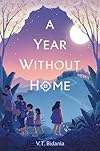
A Year Without a Home tells a poignantly emotional story of grief and resilience as the young protagonist becomes a refugee. Gao Sheng and her family are forced to flee the communist takeover of Laos since her father was a member of the opposing military. So much of Gao Sheng's life is lost to sudden departure -- from her friends to her dog to her family's peach tree, around which so many of her good memories revolve -- and she's left uncertain whether she will ever be able to return. One of show more the most emotionally compelling throughlines of Gao Sheng's story is her exploration of what 'home' is to her. She dwells in bittersweet memories inextricably tied to Laos and her family's land there, grieving this home that will always be part of her, but she may never see again. But, in the shifting impermanence of the refugee camps, she also builds a sense of home for herself and the other refugees through community.
At the same time, Gao Sheng also struggles with being a girl in a culture that values boys more highly and offers them more freedom. She's caught between being a "good daughter" and her desire to be adventurous, free, and respected in her own right rather than for how well she plays her role. That journey to find her place and assert herself really comes to a head after her younger brother is sent on ahead to the US as the most important of her siblings, while the rest of her family stays behind in Thailand. The stress on her and the feeling of not being valued, which she bore quietly, are too much, and in her family's new refugee camp, she finds a way to step beyond her role as a daughter and comes to understand the pride her family has had in her throughout this whole journey.
I’m not sure the choice to make this in verse did much for the story. There were quite a few points where it read as prose with awkward breaks. However, it was still engaging and a meaningful story. show less
At the same time, Gao Sheng also struggles with being a girl in a culture that values boys more highly and offers them more freedom. She's caught between being a "good daughter" and her desire to be adventurous, free, and respected in her own right rather than for how well she plays her role. That journey to find her place and assert herself really comes to a head after her younger brother is sent on ahead to the US as the most important of her siblings, while the rest of her family stays behind in Thailand. The stress on her and the feeling of not being valued, which she bore quietly, are too much, and in her family's new refugee camp, she finds a way to step beyond her role as a daughter and comes to understand the pride her family has had in her throughout this whole journey.
I’m not sure the choice to make this in verse did much for the story. There were quite a few points where it read as prose with awkward breaks. However, it was still engaging and a meaningful story. show less
Bidania distills her family’s experiences as refugees into resonant historical fiction.
It’s 1975, and Gao Sheng lives “in a sunny mountain town” in Pao Kao, Laos, in a house with plenty of room for her extended family: nine adults and 11 kids. Eleven-year-old Gao Sheng silently, obediently helps with cooking, shopping, and child care: “This is what’s expected / of the oldest daughter.” When the communists take over, her father’s army service alongside Americans puts the show more family at risk, forcing them to flee. The scattered clan members endure separation, survive two Thai refugee camps, and start new lives in America. Gao Sheng is an insightful witness, keenly aware of her 8-year-old brother’s elevated status just because he’s male, while she’s overlooked: “My arms drop to my sides, / limp and wilted.” Despite disappointments, she’s steadfast in fulfilling her mature responsibilities. But when she finally refuses to keep quiet—“Today / I will be loud / I will show my strength”—her family sees and eventually acknowledges and proudly appreciates her. An epilogue describes Gao Sheng’s arrival in Wisconsin with her parents and siblings. The candid verse deftly grounds precious experiences in tangible reminders—peach seeds that Gao Sheng saves to plant “someday, / when the country is at peace,” and soft buns that taste “like sugar and happiness.” With inviting vulnerability, Bidania transforms her war-torn past into a rallying cry to “build empathy, curiosity, and awareness.”
A lyrical, heartfelt account of personal growth and endurance. (author’s note, photos) (Verse historical fiction. 10-14)
-Kirkus Review show less
It’s 1975, and Gao Sheng lives “in a sunny mountain town” in Pao Kao, Laos, in a house with plenty of room for her extended family: nine adults and 11 kids. Eleven-year-old Gao Sheng silently, obediently helps with cooking, shopping, and child care: “This is what’s expected / of the oldest daughter.” When the communists take over, her father’s army service alongside Americans puts the show more family at risk, forcing them to flee. The scattered clan members endure separation, survive two Thai refugee camps, and start new lives in America. Gao Sheng is an insightful witness, keenly aware of her 8-year-old brother’s elevated status just because he’s male, while she’s overlooked: “My arms drop to my sides, / limp and wilted.” Despite disappointments, she’s steadfast in fulfilling her mature responsibilities. But when she finally refuses to keep quiet—“Today / I will be loud / I will show my strength”—her family sees and eventually acknowledges and proudly appreciates her. An epilogue describes Gao Sheng’s arrival in Wisconsin with her parents and siblings. The candid verse deftly grounds precious experiences in tangible reminders—peach seeds that Gao Sheng saves to plant “someday, / when the country is at peace,” and soft buns that taste “like sugar and happiness.” With inviting vulnerability, Bidania transforms her war-torn past into a rallying cry to “build empathy, curiosity, and awareness.”
A lyrical, heartfelt account of personal growth and endurance. (author’s note, photos) (Verse historical fiction. 10-14)
-Kirkus Review show less
Eleven-year-old Gao Sheng's beloved home sits on top of a hill in the highlands of Laos. Here she can roll down the grassy hill with her younger siblings after her chores, walk to school, and pick peaches straight from her family’s trees.
But when U.S. troops pull out of the Vietnam War, the communists will be searching for any American allies, like Gao Sheng’s father. If he’s caught, he and his family could be killed.
As the adults make frantic plans, Gao Sheng does what any good, show more oldest daughter would do: doesn’t ask questions or complain and watches over the younger siblings and cousins. Even though she wishes she could roll down the hill at home or run around like her brother.
After a treacherous voyage by foot, by taxi, and a canoe, Gao Sheng’s family finally arrive across the river at an overcrowded refugee camp in Thailand. As a year passes at the camp, Gao Sheng learns that home doesn’t technically mean the physical place and somewhere in between, she finds her voice.
In this novel in verse, middle grade book inspired by V.T. Bidania’s own family history the author shows the long, difficult journey many Hmong refugees faced after the Vietnam War and shines light on experiences of refugees around the world.
I greatly appreciate Gao Sheng’s personal journey through this novel as well. As the oldest girl in her family (just even just her immediate family, but from her cousins as well), Gao Sheng was kind of forced to put her childhood away a lot sooner than her younger brother and it wasn’t really on her terms. But, she showed her family she could do more than just watch the kids and for her age and what she’s gone through, that was amazing.
Overall, this is an amazing book for middle grade and adults alike. There’s not a lot of books out there from the Hmong’s perspective, especially during the end of the Vietnam War. This book could bring up great discussions on refugees and being without a home.
*Thank you NetGalley and Nancy Paulsen Books for a copy of this book in exchange for an honest review show less
But when U.S. troops pull out of the Vietnam War, the communists will be searching for any American allies, like Gao Sheng’s father. If he’s caught, he and his family could be killed.
As the adults make frantic plans, Gao Sheng does what any good, show more oldest daughter would do: doesn’t ask questions or complain and watches over the younger siblings and cousins. Even though she wishes she could roll down the hill at home or run around like her brother.
After a treacherous voyage by foot, by taxi, and a canoe, Gao Sheng’s family finally arrive across the river at an overcrowded refugee camp in Thailand. As a year passes at the camp, Gao Sheng learns that home doesn’t technically mean the physical place and somewhere in between, she finds her voice.
In this novel in verse, middle grade book inspired by V.T. Bidania’s own family history the author shows the long, difficult journey many Hmong refugees faced after the Vietnam War and shines light on experiences of refugees around the world.
I greatly appreciate Gao Sheng’s personal journey through this novel as well. As the oldest girl in her family (just even just her immediate family, but from her cousins as well), Gao Sheng was kind of forced to put her childhood away a lot sooner than her younger brother and it wasn’t really on her terms. But, she showed her family she could do more than just watch the kids and for her age and what she’s gone through, that was amazing.
Overall, this is an amazing book for middle grade and adults alike. There’s not a lot of books out there from the Hmong’s perspective, especially during the end of the Vietnam War. This book could bring up great discussions on refugees and being without a home.
*Thank you NetGalley and Nancy Paulsen Books for a copy of this book in exchange for an honest review show less
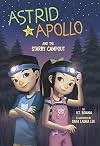
I am really excited for this new easy chapter series from Capstone's Picture Window imprint. The only thing I could be more thrilled about would be if they offered series featuring kids with disabilities, and I'm confident those will not be long in coming (there's already an easy reader featuring a Deaf girl, Emma).
Many people think of the Midwest as a very white, homogenous place and while that is certainly true in many cases, especially in small towns, there are actually large groups of show more ethnically diverse people concentrated in various areas. In my own corner of Wisconsin, there is a large Hispanic population, small but significant group of Japanese and Koreans (mostly exchange students - we have a Kikkoman factory) and a handful of Pakistani and Indians. Only a few hours north there is a significant presence of Americans of Hmong descent and after many years of them being largely ignored it's wonderful to see literature featuring these kids start to emerge.
The Hmong population in Minnesota is, I believe, larger and that's where this book is based, as is its own voices creator. The story starts with an introduction to Astrid, Apollo, and their parents and little sister Eliana. This includes their Hmong names, pronunciation, and translation. There's also a simple definition of Hmong.
The story is told in five chapters. The family is going camping and Astrid is scared of the dark - and of the frightening stories her older cousin has told her. Apollo initially coaxes her into coming along to join them and with the support of her family and her own courage she ends up having a great time. There are gently humorous moments, like sneaky raccoons and a stinky outhouse, and also an enjoyment of the beauties of nature and the night sky. The kids compare their Hmong names to the stars they see, eat both Hmong and "American" food, and say hello to other Hmong families who are also camping.
Back matter includes more detailed facts about the Hmong, a list and explanation of some popular Hmong foods (now I want eggrolls...), a glossary, and discussion and writing questions. There's also a thumbnail introduction to the author and illustrator, both from Minnesota and of Hmong descent.
Verdict: I have several readers who really enjoy these simple, slice-of-life stories and I am thrilled to be able to finally have books portraying this important and often overlooked ethnic group in our state.
ISBN: 9781515861317; Published 2020 by Capstone; Borrowed from another library in my consortium show less
Many people think of the Midwest as a very white, homogenous place and while that is certainly true in many cases, especially in small towns, there are actually large groups of show more ethnically diverse people concentrated in various areas. In my own corner of Wisconsin, there is a large Hispanic population, small but significant group of Japanese and Koreans (mostly exchange students - we have a Kikkoman factory) and a handful of Pakistani and Indians. Only a few hours north there is a significant presence of Americans of Hmong descent and after many years of them being largely ignored it's wonderful to see literature featuring these kids start to emerge.
The Hmong population in Minnesota is, I believe, larger and that's where this book is based, as is its own voices creator. The story starts with an introduction to Astrid, Apollo, and their parents and little sister Eliana. This includes their Hmong names, pronunciation, and translation. There's also a simple definition of Hmong.
The story is told in five chapters. The family is going camping and Astrid is scared of the dark - and of the frightening stories her older cousin has told her. Apollo initially coaxes her into coming along to join them and with the support of her family and her own courage she ends up having a great time. There are gently humorous moments, like sneaky raccoons and a stinky outhouse, and also an enjoyment of the beauties of nature and the night sky. The kids compare their Hmong names to the stars they see, eat both Hmong and "American" food, and say hello to other Hmong families who are also camping.
Back matter includes more detailed facts about the Hmong, a list and explanation of some popular Hmong foods (now I want eggrolls...), a glossary, and discussion and writing questions. There's also a thumbnail introduction to the author and illustrator, both from Minnesota and of Hmong descent.
Verdict: I have several readers who really enjoy these simple, slice-of-life stories and I am thrilled to be able to finally have books portraying this important and often overlooked ethnic group in our state.
ISBN: 9781515861317; Published 2020 by Capstone; Borrowed from another library in my consortium show less
Awards


Statistics
- Works
- 21
- Members
- 206
- Popularity
- #107,331
- Rating
- 3.8
- Reviews
- 8
- ISBNs
- 83