

Works by Trotula
The Trotula: An English Translation of the Medieval Compendium of Women's Medicine (The Middle Ages Series) (2001) — Author — 108 copies, 2 reviews
Tagged
Common Knowledge
- Other names
- Trotula de Ruggiero
Dame Trot - Birthdate
- XI sec.
- Date of death
- XI sec.
- Nationality
- Italia
Members
Reviews
The Trotula: An English Translation of the Medieval Compendium of Women's Medicine (The Middle Ages Series) by Trotula
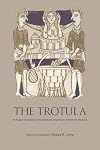
This is a really fascinating translation of a collection of thirteenth century Italian medical texts. Monica Green does an excellent job of demonstrating that what scholars long thought was one text was in fact an amalgamation of three different works on women's health—one of which, indeed, was likely written by a woman, the eponymous Trotta. The introduction is insightful and does a good job of explaining to the reader the medical theories which underlay the procedures which the Trotula show more texts describe. The texts themselves make for fascinating reading—though, with their descriptions of prolapsed wombs, vaginal pessaries, and the various medical usages of fox penis and hare uterus, I've rarely been so glad to enjoy the benefits of 21st century medical technology. show less
The Trotula: An English Translation of the Medieval Compendium of Women's Medicine (The Middle Ages Series) by Trotula
Since graduate school The Book of Trotula, as the professor referred to it, has fascinated me. A class text I used had only brief fragments and sparse explanation about the origin and author of the book.
This thorough and comprehensive study of an important medieval collection of writings on women’s health, diseases, and remedies might startle the modern reader. The cures for sexual problems, birth control, abortion, and other gynecological issues truly amazed me. Such an enlightened view show more of these topics, from about 900 years ago, contrasts with the sexist attitude today. Apparently, birth control and abortion did not pose any moral dilemmas, because of the writings of the early church fathers, who believed the soul was breathed into the body by God after birth, as the Bible relates following the creation of Eve.
As long as women deferred to their husbands on these matters, no moral issue arose for the medieval church. With the rise of the women’s movement in the 19th century, men, fearing loss of control over women and their reproductive rights, mounted a campaign to condemn and forbid these practices.
Quite scholarly, but highly interesting nonetheless. 5 stars.
--Jim, 2/12/09 show less
This thorough and comprehensive study of an important medieval collection of writings on women’s health, diseases, and remedies might startle the modern reader. The cures for sexual problems, birth control, abortion, and other gynecological issues truly amazed me. Such an enlightened view show more of these topics, from about 900 years ago, contrasts with the sexist attitude today. Apparently, birth control and abortion did not pose any moral dilemmas, because of the writings of the early church fathers, who believed the soul was breathed into the body by God after birth, as the Bible relates following the creation of Eve.
As long as women deferred to their husbands on these matters, no moral issue arose for the medieval church. With the rise of the women’s movement in the 19th century, men, fearing loss of control over women and their reproductive rights, mounted a campaign to condemn and forbid these practices.
Quite scholarly, but highly interesting nonetheless. 5 stars.
--Jim, 2/12/09 show less
You May Also Like
Associated Authors
Statistics
- Works
- 1
- Members
- 108
- Popularity
- #179,296
- Rating
- 4.6
- Reviews
- 2
- ISBNs
- 7
- Languages
- 1