
Pauline Harmange
Author of I Hate Men
Works by Pauline Harmange
Aucune notification 1 copy
Bi.es 1 copy
Tagged
Common Knowledge
- Birthdate
- 1994-12-06
- Gender
- female
- Nationality
- France
- Associated Place (for map)
- France
Members
Reviews
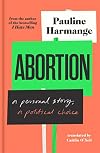
J'ai avorté et je vais bien merci 1 was one of the few books the author could draw on for her research into the account she felt compelled to write of her own abortion. I had an abortion, and I'm fine, thank you. That title definitely sums up my experience with abortion, and eventually also with the author’s, for the simple and maybe obvious reason that it was her body that went through the whole experience, while my body was only part of the initial cause of the experience and was on the show more periphery after my sperm met my sexual partner’s egg. The point being that while there are many people out there with abortion stories, sharing them is still taboo for the vast majority of people. And the author makes a great case that they need to be shared in order to normalize this important aspect of women’s health and family planning.
I would love to quote some of the more salient passages in the book but I reviewed an Advanced Reading Copy, so I can’t quote until the book is officially published in May 2023.
The author, a citizen of France, makes a point of stating that her abortion made total sense as her partner and she wanted children at some point in the undetermined future but that they were not financially stable enough nor were they ready from a relationship point of view. Isn’t that what the “planning” in family planning means? But she was one of the very small percentage of women that get pregnant on the form of birth control she was on. There was never really a debate as to what they needed to do as they weren’t even sure they could feed themselves. But all those things didn’t make the experience any easier for her physically and emotionally. Even in egalitarian countries like France with progressive laws about women’s reproductive health, there is still a taboo and shame involved in having abortions and especially in talking about them. That prevents healing from this event that 1 in 4 women go through before they are 45, whether they are open about it or not, whether it was a legal procedure or not. The author believes we need community that breaks through that reticence through connection.
Another important point she makes is that people without wombs need to get out of the way. Definitely people without wombs shouldn’t be making the legislative decisions about the reproductive rights of people with wombs (I like to say “womban/womben” = womb + human/humans!). And unless they are partnered with the person that is pregnant in some meaningful way, they deserve no say in the pregnant person’s right to choose abortion. She’s much more nuanced in her analysis of the issues and of her own experience than I am in my writing. If you are interested in this topic from whatever angle, you should definitely add this book to your reading list.
J'ai avorté et je vais bien merci certainly applies to my experience with abortion 40 years ago. I’ve always loved kids and was a regular babysitter in the squadrons I grew up in as a Navy brat. But when a casual sex partner (aka expected one-night stand) became pregnant while I was still getting my undergraduate degree in Engineering, abortion was my personal preference in accordance with the nascent and nebulous family plan I had in my head. You know, get my degree, get a good job, find the dream partner, then have my baby girl…But that plan was a non-womb-having partner’s plan. So despite my preference, I talked through all the options they were considering; all but abortion having the potential to seriously disrupt both of our education plans and entire lives, probably very negatively, and probably forever. I was relieved that she also decided fairly quickly that an abortion was the best for her life too. Although my memory of even tumultuous events is sketchy four decades on, we were lucky that abortion was legal, safely available in a local (Planned Parenthood?) clinic even in Salt Lake City. We went together, and since I was the less starving out-of-state student, I paid. We checked in a couple of times with each other in the following weeks and then went our separate ways and about our lives, like we would have after the first night if biology didn’t interrupt.
I obviously don’t know if she looks back and is fine, and reading Harmange’s book makes me think there were probably a lot of thoughts and feelings and physical effects in her experience of the same event that I was not privy to because of my casual sex partner status. But I hope she also looks back with no regret and is fine, thank you. And has gone on to have children if that’s what she was into.
I went on to get my three degrees, get my job, fall in love, have another accidental pregnancy too early in that loving relationship that resulted in my wonderful daughter, and later a son as well. Both of whom I cherish. Because while it wasn’t perfect, it was (mostly) planned and doable in the way I envisioned having my kids. And having family planning and reproductive freedom that includes abortion allowed that. Thank you to all those who fought, and continue to fight, for this right. Thank you Pauline Harmange for writing this book. And dudes, there is no room for you in the womb.
1 J'ai avorté et je vais bien merci, edited by La Ville Brûle in 2012. [Out of print in France and probably never translated into English] show less
I would love to quote some of the more salient passages in the book but I reviewed an Advanced Reading Copy, so I can’t quote until the book is officially published in May 2023.
The author, a citizen of France, makes a point of stating that her abortion made total sense as her partner and she wanted children at some point in the undetermined future but that they were not financially stable enough nor were they ready from a relationship point of view. Isn’t that what the “planning” in family planning means? But she was one of the very small percentage of women that get pregnant on the form of birth control she was on. There was never really a debate as to what they needed to do as they weren’t even sure they could feed themselves. But all those things didn’t make the experience any easier for her physically and emotionally. Even in egalitarian countries like France with progressive laws about women’s reproductive health, there is still a taboo and shame involved in having abortions and especially in talking about them. That prevents healing from this event that 1 in 4 women go through before they are 45, whether they are open about it or not, whether it was a legal procedure or not. The author believes we need community that breaks through that reticence through connection.
Another important point she makes is that people without wombs need to get out of the way. Definitely people without wombs shouldn’t be making the legislative decisions about the reproductive rights of people with wombs (I like to say “womban/womben” = womb + human/humans!). And unless they are partnered with the person that is pregnant in some meaningful way, they deserve no say in the pregnant person’s right to choose abortion. She’s much more nuanced in her analysis of the issues and of her own experience than I am in my writing. If you are interested in this topic from whatever angle, you should definitely add this book to your reading list.
J'ai avorté et je vais bien merci certainly applies to my experience with abortion 40 years ago. I’ve always loved kids and was a regular babysitter in the squadrons I grew up in as a Navy brat. But when a casual sex partner (aka expected one-night stand) became pregnant while I was still getting my undergraduate degree in Engineering, abortion was my personal preference in accordance with the nascent and nebulous family plan I had in my head. You know, get my degree, get a good job, find the dream partner, then have my baby girl…But that plan was a non-womb-having partner’s plan. So despite my preference, I talked through all the options they were considering; all but abortion having the potential to seriously disrupt both of our education plans and entire lives, probably very negatively, and probably forever. I was relieved that she also decided fairly quickly that an abortion was the best for her life too. Although my memory of even tumultuous events is sketchy four decades on, we were lucky that abortion was legal, safely available in a local (Planned Parenthood?) clinic even in Salt Lake City. We went together, and since I was the less starving out-of-state student, I paid. We checked in a couple of times with each other in the following weeks and then went our separate ways and about our lives, like we would have after the first night if biology didn’t interrupt.
I obviously don’t know if she looks back and is fine, and reading Harmange’s book makes me think there were probably a lot of thoughts and feelings and physical effects in her experience of the same event that I was not privy to because of my casual sex partner status. But I hope she also looks back with no regret and is fine, thank you. And has gone on to have children if that’s what she was into.
I went on to get my three degrees, get my job, fall in love, have another accidental pregnancy too early in that loving relationship that resulted in my wonderful daughter, and later a son as well. Both of whom I cherish. Because while it wasn’t perfect, it was (mostly) planned and doable in the way I envisioned having my kids. And having family planning and reproductive freedom that includes abortion allowed that. Thank you to all those who fought, and continue to fight, for this right. Thank you Pauline Harmange for writing this book. And dudes, there is no room for you in the womb.
1 J'ai avorté et je vais bien merci, edited by La Ville Brûle in 2012. [Out of print in France and probably never translated into English] show less

Não se assustem com o título, esse livro de leitura rapidíssima é bem racional em seus argumentos de misandria, trata o ódio que todos nós sentimos com grande discernimento.
Apesar dela não adotar abertamente um viés psicanalítico, é mais ou menos por alí que Harmange segue. Nós estamos em constante alternância entre o ódio e o amor de nosso objeto de desejo desde que temos consciência do seio bom e mau quando ainda estamos mamando, esse sentimento vai nos perpassar pelo resto show more de nossas vidas, essa coisa de só ter sentimentos bons e dar a outra face, "o amor vai vencer o ódio" é falácia do cristianismo e a maior razão de manter as pessoas como reses dóceis.
O que a Harmange nos traz aqui é que sentirmos ódio dos homens é um sentimento absolutamente normal, um sentimento de que temos direito como vítimas de opressão patriarcal, sem esse ódio não haveria conquistas de direitos nem pra mulheres, nem pra negros, nem para LGBTQIAs, misandria contra o homem branco heterossexual é o que faz o sistema civilizatório evoluir, misandria é uma reação do oprimido contra o opressor.
Misandria é muito diferente de misoginia, tal como racismo é diferente de movimento black power e LGBTQIAfobia é diferente de Pride/Orgulho. Uma mulher misandrica luta pelos direitos de existir lado a lado ao homem enfrentando seu poder sociopolítico, enquanto um homem misógino a agride e a mata.
Sem ódio não há revolução, seja de classe, raça ou gênero. Cultive o seu ódio. show less
Apesar dela não adotar abertamente um viés psicanalítico, é mais ou menos por alí que Harmange segue. Nós estamos em constante alternância entre o ódio e o amor de nosso objeto de desejo desde que temos consciência do seio bom e mau quando ainda estamos mamando, esse sentimento vai nos perpassar pelo resto show more de nossas vidas, essa coisa de só ter sentimentos bons e dar a outra face, "o amor vai vencer o ódio" é falácia do cristianismo e a maior razão de manter as pessoas como reses dóceis.
O que a Harmange nos traz aqui é que sentirmos ódio dos homens é um sentimento absolutamente normal, um sentimento de que temos direito como vítimas de opressão patriarcal, sem esse ódio não haveria conquistas de direitos nem pra mulheres, nem pra negros, nem para LGBTQIAs, misandria contra o homem branco heterossexual é o que faz o sistema civilizatório evoluir, misandria é uma reação do oprimido contra o opressor.
Misandria é muito diferente de misoginia, tal como racismo é diferente de movimento black power e LGBTQIAfobia é diferente de Pride/Orgulho. Uma mulher misandrica luta pelos direitos de existir lado a lado ao homem enfrentando seu poder sociopolítico, enquanto um homem misógino a agride e a mata.
Sem ódio não há revolução, seja de classe, raça ou gênero. Cultive o seu ódio. show less
I Hate Men: More than a banned book, the must-read on feminism, sexism and the patriarchy for every woman by Pauline Harmange
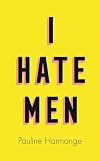
While I enjoyed reading this book, the idea of misandry and hatred being written as a way to push the feminist movement forward seems, for the lack of a better word, “dumb” to me.
There’s a reason why hatred has never helped make any situation better.
While hatred is an emotion that is completely normal and in this case, justified. Trying to encourage and embed it into the roots of a movement that fights against oppression and violence is sort of ironical.
The author does put forward show more some interesting thoughts about heterosexual relationships and also women staying single, but there’s nothing that’s really groundbreaking in the book except for the discussion on misandry.
But it was a short read and I’m glad to have been through a book that has caused such a stir.
I’d recommend “The Will to Change: Men, Masculinity and Love by Bell Hooks”, which is my current read to people who are trying to find a book which discusses the effect of patriarchy on men and how they are indeed essential in the fight for equality. This is NOT a book that JUSTIFIES men’s oppression but rather takes a deep look at it and tries to have healthy discussions on it. show less
There’s a reason why hatred has never helped make any situation better.
While hatred is an emotion that is completely normal and in this case, justified. Trying to encourage and embed it into the roots of a movement that fights against oppression and violence is sort of ironical.
The author does put forward show more some interesting thoughts about heterosexual relationships and also women staying single, but there’s nothing that’s really groundbreaking in the book except for the discussion on misandry.
But it was a short read and I’m glad to have been through a book that has caused such a stir.
I’d recommend “The Will to Change: Men, Masculinity and Love by Bell Hooks”, which is my current read to people who are trying to find a book which discusses the effect of patriarchy on men and how they are indeed essential in the fight for equality. This is NOT a book that JUSTIFIES men’s oppression but rather takes a deep look at it and tries to have healthy discussions on it. show less
I Hate Men: More than a banned book, the must-read on feminism, sexism and the patriarchy for every woman by Pauline Harmange
This was a great little essay that's not about hating men, per se, but more about hating what men can represent. I feel everyone should read this, men and women alike, just to get an idea of what others might be thinking. It was a quick read, completed on a flight from Dallas to Detroit, with time for naps and drinks - easily under two hours.
Lists
Awards

You May Also Like
Associated Authors
Statistics
- Works
- 12
- Members
- 234
- Popularity
- #96,590
- Rating
- 3.5
- Reviews
- 14
- ISBNs
- 29
- Languages
- 8