
Tim Clarkson
Author of The Picts: A History
About the Author
Tim Clarkson is an independent researcher and historian who previously worked in academic librarianship. He gained an MPhil in archaeology and a PhD in medieval history, both from the University of Manchester. His other books include The Men of the North and Strathclyde and the Anglo-Saxons in the show more Viking Age. show less
Works by Tim Clarkson
Tagged
Common Knowledge
- Birthdate
- 20th Century
- Gender
- male
- Nationality
- UK
- Associated Place (for map)
- UK
Members
Reviews
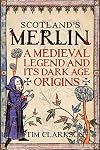
If I had to name five of the most enduring male characters of medieval literature, they would be Robin Hood, King Arthur, Beowulf, Lancelot and Merlin. The name and final form of Merlin was formed from various sources by Geoffrey of Monmouth, author of "The History of the Kings of Britain" and "The Life of Merlin." Yet the Merlin that we all know and love - the witty shapeshifting trickster - is largely thanks to Robert de Boron's "Merlin." Both were written at the end of the 12th c. and it show more speaks to Monmouth's popularity that Merlin made across the Channel into the French chivalric canon. But if Monmouth was building on a character that already existed, how far back does Merlin go?
Clarkson uses the 6th c. Scottish madman Lailoken and his Welsh equivalent, Myrddin Wyllt, as his jumping off point. Clarkson then expands his subject further and further outwards, in an attempt to link the two to Scottish rather than English origins. Problem is, it reads like a research paper that was forced to become a book. It starts out strong, and then the information becomes only tangentially related. I hesitate to call it "filler," but consequently Merlin is neglected in other ways. For example, Clarkson is adamant that paganism was eliminated by the Dark Ages - that Merlin was solidly Christian - yet attempts to use pre-Christian evidence to discover Merlin's origin. There are valid points, to be sure, but Clarkson doesn't explore these enough before moving on.
Even though I have to give this one a 3 ⭐, I still recommend it because it is a valuable resource. The research is sound and is not easily Googled, and for any medievalist looking for a place to start, Clarkson does the hard work for you. For an independent researcher like Clarkson it's an admirable effort, and I'm inclined to endorse a Scottish Merlin! show less
Clarkson uses the 6th c. Scottish madman Lailoken and his Welsh equivalent, Myrddin Wyllt, as his jumping off point. Clarkson then expands his subject further and further outwards, in an attempt to link the two to Scottish rather than English origins. Problem is, it reads like a research paper that was forced to become a book. It starts out strong, and then the information becomes only tangentially related. I hesitate to call it "filler," but consequently Merlin is neglected in other ways. For example, Clarkson is adamant that paganism was eliminated by the Dark Ages - that Merlin was solidly Christian - yet attempts to use pre-Christian evidence to discover Merlin's origin. There are valid points, to be sure, but Clarkson doesn't explore these enough before moving on.
Even though I have to give this one a 3 ⭐, I still recommend it because it is a valuable resource. The research is sound and is not easily Googled, and for any medievalist looking for a place to start, Clarkson does the hard work for you. For an independent researcher like Clarkson it's an admirable effort, and I'm inclined to endorse a Scottish Merlin! show less
The author was stretching his material in order warrant a book. It got repetitive and wandering. But the premise and evidence seems reasonably sound.
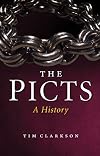
This is a good, but not a great history of the Picts. It's not necessarily the author's fault; he provides a fairly comprehensive listing of known facts and informed speculation, but there just isn't much known about the Picts. I would have liked a chapter on DNA that's been identified as Pictish and what it means to what we might know about them.
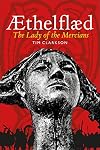
This book is mis-titled. It's the story of the germanic tribes who became the Anglo-Saxons of Mercia and Wessex in the early medieval period - basically a re-telling of the various versions of the Anglo-Saxon Chronicles covering the south and midlands of Britain. Aethelflaed does get a mention here and there but nothing more than could be gleaned from the Chronicles and with no extra analysis of what it might mean to be a female leader of the period. Disappointing.
Lists
You May Also Like


Statistics
- Works
- 8
- Members
- 470
- Popularity
- #52,370
- Rating
- 4.1
- Reviews
- 5
- ISBNs
- 27