
Ash Davidson
Author of Damnation Spring
Works by Ash Davidson
Tagged
Common Knowledge
- Birthplace
- Arcata, California
- Associated Place (for map)
- Arcata, California
Members
Reviews
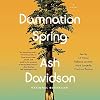
First, read this:
There isn't a lot to argue with in this novel. The positions are made clear as glass, the townsfolk of the story are innocent of any wrongdoing except not wanting change and the corporate interests are extracting value from the land, the timber, and the people with no slightest regard for the costs.
This ain't rocket science. You know whose side you're on from the jump.
What price innocence...the townies aren't idiots, it's clear that their corporate masters pay them pittances to do dangerous jobs. They love those jobs, they love the life it affords them. So why the hell should they bitch if someone else lives fancier than they do? Ain't like they'd want to live like those folks do, even if they had all the money those folks have. So keep the trees fallin' and the pennies rollin' in.
The personal costs? Well, omelets ain't ever come out of whole eggs, have they. That's the way life is. Except...when you step in front of a woman who wants kids, you'd better be *well*armored*indeed*. Colleen wants babies. She's miscarried eight times! Her sister's had healthy ones, and with a man you'd have to be kind to describe as "grossly unfit." It clearly ain't her body....
And here's my problem: The pace of the novel is, to put it politely, magisterial. The language is limpidly clear, if a bit less than inspiringly lyrical. But the gender politics are awful. The conflict between husband and wife over her screaming NEED to mother a brood, her apostasy to community values (and with a man she has a history with! that gets what feels to me like a pretty insignificant amount of play) because her uterus hasn't popped out healthy babies, squicked me out. I hate it when women in stories play the Mother Card and get away with amazingly nasty shit (see my outraged shout about Gone Girl), unlike Colleen. But basically I don't care about Motherhood. It isn't necessary for you to reproduce yourselves, straight people, the planet's already working itself into a fever to get rid of us. So using it, as Author Davidson does here, as a reason for Colleen to do something that (objectively) is good but will end the way of life these people want to live, shouldn't be framed as "she did it for her babies to be born."
Listen, I don't think what mega-corporations do to the world is laudable, and they do it for the vilest, most selfish reasons. I'm right there with you on the "make it stop" front. But don't play "Sacred Motherhood" on your cards or you'll lose any serious argument for them to be held accountable. NOT being a mother is the responsible choice for all women. The only people who are carryin' on about having more babies are the white supremacists, and we need a lot fewer of them stat.
On balance, three stars was what I could muster, and I felt pretty questionable about that last half-star. The book's set in 1977. We already knew the cost of overpopulation then. The "Zero Population Growth" movement was organized in 1968. It's still a damned good idea. But Sacred Motherhood is used as a primary motivator to positive action in this story, and that sits wrong with me.
The ending wasn't particularly satisfying, after all we've been through; but there not being anything dramatically wrong with the structure or the writing (apart from there being too much of it) I couldn't bring myself to downgrade it. But it wasn't an easy decision. Three...that is, on Amazon's debased scale, a bad rating. I think it's a perfectly fine rating, a perfectly fine read got a perfectly fine rating, and I didn't beat it up beyond its just deserts. That will have to do. show less
"Ask any of these guys. You won’t find a guy that loves the woods more than a logger. You scratch a logger, you better believe you’ll find an ‘enviro-mentalist’ underneath. But the difference between us and these people is we live here. We hunt. We fish. We camp out. They’ll go back where they came from, but we’ll wake up right here tomorrow. This is home. Timber puts food on our tables, clothes on our kids’ backs. You know, a redwood tree is a hard thing toshow more
kill. You cut it down, it sends up a shoot. Even fire doesn’t kill it. Those big pumpkins up in the grove, they’re old. Ready to keel over and rot. You might as well set a pile of money on fire and make us watch."
–and–
“The real timber’s gone,” Lark said. “What’s left, ten percent, including the parks? Two thousand years to grow a forest, a hundred years to fall it. No plague like man.”
There isn't a lot to argue with in this novel. The positions are made clear as glass, the townsfolk of the story are innocent of any wrongdoing except not wanting change and the corporate interests are extracting value from the land, the timber, and the people with no slightest regard for the costs.
This ain't rocket science. You know whose side you're on from the jump.
What price innocence...the townies aren't idiots, it's clear that their corporate masters pay them pittances to do dangerous jobs. They love those jobs, they love the life it affords them. So why the hell should they bitch if someone else lives fancier than they do? Ain't like they'd want to live like those folks do, even if they had all the money those folks have. So keep the trees fallin' and the pennies rollin' in.
The personal costs? Well, omelets ain't ever come out of whole eggs, have they. That's the way life is. Except...when you step in front of a woman who wants kids, you'd better be *well*armored*indeed*. Colleen wants babies. She's miscarried eight times! Her sister's had healthy ones, and with a man you'd have to be kind to describe as "grossly unfit." It clearly ain't her body....
And here's my problem: The pace of the novel is, to put it politely, magisterial. The language is limpidly clear, if a bit less than inspiringly lyrical. But the gender politics are awful. The conflict between husband and wife over her screaming NEED to mother a brood, her apostasy to community values (and with a man she has a history with! that gets what feels to me like a pretty insignificant amount of play) because her uterus hasn't popped out healthy babies, squicked me out. I hate it when women in stories play the Mother Card and get away with amazingly nasty shit (see my outraged shout about Gone Girl), unlike Colleen. But basically I don't care about Motherhood. It isn't necessary for you to reproduce yourselves, straight people, the planet's already working itself into a fever to get rid of us. So using it, as Author Davidson does here, as a reason for Colleen to do something that (objectively) is good but will end the way of life these people want to live, shouldn't be framed as "she did it for her babies to be born."
Listen, I don't think what mega-corporations do to the world is laudable, and they do it for the vilest, most selfish reasons. I'm right there with you on the "make it stop" front. But don't play "Sacred Motherhood" on your cards or you'll lose any serious argument for them to be held accountable. NOT being a mother is the responsible choice for all women. The only people who are carryin' on about having more babies are the white supremacists, and we need a lot fewer of them stat.
On balance, three stars was what I could muster, and I felt pretty questionable about that last half-star. The book's set in 1977. We already knew the cost of overpopulation then. The "Zero Population Growth" movement was organized in 1968. It's still a damned good idea. But Sacred Motherhood is used as a primary motivator to positive action in this story, and that sits wrong with me.
The ending wasn't particularly satisfying, after all we've been through; but there not being anything dramatically wrong with the structure or the writing (apart from there being too much of it) I couldn't bring myself to downgrade it. But it wasn't an easy decision. Three...that is, on Amazon's debased scale, a bad rating. I think it's a perfectly fine rating, a perfectly fine read got a perfectly fine rating, and I didn't beat it up beyond its just deserts. That will have to do. show less
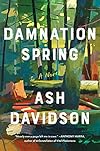
Davidson's debut novel is an ambitious family drama centered in a 1970s northern California logging community. The logging community is on the brink of collapse both because of conservationists who want to preserve the giant redwoods that are being cut down and also because they themselves are being poisoned by the spray used to make logging possible. This second issue is dwelt on more in the book because it is a double-edged sword. The community begins to realize that the spray that they show more were told is harmless to all but the thick weeds and brush that it kills is actually causing cancer, birth defects, and miscarriages. Unfortunately, they also see the poison as essential to their way of life and work as loggers. The community is at dangerous odds over whether or not to believe in the evidence that is right before their eyes.
To explore the environmental issues and the collapse of a way of life, Ash Davidson creates a cast of deeply-drawn characters. Families and friends who have been drawn together for generations in their small community react to each other and the issues at hand in wildly different ways, but all in believable ways. Rich is a 4th generation logger married to Colleen. They are struggling after Colleen has had 8 miscarriages and only one successful birth - their son Chub. Her gradual belief that their water is poisoning them creates danger for their family and a rift in their community.
I think this is an impressive debut novel. At the beginning, I was put off a bit by the harsh way of life and ultra-male logging community, but the book expands as it goes to include other points of view. The characters are so memorable, and I found myself not wanting to put the book down. It's the kind of book where you long for a happy ending and can't be sure til the very end if you'll get it (I won't spoil whether or not you do).
I don't think this book is perfectly executed, but overall I really loved it and definitely recommend it.
Another author that I'll now be following! show less
To explore the environmental issues and the collapse of a way of life, Ash Davidson creates a cast of deeply-drawn characters. Families and friends who have been drawn together for generations in their small community react to each other and the issues at hand in wildly different ways, but all in believable ways. Rich is a 4th generation logger married to Colleen. They are struggling after Colleen has had 8 miscarriages and only one successful birth - their son Chub. Her gradual belief that their water is poisoning them creates danger for their family and a rift in their community.
I think this is an impressive debut novel. At the beginning, I was put off a bit by the harsh way of life and ultra-male logging community, but the book expands as it goes to include other points of view. The characters are so memorable, and I found myself not wanting to put the book down. It's the kind of book where you long for a happy ending and can't be sure til the very end if you'll get it (I won't spoil whether or not you do).
I don't think this book is perfectly executed, but overall I really loved it and definitely recommend it.
Another author that I'll now be following! show less
This emotionally wrenching story is set in the late 1970s in northern California. Rich Gundersen, 53, his younger wife Colleen, 34, and one kindergarten-aged son they call Chub live in Damnation Grove, the site of ancient redwoods being harvested for lumber by Rich’s employer, Sanderson Timber Company.
The company has used herbicides for decades to keep the brush down in the land surrounding the redwoods, making it faster and cheaper to log. But mudslides over the clearcut areas are show more increasing in frequency and danger; the salmon are dying off in the creeks; animals are marked by deformities; and worst of all, women have been suffering a series of miscarriages and births of deformed babies. But the residents are reluctant - resistant even - to blame the herbicides, which are deemed necessary for them to make their livings.
Rich checks in regularly on Cornelius Larkin, called Lark, who was Rich’s father’s best friend. Lark had sawed the branch that clubbed Rich’s father dead after he had just turned thirty. It was, Rich said, no one’s fault but the wind’s, but still Lark carried guilt for it, and tried to be for Rich the father Rich no longer had. Lark suffers in other ways: in a logging accident that didn’t seem like such an “accident,” he had sustained breaks in his back, neck, and both hips. Lark was sure someone had severed the rope’s steel core enough to allow him to climb forty feet before it snapped. Prior to the incident he had committed the “crime” of “talking about not cutting faster than it could grow back - sustained yield before there was a name for it.” His boss Virgil Sanderson didn’t take to it kindly, calling him a communist. And then Lark’s injury happened.
Now Sanderson Timber is run by Merle Sanderson, who, like others in the area, is doing a job handed down through the generations.
Rich dreamed of the day “he’d never have to work another day for Merle Sanderson, as he had for Virgil Sanderson before him, as Rich’s father had worked for George and his granddad for Victor, all the way back for as long as men had felled redwoods.”
But he loves the redwoods, and in particular has always wanted to own some unclaimed acres of them called the 24-7 Ridge, after the redwood that dominates it. The 24-7 got its name when it was twenty-four feet, seven inches in diameter, but now it is 28-5, and three hundred seventy feet high. Rich has circled that tree every morning for the last thirty-five years, trying to figure out a way to buy that area. When the opportunity finally comes, he jumps on it, without telling Colleen; he knew she would be upset over depleting their savings and incurring more debt.
That summer in 1977, when the story begins, Rich and Colleen had barely interacted for six months. Colleen had lost another baby, miscarrying at five months. She had lost eight babies - all except for Chub, but this one made it so far along, and she was devastated. Rich was afraid of making her go through that again, so he avoided her. She blamed herself for doing something wrong that must have caused all the miscarriages.
Rich wouldn't even talk to her about it, but her old boyfriend would. Daniel Bywater, a member of the Yurok tribe and now studying water quality, had come back to the area to test for contaminant levels.
Daniel finds out that the herbicides Sanderson sprays contain the same ingredients as Agent Orange, and they’re contaminated with TCDD and Dioxin - toxic not just for plants, but for animals and people. Daniel told Colleen, “They started spraying them in the fifties, all this time they’ve been bioaccumulating.” “Building up in the fish, in the deer, you eat the deer. . . . It runs off into the water. Whatever they spray ends up right there in your coffee mug. . . . It’s nasty stuff. We’re talking birth defects, cancers.”
Loggers and their families were supposed to evince loyalty to Sanderson, and shun the hippies who came from Arcata to protest logging, as well as people like Daniel, who, as they saw it, was one of those Native Americans just trying to stir up trouble. But Colleen, hurting so much from her losses, gave Daniel information not only about her own miscarriages but about the frequent cases of abnormalities in babies born in the area over the last six years that she saw in her work as a midwife. She also, at Daniel’s request, secretly collected and labeled their water in jars and gave them to Daniel to analyze.
Rich was upset when he found out, but Colleen countered: “What if all the babies she’d lost, what if it wasn’t anything she’d done wrong?" Rich, in perhaps the most poignant passage in the book, responded: “That stuff is approved by the government. Why would they approve something if it wasn’t safe?”
Chapters narrated by Rich, Colleen, and Chub present the differing points of views and nature of the conflicts roiling the area. In this way, we also get to know the family of Colleen’s younger sister Enid, married to another logger, Eugene. Eugene is as self-serving and amoral as Merle, and his actions threaten the lives and livelihoods of everyone in the grove.
Tensions come to a head as the novel draws to a close, and readers sense tragedy is on the horizon. But the possibility for it comes from so many directions, it’s hard to predict which will be the one to break their hearts, and yours, as the story ends.
Evaluation: Davidson brings the logging industry, its workers, and idiosyncratic customs to life so thoroughly I felt as if I were watching a movie rather than reading a book. The author helps you see everything as if you were there. You also come to grasp both the appeal of a close-knit community that all works together, and the horror of it when you dare to break the rules. This is an outstanding book, but one that will gut you in the end. show less
The company has used herbicides for decades to keep the brush down in the land surrounding the redwoods, making it faster and cheaper to log. But mudslides over the clearcut areas are show more increasing in frequency and danger; the salmon are dying off in the creeks; animals are marked by deformities; and worst of all, women have been suffering a series of miscarriages and births of deformed babies. But the residents are reluctant - resistant even - to blame the herbicides, which are deemed necessary for them to make their livings.
Rich checks in regularly on Cornelius Larkin, called Lark, who was Rich’s father’s best friend. Lark had sawed the branch that clubbed Rich’s father dead after he had just turned thirty. It was, Rich said, no one’s fault but the wind’s, but still Lark carried guilt for it, and tried to be for Rich the father Rich no longer had. Lark suffers in other ways: in a logging accident that didn’t seem like such an “accident,” he had sustained breaks in his back, neck, and both hips. Lark was sure someone had severed the rope’s steel core enough to allow him to climb forty feet before it snapped. Prior to the incident he had committed the “crime” of “talking about not cutting faster than it could grow back - sustained yield before there was a name for it.” His boss Virgil Sanderson didn’t take to it kindly, calling him a communist. And then Lark’s injury happened.
Now Sanderson Timber is run by Merle Sanderson, who, like others in the area, is doing a job handed down through the generations.
Rich dreamed of the day “he’d never have to work another day for Merle Sanderson, as he had for Virgil Sanderson before him, as Rich’s father had worked for George and his granddad for Victor, all the way back for as long as men had felled redwoods.”
But he loves the redwoods, and in particular has always wanted to own some unclaimed acres of them called the 24-7 Ridge, after the redwood that dominates it. The 24-7 got its name when it was twenty-four feet, seven inches in diameter, but now it is 28-5, and three hundred seventy feet high. Rich has circled that tree every morning for the last thirty-five years, trying to figure out a way to buy that area. When the opportunity finally comes, he jumps on it, without telling Colleen; he knew she would be upset over depleting their savings and incurring more debt.
That summer in 1977, when the story begins, Rich and Colleen had barely interacted for six months. Colleen had lost another baby, miscarrying at five months. She had lost eight babies - all except for Chub, but this one made it so far along, and she was devastated. Rich was afraid of making her go through that again, so he avoided her. She blamed herself for doing something wrong that must have caused all the miscarriages.
Rich wouldn't even talk to her about it, but her old boyfriend would. Daniel Bywater, a member of the Yurok tribe and now studying water quality, had come back to the area to test for contaminant levels.
Daniel finds out that the herbicides Sanderson sprays contain the same ingredients as Agent Orange, and they’re contaminated with TCDD and Dioxin - toxic not just for plants, but for animals and people. Daniel told Colleen, “They started spraying them in the fifties, all this time they’ve been bioaccumulating.” “Building up in the fish, in the deer, you eat the deer. . . . It runs off into the water. Whatever they spray ends up right there in your coffee mug. . . . It’s nasty stuff. We’re talking birth defects, cancers.”
Loggers and their families were supposed to evince loyalty to Sanderson, and shun the hippies who came from Arcata to protest logging, as well as people like Daniel, who, as they saw it, was one of those Native Americans just trying to stir up trouble. But Colleen, hurting so much from her losses, gave Daniel information not only about her own miscarriages but about the frequent cases of abnormalities in babies born in the area over the last six years that she saw in her work as a midwife. She also, at Daniel’s request, secretly collected and labeled their water in jars and gave them to Daniel to analyze.
Rich was upset when he found out, but Colleen countered: “What if all the babies she’d lost, what if it wasn’t anything she’d done wrong?" Rich, in perhaps the most poignant passage in the book, responded: “That stuff is approved by the government. Why would they approve something if it wasn’t safe?”
Chapters narrated by Rich, Colleen, and Chub present the differing points of views and nature of the conflicts roiling the area. In this way, we also get to know the family of Colleen’s younger sister Enid, married to another logger, Eugene. Eugene is as self-serving and amoral as Merle, and his actions threaten the lives and livelihoods of everyone in the grove.
Tensions come to a head as the novel draws to a close, and readers sense tragedy is on the horizon. But the possibility for it comes from so many directions, it’s hard to predict which will be the one to break their hearts, and yours, as the story ends.
Evaluation: Davidson brings the logging industry, its workers, and idiosyncratic customs to life so thoroughly I felt as if I were watching a movie rather than reading a book. The author helps you see everything as if you were there. You also come to grasp both the appeal of a close-knit community that all works together, and the horror of it when you dare to break the rules. This is an outstanding book, but one that will gut you in the end. show less

I would summarize this as the radicalization of a compliant poor white woman caught up in an impending economic and (literally) landscape collapse.
A very engaging novel that allowed me to relate it's theme about the consequences of extractive industries and herbicide use to my very much different midwestern experience of family farmers caught in ever increasing chemical use just trying to make a living while competing with mega-farms who have no regard for anything other than profit. Since show more my own youngest child was born with birth defects which could be due to local use of herbicides, I'm aware of how hard it is to counter the presumption of safety "they wouldn't sell it if it wasn't safe". And I still hear of neighbors wanting to spray our roadside "weeds" even while they themselves are undergoing cancer treatments.
And yet.... how can a rural family make a living that allows them to maintain their ties with nature when logging is the only industry around? The men have only learned one marketable skill, and they are very good at it. We can empathize with the love Rich has for the trees he lives and works among, the local wisdom he has about the creeks.
For some reason, my mind kept snagging on her depiction of her son: she treated him like a toddler yet he just began kindergarten. And I had a hard time understanding why the family spent so much time with her brother-in-law, who was one of the more toxic men in the area.
Heard as an audiobook, some details may be misremembered. show less
A very engaging novel that allowed me to relate it's theme about the consequences of extractive industries and herbicide use to my very much different midwestern experience of family farmers caught in ever increasing chemical use just trying to make a living while competing with mega-farms who have no regard for anything other than profit. Since show more my own youngest child was born with birth defects which could be due to local use of herbicides, I'm aware of how hard it is to counter the presumption of safety "they wouldn't sell it if it wasn't safe". And I still hear of neighbors wanting to spray our roadside "weeds" even while they themselves are undergoing cancer treatments.
And yet.... how can a rural family make a living that allows them to maintain their ties with nature when logging is the only industry around? The men have only learned one marketable skill, and they are very good at it. We can empathize with the love Rich has for the trees he lives and works among, the local wisdom he has about the creeks.
For some reason, my mind kept snagging on her depiction of her son: she treated him like a toddler yet he just began kindergarten. And I had a hard time understanding why the family spent so much time with her brother-in-law, who was one of the more toxic men in the area.
Heard as an audiobook, some details may be misremembered. show less
Lists
Awards


You May Also Like


Statistics
- Works
- 1
- Members
- 678
- Popularity
- #37,271
- Rating
- 4.1
- Reviews
- 31
- ISBNs
- 11
- Languages
- 1
