
Chris Wraight
Author of Scars
About the Author
Image credit: Chris Wraight
Series
Works by Chris Wraight
Sanctioner 3 copies
The Judgement of Crows 3 copies
The Helwinter Gate Special Edition Space Wolves Deluxe Box Set Signed Hardcover Book Dice Bookmark (2020) 2 copies
Premonition 2 copies
Wolf King 1 copy
The Realmgate Wars: Volume 1 1 copy
Associated Works
Killbox + Other Stories — Contributor — 2 copies
Tagged
Common Knowledge
- Birthdate
- 1976
- Gender
- male
- Occupations
- writer
teacher - Nationality
- UK
- Places of residence
- Oxford, Oxfordshire, England, UK
Bradford-on-Avon, Wiltshire, England, UK - Associated Place (for map)
- England, UK
Members
Reviews
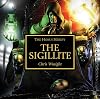
I remember being really unimpressed with this when I came out, possibly too naively focused on the cover Lost Legion marked skulls on Malcolm Dumbledore's throne that never come up (I remember falling for the April Fool's Black Library did of Dan Abnett doing a novel about the Lost Legions...what a sweet summer child I was), and I was feeling very similar about the rather bland Imperial Army Black Ops stuff, but Shitty Sidious was dropping some fascinating nuggets from his jackal maw. show more Strangely forward commentary on the Emperor, including criticism, hints towards work they undertook together and differences between design and actuality, and more.
I still don't understand how the actions taken by the Horus Heresy's version of Mason made the Sigillite take notice of him. But it's the least interesting thing about this story.
There is something electric that genuinely got under my skin about the way Chris Wraight writes and Toby Longworth perfomz Malcador. It's incredible and actually gave me goosebumps. Listening to this when I came out and how much more (relatively) affable he presents himself was why I was taken aback by him being the worst in the proto-Grey Knights and Inquisition stories, where I came to know and love to hate him.
The hints and reveals mentioned so casually only get more wild as they venture underground with some things I absolutely must have missed. I know. I shouldn't be so baby having car keys dangled at her, but the lore and the references are obscenely tasty and at least seem organic. I always enjoy the links to Terran and our Earth history and this includes the strongest, most apropos connections, truly threading the mythological needle. There are few answers, some suggests, and so many more questions not be be (fictionally) factually answered because lore is cool, but endless possibilities and speculation on the edges of deep lore is better.
Truly hitting me in the feels with Malcador revealing himself a custodian of culture and his naive, but earnest and good driving forces, buried deeper than the foundations of the Imperial Palace that drive him to be the utter bastard he is. He talks about hope and is described as an "old man worn out by an eternity of service stumbling into the dark". How dare you make me feel things for Malcador Mr. Wraight! You absolute madlad.
I really found myself collapsing into myself considering the epochs the Emperor and others have been alive and how Dr. Manhattan it has made them. Obsession and fear slowly eroding their souls until there is nothing left but a brutal dedication to survival no matter the means or cost. This level of understanding without any actual excusing bring conveyed is truly exquisite. Wraight is fucking knocking it out of the park.
The doors and the Emperor's work raises so many fascinating questions. Who and/ or what is actually responsible for the area behind the doors. The efforts happening now should be acknowledged, but the most obvious idea to me would lay some blame upon the Emperor, or at least tied to him and/ or who/ or whatever he was before.
To be clear, everyone involved in the Imperium is doing evil, regardless of intentions, but those in power who created this machine, equally regardless of intentions, have become evil in the sense that cancer is evil. What I mean is I still fucking hate the worst Space Dad and Malevolent Merlin, but this context breaks my heart and I truly love that the lore of Warhammer 40K lead to stories with such power as this.
How I ever thought this was a bit shit blows my mind. What was I on? (a whole lot of constant C-PTSD conversion symptoms, depression, and severe anxiety, but, like, that's no excuse my gal).
This went from being remembered as one of the most average Warhammer stories I had heard to being up there with the best, as much as one can be for a huge lore dump and humanising monologue. Bloody brilliant! show less
I still don't understand how the actions taken by the Horus Heresy's version of Mason made the Sigillite take notice of him. But it's the least interesting thing about this story.
There is something electric that genuinely got under my skin about the way Chris Wraight writes and Toby Longworth perfomz Malcador. It's incredible and actually gave me goosebumps. Listening to this when I came out and how much more (relatively) affable he presents himself was why I was taken aback by him being the worst in the proto-Grey Knights and Inquisition stories, where I came to know and love to hate him.
The hints and reveals mentioned so casually only get more wild as they venture underground with some things I absolutely must have missed. I know. I shouldn't be so baby having car keys dangled at her, but the lore and the references are obscenely tasty and at least seem organic. I always enjoy the links to Terran and our Earth history and this includes the strongest, most apropos connections, truly threading the mythological needle. There are few answers, some suggests, and so many more questions not be be (fictionally) factually answered because lore is cool, but endless possibilities and speculation on the edges of deep lore is better.
Truly hitting me in the feels with Malcador revealing himself a custodian of culture and his naive, but earnest and good driving forces, buried deeper than the foundations of the Imperial Palace that drive him to be the utter bastard he is. He talks about hope and is described as an "old man worn out by an eternity of service stumbling into the dark". How dare you make me feel things for Malcador Mr. Wraight! You absolute madlad.
I really found myself collapsing into myself considering the epochs the Emperor and others have been alive and how Dr. Manhattan it has made them. Obsession and fear slowly eroding their souls until there is nothing left but a brutal dedication to survival no matter the means or cost. This level of understanding without any actual excusing bring conveyed is truly exquisite. Wraight is fucking knocking it out of the park.
The doors and the Emperor's work raises so many fascinating questions. Who and/ or what is actually responsible for the area behind the doors. The efforts happening now should be acknowledged, but the most obvious idea to me would lay some blame upon the Emperor, or at least tied to him and/ or who/ or whatever he was before.
To be clear, everyone involved in the Imperium is doing evil, regardless of intentions, but those in power who created this machine, equally regardless of intentions, have become evil in the sense that cancer is evil. What I mean is I still fucking hate the worst Space Dad and Malevolent Merlin, but this context breaks my heart and I truly love that the lore of Warhammer 40K lead to stories with such power as this.
How I ever thought this was a bit shit blows my mind. What was I on? (a whole lot of constant C-PTSD conversion symptoms, depression, and severe anxiety, but, like, that's no excuse my gal).
This went from being remembered as one of the most average Warhammer stories I had heard to being up there with the best, as much as one can be for a huge lore dump and humanising monologue. Bloody brilliant! show less
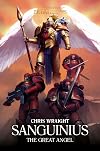
If there ever was a war novel set in the W40K universe then this is the one.
Told from the perspective of the remembrancer [who is more wired to become investigative-journalist-war-reporter than just awed boy allowed to walk amongst demigods (which would relate to majority of media in our times :))] we are presented with a rather unique portrait of one of the more mysterious and deadly Legions, Blood Angels.
Having been criticized for honest and brutal portrayal of Night Lords and World show more Eaters, their destructive approach to warfare and achieving compliance (terror, huge collateral damage if not outright genocide and extermination), our hero gets invited by non-other than Sanguinius to write a book/record about Blood Angels. What starts as enchantment with the Primarch evolves in gruesome and realistic picture of a legion, rather merciless warrior group, that does not shy from their purpose - utter obliteration of the enemy force, acting completely mercilessly once attack order is issued. What we are presented is not some mythical portrayal of Blood Angels as knights and heroes (which would be standard later W40K "propaganda") but very down to earth, honest portrayal of warriors, their private lives,as told by themselves and described by their allies from other Legions (Iacton Qruze was great :) he brought memories of grandad and uncle from Only Fools and Horses :) ). Slowly mystery surrounding their origins when they were known as Revenant Legion starts to surface. Portrayal of combat against Ylech and horrific killing grounds on aptly named world of Murder is one of the more realistic (as it can be done in SF setting) visual descriptions I ever read. Some reviewers say that makes this book slightly boring but for me it just showed how Adaptes Astartes, no matter how mighty and how advanced from core humanity they are, they are first and foremost soldiers, trained for a single purpose - relentlessly spreading the Human Empire's borders; warrior's life might be made of epic battles in W40K times but in majority of cases it is just going from one battlefield to another, surviving and giving one's best for the cause. As many history book or military memoir shows - days of mundane and everyday activity, training, preparing, constant drilling followed by few hours of utter mayhem of the battlefield and then cycle starts again.
Ending is somewhat depressive but that is as expected considering events post Horus Heresy. As author states it is easier to bury the truth than defend it, and new Imperial bureaucracy made the decision very early on what their approach will be.
It is story of the world and Legion saved by the Primarch, indirect presentation of Sanguinius himself. No other book shows that Primarchs are core, very heart of the Legion and Legion is extension of their Primarch.
Highly recommended. show less
Told from the perspective of the remembrancer [who is more wired to become investigative-journalist-war-reporter than just awed boy allowed to walk amongst demigods (which would relate to majority of media in our times :))] we are presented with a rather unique portrait of one of the more mysterious and deadly Legions, Blood Angels.
Having been criticized for honest and brutal portrayal of Night Lords and World show more Eaters, their destructive approach to warfare and achieving compliance (terror, huge collateral damage if not outright genocide and extermination), our hero gets invited by non-other than Sanguinius to write a book/record about Blood Angels. What starts as enchantment with the Primarch evolves in gruesome and realistic picture of a legion, rather merciless warrior group, that does not shy from their purpose - utter obliteration of the enemy force, acting completely mercilessly once attack order is issued. What we are presented is not some mythical portrayal of Blood Angels as knights and heroes (which would be standard later W40K "propaganda") but very down to earth, honest portrayal of warriors, their private lives,as told by themselves and described by their allies from other Legions (Iacton Qruze was great :) he brought memories of grandad and uncle from Only Fools and Horses :) ). Slowly mystery surrounding their origins when they were known as Revenant Legion starts to surface. Portrayal of combat against Ylech and horrific killing grounds on aptly named world of Murder is one of the more realistic (as it can be done in SF setting) visual descriptions I ever read. Some reviewers say that makes this book slightly boring but for me it just showed how Adaptes Astartes, no matter how mighty and how advanced from core humanity they are, they are first and foremost soldiers, trained for a single purpose - relentlessly spreading the Human Empire's borders; warrior's life might be made of epic battles in W40K times but in majority of cases it is just going from one battlefield to another, surviving and giving one's best for the cause. As many history book or military memoir shows - days of mundane and everyday activity, training, preparing, constant drilling followed by few hours of utter mayhem of the battlefield and then cycle starts again.
Ending is somewhat depressive but that is as expected considering events post Horus Heresy. As author states it is easier to bury the truth than defend it, and new Imperial bureaucracy made the decision very early on what their approach will be.
It is story of the world and Legion saved by the Primarch, indirect presentation of Sanguinius himself. No other book shows that Primarchs are core, very heart of the Legion and Legion is extension of their Primarch.
Highly recommended. show less

Immediately after finishing this I am left with so many questions. Why is this a The Horus Heresy: Primarchs™ story and not just a Horus Heresy™ story? It even says "A Word Bearers Story" on the cover! Lorgar is referenced offscreen once. This is a story about one sneaky, sardonic Astartes. Other questions include, how are stories about this character always so mid when he is such a great bit part? (There's a reason why the Spider in ASOIAF/ GOT is such a great character, but would never show more get their own spinoff). Does the editor of Lupercal's War have a sadomasochistic relationship with Chris Wraight? There's a lot of his work in here, but the positioning is almost always setting them up for harsher critique. This after Little Horus is brutal, although I seem to be in the minority on this.
And, most pressingly, why did you write a story purely to put in a fun twist on a character, but not one necessarily big enough to be the foundation of a story, which is then padded out with...nothing?
An unnamed colchisian charlatan recounts the story of how he came to be a Space Marine and a schemer.
***Spoilers below, but the twist happens very near the beginning and is very obvious, and everyone else has already spoiled it, some with pictures!***
I love to hate Erebus. He is a wonderful embodiment of the evil advisor and schemer trope. I have yet to read a short story in which he is the star, especially if he is the narrator, that lives up the hype of a character like Erebus. The Subtle Knife training montage was pretty good, but I've yet to come across a banger. I think this is largely because the role he plays is not the to be in the spotlight and stories like The Shards of Erebus work better because there are other players and the contemporary plot and training are both interesting things to focus on that aren't just the Hand of Destiny at an open mic night trying out new gear.
I feel like I am being really mean to Wraight recently, and I want to reiterate that I think he's a good writer who can knock it out of the park with the right subject and narrative. The thing that puts him in my crosshairs is that my unique cocktail of neurodivergences hyperfixate on missed potential and the uncanny valley. This isn't a bad story at all. In fact, especially with the narration, everyone understands the assignment that Wraight is going for. I just don't think it does anything good for the character or telling a better than decent story. It really is just over half hour of Erebus saying how sneaky and clever and cool he is, while everyone around him is a loser, especially those stinky, dirty Davinites. Like, we get it. We've seen all this before and it's better when it comes up in a more narrative context when Erebus can run into the apartment of whichever legion he is living opposite at the time to a standing ovation from the Rembrancers in the live audience as he takes a big swig of behind the fridge and faces Russ with a big ole mjod mustache *The Remembrancers laugh so hysterically that four faint and three birth daemonettes with their mirth swansong*.
I just need more to get my teeth into and less of this essentially a clips show edited to make a new episode.
*** The Twist Spoiler***
The twist is actually really fun, if very Shyamalan. The idea that Erebus is just an even more sketchy dude who robbed the actual Erebus (human preacher on Colchis) and assumed his identity to profit and get an in with Lorgar, and thereby be the Apostle of Doom on the back of a criminal prank is just good clean fun. I mean funny, is funny. I'm sarcastic, but it is actually pretty funny and good, actually. Just not enough to base this story on. A character focused piece that was all about this nameless sketchy fucker and the devout priest Erebus with maybe a little Tell-tale Heart going on would be amazing.
We have Erebus at home...
I'm sorry, I am mean when I come from a high to a mid and when I haven't slept because of health stuff. show less
And, most pressingly, why did you write a story purely to put in a fun twist on a character, but not one necessarily big enough to be the foundation of a story, which is then padded out with...nothing?
An unnamed colchisian charlatan recounts the story of how he came to be a Space Marine and a schemer.
***Spoilers below, but the twist happens very near the beginning and is very obvious, and everyone else has already spoiled it, some with pictures!***
I love to hate Erebus. He is a wonderful embodiment of the evil advisor and schemer trope. I have yet to read a short story in which he is the star, especially if he is the narrator, that lives up the hype of a character like Erebus. The Subtle Knife training montage was pretty good, but I've yet to come across a banger. I think this is largely because the role he plays is not the to be in the spotlight and stories like The Shards of Erebus work better because there are other players and the contemporary plot and training are both interesting things to focus on that aren't just the Hand of Destiny at an open mic night trying out new gear.
I feel like I am being really mean to Wraight recently, and I want to reiterate that I think he's a good writer who can knock it out of the park with the right subject and narrative. The thing that puts him in my crosshairs is that my unique cocktail of neurodivergences hyperfixate on missed potential and the uncanny valley. This isn't a bad story at all. In fact, especially with the narration, everyone understands the assignment that Wraight is going for. I just don't think it does anything good for the character or telling a better than decent story. It really is just over half hour of Erebus saying how sneaky and clever and cool he is, while everyone around him is a loser, especially those stinky, dirty Davinites. Like, we get it. We've seen all this before and it's better when it comes up in a more narrative context when Erebus can run into the apartment of whichever legion he is living opposite at the time to a standing ovation from the Rembrancers in the live audience as he takes a big swig of behind the fridge and faces Russ with a big ole mjod mustache *The Remembrancers laugh so hysterically that four faint and three birth daemonettes with their mirth swansong*.
I just need more to get my teeth into and less of this essentially a clips show edited to make a new episode.
*** The Twist Spoiler***
The twist is actually really fun, if very Shyamalan. The idea that Erebus is just an even more sketchy dude who robbed the actual Erebus (human preacher on Colchis) and assumed his identity to profit and get an in with Lorgar, and thereby be the Apostle of Doom on the back of a criminal prank is just good clean fun. I mean funny, is funny. I'm sarcastic, but it is actually pretty funny and good, actually. Just not enough to base this story on. A character focused piece that was all about this nameless sketchy fucker and the devout priest Erebus with maybe a little Tell-tale Heart going on would be amazing.
We have Erebus at home...
I'm sorry, I am mean when I come from a high to a mid and when I haven't slept because of health stuff. show less
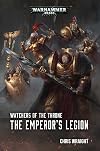
Excellent novel giving a lot of insight into inner working of Empire of Terra, Adeptus Custodes and Sisters of Silence. Custodes and Sisters, two sides of the same coin, trained to fight together against any foe but, following Horus Heresy, separated for thousands of years. Custodes stayed on Terra, living under shadow of their failure to keep the Emperor from harms way and Sisters scattered throughout the galaxy fighting the Chaos but almost got forgotten by the Empire.
Book describes these show more warrior orders beautifully - two armies aware that they have lost a lot to time but nevertheless they are trying to record and save as much as possible of their glorious past, training and doctrine. What I particularly liked is that they are free of any W40K dogma usually blocking any free-will or initiative on Imperial worlds - they are thinking with their heads.
Also interesting is that these remnants of the original Empire do not see themselves part of the existing Imperium - as novel gets to the conclusion it is clear that Custodes have put a lot of things in motion behind the bureaucracy 's back that they see as required for administration of the huge Imperium but also as stagnant political body that has lost the original path set by the Emperor.
Excellent read, highly recommended. show less
Book describes these show more warrior orders beautifully - two armies aware that they have lost a lot to time but nevertheless they are trying to record and save as much as possible of their glorious past, training and doctrine. What I particularly liked is that they are free of any W40K dogma usually blocking any free-will or initiative on Imperial worlds - they are thinking with their heads.
Also interesting is that these remnants of the original Empire do not see themselves part of the existing Imperium - as novel gets to the conclusion it is clear that Custodes have put a lot of things in motion behind the bureaucracy 's back that they see as required for administration of the huge Imperium but also as stagnant political body that has lost the original path set by the Emperor.
Excellent read, highly recommended. show less
Lists
Awards


You May Also Like


Associated Authors
Statistics
- Works
- 130
- Also by
- 64
- Members
- 2,742
- Popularity
- #9,365
- Rating
- 3.6
- Reviews
- 47
- ISBNs
- 201
- Languages
- 4
