
A. C. Baantjer (1923–2010)
Author of Dekok and the Dead Harlequin
About the Author
Image credit: Bron: Readers Digest Omnibus 250
Series
Works by A. C. Baantjer
Murder in Amsterdam: Two Books in One (Dekok and the Sunday Strangler and Dekok and the Corpse on Christmas Eve) (1993) 69 copies, 2 reviews
De Cock met ceeooceekaa en ik: Verhalen uit het leven van een Amsterdamse diender... (2010) 3 copies, 1 review
Een Amsterdamse rechercheur, waarin opgenomen Uit het leven van een Amsterdamse diender (1989) 3 copies
De Cock en danse macabre 2 copies
De Cock en moord eerste klasse 2 copies
De Cock en de zorvuldige moordenaar 2 copies
Baantjer omnibus 7 - De Cock en de moord op Anna Bentveld, De Cock en de moord op termijn, De Cock en de dode meesters (2001) 2 copies
De Cock en de sluimerende dood ; De Cock en de dood van de Helende Meesters ; De Cock en moord in reclame (2011) 2 copies
Winterboek 1965 1 copy
De Cock en de motorclubmoord 1 copy
Kippevel 1 copy
De beste van Baantjer 1 copy
De Cock en de dood in gebed 1 copy
De Cock en de smekende dood 1 copy
Uit het leven van een Amsterdamse diender ; Een Amsterdamse rechercheur (Een Fontein-pocket special) 1 copy
De Cock en treurende kater 1 copy
De moraal van het cliché 1 copy
1 (Appie Baantjer Compleet: alle verhalen van rechercheur Baantjer van Bureau Warmoesstraat) (2005) 1 copy
Baantjer Omnibus 9 1 copy
De Cock en een veld papavers 1 copy
De Cock en de blijde Bacchus 1 copy
De Cock en de dood in antiek 1 copy
De Cock en het lijk op drift 1 copy
De Cock en moord op termijn 1 copy
De Cock en 't wassend water 1 copy
De Cock en moord in beeld 1 copy
De Cock en moord à la carte 1 copy
De Cock en de moord in brons 1 copy
Bureau Warmoesstraat 1 copy
Associated Works
Het Beste Boek 258: Het laatste testament / Niets te verliezen / Ken je me nog? / De Cock en de dood in gebed — Author — 3 copies, 1 review
Het Beste Boek 179: Het Koningsgraf/ Dit kind is van mij / De Cock en het wassende kwaad / De bruggen van Madison County — Author — 2 copies, 1 review
Het Beste Boek 151: Vlucht in het verleden / De dans van de wolf / De Cock en de smekende dood / Een waaier van geluk (1991) — Author — 2 copies, 1 review
Het Beste Boek 100: Blinde liefde / De Cock en de treurende kater / Overhaaste ingreep / Domino 2 copies, 1 review
Het Beste Boek 189: De onwaarschijnlijke spion / Het rijk van de vrouw / De Cock en de geur van rottend hout / Alice 2 copies, 1 review
Het Beste Boek 132: De Cock en de moord op de bloedberg / Dochter van de dageraad / Nachtschaduw / Simon en het kind (1988) 2 copies, 1 review
Het Beste Boek 157: Nachtvlucht / Scarlett / De Cock en de moord eerste Klasse (1992) 2 copies, 1 review
Het Beste Boek 117: De Cock en de ontgoochelde dode / Vroedvrouw in Karelië / Wolkenkrabber / Een wereld alleen (1985) 2 copies, 1 review
De Cock en de romance in moord; Een vrouw in huis; De man van St. Petersburg; Jamie 2 copies, 1 review
Uur van de waarheid; Een jaar van herinnering; De Cock en de dood in antiek; Everest — Author — 1 copy, 1 review
De Cock en het lijk in de kerstnacht; De stad der vreugde; Doodsoorzaak onbekend; Helden zonder vreem of blaam — Author — 1 copy, 1 review
Het Beste Boek: De Cock en een recept voor moord; Een nieuw begin; De rekening; De glasblazer — Author — 1 copy, 1 review
Bestseller Selectie 3 — Contributor — 1 copy
Tagged
Common Knowledge
- Canonical name
- Baantjer, A. C.
- Legal name
- Baantjer, Albert Cornelis
- Other names
- Baantjer
Baantjer, Appie - Birthdate
- 1923-09-16
- Date of death
- 2010-08-29
- Gender
- male
- Occupations
- policeman
writer
novelist - Awards and honors
- Knighted by the Dutch monarchy
- Short biography
- Albert Cornelis "Appie" Baantjer (16 September 1923 – 29 August 2010) was a Dutch author of detective fiction and police officer.
He is mainly known for his large series of detective novels revolving around police inspector De Cock (also translated as DeKok) and his side-kick, sergeant Vledder. The name of the protagonist simply means "cook" in Dutch, but has an unusual spelling which is at the heart of a running gag that involves De Cock spelling out his name every time he introduces himself to someone.
The novels have spin-offs in the form of a motion picture[1] and a long-running TV-series entitled Baantjer.[2] Both are named after the author, rather than the main character(s). This led to screenwriter Berend Boudewijn's bitter statement in a Dutch TV guide (VPRO Gids, 11 November 2005) that "Baantjer is the only TV series in the world that is named after a writer, even though it is not written by him." (This is not entirely true: The Belgian TV series Aspe is also named after its writer, Pieter Aspe, who wrote the first season but not the second.)
Baantjer's novels have made their way into the English language through the publishing house Speck Press. De Cock's name has been translated as DeKok. There are approximately 23 of the 60 published Baantjer titles available in English. His books have also been translated into Spanish, French, Russian and Korean and Estonian - Nationality
- Netherlands
- Birthplace
- Urk, Netherlands
- Place of death
- Alkmaar, Netherlands
- Associated Place (for map)
- Netherlands
Members
Reviews
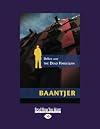
This was a story that engaged me right from the beginning, not just the story itself but the characters of the detective duo, De Kok (Kay oh kay) and his younger assistant Vledder, and the patches of humour that often coloured the text.
The style of the text reminded me a bit of Georges Simenon, and De Kok is a bit like Maigret in size and in the fact that he often keeps things to himself. Mrs De Kok makes a cameo appearance once or twice too, a bit like Madame Maigret, mainly used as a show more sounding board.
To De Kok's assistant the way forward is often frustratingly clear and his boss sees obstacles where Vledder sees none. The duo reminded me a bit also of Dalziel and Pascoe although Vledder is hardly an intellectual. Like Andy Dalziel and Peter Diamond, Jurriaan De Kok has his own way of doing things which his immediate boss finds frustrating.
The hook comes at the beginning of the novel:
He had read the strange note several times. Each time he read it, he was as surprised as he had been the first time.
This was an entirely new wrinkle in a career of more than twenty years. A person contacts Homicide and details in a short, businesslike letter his intention to kill someone. DeKok felt he'd entered the theater of the absurd.
But it is the humourous descriptions that I really loved.
A handsome man entered. He gave a confusing first impression. There was something unbalanced about his appearance. He looked something like a Calvinist church warden out on a weekday. He wore a long, somber dark coat, but the pearl gray scarf he wore outside the collar gave him an elegant, worldly appearance. The most noticeable feature, however, was his high forehead, which was accented by a receding hairline. A mocking grin played around his weak, thin-lipped mouth.
and
Eyebrows rippling like woolly caterpillars, DeKok looked thoughtfully at his partner.
and the very human qualities of DeKok:
DeKok felt his feet starting to hurt. It was a bad sign, he knew. His feet always hurt when a case did not progress satisfactorily.
Like many of the more "modern" detectives DeKok has his own sense of justice and plays by his own rules. He has great empathy with the victims of crime.
I'd love to be able to say that I will read a few more from this series, but Amazon appears to have only this title on Kindle, although my local library has 5 hard copies. show less
The style of the text reminded me a bit of Georges Simenon, and De Kok is a bit like Maigret in size and in the fact that he often keeps things to himself. Mrs De Kok makes a cameo appearance once or twice too, a bit like Madame Maigret, mainly used as a show more sounding board.
To De Kok's assistant the way forward is often frustratingly clear and his boss sees obstacles where Vledder sees none. The duo reminded me a bit also of Dalziel and Pascoe although Vledder is hardly an intellectual. Like Andy Dalziel and Peter Diamond, Jurriaan De Kok has his own way of doing things which his immediate boss finds frustrating.
The hook comes at the beginning of the novel:
He had read the strange note several times. Each time he read it, he was as surprised as he had been the first time.
This was an entirely new wrinkle in a career of more than twenty years. A person contacts Homicide and details in a short, businesslike letter his intention to kill someone. DeKok felt he'd entered the theater of the absurd.
But it is the humourous descriptions that I really loved.
A handsome man entered. He gave a confusing first impression. There was something unbalanced about his appearance. He looked something like a Calvinist church warden out on a weekday. He wore a long, somber dark coat, but the pearl gray scarf he wore outside the collar gave him an elegant, worldly appearance. The most noticeable feature, however, was his high forehead, which was accented by a receding hairline. A mocking grin played around his weak, thin-lipped mouth.
and
Eyebrows rippling like woolly caterpillars, DeKok looked thoughtfully at his partner.
and the very human qualities of DeKok:
DeKok felt his feet starting to hurt. It was a bad sign, he knew. His feet always hurt when a case did not progress satisfactorily.
Like many of the more "modern" detectives DeKok has his own sense of justice and plays by his own rules. He has great empathy with the victims of crime.
I'd love to be able to say that I will read a few more from this series, but Amazon appears to have only this title on Kindle, although my local library has 5 hard copies. show less
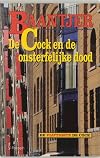
De Cock en de onsterfelijke dood is weer een solide toevoeging aan de lange reeks van de Amsterdamse detectiveserie. De Cock en Vledder zijn in hun oude gewaad, met die typische dynamiek tussen de wat oudere, intuïtieve rechercheur en zijn jongere, soms wat ongeduldige partner.
Het verhaal heeft een intrigerende titel die doet denken aan een mysterie rondom een vermeende onsterfelijkheid of een langdurig verborgen geheim, wat de verwachtingen direct hoog zet. De schrijver weet de spanning show more goed op te bouwen en de lezer mee te slepen in de smalle straten van Amsterdam. De moordzaak is complex genoeg om interessant te blijven, zonder dat het plot onnodig ingewikkeld wordt.
Wat dit boek sterk maakt, is de sfeer. Je voelt de typische Amsterdamse atmosfeer, de regenachtige avonden en de bekende locaties. De personages voelen vertrouwd aan; je weet precies wat je van De Cock's cynisme en Vledders enthousiasme kunt verwachten. De dialogen zijn levendig en de oplossing, hoewel soms voorspelbaar voor de harde fans, komt op een bevredigende manier tot stand.
Waar het net niet de volle vijf sterren verdient, is dat het verhaal zich soms wat te veilig beweegt binnen de bekende formule van de serie. Voor nieuwe lezers is het een perfecte instap, maar voor de zeer trouwe fans mist het misschien die ene verrassende twist die het verhaal echt memorabel maakt. Het voelt meer als een zeer goede, standaardaflevering dan als een baanbrekende roman. show less
Het verhaal heeft een intrigerende titel die doet denken aan een mysterie rondom een vermeende onsterfelijkheid of een langdurig verborgen geheim, wat de verwachtingen direct hoog zet. De schrijver weet de spanning show more goed op te bouwen en de lezer mee te slepen in de smalle straten van Amsterdam. De moordzaak is complex genoeg om interessant te blijven, zonder dat het plot onnodig ingewikkeld wordt.
Wat dit boek sterk maakt, is de sfeer. Je voelt de typische Amsterdamse atmosfeer, de regenachtige avonden en de bekende locaties. De personages voelen vertrouwd aan; je weet precies wat je van De Cock's cynisme en Vledders enthousiasme kunt verwachten. De dialogen zijn levendig en de oplossing, hoewel soms voorspelbaar voor de harde fans, komt op een bevredigende manier tot stand.
Waar het net niet de volle vijf sterren verdient, is dat het verhaal zich soms wat te veilig beweegt binnen de bekende formule van de serie. Voor nieuwe lezers is het een perfecte instap, maar voor de zeer trouwe fans mist het misschien die ene verrassende twist die het verhaal echt memorabel maakt. Het voelt meer als een zeer goede, standaardaflevering dan als een baanbrekende roman. show less

A couple of weeks ago I came across one of the movies based on Baantjer's work and realized that I'd never read anything by one of the world's bestselling mystery writers -- a situation I should obviously redress. I assumed there'd be a few of his novels in the local library; in the end I obtained this one through inter-library loan.
A man is found dead propped against, as you'll guess, a church wall in Amsterdam; at first it's thought he might have died naturally, but very soon it's realized show more this is a case of murder. Inspectors DeKok and his sidekick Vledder unravel what proves to be a fiendishly complicated tapestry of deceit, corruption, greed, false identification, further murders and premature assumptions before the mystery is solved and various killers brought to book. Everything rattles along at a jolly pace, even though the translation isn't marvelous and the copyediting and proofreading are execrable. I enjoyed the book enough on a good-for-a-bus-ride level but really it was the lightest of light reading: there was nothing to arouse the passions or the intellect.
In the Dutch originals the veteran detective is called De Cock, and a running joke is that, whenever introducing himself to someone, he spells it out -- C-O-C-K. Apparently this was regarded as unacceptably saucy for the anglophone world, and so the translations render his name DeKok and he spells it out K-O-K. show less
A man is found dead propped against, as you'll guess, a church wall in Amsterdam; at first it's thought he might have died naturally, but very soon it's realized show more this is a case of murder. Inspectors DeKok and his sidekick Vledder unravel what proves to be a fiendishly complicated tapestry of deceit, corruption, greed, false identification, further murders and premature assumptions before the mystery is solved and various killers brought to book. Everything rattles along at a jolly pace, even though the translation isn't marvelous and the copyediting and proofreading are execrable. I enjoyed the book enough on a good-for-a-bus-ride level but really it was the lightest of light reading: there was nothing to arouse the passions or the intellect.
In the Dutch originals the veteran detective is called De Cock, and a running joke is that, whenever introducing himself to someone, he spells it out -- C-O-C-K. Apparently this was regarded as unacceptably saucy for the anglophone world, and so the translations render his name DeKok and he spells it out K-O-K. show less
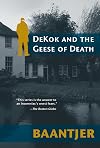
Another enjoyable title from this series, which is now definitely on my list of reliable quick reads.
DeKok and his colleague Vledder are working all the hours they can to find out who has been brutally murdering elderly people. The accused man, Igor Stablinsky, has what appears to be an agenda, a list of names and addresses in his pocket, and the names of the two dead people are on it. In a careless moment in his office, with the crowbar used for the last murder on his desk, DeKok turns his show more back on Stablinsky, who seizes the opportunity to attack the Inspector.
At the same time a Mrs Bildjik rings the police station about her geese. Her name is also on Stablinsky's list. The Bildjik family proves to be a strange one, with all its members having names beginning with the letter I. The matriarch Isolde Bildjik is wealthy, and invalid, confined to a wheelchair, and convinced that someone is determined to kill her. DeKok's curiosity is roused particularly after her geese, bought to raise the alarm of intruders, are all poisoned. The plot is a bit convoluted with three more murders and then one foiled.
There are some quirky bits to these stories: the way DeKok's eyebrows ripple like black caterpillars, the dilapidated old VW he and Vledder travel in, Lowee the barkeeper whom they visit from time to time for underworld information, the way DeKok's feet hurt and his legs itch when he is making no progress in a case, and then the way the final explanations take place at a supper party hosted at home by Mrs DeKok. Just enough to bring a smile to the reader's face. At the same time clues stimulate the grey cells. show less
DeKok and his colleague Vledder are working all the hours they can to find out who has been brutally murdering elderly people. The accused man, Igor Stablinsky, has what appears to be an agenda, a list of names and addresses in his pocket, and the names of the two dead people are on it. In a careless moment in his office, with the crowbar used for the last murder on his desk, DeKok turns his show more back on Stablinsky, who seizes the opportunity to attack the Inspector.
At the same time a Mrs Bildjik rings the police station about her geese. Her name is also on Stablinsky's list. The Bildjik family proves to be a strange one, with all its members having names beginning with the letter I. The matriarch Isolde Bildjik is wealthy, and invalid, confined to a wheelchair, and convinced that someone is determined to kill her. DeKok's curiosity is roused particularly after her geese, bought to raise the alarm of intruders, are all poisoned. The plot is a bit convoluted with three more murders and then one foiled.
There are some quirky bits to these stories: the way DeKok's eyebrows ripple like black caterpillars, the dilapidated old VW he and Vledder travel in, Lowee the barkeeper whom they visit from time to time for underworld information, the way DeKok's feet hurt and his legs itch when he is making no progress in a case, and then the way the final explanations take place at a supper party hosted at home by Mrs DeKok. Just enough to bring a smile to the reader's face. At the same time clues stimulate the grey cells. show less
Lists
You May Also Like


Associated Authors
Statistics
- Works
- 230
- Also by
- 16
- Members
- 3,005
- Popularity
- #8,491
- Rating
- 3.3
- Reviews
- 57
- ISBNs
- 333
- Languages
- 3
- Favorited
- 2