
Matthew H. Spring
Author of With Zeal and With Bayonets Only: The British Army on Campaign in North America, 1775–1783
About the Author
Matthew Spring holds a Ph.D. in history from the University of Leeds and is Head of History at Truro School, an independent secondary school in Cornwall, England.
Works by Matthew H. Spring
With Zeal and With Bayonets Only: The British Army on Campaign in North America, 1775–1783 (2008) 121 copies, 1 review
Tagged
Common Knowledge
There is no Common Knowledge data for this author yet. You can help.
Members
Reviews
With Zeal and With Bayonets Only: The British Army on Campaign in North America, 1775-1783 (Campaigns and Commanders) by Matthew H. Spring
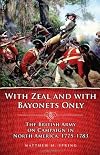
Matthew Springs sets out to tell a new story of the British Army in the American Revolution. He debunks the myth that the British army fought in long straight lines in tight formations, unable to respond effectively to the Americans fighting in close terrain. There are many lessons he tries to teach, however, those I found most important were these:
1. Throughout the war, with few exceptions, the British adopted loose formations that enabled them to move quickly through difficult terrain.
2. show more British regiments were not much less proficient with musketry than their American counterparts, and in several cases demonstrated equal or greater skill.
3. British doctrine generally was to fire a single volley and close quickly with the Americans. Until later in the war, American troops lacked the confidence and skill to close with the British, and generally the Brits would prevail in such a case.
4. The lack of a strong cavalry arm made the light infantry companies, converged into battalions the "bloodhounds" of the battlefield. Active and able, these soldiers usually operated on the flank, force marching, turning flanks, and pursuing broken enemies.
The book covers much more than this, but it certainly is interesting. A must read for those interested in how the revolution was fought. show less
1. Throughout the war, with few exceptions, the British adopted loose formations that enabled them to move quickly through difficult terrain.
2. show more British regiments were not much less proficient with musketry than their American counterparts, and in several cases demonstrated equal or greater skill.
3. British doctrine generally was to fire a single volley and close quickly with the Americans. Until later in the war, American troops lacked the confidence and skill to close with the British, and generally the Brits would prevail in such a case.
4. The lack of a strong cavalry arm made the light infantry companies, converged into battalions the "bloodhounds" of the battlefield. Active and able, these soldiers usually operated on the flank, force marching, turning flanks, and pursuing broken enemies.
The book covers much more than this, but it certainly is interesting. A must read for those interested in how the revolution was fought. show less
Awards


Statistics
- Works
- 1
- Members
- 121
- Popularity
- #164,306
- Rating
- 4.4
- Reviews
- 1
- ISBNs
- 4