
Inès Cagnati (1937–2007)
Author of Free Day
About the Author
Works by Inès Cagnati
Tagged
Common Knowledge
- Birthdate
- 1937-02-21
- Date of death
- 2007-10-09
- Gender
- female
- Nationality
- France
- Birthplace
- Monclar, France
- Place of death
- Orsay, Essonne, Île-de-France, France
- Map Location
- France
Members
Reviews
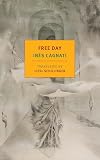
A spare and brutal account of the life of a young girl from a family of Italian immigrants barely making a living on a stony farm in southern France. The concentrated story follows 14-year-old Galla as she rides her bicycle 20 miles from her high school to the family’s isolated house. There are a few “events”, but most of the book is Galla’s thoughts on her family and school life. The author expertly captures the bitter cold of the day and the claustrophobic poverty of Galla’s show more childhood. Cagnati’s life was similar to Galla’s, and the narrative feels depressingly realistic. Even the introduction and the interview with Cagnati at the end seem to hint that the author always felt like an outsider, even though this book won the Prix Roger Nimier in 1973. Galla narrates in a straightforward voice, describing her abusive father, her sad and beaten-down mother, the sisters she hates and those she loves and her status as an outcast at the school–she’s a poor scholarship student who is disruptive and contemptuous of the teachers who look down on her. She casually describes stealing from stores and her classmates and all sorts of violence–the kind that is standard on the farm, her father’s actions, and a horrific accident. She also, at various times, wishes death and destruction on different family members, the townspeople, and some classmates and teachers. Occasionally, there are some happy memories, but they are few and far between. Galla is expertly characterized, and the bike–which she needs to get back and forth–almost comes to be a character too. Although the actual plot is straightforward–Galla goes to visit her family on her day off and then goes back–there is a mystery that lurks in the background of her musings. Overall, an involving if not always pleasant read. show less

énie la loca, que fue toda una sensación literaria en Francia a finales de los años setenta, es una novela poderosa, bellísima, y un canto muy singular al amor de una hija, de una niña, por su silenciosa madre. Gracias a la contención de su escritura y la crudeza de su argumento, este libro ha sido considerado como una de las cumbres de la literatura francesa posterior a la Segunda Guerra Mundial.
Rodeada de viñedos, granjas y oscuras cocinas, Marie espera a su madre. Cuando no la show more espera, corre detrás de ella por caminos polvorientos y campos de labor. A su madre la llaman Génie la loca, y es la «oveja negra» de una buena familia; una madre convertida, para su desgracia, en mujer «para todo», poco más que una trabajadora agrícola que lucha contra el mundo en medio de un silencio propio y, en apariencia, indestructible. Génie es una figura misteriosa e inaccesible a la que Marie, su hija, sigue incansablemente, soñando con hacerla sonreír algún día.
Ésta es la historia de un crimen público que nadie condena, pero cuyas víctimas (femeninas, por supuesto) soportan la carga de la vida en un mundo durísimo. A pesar de algunas miserias, nada puede compararse al amor que une a estas dos mujeres. A pesar de la vida, a pesar de la tragedia.
Génie la loca ha sido considerada una de las mejores novelas breves europeas del siglo XX. Premio Deux Magots en 1977. show less
Rodeada de viñedos, granjas y oscuras cocinas, Marie espera a su madre. Cuando no la show more espera, corre detrás de ella por caminos polvorientos y campos de labor. A su madre la llaman Génie la loca, y es la «oveja negra» de una buena familia; una madre convertida, para su desgracia, en mujer «para todo», poco más que una trabajadora agrícola que lucha contra el mundo en medio de un silencio propio y, en apariencia, indestructible. Génie es una figura misteriosa e inaccesible a la que Marie, su hija, sigue incansablemente, soñando con hacerla sonreír algún día.
Ésta es la historia de un crimen público que nadie condena, pero cuyas víctimas (femeninas, por supuesto) soportan la carga de la vida en un mundo durísimo. A pesar de algunas miserias, nada puede compararse al amor que une a estas dos mujeres. A pesar de la vida, a pesar de la tragedia.
Génie la loca ha sido considerada una de las mejores novelas breves europeas del siglo XX. Premio Deux Magots en 1977. show less
Questo romanzo di Inès Cagnati è stata una magnifica sorpresa. Marie è una ragazzina che vive con disagio la situazione della madre, Gènie, considerata la matta del villaggio. La storia della donna è una storia di dolore, figlia di una buona famiglia e stuprata da un muratore viene abbandonata anzitutto dalla madre che la ripudia. E così Marie si trova a barcamenarsi per il villaggio, svolgendo i più umili lavori, faticandosi la vita e crescendo la figlia nel silenzio del dolore. Mai show more un momento di affetto, di apertura verso Marie, eppure la donna cura l’istruzione della figlia, non le parla, ma le consente di studiare. A tutto il villaggio va bene questa donna che lavora e non parla, semplice da sfruttare, sempre disponibile a qualsiasi cosa da fare. La dignità del lavoro di Gènie risalta in tutto il racconto, non vi è mai pausa. Marie cerca solo l’amore della madre, ma Gènie non ha spazio per i sentimenti, lei deve lavorare e la figlia deve studiare, non c’è spazio per altro. Marie trova l’amore, Pierre un soldato partito per la guerra che nella guerra morirà, e darà il suo affetto a Rose, una mucca cieca comprata da Gènie a costo di enormi sacrifici e Benoìt, un anatroccolo. Ma il dolore è l’altro filo conduttore di questo straordinario romanzo e Marie perderà i suoi due amici e subirà la stessa sorte della madre, violentata anche lei dal muratore che abusò della madre. Sembra che ci sia spazio per un lieto fine, perché un uomo semplice, Antonie si innamora di Gènie, le chiede di andare a vivere con lui e insieme fanno un figlio, il piccolo Louis. Ma non c’è spazio per la felicità per Gènie la matta. Un vero e proprio capolavoro, una prosa essenziale, fatta di brevi frasi, sempre essenziali, nonostante la straordinaria capacità della Cagnati di descrivere stati d’animo e luoghi. Un’autrice da leggere assolutamente. show less
Bellissimo romanzo dalla scrittura essenziale, scarna come la vita delle due donne protagoniste: Marie e la madre Génie (Eugenie).
Nata senza padre, Marie è una bastarda per tutti gli abitanti del paese e perfino per i parenti. La madre è colpevole di avere disonorato la famiglia e dunque vive facendo la serva nelle fattorie, accontentandosi di poco, nella miseria e nella solitudine. La piccola Marie la cerca, la segue, vive in attesa di un suo sguardo, di una carezza.
Un libro che colpisce show more per la brutalità e la tenerezza. show less
Nata senza padre, Marie è una bastarda per tutti gli abitanti del paese e perfino per i parenti. La madre è colpevole di avere disonorato la famiglia e dunque vive facendo la serva nelle fattorie, accontentandosi di poco, nella miseria e nella solitudine. La piccola Marie la cerca, la segue, vive in attesa di un suo sguardo, di una carezza.
Un libro che colpisce show more per la brutalità e la tenerezza. show less
Lists
Awards


You May Also Like


Statistics
- Works
- 13
- Members
- 262
- Popularity
- #87,813
- Rating
- 3.8
- Reviews
- 4
- ISBNs
- 22
- Languages
- 6