
Vera Cleaver (1919–1992)
Author of Where the Lilies Bloom
About the Author
Series
Works by Vera Cleaver
Donde florecen los lirios 1 copy
Tagged
Common Knowledge
- Birthdate
- 1919-01-06
- Date of death
- 1992-08-11
- Gender
- female
- Awards and honors
- three-time nominees for the National Book Award
- Relationships
- Cleaver, Bill (husband)
- Nationality
- USA
- Places of residence
- Virgil, South Dakota, USA
- Associated Place (for map)
- South Dakota, USA
Members
Reviews

In the mountains of North Carolina, at some unspecified time in the past (I pictured the 1930s as I read) a down-and-out family of tenant farmers suffers a dreadful string of catastrophes, but is held together by 14-year-old Mary Call, who takes charge.
Their mother died before the story begins, and their father dies shortly into it, leaving Mary Call, a younger brother and sister, and her older, but somewhat mentally handicapped sister Devola, who is 18. Mary Call decides the only way the show more four of them can survive, is to keep it a secret that their father has died. Otherwise, the county social workers will come take them away. They make a little money by wildcrafting (gathering medicinal plants and selling them in town) and manage to stay in their ramshackle house because Mary Call sort of tricked the owner into giving it to them.
Mary Call manages to hold things steady for a while, but as the story works towards its close, her efforts begin to unravel.
Mary Call is a fierce heroine, and I loved her for it. But I loved her all the more at the end, when she reluctantly acknowledges that even she may need some help once in a while. show less
Their mother died before the story begins, and their father dies shortly into it, leaving Mary Call, a younger brother and sister, and her older, but somewhat mentally handicapped sister Devola, who is 18. Mary Call decides the only way the show more four of them can survive, is to keep it a secret that their father has died. Otherwise, the county social workers will come take them away. They make a little money by wildcrafting (gathering medicinal plants and selling them in town) and manage to stay in their ramshackle house because Mary Call sort of tricked the owner into giving it to them.
Mary Call manages to hold things steady for a while, but as the story works towards its close, her efforts begin to unravel.
Mary Call is a fierce heroine, and I loved her for it. But I loved her all the more at the end, when she reluctantly acknowledges that even she may need some help once in a while. show less

I re-read this one recently. Alas, it did not hold up. At all.
Edit April 10, 2012: Ok, I just started reading Carson McCuller's A Member of the Wedding, and I was saying to myself as I was reading, "Hm, have I actually read this book before? It seems so familiar." And then it hit me: I Would Rather Be a Turnip is absolutely, 100 percent ripped off from A Member of the Wedding. Slightly weird pre-adolescent protagonist who speaks in an oddly mannered way? Check. Domestic who functions as an show more exasperated mother figure? Check. Much younger, sort of other-worldly boy who's the protagonist's only companion? Check check, right down to the wire-rimmed glasses.
And the plot points so far are also taken right from Member of the Wedding: Tension between Frankie and her brother because her brother is marrying; tension between Annie and her sister for having a child out of wedlock. Annie is ostracized by neighborhood girls she was once friendly with; so is Frankie. Even specific scenes are ripped off, like the scene in Turnip where Annie works for her father and imagines what people say about her as they watch. And that's only in the first half of the book.
Sheesh. Really, the two books are so similar I'm surprised the McCullers estate didn't make an issue of it. show less
Edit April 10, 2012: Ok, I just started reading Carson McCuller's A Member of the Wedding, and I was saying to myself as I was reading, "Hm, have I actually read this book before? It seems so familiar." And then it hit me: I Would Rather Be a Turnip is absolutely, 100 percent ripped off from A Member of the Wedding. Slightly weird pre-adolescent protagonist who speaks in an oddly mannered way? Check. Domestic who functions as an show more exasperated mother figure? Check. Much younger, sort of other-worldly boy who's the protagonist's only companion? Check check, right down to the wire-rimmed glasses.
And the plot points so far are also taken right from Member of the Wedding: Tension between Frankie and her brother because her brother is marrying; tension between Annie and her sister for having a child out of wedlock. Annie is ostracized by neighborhood girls she was once friendly with; so is Frankie. Even specific scenes are ripped off, like the scene in Turnip where Annie works for her father and imagines what people say about her as they watch. And that's only in the first half of the book.
Sheesh. Really, the two books are so similar I'm surprised the McCullers estate didn't make an issue of it. show less
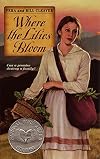
“Friends were another thing Miss Breathitt believed in and thought wonderful. Friends, she said, improved talents and happiness and all of us should take care to make some.”
― Vera Cleaver, Where the Lilies Bloom
This is a book about Mary Call, a strong minded young woman trying to keep her family together after the loss of her parents. She feeds and clothes her siblings and tries to keep up the pretense that her parents are still there, for if outsiders knew what had happened they would show more surely separate the family.
I. LOVED. THIS.
The book is a wonderful read. There are themes of loss and poverty. The characters start to feel like old friends. One gets invested and roots for the sassy Mary Call and her small group of siblings as they fight to stay together in the North Carolina mountains.
This is an exceptional and very special book that nobody should miss out on. show less
― Vera Cleaver, Where the Lilies Bloom
This is a book about Mary Call, a strong minded young woman trying to keep her family together after the loss of her parents. She feeds and clothes her siblings and tries to keep up the pretense that her parents are still there, for if outsiders knew what had happened they would show more surely separate the family.
I. LOVED. THIS.
The book is a wonderful read. There are themes of loss and poverty. The characters start to feel like old friends. One gets invested and roots for the sassy Mary Call and her small group of siblings as they fight to stay together in the North Carolina mountains.
This is an exceptional and very special book that nobody should miss out on. show less
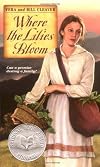
Hello, Book Twinsie!
I so enjoyed this middle grade story, recommended to me by a new friend, my bookish twin. Reminded me of the favorite kinds of books I read as a kid, especially ones with a tough young girl as the protagonist. My book twinsie has read it many times in her life. And I can see why.
It is funny, sad, and mighty eventful. Also worrisome to this old lady. Lordy, how are these children going to survive is the question I asked myself time and again as their growing dilemmas show more unfolded.
But they are made of tough Appalachian stuff. I was uplifted that it was also a story of kith and kin.
The short afterward by authors and married couple Vera and Bill Cleaver was a fulfilling end. I don't know how a couple writes a book together, but this book had such an authenticity to it that however they arranged it, they made a smooth, believable combination.
I've never been too "grown-up" to read books for kids or young adults; it can often be a great introduction to a larger picture. Like, "wildcrafting," I had never heard of that before. Yet, it's right up my alley. I spent a year teaching myself to make yucca baskets from the yuccas that grow wild on my place. (Easier to let them grow than to try to dig them up!) I even tried my hand at dyeing some of the prepared yucca fronds with cochineal, the red bugs that grow on prickly pear cactus, encased in white fuzz. Truth is, though, I hated killing the insects just for their red color so my baskets started off a light green hue and then quickly would fade to a simple golden pale hay color. They were lovely and I enjoyed giving them away, except saving one, the last one for myself that I still use.
Thank you for the recommendation, Book Twinsie. I laughed out loud about the onions. And the bear! show less
I so enjoyed this middle grade story, recommended to me by a new friend, my bookish twin. Reminded me of the favorite kinds of books I read as a kid, especially ones with a tough young girl as the protagonist. My book twinsie has read it many times in her life. And I can see why.
It is funny, sad, and mighty eventful. Also worrisome to this old lady. Lordy, how are these children going to survive is the question I asked myself time and again as their growing dilemmas show more unfolded.
But they are made of tough Appalachian stuff. I was uplifted that it was also a story of kith and kin.
The short afterward by authors and married couple Vera and Bill Cleaver was a fulfilling end. I don't know how a couple writes a book together, but this book had such an authenticity to it that however they arranged it, they made a smooth, believable combination.
I've never been too "grown-up" to read books for kids or young adults; it can often be a great introduction to a larger picture. Like, "wildcrafting," I had never heard of that before. Yet, it's right up my alley. I spent a year teaching myself to make yucca baskets from the yuccas that grow wild on my place. (Easier to let them grow than to try to dig them up!) I even tried my hand at dyeing some of the prepared yucca fronds with cochineal, the red bugs that grow on prickly pear cactus, encased in white fuzz. Truth is, though, I hated killing the insects just for their red color so my baskets started off a light green hue and then quickly would fade to a simple golden pale hay color. They were lovely and I enjoyed giving them away, except saving one, the last one for myself that I still use.
Thank you for the recommendation, Book Twinsie. I laughed out loud about the onions. And the bear! show less
Lists
Awards


You May Also Like


Associated Authors
Statistics
- Works
- 26
- Members
- 2,036
- Popularity
- #12,627
- Rating
- 3.7
- Reviews
- 85
- ISBNs
- 117
- Languages
- 5
- Favorited
- 1