
Scott O'Dell (1898–1989)
Author of Island of the Blue Dolphins
About the Author
Series
Works by Scott O'Dell
Island of the Blue Dolphins / The Indian School / Soft Rain / The Sign of the Beaver (1996) 12 copies
جزيرة الدلافين الزرقاء 2 copies
The King's fifth 1 copy
ISHULLI I DELFINËVE BLU 1 copy
Το μαύρο μαργαριτάρι 1 copy
جزيرة الدلافين الزرق 1 copy
My Name Is Not Angelica 1 copy
The King's Fifth 1 copy
The 290 1 copy
The 200 1 copy
The identification of wood used in the construction of 17th and 18th century keyboard instruments 1 copy
Intrépide sarah 1 copy
Associated Works
Tagged
Common Knowledge
- Canonical name
- O'Dell, Scott
- Legal name
- Scott, O'Dell Gabriel
- Birthdate
- 1898-05-23
- Date of death
- 1989-10-16
- Gender
- male
- Education
- University of Wisconsin
Occidental College
Stanford University (BA|1921)
Sapienza Università di Roma - Occupations
- camera operator
technical director
children's book author
young adult writer
book columnist (Los Angeles Mirror)
book editor (Los Angeles Daily News) - Organizations
- United States Air Force
- Awards and honors
- Hans Christian Andersen Award (1972)
Scott O'Dell Award for Historical Fiction (1985)
Regina Medal (1978)
The University of Southern Mississippi Medallion (1976) - Relationships
- Hall, Elizabeth (wife)
- Cause of death
- prostate cancer
- Nationality
- USA
- Birthplace
- Los Angeles, California, USA
- Places of residence
- Waccabuc, New York, USA
San Pedro, California, USA
Long Beach, California, USA
Julian, California, USA - Place of death
- Mount Kisco, New York, USA
- Associated Place (for map)
- California, USA
Members
Discussions
Found: Island of blue dolphins read alike in Name that Book (September 2021)
Reviews
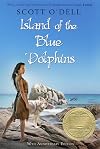
Island of the Blue Dolphins by Scott O'Dell is a quietly powerful work of historical fiction that transports readers into the isolated world of a young girl left behind by her people. Based on the real-life story of the "Lone Woman of San Nicolas Island," the novel offers a fictionalized glimpse into what survival might have looked like for someone forced to live entirely alone, surrounded by nature and uncertainty.
Though the true details of this woman’s life are unknown, O'Dell’s show more interpretation paints a vivid and emotionally resonant portrait of resilience, self-reliance, and inner strength. The protagonist, Karana, is resourceful and observant—traits that not only keep her alive, but also allow her to form a quiet bond with the natural world around her. Whether it’s crafting weapons to protect herself, finding ways to store food, or taming a wild dog for companionship, Karana’s journey feels both imaginative and grounded in emotional truth.
What makes this story especially compelling is that it’s told in a straightforward, almost meditative style. The writing doesn’t over-dramatize Karana’s experience, but instead focuses on the steady rhythms of survival and the quiet moments of reflection. This storytelling choice pulls readers in gently, allowing them to experience Karana’s isolation, growth, and hard-earned wisdom with genuine empathy.
As a reader who typically wouldn’t reach for this kind of book, I was surprised by how captivating it was. O'Dell's storytelling makes it easy to become emotionally invested, even knowing the novel is fictional. It’s important to remember that while Island of the Blue Dolphins draws inspiration from real events, it remains a work of imagination. Still, it succeeds in honoring the strength and mystery of the woman it's based on.
The story’s themes—survival, independence, respect for nature, and quiet strength—are timeless, and Karana’s character stands out as an inspiring example of grace under pressure. She’s brave, yes, but not invincible—her humility and thoughtfulness make her all the more believable.
Island of the Blue Dolphins is a moving and quietly beautiful story of endurance and self-discovery. While it’s a fictional imagining, it captures the emotional truth of what it means to survive against overwhelming odds—and to do so with dignity and heart. It’s a book that lingers, even for those who don’t usually gravitate toward historical fiction. show less
Though the true details of this woman’s life are unknown, O'Dell’s show more interpretation paints a vivid and emotionally resonant portrait of resilience, self-reliance, and inner strength. The protagonist, Karana, is resourceful and observant—traits that not only keep her alive, but also allow her to form a quiet bond with the natural world around her. Whether it’s crafting weapons to protect herself, finding ways to store food, or taming a wild dog for companionship, Karana’s journey feels both imaginative and grounded in emotional truth.
What makes this story especially compelling is that it’s told in a straightforward, almost meditative style. The writing doesn’t over-dramatize Karana’s experience, but instead focuses on the steady rhythms of survival and the quiet moments of reflection. This storytelling choice pulls readers in gently, allowing them to experience Karana’s isolation, growth, and hard-earned wisdom with genuine empathy.
As a reader who typically wouldn’t reach for this kind of book, I was surprised by how captivating it was. O'Dell's storytelling makes it easy to become emotionally invested, even knowing the novel is fictional. It’s important to remember that while Island of the Blue Dolphins draws inspiration from real events, it remains a work of imagination. Still, it succeeds in honoring the strength and mystery of the woman it's based on.
The story’s themes—survival, independence, respect for nature, and quiet strength—are timeless, and Karana’s character stands out as an inspiring example of grace under pressure. She’s brave, yes, but not invincible—her humility and thoughtfulness make her all the more believable.
Island of the Blue Dolphins is a moving and quietly beautiful story of endurance and self-discovery. While it’s a fictional imagining, it captures the emotional truth of what it means to survive against overwhelming odds—and to do so with dignity and heart. It’s a book that lingers, even for those who don’t usually gravitate toward historical fiction. show less

This review is written with a GPL 4.0 license and the rights contained therein shall supersede all TOS by any and all websites in regards to copying and sharing without proper authorization and permissions. Crossposted at WordPress, Blogspot & Librarything by Bookstooge’s Exalted Permission
Title: The Black Pearl
Series: ----------
Author: Scott O'Dell
Rating: 5 of 5 Stars
Genre: MG Historical Fiction
Pages: 96
Format: Paperback Edition
Synopsis:
A young man, Ramon Salazar, recently turned 16 is show more made a partner in his father's pearl business. He learns to grade and buy and sell the pearls the small fleet his father owns brings in each trip. However, what he really wants is to go diving with the fleet. His father allows him to come out with the fleet but only as a handler, not a diver.
The best pearl diver in the fleet is jealous of the opportunities that Ramon has and constantly needles him about not being a diver. This “Sevillano” claims to come from Spain and spins stories of all the exploits he has done. Eventually, it gets to Ramon and when the fleet makes a week long trip, he heads out to an Indian diver and begs him to teach him. Ramon learns how to be a diver and is shown a cave where Manta Diablo supposedly lives. The Indian tells him to not dive in the cave, as Manta Diablo will come after anyone who takes something from him.
Ramon can't resist the lure and gets a huge clam which gives up a huge perfect “black” pearl. The Indian warns him that he is now cursed by Manta Diablo. Ramon heads home and gives the pearl to his father to show that he is a great diver, and to get back at the Sevillano for all his jibes. The father haggles with the local merchants and in a fit of pique at their stinginess, gives the pearl to the local Roman Catholic Church.
The next week the fleet is destroyed by a huge storm and only the Sevillano survives. This convinces Ramon that the pearl is indeed cursed and he steals it back from the church to take back to Manta Diablo's cave. The Sevillano catches him and forces him to go to Mexico City where they can sell it for a huge fortune.
On their way, they are overtaken by a huge manta ray. After several incidents, the Sevillano harpoons the manta and eventually jumps on it to knife it to death. A rope wraps around him and he and the manta plunge into the depths never to be seen again. Ramon rows back to his village, returns the pearl to the church and realizes that he has grown up.
My Thoughts:
I had read and bought this back in elementary school at a book fair I believe. I enjoyed it a lot as a kid so I was kind of hesitant to dive into again and potentially ruin it. Kind of like how I got fed up with Lucky Starr by the end of the series. Some childrens books just aren't meant for adults. However, since it was only 96 pages I figured I could pitch on in and rip through it at lunch times. Which is what I did.
What a great book!
This is the kind of adventure story that can capture the imagination of a young boy. O'Dell knows how to write for a youthful audience without churning out simplistic slop. Ramon deals with some huge issues and O'Dell gently guides the reader along that journey and makes a youngster think about what might change in their life and how would they respond? I love, Love, LOVE the fact that at no point is Ramon an angst-ridden whiny baby. O'Dell doesn't buy into the lie that young people have to be coddled and that anything “tough” will destroy them. He shows that THROUGH adversity is how a man is forged. Phrack, it is refreshing to see that in a middle grade book.
Keeping in mind the target audience, I loved this story. O'Dell writes a character that inspires the reader instead of pandering to them. It is no wonder that O'Dell won so many awards and honorable mentions back in his heyday.
First 5star review of the year. While probably not a real contender for best book of the year, I think that a 96 page story about a 16 year old young man that can inspire a 40 year old like this deserves some attention. Ramon's quiet fortitude and steady action is what is needed in more books today.
★★★★★ show less
Title: The Black Pearl
Series: ----------
Author: Scott O'Dell
Rating: 5 of 5 Stars
Genre: MG Historical Fiction
Pages: 96
Format: Paperback Edition
Synopsis:
A young man, Ramon Salazar, recently turned 16 is show more made a partner in his father's pearl business. He learns to grade and buy and sell the pearls the small fleet his father owns brings in each trip. However, what he really wants is to go diving with the fleet. His father allows him to come out with the fleet but only as a handler, not a diver.
The best pearl diver in the fleet is jealous of the opportunities that Ramon has and constantly needles him about not being a diver. This “Sevillano” claims to come from Spain and spins stories of all the exploits he has done. Eventually, it gets to Ramon and when the fleet makes a week long trip, he heads out to an Indian diver and begs him to teach him. Ramon learns how to be a diver and is shown a cave where Manta Diablo supposedly lives. The Indian tells him to not dive in the cave, as Manta Diablo will come after anyone who takes something from him.
Ramon can't resist the lure and gets a huge clam which gives up a huge perfect “black” pearl. The Indian warns him that he is now cursed by Manta Diablo. Ramon heads home and gives the pearl to his father to show that he is a great diver, and to get back at the Sevillano for all his jibes. The father haggles with the local merchants and in a fit of pique at their stinginess, gives the pearl to the local Roman Catholic Church.
The next week the fleet is destroyed by a huge storm and only the Sevillano survives. This convinces Ramon that the pearl is indeed cursed and he steals it back from the church to take back to Manta Diablo's cave. The Sevillano catches him and forces him to go to Mexico City where they can sell it for a huge fortune.
On their way, they are overtaken by a huge manta ray. After several incidents, the Sevillano harpoons the manta and eventually jumps on it to knife it to death. A rope wraps around him and he and the manta plunge into the depths never to be seen again. Ramon rows back to his village, returns the pearl to the church and realizes that he has grown up.
My Thoughts:
I had read and bought this back in elementary school at a book fair I believe. I enjoyed it a lot as a kid so I was kind of hesitant to dive into again and potentially ruin it. Kind of like how I got fed up with Lucky Starr by the end of the series. Some childrens books just aren't meant for adults. However, since it was only 96 pages I figured I could pitch on in and rip through it at lunch times. Which is what I did.
What a great book!
This is the kind of adventure story that can capture the imagination of a young boy. O'Dell knows how to write for a youthful audience without churning out simplistic slop. Ramon deals with some huge issues and O'Dell gently guides the reader along that journey and makes a youngster think about what might change in their life and how would they respond? I love, Love, LOVE the fact that at no point is Ramon an angst-ridden whiny baby. O'Dell doesn't buy into the lie that young people have to be coddled and that anything “tough” will destroy them. He shows that THROUGH adversity is how a man is forged. Phrack, it is refreshing to see that in a middle grade book.
Keeping in mind the target audience, I loved this story. O'Dell writes a character that inspires the reader instead of pandering to them. It is no wonder that O'Dell won so many awards and honorable mentions back in his heyday.
First 5star review of the year. While probably not a real contender for best book of the year, I think that a 96 page story about a 16 year old young man that can inspire a 40 year old like this deserves some attention. Ramon's quiet fortitude and steady action is what is needed in more books today.
★★★★★ show less

This 1960 novel of a girl who is left all alone on a smallish island when the rest of her people relocate elsewhere was, I think, already considered something of a classic when I first read it as a kid in the 1970s. I think I actually read it several times, but I remembered very little about it -- just enough for me to feel a sense of deja vu on re-reading it now.
And I was surprised by how well it held up. Adult me wasn't quite as enthralled with the story as I think young me was, reading show more what was probably the first such survival tale I ever encountered, and I did find myself wishing, just a little, for a longer, more fleshed-out and detailed telling. But I can absolutely see why kid me found it compelling, and I still liked it and even, in the end, found it unexpectedly moving. Also, how glad am I that, in reviewing a book from 1960 about a girl from an indigenous society, I don't have to add comments like, "Well, you do have to keep in mind that it's a product of its time"? Very. Very glad.
What I'm really wondering now, though, is how I ever managed to forget the fact that this was based on a true story, albeit one about which very few details are known. That really does add an extra layer of poignancy to the experience of reading it, I think. You can't help but wonder about the lost story of the poor woman (probably not a girl as young as the one in the novel) who actually lived this life, or one like it. show less
And I was surprised by how well it held up. Adult me wasn't quite as enthralled with the story as I think young me was, reading show more what was probably the first such survival tale I ever encountered, and I did find myself wishing, just a little, for a longer, more fleshed-out and detailed telling. But I can absolutely see why kid me found it compelling, and I still liked it and even, in the end, found it unexpectedly moving. Also, how glad am I that, in reviewing a book from 1960 about a girl from an indigenous society, I don't have to add comments like, "Well, you do have to keep in mind that it's a product of its time"? Very. Very glad.
What I'm really wondering now, though, is how I ever managed to forget the fact that this was based on a true story, albeit one about which very few details are known. That really does add an extra layer of poignancy to the experience of reading it, I think. You can't help but wonder about the lost story of the poor woman (probably not a girl as young as the one in the novel) who actually lived this life, or one like it. show less
Zia by Scott O'Dell

Fourteen-year-old Zia has known for years about her aunt Karana, who was once left behind and has been living alone out on the Island of the Blue Dolphins. Zia is determined to go out and find her aunt and bring her back to live with other Indians in Zia by author Scott O'Dell.
Because I just revisited Island of the Blue Dolphins and only learned a few days ago of this novel following it, I was curious to find out what the story of Karana's niece is all about. However, I think it was only the show more glimpse into an unjust part of history that kept me interested in this second book: the depiction of people being forced to live and work at Christian missions as if for the sake of their souls.
I can appreciate an understated writing style, but I'm finding that a plot itself really has to engross me (like in Sing Down the Moon) in order for this particular author's style not to be dull to me. Some parts of this story that got my attention came to anticlimactic ends, and it often felt like the plot didn't really have anywhere it needed to go. Although the children's classic that precedes this book isn't a personal favorite of mine, I do have respect for the heroine Karana, and though her appearance in this book is relatively brief, I suspect that a lot of people who love her story in the earlier book will find her role in this one to be a regretful, unsatisfying, and likely unnecessary addendum.
I don't know if I'll try this author again in the future, but I'm not sorry I indulged my curiosity about this sequel. show less
Because I just revisited Island of the Blue Dolphins and only learned a few days ago of this novel following it, I was curious to find out what the story of Karana's niece is all about. However, I think it was only the show more glimpse into an unjust part of history that kept me interested in this second book: the depiction of people being forced to live and work at Christian missions as if for the sake of their souls.
I can appreciate an understated writing style, but I'm finding that a plot itself really has to engross me (like in Sing Down the Moon) in order for this particular author's style not to be dull to me. Some parts of this story that got my attention came to anticlimactic ends, and it often felt like the plot didn't really have anywhere it needed to go. Although the children's classic that precedes this book isn't a personal favorite of mine, I do have respect for the heroine Karana, and though her appearance in this book is relatively brief, I suspect that a lot of people who love her story in the earlier book will find her role in this one to be a regretful, unsatisfying, and likely unnecessary addendum.
I don't know if I'll try this author again in the future, but I'm not sorry I indulged my curiosity about this sequel. show less
Lists
Carole's List (1)
Read in school (1)
Overdue Podcast (1)
4th Grade Books (1)
Awards


You May Also Like


Associated Authors
Statistics
- Works
- 81
- Also by
- 4
- Members
- 40,269
- Popularity
- #439
- Rating
- 3.8
- Reviews
- 523
- ISBNs
- 553
- Languages
- 15
- Favorited
- 22
