
Fiona Mountain
Author of Lady of the Butterflies
About the Author
Image credit: © Hugh Dickens
Series
Works by Fiona Mountain
Tagged
Common Knowledge
- Canonical name
- Mountain, Fiona
- Birthdate
- 1974
- Gender
- female
- Awards and honors
- Mary Higgins Clark Award
- Short biography
- Fiona Mountain lives in the Cotswolds with her husband and children. [from Lady of the Butterflies (2009)]
- Nationality
- UK
- Places of residence
- Cotswolds, England, UK
- Associated Place (for map)
- England, UK
Members
Reviews
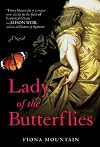
Admittedly, I was a bit timid of this book set in the late 1600's. Since it is not a time frame that I usually read about I was worried about not understanding things and was afraid I couldn't make it through the 527 pages. But, I was mistaken. I fell in love with this book in the first 20 pages and if time would have allowed me, I could have read it in a few days.
I found this story fascinating and enjoyed reading about a time so different from anything I have ever known. The author show more described the land, the people, the homes, the clothing, nature, and the butterflies so completely and expertly that I had no trouble at all imagining the places and the people. The story involves death and grief, family, love, hardships, parenting, nature, war, and everything in between. There was joy and drama, happiness and sorrow, laughter and sadness throughout the whole story. Every chapter kept me turning the pages rapidly to see what Eleanor would say or do next. There were several characters in the story, but I didn't have any trouble keeping them all straight. Again, the author's descriptions and how they were introduced helped to keep everyone in your mind.
I loved all the references to God and creation in the story. The science of the 1600's was something I had never thought of before and found all the research and sharing of knowledge very interesting. I had never thought about the great fear that science must have been those 300-400 years ago. Thank goodness for all those who blazed trails and sought the knowledge so that today we can have all the medicines and treatments we use today. I will never again look at butterflies the same.
Eleanor Glanville was the feminist of the 1600's. When she was to be learning embroidery and her only focus was to have a "fruitful womb" she was instead reading books and studying the nature around her. She is definitely a woman to be studied and learned about and I thank the author for sharing Eleanor's story with us.
As a mother who has gone through labor three times I found the labor and delivery process described in the most interesting. To be closed up in a room for days/weeks before and after the labor and to have numerous women from your community present at your birth was just fascinating to me. I can't imagine having all my friends in my community sitting around my bed on stools chatting and gossipping while I am in labor screaming out in pain. After Eleanor became a mother, her struggles were much like any struggle of moms today...."If I wanted to be a good mother, I could not be a good scientist. If I wanted to be a good scientist, I could not be a good mother." Much like the mothers today who want the career and the life of motherhood, knowing that it is a tough balance to combine the two and one will always suffer at some point.
This was such a fascinating book and one I will likely read again. Fiona Mountain obviously did her research and I am certainly glad that I am now aware of the Lady Eleanor Glanville and the Glanville Fritillary butterfly. If you would like to know more about Fiona Mountain or more information about Lady Eleanor Glanville, check out www.FionaMountain.com show less
I found this story fascinating and enjoyed reading about a time so different from anything I have ever known. The author show more described the land, the people, the homes, the clothing, nature, and the butterflies so completely and expertly that I had no trouble at all imagining the places and the people. The story involves death and grief, family, love, hardships, parenting, nature, war, and everything in between. There was joy and drama, happiness and sorrow, laughter and sadness throughout the whole story. Every chapter kept me turning the pages rapidly to see what Eleanor would say or do next. There were several characters in the story, but I didn't have any trouble keeping them all straight. Again, the author's descriptions and how they were introduced helped to keep everyone in your mind.
I loved all the references to God and creation in the story. The science of the 1600's was something I had never thought of before and found all the research and sharing of knowledge very interesting. I had never thought about the great fear that science must have been those 300-400 years ago. Thank goodness for all those who blazed trails and sought the knowledge so that today we can have all the medicines and treatments we use today. I will never again look at butterflies the same.
Eleanor Glanville was the feminist of the 1600's. When she was to be learning embroidery and her only focus was to have a "fruitful womb" she was instead reading books and studying the nature around her. She is definitely a woman to be studied and learned about and I thank the author for sharing Eleanor's story with us.
As a mother who has gone through labor three times I found the labor and delivery process described in the most interesting. To be closed up in a room for days/weeks before and after the labor and to have numerous women from your community present at your birth was just fascinating to me. I can't imagine having all my friends in my community sitting around my bed on stools chatting and gossipping while I am in labor screaming out in pain. After Eleanor became a mother, her struggles were much like any struggle of moms today...."If I wanted to be a good mother, I could not be a good scientist. If I wanted to be a good scientist, I could not be a good mother." Much like the mothers today who want the career and the life of motherhood, knowing that it is a tough balance to combine the two and one will always suffer at some point.
This was such a fascinating book and one I will likely read again. Fiona Mountain obviously did her research and I am certainly glad that I am now aware of the Lady Eleanor Glanville and the Glanville Fritillary butterfly. If you would like to know more about Fiona Mountain or more information about Lady Eleanor Glanville, check out www.FionaMountain.com show less
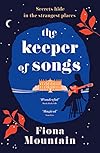
As soon as I heard about The Keeper of Songs I knew I had to read it. I'd read Fiona Mountain's genealogy novels in the past and enjoyed them and I couldn't resist this new book which appealed for several reasons.
The first is that it's one of my favourite kinds of storylines, the dual timeline kind. In 1967 a young folk singer, Molly Marrison, is about to make it big when she suddenly disappears. In 2002, Silva's father dies and his last words are that she should "find Molly". How are these show more two strands linked?
Then there's the folk songs themselves, one of which in particular plays a huge part in the story. Silva enlists the help of Robbie, her first love, who she hasn't seen for years.
And the other, probably most compelling, reason for me enjoying this book is the setting of the Peak District and more specifically Chatsworth, a place not a million miles from where I live and one which I have visited many times over the years. Silva works as a housemaid there (which is more about conservation than scrubbing floors). I loved the sense of place, the descriptions of the rooms, gardens, the methods for looking after all the artefacts, and the way that Chatsworth is more than just a stately home, it's a community for everyone who works there. I feel like the author must have done so much research and it really showed. Blue John Stone, which is only found in the caverns of Castleton, also plays a big part and I found it all absolutely fascinating.
This is a really lovely read, tying together local history through folk songs and folklore, with bittersweet love stories that echo down through the generations. As is often the case, I enjoyed the more contemporary story most of all. I think it's because I like the characters to delve into the past and discover long-lost secrets. But I very much enjoyed the book as a whole and thought the author did a wonderful job at bringing it all together and creating a truly enchanting read. show less
The first is that it's one of my favourite kinds of storylines, the dual timeline kind. In 1967 a young folk singer, Molly Marrison, is about to make it big when she suddenly disappears. In 2002, Silva's father dies and his last words are that she should "find Molly". How are these show more two strands linked?
Then there's the folk songs themselves, one of which in particular plays a huge part in the story. Silva enlists the help of Robbie, her first love, who she hasn't seen for years.
And the other, probably most compelling, reason for me enjoying this book is the setting of the Peak District and more specifically Chatsworth, a place not a million miles from where I live and one which I have visited many times over the years. Silva works as a housemaid there (which is more about conservation than scrubbing floors). I loved the sense of place, the descriptions of the rooms, gardens, the methods for looking after all the artefacts, and the way that Chatsworth is more than just a stately home, it's a community for everyone who works there. I feel like the author must have done so much research and it really showed. Blue John Stone, which is only found in the caverns of Castleton, also plays a big part and I found it all absolutely fascinating.
This is a really lovely read, tying together local history through folk songs and folklore, with bittersweet love stories that echo down through the generations. As is often the case, I enjoyed the more contemporary story most of all. I think it's because I like the characters to delve into the past and discover long-lost secrets. But I very much enjoyed the book as a whole and thought the author did a wonderful job at bringing it all together and creating a truly enchanting read. show less
LADY OF THE BUTTERFLIES
by Fiona Mountain
G.P. Putnam’s Sons, Penguin Group
$25.95, 544 pages
ISBN 13 :978-0-399-1563666
On Sale:July 2010
Eleanor Glanville is viewed by the people who knew her as possessed, a bit odd, possibly a witch and all because she chased butterflies. In history she was a brilliant entomologist, with a butterfly named after her, The Glanville Flitillary. Emma Campion’s version of Eleanor Glanville’e life is one of the best historical fiction books I have read this show more year. Her writing is beautiful and flows with grace and charm. I cherish each chapter of her novel as many beg to be read again and again. Her writing has a natural cadence and lyrical flow page after page. I didn’t want it to end. A word of caution: read it slowly, you will want to savor this story, it is an emotional journey to remember.
Synopsis from the cover:
“So begins the unforgettable story of Eleanor Glanville, the beautiful daughter of a seventeenth-century Puritan nobleman whose unconventional passions scandalized society. Still known as on of the great natural scientists of her age Eleanor was a woman ahead of her time. But her life was marked by two reckless obsessions: a fascination with science-especially the study of butterflies-and a romance that nearly cost her everything she held dear.”
MY REVIEW
This is a difficult review to write without revealing too much of the story. Therefore, I will concentrate more on the character of Eleanor who is the foundation of the story. Campion has lifted the real Eleanor Glanville from the history books and gives her voice and soul. We may not know what she was really like, but in this story she becomes touchable. As Eleanor studies the perfection in butterflies, Campion exposes the imperfections in humans, and Eleanor is no different, making her truly believable.
Eleanor is a woman out of sync with her time period. She is a strong willed, free spirited woman of the seventeenth century, who will not submit to the wifely roles society expects of her. She is so passionate about her views, true love is often secondary. She is a woman alive during the Age of Reason, yet her Puritan upbringing always haunts her decisions. She faces difficult choices about her property, her religion and her loves. Her father’s voice is an omnipresent reminder that has influence on her conscience, a burden throughout her life, especially her inability to trust. Whether right or wrong, good or bad she lives with the consequences of her actions. Eleanor would fit nicely in contemporary society. She must balance career and family, at odds with the 17th century female role, yet perfectly normal today. The three men she loves are completely different men who satisfy her in very different ways. There were so many times while reading, I would pause and a foreshadow of doom would arise. I had no power to stop it. I wanted to shake her and say, “NO!” This is what makes this book such an agonizing yet fulfilling read. The unexpected, the expected, the frustration, the joy, the sadness, the agony, the bliss and the hope for Eleanor’s future. A kaleidoscope of feelings that radiated from beginning to end. Highly recommended as it is without question one of my favorite books of 2010.
© [Wisteria Leigh] and [Bookworm's Dinner], [2010]. show less
by Fiona Mountain
G.P. Putnam’s Sons, Penguin Group
$25.95, 544 pages
ISBN 13 :978-0-399-1563666
On Sale:July 2010
Eleanor Glanville is viewed by the people who knew her as possessed, a bit odd, possibly a witch and all because she chased butterflies. In history she was a brilliant entomologist, with a butterfly named after her, The Glanville Flitillary. Emma Campion’s version of Eleanor Glanville’e life is one of the best historical fiction books I have read this show more year. Her writing is beautiful and flows with grace and charm. I cherish each chapter of her novel as many beg to be read again and again. Her writing has a natural cadence and lyrical flow page after page. I didn’t want it to end. A word of caution: read it slowly, you will want to savor this story, it is an emotional journey to remember.
Synopsis from the cover:
“So begins the unforgettable story of Eleanor Glanville, the beautiful daughter of a seventeenth-century Puritan nobleman whose unconventional passions scandalized society. Still known as on of the great natural scientists of her age Eleanor was a woman ahead of her time. But her life was marked by two reckless obsessions: a fascination with science-especially the study of butterflies-and a romance that nearly cost her everything she held dear.”
MY REVIEW
This is a difficult review to write without revealing too much of the story. Therefore, I will concentrate more on the character of Eleanor who is the foundation of the story. Campion has lifted the real Eleanor Glanville from the history books and gives her voice and soul. We may not know what she was really like, but in this story she becomes touchable. As Eleanor studies the perfection in butterflies, Campion exposes the imperfections in humans, and Eleanor is no different, making her truly believable.
Eleanor is a woman out of sync with her time period. She is a strong willed, free spirited woman of the seventeenth century, who will not submit to the wifely roles society expects of her. She is so passionate about her views, true love is often secondary. She is a woman alive during the Age of Reason, yet her Puritan upbringing always haunts her decisions. She faces difficult choices about her property, her religion and her loves. Her father’s voice is an omnipresent reminder that has influence on her conscience, a burden throughout her life, especially her inability to trust. Whether right or wrong, good or bad she lives with the consequences of her actions. Eleanor would fit nicely in contemporary society. She must balance career and family, at odds with the 17th century female role, yet perfectly normal today. The three men she loves are completely different men who satisfy her in very different ways. There were so many times while reading, I would pause and a foreshadow of doom would arise. I had no power to stop it. I wanted to shake her and say, “NO!” This is what makes this book such an agonizing yet fulfilling read. The unexpected, the expected, the frustration, the joy, the sadness, the agony, the bliss and the hope for Eleanor’s future. A kaleidoscope of feelings that radiated from beginning to end. Highly recommended as it is without question one of my favorite books of 2010.
© [Wisteria Leigh] and [Bookworm's Dinner], [2010]. show less
 This review was written for LibraryThing Early Reviewers.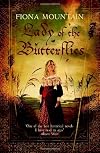
First Line: They say I am mad and perhaps it's true.
Eleanor Glanville's father fought with Cromwell in the English Civil War. Although she had a stern Puritan upbringing, her father also educated her in the sciences-- a very rare occurrence in the seventeenth century. The estate upon which she grew up was mostly marshland in Somerset, and Eleanor always craved to be outdoors. This craving ultimately led to her love of and obsession with butterflies.
Through two marriages and four children, show more she became one of the world's foremost lepidopterists (authorities on butterflies). Do we know her name? No. Do we know that she's responsible for naming several species of butterflies? No. Why? Because her second husband and her children were people of their time who said she was mad and called her a witch. Mad people are not remembered. Witches are forgotten.
That is, until Fiona Mountain spent three years researching Eleanor Glanville in order to tell her remarkable story. No known portrait of Eleanor exists, but I feel as if I know her after listening to her telling me her story.
At 516 pages, I feel that the story could have been told in many less. For me, the weakest part of the story was Eleanor's childbearing years where she spent almost every waking minute trying to please husband and children or, when a widow, trying not to lust after the man she really loved.
The book did come to life when Eleanor was a child discovering the wildlife in the marshes and learning how important it was to protect the land as it was for the butterflies she loved. I also loved the sections when she met and corresponded with James Petiver, a fellow lepidopterist. Their passion for butterflies fueled their thirst for knowledge and discovery. One scene in particular will stay with me for a long time: a maid walking into a room to discover Eleanor and one of her children with dozens of butterflies floating in the sun-filled space.
Anyone who enjoys historical fiction with a scientific angle about an amazing woman whose life's story was almost lost should enjoy Lady of the Butterflies. show less
Eleanor Glanville's father fought with Cromwell in the English Civil War. Although she had a stern Puritan upbringing, her father also educated her in the sciences-- a very rare occurrence in the seventeenth century. The estate upon which she grew up was mostly marshland in Somerset, and Eleanor always craved to be outdoors. This craving ultimately led to her love of and obsession with butterflies.
Through two marriages and four children, show more she became one of the world's foremost lepidopterists (authorities on butterflies). Do we know her name? No. Do we know that she's responsible for naming several species of butterflies? No. Why? Because her second husband and her children were people of their time who said she was mad and called her a witch. Mad people are not remembered. Witches are forgotten.
That is, until Fiona Mountain spent three years researching Eleanor Glanville in order to tell her remarkable story. No known portrait of Eleanor exists, but I feel as if I know her after listening to her telling me her story.
At 516 pages, I feel that the story could have been told in many less. For me, the weakest part of the story was Eleanor's childbearing years where she spent almost every waking minute trying to please husband and children or, when a widow, trying not to lust after the man she really loved.
The book did come to life when Eleanor was a child discovering the wildlife in the marshes and learning how important it was to protect the land as it was for the butterflies she loved. I also loved the sections when she met and corresponded with James Petiver, a fellow lepidopterist. Their passion for butterflies fueled their thirst for knowledge and discovery. One scene in particular will stay with me for a long time: a maid walking into a room to discover Eleanor and one of her children with dozens of butterflies floating in the sun-filled space.
Anyone who enjoys historical fiction with a scientific angle about an amazing woman whose life's story was almost lost should enjoy Lady of the Butterflies. show less
Lists
Awards


You May Also Like


Statistics
- Works
- 6
- Members
- 623
- Popularity
- #40,414
- Rating
- 3.7
- Reviews
- 61
- ISBNs
- 62
- Languages
- 4

