
Kamal Al-Solaylee
Author of Intolerable
About the Author
Works by Kamal Al-Solaylee
Associated Works
Tagged
Common Knowledge
- Birthdate
- 1964
- Gender
- male
- Education
- University of Nottingham (PhD - Victorian Literature)
- Occupations
- professor (Journalism)
journalist
non-fiction author
memoirist - Organizations
- Ryerson University
Globe and Mail
University of Waterloo
York University - Nationality
- Canada
- Birthplace
- Aden, Yemen
- Places of residence
- Beirut, Lebanon
Cairo, Egypt
London, England, UK
Toronto, Ontario, Canada
Members
Reviews
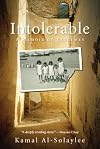
This memoir from journalist and university professor Al-Solaylee is on the 2013 Ontario Library Association's Evergreen list and is about his experiences growing up in the Middle East. He documents the stark contrast between the liberal and cosmopolitan society of his childhood, where women were comfortable wearing bikinis and Western films were popular, and the oppressive environment that developed as the religious fundamentalists took control.
In this well-paced and very readable memoir, show more the author talks honestly about his experiences and feelings, and in particular, the fears and frustrations related to his being a homosexual in a country where this could result in imprisonment or even execution. He acknowledges that the situation is even more difficult for his sisters, whose freedoms had been curtailed even more drastically.
Al-Solaylee describes how he escaped Yemen, continued his education in England and eventually settled in Canada. My favourite line in the book is the following. On contemplating his lack of material wealth during his first years in Canada, he writes, "I could live well as a poor man in Toronto because my life was enriched by many other things: from public libraries to public broadcasting to the many parks and free art galleries." Many of us who grew up in North America never lacked such things and take them for granted. Al-Solaylee, who did not have these riches and freedoms in his youth, reminds me of how lucky we are. show less
In this well-paced and very readable memoir, show more the author talks honestly about his experiences and feelings, and in particular, the fears and frustrations related to his being a homosexual in a country where this could result in imprisonment or even execution. He acknowledges that the situation is even more difficult for his sisters, whose freedoms had been curtailed even more drastically.
Al-Solaylee describes how he escaped Yemen, continued his education in England and eventually settled in Canada. My favourite line in the book is the following. On contemplating his lack of material wealth during his first years in Canada, he writes, "I could live well as a poor man in Toronto because my life was enriched by many other things: from public libraries to public broadcasting to the many parks and free art galleries." Many of us who grew up in North America never lacked such things and take them for granted. Al-Solaylee, who did not have these riches and freedoms in his youth, reminds me of how lucky we are. show less
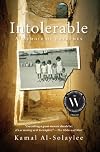
The author was born in Yemen in the 1960s. He was the youngest of 11 siblings and was only 3 years old when the family moved to Beirut (Lebanon), then not long after, they moved to Cairo (Egypt), where he spent his years growing up, and figuring out that he was gay. Most of the family eventually headed back to Yemen, but long before then, Kamal knew he had to get out of the Middle East. He yearned to go to England or the US, where he felt he would be able to be himself and not hide. He show more managed a scholarship to study in England, and from there, he eventually made his way to Canada.
This covered the 1960s (when the people of Yemen and Egypt were relatively free and not so constrained by religion) up to and including 2011. As Kamal yearned to leave, he hated to leave his mother and sisters behind, the way women were being treated by the time he got out. Some of his brothers had gone fervently religious, too much for Kamal’s liking. He tried to not look back on his life there, and even speaking to his family was difficult, as he was still hiding who he really was and it reminded him of how bad things were in the country he was born in. As things got worse in the Middle East, and in Yemen in particular with a civil war happening in 2011, he did seek out news from home.
This was really good. It was also very interesting, to read the cultural differences between the Middle Eastern countries he lived in and the Western countries. As a Canadian myself, it was really nice to see how accepted he was in Canada (Toronto, though I am from the West), regardless of his nationality and his sexual orientation. Completely not book-related, but as someone who has taken bellydance classes off and on, I had to take a brief break from reading to look up a famous Egyptian bellydancer his father hired to perform at one of his sisters’ weddings. show less
This covered the 1960s (when the people of Yemen and Egypt were relatively free and not so constrained by religion) up to and including 2011. As Kamal yearned to leave, he hated to leave his mother and sisters behind, the way women were being treated by the time he got out. Some of his brothers had gone fervently religious, too much for Kamal’s liking. He tried to not look back on his life there, and even speaking to his family was difficult, as he was still hiding who he really was and it reminded him of how bad things were in the country he was born in. As things got worse in the Middle East, and in Yemen in particular with a civil war happening in 2011, he did seek out news from home.
This was really good. It was also very interesting, to read the cultural differences between the Middle Eastern countries he lived in and the Western countries. As a Canadian myself, it was really nice to see how accepted he was in Canada (Toronto, though I am from the West), regardless of his nationality and his sexual orientation. Completely not book-related, but as someone who has taken bellydance classes off and on, I had to take a brief break from reading to look up a famous Egyptian bellydancer his father hired to perform at one of his sisters’ weddings. show less
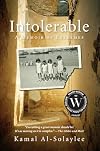
This is a coming-of-age memoir by a Muslim man growing up in Yemen, Egypt and Lebanon. His life is shaped by the rising of fundamentalist Islam, and by the fact that he is gay. He watches the freedoms his family once enjoyed disappear over time, especially for his sisters, as attitudes towards women harden. He fears for his own ability to live as a gay man in such a society.
The author talks about the growing distance -- physical and emotional -- between him and his family as he pursues show more studies in England and employment in Canada. He writes with brutal honesty about his feelings, including those that could be perceived as selfish. Yet, I often sensed a certain distance or lack of passion in the writing that had me working to maintain my sympathy for the author and the real challenges he faced. I need to think more about this one! show less
The author talks about the growing distance -- physical and emotional -- between him and his family as he pursues show more studies in England and employment in Canada. He writes with brutal honesty about his feelings, including those that could be perceived as selfish. Yet, I often sensed a certain distance or lack of passion in the writing that had me working to maintain my sympathy for the author and the real challenges he faced. I need to think more about this one! show less
One of the good things about Canada Reads is that it brings to my attention Canadian books that would otherwise escape my attention. I am really glad that this book was one of the ones nominated for the finals in 2015 because I found it a fascinating tale.
Kamal Al-Solaylee was the youngest child of 11 raised by an Anglophile Muslim man and an illiterate former shepherdess. Kamal's father was a real estate tycoon in Aden and his family had many luxuries. That all came crashing down after the show more British pulled out of Yemen and the family had to move to Beirut. Refusing to believe that the loss of his income-producing properties was permanent Kamal's father installed the family in a large and expensive apartment. Then sectarian violence forced the family to leave and they went to Cairo. Some money from bank accounts in England was available but with rising costs it was necessary for the older children to go to work and help support the family. Cairo at this time was a moderate community and the young women in the family wore makeup, went out on their own and even posed in bikinis when they went to beaches on the Mediterranean. The oldest son was the first convert to fundamentalism--he went to prayers 5 times a day, thought women should be covered from head to toe and wanted to move back to Yemen. Slowly but surely changes occurred in how the women dressed and where they went and eventually it was decided to move to Sana'a in Yemen. The author, having realized his sexual preference was other men, feared returning to Yemen because the punishment for being gay was flogging or death. He had no choice but to return for a while but he did manage to get a scholarship to an English university to study English literature. That was the start of his freedom from the fundamentalism sweeping Arab nations. He saw his parents and siblings forced to make changes to their lifestyle which was particularly hard for the females. As a momma's boy it was difficult for him to turn his back on his mother but he knew it was the only way he could survive. Although he deprecates his scholarly accomplishments Kamal has a Master's degree and a Ph. D. in English literature.
He felt he had to immigrate to a country where his religion, nationality and sexuality would not be a problem. Australia, New Zealand, USA and Canada were all acceptable to him but Canada gave him the easiest time so he moved to Toronto. The dedication of the book is:
"To Toronto, for giving me what I've been looking for: a home."
I am always fascinated by learning the stories of people who immigrate to Canada. It was a long time ago that my ancestors came here and I have never known what propelled them. This book is one story only but it presents an interesting perspective. show less
Kamal Al-Solaylee was the youngest child of 11 raised by an Anglophile Muslim man and an illiterate former shepherdess. Kamal's father was a real estate tycoon in Aden and his family had many luxuries. That all came crashing down after the show more British pulled out of Yemen and the family had to move to Beirut. Refusing to believe that the loss of his income-producing properties was permanent Kamal's father installed the family in a large and expensive apartment. Then sectarian violence forced the family to leave and they went to Cairo. Some money from bank accounts in England was available but with rising costs it was necessary for the older children to go to work and help support the family. Cairo at this time was a moderate community and the young women in the family wore makeup, went out on their own and even posed in bikinis when they went to beaches on the Mediterranean. The oldest son was the first convert to fundamentalism--he went to prayers 5 times a day, thought women should be covered from head to toe and wanted to move back to Yemen. Slowly but surely changes occurred in how the women dressed and where they went and eventually it was decided to move to Sana'a in Yemen. The author, having realized his sexual preference was other men, feared returning to Yemen because the punishment for being gay was flogging or death. He had no choice but to return for a while but he did manage to get a scholarship to an English university to study English literature. That was the start of his freedom from the fundamentalism sweeping Arab nations. He saw his parents and siblings forced to make changes to their lifestyle which was particularly hard for the females. As a momma's boy it was difficult for him to turn his back on his mother but he knew it was the only way he could survive. Although he deprecates his scholarly accomplishments Kamal has a Master's degree and a Ph. D. in English literature.
He felt he had to immigrate to a country where his religion, nationality and sexuality would not be a problem. Australia, New Zealand, USA and Canada were all acceptable to him but Canada gave him the easiest time so he moved to Toronto. The dedication of the book is:
"To Toronto, for giving me what I've been looking for: a home."
I am always fascinated by learning the stories of people who immigrate to Canada. It was a long time ago that my ancestors came here and I have never known what propelled them. This book is one story only but it presents an interesting perspective. show less
Lists
Awards


You May Also Like
Associated Authors
Statistics
- Works
- 3
- Also by
- 2
- Members
- 178
- Popularity
- #120,888
- Rating
- 3.8
- Reviews
- 9
- ISBNs
- 18
- Languages
- 1