
3.5 stars
The author is a climate scientist in Canada (based out of the University of Victoria in B.C.). This book tries to explain what is happening with “global warming” (it was published in 2008 when this phrase was still mostly used rather than “climate change”), and what we need to do about it.
Sadly, although it seemed like (some) countries were trying to do something for a while, it wasn’t enough and many of the protections that were brought in to slow climate change have been rolled back (since the book was written). Stephen Harper was Prime Minister when the book was written, and by the end of the book, Canadian scientists had been muzzled (I remember this well, as librarians were also muzzled soon after). I was reading on my e-reader (Kobo), so charts were hard (or impossible) to read, unfortunately, though he mostly (I think) explained them, anyway. Much of the book was written in a way it was fairly easy to understand, but there were some parts where I felt a bit bogged down in the science and the stats. Overall, though, I thought it was good.
The author is a climate scientist in Canada (based out of the University of Victoria in B.C.). This book tries to explain what is happening with “global warming” (it was published in 2008 when this phrase was still mostly used rather than “climate change”), and what we need to do about it.
Sadly, although it seemed like (some) countries were trying to do something for a while, it wasn’t enough and many of the protections that were brought in to slow climate change have been rolled back (since the book was written). Stephen Harper was Prime Minister when the book was written, and by the end of the book, Canadian scientists had been muzzled (I remember this well, as librarians were also muzzled soon after). I was reading on my e-reader (Kobo), so charts were hard (or impossible) to read, unfortunately, though he mostly (I think) explained them, anyway. Much of the book was written in a way it was fairly easy to understand, but there were some parts where I felt a bit bogged down in the science and the stats. Overall, though, I thought it was good.

3.5 stars
This is popular science about pretty much every aspect of the human body, from skin, senses, organs, cells, diseases, death, and so much more.
Audio. Narrated by Bill Bryson himself – I do think he narrates all, or certainly, most of his books. And he does a good job, both narrating and explaining things. I liked it. Very interesting all the way through, I thought.
This is popular science about pretty much every aspect of the human body, from skin, senses, organs, cells, diseases, death, and so much more.
Audio. Narrated by Bill Bryson himself – I do think he narrates all, or certainly, most of his books. And he does a good job, both narrating and explaining things. I liked it. Very interesting all the way through, I thought.
3.5 stars
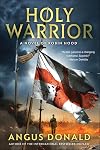
Robin Hood and his band of men are heading to the Holy Land during the Crusades along with King Richard. Alan, who joined Robin and his men 2-3 years earlier has sworn an oath to be loyal, despite all that he is learning about Robin. He isn’t the hero everyone thinks he is. He is a violent thief who has no problem murdering people, though he does also help some people. On this voyage, however, it seems that one of their own party is making attempts to kill Robin. Alan offers to help figure out who it is.
There’s way more happening in this book than I’ve summarized, yet it wasn’t a fast-moving story, either. It was good, but be warned it’s violent. I actually have read somewhere that some time period(s) (I don’t remember which, but I wouldn’t be surprised if medieval times were one) were actually pretty violent. This is the second in a series that shows Robin Hood in a very different light than is traditionally shown, but I’m enjoying it.
Robin Hood and his band of men are heading to the Holy Land during the Crusades along with King Richard. Alan, who joined Robin and his men 2-3 years earlier has sworn an oath to be loyal, despite all that he is learning about Robin. He isn’t the hero everyone thinks he is. He is a violent thief who has no problem murdering people, though he does also help some people. On this voyage, however, it seems that one of their own party is making attempts to kill Robin. Alan offers to help figure out who it is.
There’s way more happening in this book than I’ve summarized, yet it wasn’t a fast-moving story, either. It was good, but be warned it’s violent. I actually have read somewhere that some time period(s) (I don’t remember which, but I wouldn’t be surprised if medieval times were one) were actually pretty violent. This is the second in a series that shows Robin Hood in a very different light than is traditionally shown, but I’m enjoying it.
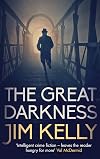
I can’t do much of a summary. What I do know (well, I think I know): it’s set during WWII in England; the main character(s?) is a police officer; I was paying attention when two people were found dead. That’s about all I know.
As usual with me, if I’m not liking a book or am bored, I skim. I keep hoping something will hook me, but it never did in this book, so I continued to skim and not much filtered to my brain about what was happening. I notice the occasional reference to WWI; from other reviews, it seems our main character fought in that war. But, no, I didn’t like it.
As usual with me, if I’m not liking a book or am bored, I skim. I keep hoping something will hook me, but it never did in this book, so I continued to skim and not much filtered to my brain about what was happening. I notice the occasional reference to WWI; from other reviews, it seems our main character fought in that war. But, no, I didn’t like it.

3.75 stars
In New York City, brothers Abe and Mort run a business together and they bought a home together, though they both have large families. Abe & Helen and their sons live on the top floor; Mort & Rose and their daughters live on the bottom. Helen and Rose are also best friends. When they not only become pregnant at the same time, they have their babies on the same stormy night at home with the only person who could get to them to help, a midwife.
In the time after this, things become strained between Rose and Helen; mostly Rose seems irritated all the time as Helen tries to help when Rose seems overwhelmed. Eventually things blow up between them, though the brothers remain close and the cousins remain friends, especially Natalie and Teddy, born that same night in the early 1950s. This follows everyone for a few decades.
The audio was done well. Not sure if the narrator had a New York accent or did one well, but it was obvious where the book was set. Boy, did Rose annoy me! Initially, I thought post-partum depression, but she never came out of it. Later on, I briefly felt badly for her when I learned a secret, but it didn’t last long – only until the next time she blew up at Helen for something else. The story is slow-moving, but I still quite liked it. The secret (twist) did catch me off guard, but it made sense.
In New York City, brothers Abe and Mort run a business together and they bought a home together, though they both have large families. Abe & Helen and their sons live on the top floor; Mort & Rose and their daughters live on the bottom. Helen and Rose are also best friends. When they not only become pregnant at the same time, they have their babies on the same stormy night at home with the only person who could get to them to help, a midwife.
In the time after this, things become strained between Rose and Helen; mostly Rose seems irritated all the time as Helen tries to help when Rose seems overwhelmed. Eventually things blow up between them, though the brothers remain close and the cousins remain friends, especially Natalie and Teddy, born that same night in the early 1950s. This follows everyone for a few decades.
The audio was done well. Not sure if the narrator had a New York accent or did one well, but it was obvious where the book was set. Boy, did Rose annoy me! Initially, I thought post-partum depression, but she never came out of it. Later on, I briefly felt badly for her when I learned a secret, but it didn’t last long – only until the next time she blew up at Helen for something else. The story is slow-moving, but I still quite liked it. The secret (twist) did catch me off guard, but it made sense.
3.5 stars
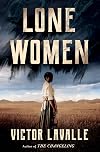
It’s 1915 in a Black community in California. Adelaide is pouring gas inside her farming home where her parents lay dead in the bedroom upstairs. Once she lights the match, she leaves with only a very heavy trunk with a tough lock on it. The driver doesn’t notice the smoke yet as they drive away. Adelaide catches a train to Montana, where women are welcome to put down a claim on some land. There is one other Black woman in the community, but Adelaide doesn’t meet her for the first little bit. Her first friend is her neighbour, Grace, and Grace’s son, Sam. But what is in that trunk that Adelaide continues to keep locked?
I liked this. I liked the historical part of it – and I learned something about Montana I didn’t know before! The lone women homesteaders were a real thing. This also mixed in a bit of “horror”/fantasy along with the historical aspect. I’m not usually a fan of magical realism, but I do like horror and there is often a supernatural element to horror, and this had that.
It’s 1915 in a Black community in California. Adelaide is pouring gas inside her farming home where her parents lay dead in the bedroom upstairs. Once she lights the match, she leaves with only a very heavy trunk with a tough lock on it. The driver doesn’t notice the smoke yet as they drive away. Adelaide catches a train to Montana, where women are welcome to put down a claim on some land. There is one other Black woman in the community, but Adelaide doesn’t meet her for the first little bit. Her first friend is her neighbour, Grace, and Grace’s son, Sam. But what is in that trunk that Adelaide continues to keep locked?
I liked this. I liked the historical part of it – and I learned something about Montana I didn’t know before! The lone women homesteaders were a real thing. This also mixed in a bit of “horror”/fantasy along with the historical aspect. I’m not usually a fan of magical realism, but I do like horror and there is often a supernatural element to horror, and this had that.
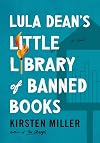
When Lula Dean and her Concerned Parents’ Committee decide to rid the local library of any book they deem offensive, she sets up a little library in front of her house with books she thinks people should read. Almost immediately, though, the lesbian daughter of one of the members of the library board switches the books within the dust jackets, so you can’t tell from the outside, but the books are now the books pulled from the shelves. People discover they are not the ones “advertised” but read them anyway. This causes all kinds of chaos (good and bad) in town.
I really liked this. There were plenty of humourous parts, but there is serious stuff in here, too (racism, rape, homophobia). Sure did like when Lula’s kids came home near the end. There were a LOT of characters, though! Plenty of times where I wasn’t sure which character was which, but generally I figured it out or it wasn’t a big issue if I didn’t in that moment. Though it will be tricky to remember for my book club discussion in more than 2 weeks!
I really liked this. There were plenty of humourous parts, but there is serious stuff in here, too (racism, rape, homophobia). Sure did like when Lula’s kids came home near the end. There were a LOT of characters, though! Plenty of times where I wasn’t sure which character was which, but generally I figured it out or it wasn’t a big issue if I didn’t in that moment. Though it will be tricky to remember for my book club discussion in more than 2 weeks!
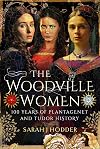
This book looks at three related women in history: Elizabeth Woodville (Edward IV’s wife and queen), Elizabeth of York (Elizabeth Woodville and Edward’s daughter; also Henry VI’s wife and queen, as well as Henry VIII’s mother), and Elizabeth Grey (also somewhat related in there).
It is nonfiction, so slow-going. I already know more about Elizabeth Woodville and Elizabeth of York, so it made it a bit easier to follow, but it also wasn’t new (or nothing I can recall was really new to me). But because there are so many people with repeating names, it’s easier to follow when I already know many of the people. And I do find repetition is sometimes a good thing as a reminder, especially when I go longer amounts of time in between reading about these people.
When it came to Elizabeth Grey (and there was also some relation there to Jane Grey), though, I wasn’t as interested, but it was also harder to follow, again with repetition of names, but also because it gets confusing with all the people, some/many of which I hadn’t read about previously as they were less in the limelight.
Another thing I don’t like is when the same person is referred to by two names; for instance, Edward IV’s brother George was also Duke of Clarence, so sometimes he was referred to as George and other times as Clarence. When it was someone I didn’t know or have read about before, I was confused. But other books do this, too. Overall, I’m rating it ok.
It is nonfiction, so slow-going. I already know more about Elizabeth Woodville and Elizabeth of York, so it made it a bit easier to follow, but it also wasn’t new (or nothing I can recall was really new to me). But because there are so many people with repeating names, it’s easier to follow when I already know many of the people. And I do find repetition is sometimes a good thing as a reminder, especially when I go longer amounts of time in between reading about these people.
When it came to Elizabeth Grey (and there was also some relation there to Jane Grey), though, I wasn’t as interested, but it was also harder to follow, again with repetition of names, but also because it gets confusing with all the people, some/many of which I hadn’t read about previously as they were less in the limelight.
Another thing I don’t like is when the same person is referred to by two names; for instance, Edward IV’s brother George was also Duke of Clarence, so sometimes he was referred to as George and other times as Clarence. When it was someone I didn’t know or have read about before, I was confused. But other books do this, too. Overall, I’m rating it ok.

4.25 stars
When 12-year old Cathy’s dad dies, her mother doesn’t know what do to for money to support her and the four kids, including Cathy, 14-year old Chris, and 5-year old twins, Carrie and Cory. Their mother has been estranged from Cathy’s grandparents for reasons unknown to Cathy, but apparently she has arranged for the family to go to the grandparents’ place. The grandparents are rich and Mom assures the kids she’ll be able to win over the grandfather, who will die soon and then leave Mom his money. Unfortunately, Mom doesn’t want Grandpa to know about the four kids, so they need to hide in the attic. They are told it shouldn’t be long now… And months, then years, go by.
The grandmother (this is even what the kids call her) brings them food, and Mom visits occasionally. The grandmother has a lot of rules, though. She is very religious and will not allow the kids to be discovered, so they must follow the rules, or there is punishment to be had.
I read this a few times (I don’t recall how many) as a teenager. But it’s been 40ish years since I read it, so wanted to reread. I remembered the one big thing:incest , but it happened differently from what I remembered. There were a few other things that I only remembered or suspected as I read. So there were a couple of surprises at the end. I enjoyed this more than I thought I might on this reread. I did listen to the audio and had no trouble paying attention. Boy that grandmother was a piece of work, but show more even Mom got to be very angering as time went on. I would like to continue and reread the series now. Looking at other reviews, well… it held up for me, but it looks like it didn’t for most other people. show less
When 12-year old Cathy’s dad dies, her mother doesn’t know what do to for money to support her and the four kids, including Cathy, 14-year old Chris, and 5-year old twins, Carrie and Cory. Their mother has been estranged from Cathy’s grandparents for reasons unknown to Cathy, but apparently she has arranged for the family to go to the grandparents’ place. The grandparents are rich and Mom assures the kids she’ll be able to win over the grandfather, who will die soon and then leave Mom his money. Unfortunately, Mom doesn’t want Grandpa to know about the four kids, so they need to hide in the attic. They are told it shouldn’t be long now… And months, then years, go by.
The grandmother (this is even what the kids call her) brings them food, and Mom visits occasionally. The grandmother has a lot of rules, though. She is very religious and will not allow the kids to be discovered, so they must follow the rules, or there is punishment to be had.
I read this a few times (I don’t recall how many) as a teenager. But it’s been 40ish years since I read it, so wanted to reread. I remembered the one big thing:
3.5 stars
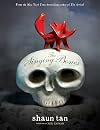
The author is also a sculptor. He has created sculptures for many of Grimms’ folk/fairy tales. In this book, the author has abridged many of these tales to only a few sentences or paragraphs (½ a page or less for each one), and alongside it, there is a picture of the sculpture he created to match the tale.
The abridgments of the tales, in some (most?) cases, are only part of the tale. I must have read them all before, as I have read the “Complete Grimms’ Fairy Tales” a number of years ago. But, of course, I don’t remember the majority unless I’ve read other retellings of them, or of course, have seen the Disney versions. In any case, I was happy to see that, once I reached the end, all the tales were told, also very briefly, but it gave the entire tale, rather than just the short abridgment alongside the sculpture.
I also recognized – and it was mentioned later – that the style of some of the sculptures mimicked Inuit sculptures. There were introductions by Neil Gaiman and Jack Zipes (who has written much about fairy tales). Gaiman focused on the author, whereas Zipes focused on the Grimm brothers.
The author is also a sculptor. He has created sculptures for many of Grimms’ folk/fairy tales. In this book, the author has abridged many of these tales to only a few sentences or paragraphs (½ a page or less for each one), and alongside it, there is a picture of the sculpture he created to match the tale.
The abridgments of the tales, in some (most?) cases, are only part of the tale. I must have read them all before, as I have read the “Complete Grimms’ Fairy Tales” a number of years ago. But, of course, I don’t remember the majority unless I’ve read other retellings of them, or of course, have seen the Disney versions. In any case, I was happy to see that, once I reached the end, all the tales were told, also very briefly, but it gave the entire tale, rather than just the short abridgment alongside the sculpture.
I also recognized – and it was mentioned later – that the style of some of the sculptures mimicked Inuit sculptures. There were introductions by Neil Gaiman and Jack Zipes (who has written much about fairy tales). Gaiman focused on the author, whereas Zipes focused on the Grimm brothers.

This isn’t really about what the title seems to indicate. The author is a writer herself and as a “single” woman (though she had plenty of relationships, she wasn’t married), she found five women (other authors) in history who spent portions of their lives unmarried. She writes about these woman, combined with anecdotes about her own relationships and work.
I didn’t like it. Which is too bad because I was looking forward to it as a 50-something year old who has never been married. I didn’t like her writing style. I think at the end (in the acknowledgments, maybe?), she said something about being a poet… that would indicate why I didn’t like her writing style. So add that to it not being about what I thought it was, I just wasn’t interested and didn’t like it.
I didn’t like it. Which is too bad because I was looking forward to it as a 50-something year old who has never been married. I didn’t like her writing style. I think at the end (in the acknowledgments, maybe?), she said something about being a poet… that would indicate why I didn’t like her writing style. So add that to it not being about what I thought it was, I just wasn’t interested and didn’t like it.
3.5 stars
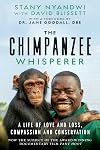
This Hutu author was only nineteen when he landed a job at the Jane Goodall Institute in Burundi. The Rwandan genocide was coming soon, and it did spill over into Burundi, as well. It turned out Stany was very good with the chimps, even though he had no education for it, and Jane Goodall herself gave him the “Chimpanzee Whisperer” nickname. Even though he married a Burundan (is that the right word?) woman and they had two kids, he continued to work at/for various chimp organizations or sanctuaries that took him away from his family, while his family continued to live in a dangerous place. He did worry, but everyone told him it was also unsafe for him to return, as a young Hutu man. Ultimately, this is a book with stories of the chimps he worked with, as well as a broader memoir.
This was good, though maybe a bit simplistic in the language – maybe because it’s through a translator? Even so, I enjoyed it. As mentioned in the summary, it’s not all about the chimpanzees. But I was interested in the rest of his life, as well. He is a very positive guy; he does attribute much of that to his faith, and he does mention God quite a bit. At the end, he also provides commentary on conservation and some of the better places to donate to for those so inclined; he sees the best places to donate to as the ones who also work with the locals (which makes sense). Jane Goodall wrote the foreword.
This Hutu author was only nineteen when he landed a job at the Jane Goodall Institute in Burundi. The Rwandan genocide was coming soon, and it did spill over into Burundi, as well. It turned out Stany was very good with the chimps, even though he had no education for it, and Jane Goodall herself gave him the “Chimpanzee Whisperer” nickname. Even though he married a Burundan (is that the right word?) woman and they had two kids, he continued to work at/for various chimp organizations or sanctuaries that took him away from his family, while his family continued to live in a dangerous place. He did worry, but everyone told him it was also unsafe for him to return, as a young Hutu man. Ultimately, this is a book with stories of the chimps he worked with, as well as a broader memoir.
This was good, though maybe a bit simplistic in the language – maybe because it’s through a translator? Even so, I enjoyed it. As mentioned in the summary, it’s not all about the chimpanzees. But I was interested in the rest of his life, as well. He is a very positive guy; he does attribute much of that to his faith, and he does mention God quite a bit. At the end, he also provides commentary on conservation and some of the better places to donate to for those so inclined; he sees the best places to donate to as the ones who also work with the locals (which makes sense). Jane Goodall wrote the foreword.
3.5 stars
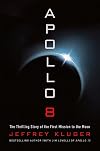
Over Christmas 1969, the Apollo 8 spacecraft was the first to take any human around the moon. Three men were testing things out in hopes of eventually landing on the moon. This is their story, leading up to and the entire trip around the moon. One of the men was in charge of photography and he took the famous picture called “Earthrise”.
This was good. There was a little bit of biographical info about each of them, as well as their families. I liked that it followed what their wives and kids were doing at various times while the men were in space (at major times when something could go very right or very wrong). It didn’t go into much detail after they came home, including follow-up space flights, though a few were mentioned. Apollo 11 was the one that landed on the moon. Apollo 13 was the one that was made into a movie with Tom Hanks where they did have some trouble; one of the men on Apollo 8 was also part of the crew on Apollo 13.
Over Christmas 1969, the Apollo 8 spacecraft was the first to take any human around the moon. Three men were testing things out in hopes of eventually landing on the moon. This is their story, leading up to and the entire trip around the moon. One of the men was in charge of photography and he took the famous picture called “Earthrise”.
This was good. There was a little bit of biographical info about each of them, as well as their families. I liked that it followed what their wives and kids were doing at various times while the men were in space (at major times when something could go very right or very wrong). It didn’t go into much detail after they came home, including follow-up space flights, though a few were mentioned. Apollo 11 was the one that landed on the moon. Apollo 13 was the one that was made into a movie with Tom Hanks where they did have some trouble; one of the men on Apollo 8 was also part of the crew on Apollo 13.
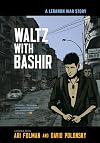
The main character (not sure of his name – it appears that this character is the author, so likely a memoir? Or is it fictionalized? I’m not sure) is having memory problems as he dreams about the war in Lebanon in 1982. He was there but can’t remember any of it, so he talks to other people he knew who were also there to try to sort everything out that happened and work through the terrible memories.
This is a graphic novel that is quick to read. I had hoped to learn more about the war, but it really didn’t tell me much. I don’t remember this (I would have been about 10 years old) and certainly didn’t follow international news. I am rating it “ok”.
This is a graphic novel that is quick to read. I had hoped to learn more about the war, but it really didn’t tell me much. I don’t remember this (I would have been about 10 years old) and certainly didn’t follow international news. I am rating it “ok”.

Wilde was found as a boy in the woods, no adults in sight, no idea how long he’d been surviving out there on his own. As an adult, he still lives on his own in the woods, but he is “close” to lawyer Hester, who is the mother of Wilde’s best friend, growing up (after Wilde ended up adopted into a home).
Hester’s grandson, Matthew, comes to both Hester and Wilde to help find a classmate who has disappeared. Naomi had been bullied. Though Matthew once tried to stand up for her (but he faced repercussions himself, so stopped), he feels guilty. This gets bigger than Naomi’s disappearance.
I really liked this. I didn’t expect the end. I did like Hester (not sure if I would in real life, but in a book I liked her!) – she’s pretty forceful (can’t think of a good word). I was a bit annoyed at the ending; not thrilled with how Wilde handled a couple of things and the end didn’t quite end. I will pick up the 2nd book, as well, not just to continue the end, but I would have even if it wasn’t a non-ending (in a way – the important things were tied up).
Hester’s grandson, Matthew, comes to both Hester and Wilde to help find a classmate who has disappeared. Naomi had been bullied. Though Matthew once tried to stand up for her (but he faced repercussions himself, so stopped), he feels guilty. This gets bigger than Naomi’s disappearance.
I really liked this. I didn’t expect the end. I did like Hester (not sure if I would in real life, but in a book I liked her!) – she’s pretty forceful (can’t think of a good word). I was a bit annoyed at the ending; not thrilled with how Wilde handled a couple of things and the end didn’t quite end. I will pick up the 2nd book, as well, not just to continue the end, but I would have even if it wasn’t a non-ending (in a way – the important things were tied up).

3.5 stars
When Nora tries to kill herself, she doesn’t quite find herself dead. She is sort of in-between… at a library where her school librarian is. At this library, Nora is instructed to write down all her regrets. She is now given the chance to go back and relive her life at some of those places where she might have made a different choice. Nora circles through numerous lives trying to find one where she might be able to stay (or finally just die, as she originally wanted).
Audio. This was good. I had no problem with the audio. I did enjoy following Nora into some of her other lives, but then suddenly each life was a sentence and she tried more and more. But it really did seem like she could do or be anything she wanted to, which was maybe not quite realistic; I guess I believe that people’s talents aren’t limitless, regardless of how much work they put into something, but then I suppose the entire premise was not really realistic. It was mostly enjoyable, though.
When Nora tries to kill herself, she doesn’t quite find herself dead. She is sort of in-between… at a library where her school librarian is. At this library, Nora is instructed to write down all her regrets. She is now given the chance to go back and relive her life at some of those places where she might have made a different choice. Nora circles through numerous lives trying to find one where she might be able to stay (or finally just die, as she originally wanted).
Audio. This was good. I had no problem with the audio. I did enjoy following Nora into some of her other lives, but then suddenly each life was a sentence and she tried more and more. But it really did seem like she could do or be anything she wanted to, which was maybe not quite realistic; I guess I believe that people’s talents aren’t limitless, regardless of how much work they put into something, but then I suppose the entire premise was not really realistic. It was mostly enjoyable, though.

Nine people have decided to head to a health retreat to help with various things going on with each of them. Ben and Jessica want help with their marriage; Napoleon and Heather are married and came with their adult daughter, Zoe; famous romance author Frances was scammed in a romance scam; and there is also Carmel, Tony, and Lars with their own issues to work through. Masha runs the retreat with the help of former-paramedic Yao, Delilah, and a few other staff.
This alternates from everyone’s point of view at different times. There are a lot of characters, but I actually didn’t find it too difficult to follow. Wow, was Masha ever a piece of work! Crazy… I liked the wrap-up at the end as we followed what everyone was doing via snippets in the weeks, months, and years after the retreat ended.
This alternates from everyone’s point of view at different times. There are a lot of characters, but I actually didn’t find it too difficult to follow. Wow, was Masha ever a piece of work! Crazy… I liked the wrap-up at the end as we followed what everyone was doing via snippets in the weeks, months, and years after the retreat ended.
3.5 stars
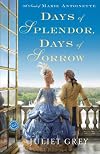
This is the second book in a trilogy about Marie Antoinette (fiction). In this one, we start when Marie marries Louis XVI when they are both 18-years old. It is years before they consummate their marriage and they finally have kids. In the meantime, Marie (or “Toinette”, as Louis calls her) leads a very lavish and expensive lifestyle, particularly with fashion (and those super-poufy hairdos!). As an Austrian (plus add in the money she spends), the French people never really warm up to her. The book ends just as the Revolution is beginning, as they realize they are in danger and are trying to get away.
This was good, though a bit slow-moving. There was the possibility of an affair that Marie had and I wondered if that had really happened (I have read a bit about her, but it’s been a long time, so I didn’t remember). Luckily, the author did have a nice note at the end to discuss what really happened and what didn’t, what was likely or speculation.
This is the second book in a trilogy about Marie Antoinette (fiction). In this one, we start when Marie marries Louis XVI when they are both 18-years old. It is years before they consummate their marriage and they finally have kids. In the meantime, Marie (or “Toinette”, as Louis calls her) leads a very lavish and expensive lifestyle, particularly with fashion (and those super-poufy hairdos!). As an Austrian (plus add in the money she spends), the French people never really warm up to her. The book ends just as the Revolution is beginning, as they realize they are in danger and are trying to get away.
This was good, though a bit slow-moving. There was the possibility of an affair that Marie had and I wondered if that had really happened (I have read a bit about her, but it’s been a long time, so I didn’t remember). Luckily, the author did have a nice note at the end to discuss what really happened and what didn’t, what was likely or speculation.
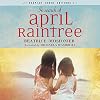
Metis sisters April and Cheryl Raintree are just kids (in the 1950s?) when they are taken from their “sick” (alcoholic, but the girls are too young to understand) parents to live in foster homes. They are together for part of their growing up years, but mostly separate, though they do get visits (also with their parents). April appears white whereas Cheryl looks Indigenous. The story continues as they reach adulthood and go their own ways, while (mostly) staying in touch.
Audio. This was very good. It did move quickly through their lives. Have to admit, although I liked her as a child, I sure didn’t like Cheryl much as an adult. The author’s note was interesting to learn that not only is she Metis, she also grew up in foster homes. Warning that there is a graphic rape scene in the book. The audio was done well, and I rarely lost focus.
Audio. This was very good. It did move quickly through their lives. Have to admit, although I liked her as a child, I sure didn’t like Cheryl much as an adult. The author’s note was interesting to learn that not only is she Metis, she also grew up in foster homes. Warning that there is a graphic rape scene in the book. The audio was done well, and I rarely lost focus.

This is a biography of Charles Manson, the man who masterminded the 1969 murders of actress Sharon Tate and her friends + a visitor on the grounds of their home that night, and Rosemary and Leno Labianca, who were murdered in their home the following night. It starts with his (teenage) mother’s family and her religious mother; his upbringing as he shuffled around between family and boarding schools, but he was never able to be controlled. From the age of 12, he was in and out of jail. When he finally headed to California to the “free love” world of Haight-Ashbury in San Francisco, he gathered together his “Family” of disciples, mostly women. The two most well known nights of murder were not the only ones committed by Manson’s Family.
There is a lot of detail in this biography. There is also a lot of history included (descriptions of San Francisco in the ‘60s come to mind). I have read Vincent Bugliosi’s “Helter Skelter” twice – once in high school and once recently (in the past year). This one doesn’t even get to the murder until about half-way through the book. I’ve read two other books (biographies) by Guinn and he is very good for getting to details. This was published in 2013, so he was able to interview some of the people involved before they died for the book, though Manson himself would never talk to him (though Guinn tried).
There is a lot of detail in this biography. There is also a lot of history included (descriptions of San Francisco in the ‘60s come to mind). I have read Vincent Bugliosi’s “Helter Skelter” twice – once in high school and once recently (in the past year). This one doesn’t even get to the murder until about half-way through the book. I’ve read two other books (biographies) by Guinn and he is very good for getting to details. This was published in 2013, so he was able to interview some of the people involved before they died for the book, though Manson himself would never talk to him (though Guinn tried).
3.5 stars
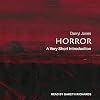
This is pretty much how it sounds from the title. It is “academic”, published by Oxford University Press, so it does look at a lot of “literary” horror: Frankenstein, Dracula, Jekyll and Hyde, etc. But there are also mentions of more current (non-literary stuff) like Twilight. There is also discussion of movies, starting with some of the bloodbath movies in the 1970s and 80s.
Audio. I thought this was good. It’s always nice to catch references and I’ve been a horror fan (books and movies) since I was a teenager. I probably missed more of the recent references than the older ones.
This is pretty much how it sounds from the title. It is “academic”, published by Oxford University Press, so it does look at a lot of “literary” horror: Frankenstein, Dracula, Jekyll and Hyde, etc. But there are also mentions of more current (non-literary stuff) like Twilight. There is also discussion of movies, starting with some of the bloodbath movies in the 1970s and 80s.
Audio. I thought this was good. It’s always nice to catch references and I’ve been a horror fan (books and movies) since I was a teenager. I probably missed more of the recent references than the older ones.
An elaborate theft happens in the special collections room in the Princeton library. Five men work together to steal some first edition manuscripts including one for F. Scott Fitzgerald’s “The Great Gatsby”. Two of them are caught right away, but the other three get away, and the manuscripts are gone.
When author Mercer Mann is approached by someone named Elaine to help them find the manuscript, she hesitates. Elaine and Co. are pretty sure the manuscripts (or at least some of them) are with a bookseller in Florida where Mercer used to spend summers with her grandmother. Elaine just wants Mercer to spy and pass on any info she finds out. Mercer will fit right in to this community of authors and the bookseller who helps them promote their works.
I quite liked this. Like Mercer, I certainly would have had misgivings/hesitations in doing something like this. But I (mostly) liked her and some of the other characters. Not a fan of the bookseller himself, Bruce, though I believe he was meant to be friendly and charming. There is a sequel (not sure how many in this series), so I’ll give it a try. It sound like both Bruce and Mercer are characters, though I could have done without Bruce.
When author Mercer Mann is approached by someone named Elaine to help them find the manuscript, she hesitates. Elaine and Co. are pretty sure the manuscripts (or at least some of them) are with a bookseller in Florida where Mercer used to spend summers with her grandmother. Elaine just wants Mercer to spy and pass on any info she finds out. Mercer will fit right in to this community of authors and the bookseller who helps them promote their works.
I quite liked this. Like Mercer, I certainly would have had misgivings/hesitations in doing something like this. But I (mostly) liked her and some of the other characters. Not a fan of the bookseller himself, Bruce, though I believe he was meant to be friendly and charming. There is a sequel (not sure how many in this series), so I’ll give it a try. It sound like both Bruce and Mercer are characters, though I could have done without Bruce.
Luzina lives in a small community in Northern Manitoba in the 1930s(?). She has 10 children (by the end of the book, anyway). Her husband builds a school, but it is mostly their children who are of the age and close enough to attend, but there are enough of the kids to be able to bring in a teacher – at least for a few years. It is a new teacher each year, but Luzina’s kids are enjoying learning.
This was slow moving, but ok. I don’t like super-long paragraphs, though, and unfortunately, there were many of those (mass market paperback size and some of the paragraphs came close to a full page!). There was a section just past the middle of the book (maybe one chapter or so? But I didn’t know if it would continue to the end or not) that focused on the priest, whom they called the Capuchin. I didn’t find that part as interesting, but it did bring in a few more characters. Luzina and her family are French-speaking, but there were also “Indians” and “halfbreeds” closeby, as well as Ukrainians and English people. Apparently the book was based on the author teaching in that area of Manitoba (as mentioned in the afterword by another Canadian author, also from Manitoba, I believe).
This was slow moving, but ok. I don’t like super-long paragraphs, though, and unfortunately, there were many of those (mass market paperback size and some of the paragraphs came close to a full page!). There was a section just past the middle of the book (maybe one chapter or so? But I didn’t know if it would continue to the end or not) that focused on the priest, whom they called the Capuchin. I didn’t find that part as interesting, but it did bring in a few more characters. Luzina and her family are French-speaking, but there were also “Indians” and “halfbreeds” closeby, as well as Ukrainians and English people. Apparently the book was based on the author teaching in that area of Manitoba (as mentioned in the afterword by another Canadian author, also from Manitoba, I believe).

Despite most not believing in vampires, it appears that there are vampires (or something like) out there murdering people. There are also a couple of magicians who work with tigers who are travelling around. Alex Cross is working on figuring out what’s going on and are these things connected? There is also a long-time storyline that is wrapped up.
Audio. This was ok. I’m not liking the series as much as at the beginning (I rated the first one very highly (for me) at 4.5 stars and it made my top 10 that year). I’d like to say this could be because I often listen to the audios (and so I do lose concentration at times and miss some things), but that first one was also an audio book. One of the good things in this audio was when we followed Alex, it was a different narrator than when we followed the vampires or magicians, so at least I could tell whose POV it was. All this being said, 3 stars is ok for me and I will plan to read the next in the series.
Audio. This was ok. I’m not liking the series as much as at the beginning (I rated the first one very highly (for me) at 4.5 stars and it made my top 10 that year). I’d like to say this could be because I often listen to the audios (and so I do lose concentration at times and miss some things), but that first one was also an audio book. One of the good things in this audio was when we followed Alex, it was a different narrator than when we followed the vampires or magicians, so at least I could tell whose POV it was. All this being said, 3 stars is ok for me and I will plan to read the next in the series.
It’s the late 18th century in Philadelphia. Peggy meets and seems to fall instantly in love with a soldier(?), Andre. I’m not exactly sure what happens, but then suddenly she has fallen in love with Benedict Arnold. They marry and have a son. There is a lot more going on here, but I missed it.
I am not American. I do not know the history. All I know of Benedict Arnold is that he was apparently some kind of traitor. I know none of the details. I thought this fictional book might help fill me in. But I had zero interest – that is, the book didn’t make it interesting enough for me to pay attention to those parts, so I still don’t know anything about Benedict Arnold except that he married and had a son.
I am not American. I do not know the history. All I know of Benedict Arnold is that he was apparently some kind of traitor. I know none of the details. I thought this fictional book might help fill me in. But I had zero interest – that is, the book didn’t make it interesting enough for me to pay attention to those parts, so I still don’t know anything about Benedict Arnold except that he married and had a son.
3.5 stars
52-year old Kelly’s older (and very rich) husband died a year ago. She is just finalizing the estate and thinking about other things when she accidentally walks into a ballroom dance studio and is convinced to try a free lesson. That free lesson turns into more private lessons, plus group lessons.
In the meantime, she also volunteers and a hospice. She is paired with someone to visit with and do whatever they need help with until they are gone. She had been doing other things for the year since her own husband died, but has now been assigned to a young woman with cancer.
I liked this. I also used to ballroom dance (well, I took lessons… never competed, never performed) off and on for 15 years. The author has also obviously danced (probably even competed, by her descriptions of the competitions).
52-year old Kelly’s older (and very rich) husband died a year ago. She is just finalizing the estate and thinking about other things when she accidentally walks into a ballroom dance studio and is convinced to try a free lesson. That free lesson turns into more private lessons, plus group lessons.
In the meantime, she also volunteers and a hospice. She is paired with someone to visit with and do whatever they need help with until they are gone. She had been doing other things for the year since her own husband died, but has now been assigned to a young woman with cancer.
I liked this. I also used to ballroom dance (well, I took lessons… never competed, never performed) off and on for 15 years. The author has also obviously danced (probably even competed, by her descriptions of the competitions).
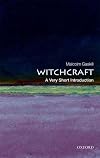
The “Very Short Introductions” is a series of small nonfiction books, published by Oxford University Press on a variety of topics. This one is on witchcraft.
Much of it did come across as academic in nature, so maybe not as interesting as I’d hoped. Was it the style of writing? Maybe. In any case, it seems that even defining witchcraft is tricky… it changes over time and it is tied up with both magic and religion. Overall, I’m rating the book ok. It is a “short” introduction, so it didn’t take long to read. I’ve been wanting to read one of these for a long time and I think this is finally the first one I’ve read! I will try more.
Much of it did come across as academic in nature, so maybe not as interesting as I’d hoped. Was it the style of writing? Maybe. In any case, it seems that even defining witchcraft is tricky… it changes over time and it is tied up with both magic and religion. Overall, I’m rating the book ok. It is a “short” introduction, so it didn’t take long to read. I’ve been wanting to read one of these for a long time and I think this is finally the first one I’ve read! I will try more.

Sports agent Myron Bolitar is at a tennis match when a young tennis player is shot (just outside? at?) the stadium. Myron takes it upon himself to try to figure out who killed Valerie.
Audio. This was ok, but I definitely missed some bits and pieces. I’d like to say the scenes moved quickly – Myron would be in one place talking to one person, then suddenly he’s somewhere else with nothing happening to get him from one place to the other. But then, maybe those were places I lost focus? This is the second book in this series and Coben’s standalone thrillers are so much better. I am not going to to continue this series; I’ll go back to his standalones.
Hmmm... I am now reminded that I picked up a later book in the series at a used book store a few years back; I had hoped to like the series enough to keep going up to and including that one… I might just skip the others in between and at least read that one, although it’s rare that I read series out of order!
Audio. This was ok, but I definitely missed some bits and pieces. I’d like to say the scenes moved quickly – Myron would be in one place talking to one person, then suddenly he’s somewhere else with nothing happening to get him from one place to the other. But then, maybe those were places I lost focus? This is the second book in this series and Coben’s standalone thrillers are so much better. I am not going to to continue this series; I’ll go back to his standalones.
Hmmm... I am now reminded that I picked up a later book in the series at a used book store a few years back; I had hoped to like the series enough to keep going up to and including that one… I might just skip the others in between and at least read that one, although it’s rare that I read series out of order!
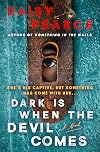
When Hazel comes “home” after a separation from her husband, she is intending on watching her parents’ precious pedigreed cats while they go on a cruise. She even makes plans to meet up with her estranged sister. But before that meetup happens, she meets Andrew; they have an amiable chat and he offers her a ride. Unfortunately, he tricks her, then locks her away in the basement of the isolated, dilapidated house he says he’s renovating. Meanwhile, Hazel has her own internal demons she is fighting and she’s losing her grip on what’s real as she is kept from her medication.
I really liked this. It had a very creepy vibe and I wasn’t sure how Hazel was going to get out of the situation she was in. I didn’t necessarily like the secondary characters (Hazel’s sister and Hazel’s high-school friend), but it didn’t take away from how much I liked the book. I did question for a while whether or not Hazel was a reliable narrator.
I really liked this. It had a very creepy vibe and I wasn’t sure how Hazel was going to get out of the situation she was in. I didn’t necessarily like the secondary characters (Hazel’s sister and Hazel’s high-school friend), but it didn’t take away from how much I liked the book. I did question for a while whether or not Hazel was a reliable narrator.
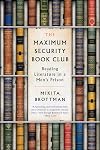
The author, a professor, decided to start a book club in a men’s prison. There were only nine members, so she got to know them while they discussed “literature”. Yes, many classics that I’m not even a fan of (some were ok; I haven’t read all they discussed, but I don’t even want to read some of them!).
I really liked this. Each chapter was a different book and she described a bit about one of the men, alternating for a different person in each following chapter. There were some illustrated portraits of all the men who participated and photographs of some of them. Since the books were not ones I’ve read or (if I have) ones I don’t remember well, though they might have been “ok”, there might have been a few references I missed. To be honest, I was more interested in the men’s lives in the prison… and out of the prison for the two that Mikita met up with after they were released. It was nice to get that bit of an update on them.
I really liked this. Each chapter was a different book and she described a bit about one of the men, alternating for a different person in each following chapter. There were some illustrated portraits of all the men who participated and photographs of some of them. Since the books were not ones I’ve read or (if I have) ones I don’t remember well, though they might have been “ok”, there might have been a few references I missed. To be honest, I was more interested in the men’s lives in the prison… and out of the prison for the two that Mikita met up with after they were released. It was nice to get that bit of an update on them.