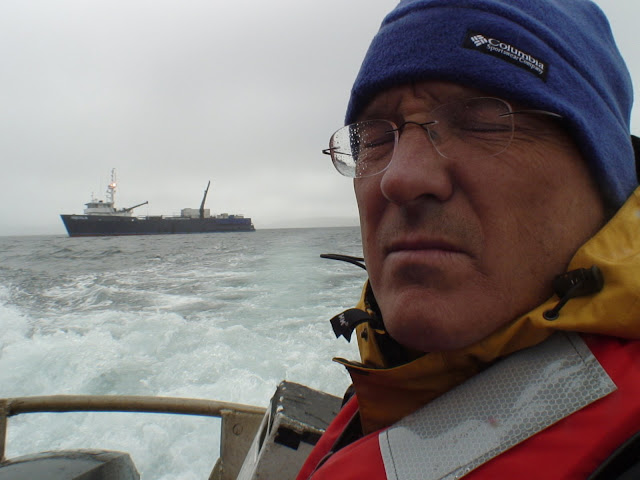
Donovan Webster (1959–2018)
Author of The Burma Road: The Epic Story of the China-Burma-India Theater in World War II
About the Author
Works by Donovan Webster
The Burma Road: The Epic Story of the China-Burma-India Theater in World War II (2003) 283 copies, 8 reviews
Aftermath: the Remnants of War: From Landmines to Chemical Warfare--The Devastating Effects of Modern Combat (1996) 182 copies, 5 reviews
Associated Works
Tagged
Common Knowledge
- Legal name
- Webster, Donovan James
- Birthdate
- 1959-01-13
- Date of death
- 2018-07-04
- Gender
- male
- Education
- Kenyon College (BA, 1981)
- Occupations
- journalist
writer - Organizations
- Outside magazine (senior editor)
- Nationality
- USA
- Birthplace
- Chicago, Illinois, USA
- Places of residence
- Charlottesville, Virginia, USA
- Place of death
- Charlottesville, Virginia, USA
- Associated Place (for map)
- Virginia, USA
Members
Reviews
As near as I can tell, author Donovan Webster intended this book to be a sort of travelogue of his trek along the remnants of the Burma Road. That’s how it starts out; in the Prologue he’s trying to convince an Indian border guard officer to let him trek the few miles of the road in northwest India, despite not having a permit to travel in a restricted boarder area. He gets nowhere but manages a tone of offended incredulity. At the other end of the book, it’s clear from the show more acknowledgements that he did hike (or at least travel somehow) a good portion of the road (starting at the Chinese end), as he gives thanks to various hostelries and people in Myanmar for their hospitality. However, the rest of the work is a straightforward if journalistic history of the China-Burma-India theater in World War II.
Although suspicious of a WWII history written by a former senior editor at Outside magazine (expecting, perhaps, complaints that the Allies didn’t use ecologically sustainable methods to fight the Japanese) I was guiltily surprised. Although The Burma Road has some of the disadvantages of history as written by a journalist (overreliance on personal stories), it’s generally a pretty good history of the CBI – always the red-headed stepchild of WWII theaters of operation. The title probably came about because “Burma Road” is probably the only phrase the average American can connect with the campaign; as it happens very little text is devoted to it because although it was the focus of all the fighting in Burma by the time it was taken from the Japanese and the connecting Ledo Road was completed the war in China was no longer very important. Instead there are extensive accounts of the political infighting among General Joe Stilwell, Lord Mountbatten, and Generalissimo Chiang Kai-Shek; the irregular units that were initially the only way to take the war to the enemy in Burma (Kachin Levies, Chindits, and Merril’s Marauders); and the Japanese invasion of India in 1944 (even though it’s the “C” in CBI, fighting in China doesn’t get much coverage). Webster is very much a fan of Stilwell and Orde Wingate; complimentary to General William Slim; neutral to Lord Mountbatten, and doesn’t care very much for Claire Chennault or Chiang Kai-Shek. As the only American ground unit fighting in the theater (there were, of course, plenty of American pilots, air crew, supply units, and road engineers) the 5307th Composite Unit (Provisional), aka Galahad Force, aka Merril’s Marauders, gets a lot of coverage. (Webster cites an unnamed Marauder, pinned down on a riverbank by machinegun fire , suffering from malaria and jungle sores, and with the seat of his pants cut out to make things easier during dysentery attacks, shouting out to his comrades “Where the hell are the other 5306 Composite Units?”). There is also an obligatory mention of The Bridge on the River Kwai, and its ultimate destruction by a B-24 raid (one of the cases where the Norden bombsight worked to its full potential).
The maps are good, but there should be some more of them (although many of the actions in the Burmese jungle were so confused it’s probably impossible to map what was going on). Most of the first person accounts are from Americans or Japanese; I would have liked to see more from British, Burmese or Chinese participants. Overall a pretty good account of an underreported part of the war. show less
Although suspicious of a WWII history written by a former senior editor at Outside magazine (expecting, perhaps, complaints that the Allies didn’t use ecologically sustainable methods to fight the Japanese) I was guiltily surprised. Although The Burma Road has some of the disadvantages of history as written by a journalist (overreliance on personal stories), it’s generally a pretty good history of the CBI – always the red-headed stepchild of WWII theaters of operation. The title probably came about because “Burma Road” is probably the only phrase the average American can connect with the campaign; as it happens very little text is devoted to it because although it was the focus of all the fighting in Burma by the time it was taken from the Japanese and the connecting Ledo Road was completed the war in China was no longer very important. Instead there are extensive accounts of the political infighting among General Joe Stilwell, Lord Mountbatten, and Generalissimo Chiang Kai-Shek; the irregular units that were initially the only way to take the war to the enemy in Burma (Kachin Levies, Chindits, and Merril’s Marauders); and the Japanese invasion of India in 1944 (even though it’s the “C” in CBI, fighting in China doesn’t get much coverage). Webster is very much a fan of Stilwell and Orde Wingate; complimentary to General William Slim; neutral to Lord Mountbatten, and doesn’t care very much for Claire Chennault or Chiang Kai-Shek. As the only American ground unit fighting in the theater (there were, of course, plenty of American pilots, air crew, supply units, and road engineers) the 5307th Composite Unit (Provisional), aka Galahad Force, aka Merril’s Marauders, gets a lot of coverage. (Webster cites an unnamed Marauder, pinned down on a riverbank by machinegun fire , suffering from malaria and jungle sores, and with the seat of his pants cut out to make things easier during dysentery attacks, shouting out to his comrades “Where the hell are the other 5306 Composite Units?”). There is also an obligatory mention of The Bridge on the River Kwai, and its ultimate destruction by a B-24 raid (one of the cases where the Norden bombsight worked to its full potential).
The maps are good, but there should be some more of them (although many of the actions in the Burmese jungle were so confused it’s probably impossible to map what was going on). Most of the first person accounts are from Americans or Japanese; I would have liked to see more from British, Burmese or Chinese participants. Overall a pretty good account of an underreported part of the war. show less
Aftermath: The Remnants of War: From Landmines to Chemical Warfare--The Devastating Effects of Modern Combat by Donovan Webster
Although somewhat dated, this was an interesting look at what is left on the battlefield--sometimes years, decades, or centuries--after war subsides. The first chapter considers the battlefields of World War I in France--Verdun, the Somme, the Marne--through the work of the demineurs who in the areas designated as the Red Zone seek to disarm unexploded shells and ordnance, of which there remained vast quantities at the time this book was written 90 years after the war's end. It was estimated show more that after the war nearly 12 million unexploded shells remained near Verdun, with more near the Somme and the Marne, and millions more on the beaches of Normandy and Brittany. It was not until 1946, after World War II, that France began systematic efforts to clear the explosives. Between 1946 and 1996 when this book was written more than 630 demineurs had died in the line of duty. And even at the time the book was written innocent civilians were still losing their lives to encounters with the unexploded detritus of war; for example, 36 farmers died in 1991 in France when their machinery hit unexploded shells.
The second chapter considers World War II, and the battlefields around Stalingrad, where many died of starvation or froze to death, in addition to battlefield casualties. As of the time the book was written, the bones of many dead (primarily) Germans littered the fields around Stalingrad.
I found the third chapter less interesting. It involved a visit to the Nevada Test Site, where nuclear weapons were exploded above-ground from 1951-1963. What's left behind is invisible: radiation and the cancers it causes. I've read several more recent books on the subject of nuclear waste and radiation, so while the descriptions of the eeriness of the site was impressive, the chapter did not offer me new information.
The fourth chapter involved a visit to Vietnam, where the war had ended only 20 years before this book was published. I lived through this war vicariously on the Nightly News with Walter Cronkite so the names were familiar. One of the most horrifying "aftermaths" the author describes in this chapter was, surprisingly, a visit to a maternity hospital, where in a room full of fetuses preserved in formaldehyde the effects of the Agent Orange the US rained down on Vietnam's jungles and fields are in full view.
The next chapter involved a visit to Kuwait by the author just a few years after the end of the First Gulf War. It was estimated that 7 million land mines were sown in the sands of Kuwait by both sides. Just a few years after the end of this war in 1991, more than 2000 civilians had been killed by the mines that had been left behind, and "nearly as many coalition-nation citizens have perished clearing Kuwait's desert of mines and bombs (83) as Americans died in the fighting itself (103)." Today, land mines crowd the soil in more than 60 countries.
The final chapter was a visit to a storage depot for nerve gas weapons. As he leaves, the author thinks, "Behind me, the alarm sounds once more."
I found this a fascinating and riveting read. We all know the horrors of war, especially never-ending wars. But my eyes were opened by the horrors left behind. While mostly anecdotal, the author has a fine eye for detail, and his observations clear and on point. Only 2 complaints: I think the book would have been enhanced with a few pictures. And, I would like some updates.
Highly Recommended. 4 stars show less
The second chapter considers World War II, and the battlefields around Stalingrad, where many died of starvation or froze to death, in addition to battlefield casualties. As of the time the book was written, the bones of many dead (primarily) Germans littered the fields around Stalingrad.
I found the third chapter less interesting. It involved a visit to the Nevada Test Site, where nuclear weapons were exploded above-ground from 1951-1963. What's left behind is invisible: radiation and the cancers it causes. I've read several more recent books on the subject of nuclear waste and radiation, so while the descriptions of the eeriness of the site was impressive, the chapter did not offer me new information.
The fourth chapter involved a visit to Vietnam, where the war had ended only 20 years before this book was published. I lived through this war vicariously on the Nightly News with Walter Cronkite so the names were familiar. One of the most horrifying "aftermaths" the author describes in this chapter was, surprisingly, a visit to a maternity hospital, where in a room full of fetuses preserved in formaldehyde the effects of the Agent Orange the US rained down on Vietnam's jungles and fields are in full view.
The next chapter involved a visit to Kuwait by the author just a few years after the end of the First Gulf War. It was estimated that 7 million land mines were sown in the sands of Kuwait by both sides. Just a few years after the end of this war in 1991, more than 2000 civilians had been killed by the mines that had been left behind, and "nearly as many coalition-nation citizens have perished clearing Kuwait's desert of mines and bombs (83) as Americans died in the fighting itself (103)." Today, land mines crowd the soil in more than 60 countries.
The final chapter was a visit to a storage depot for nerve gas weapons. As he leaves, the author thinks, "Behind me, the alarm sounds once more."
I found this a fascinating and riveting read. We all know the horrors of war, especially never-ending wars. But my eyes were opened by the horrors left behind. While mostly anecdotal, the author has a fine eye for detail, and his observations clear and on point. Only 2 complaints: I think the book would have been enhanced with a few pictures. And, I would like some updates.
Highly Recommended. 4 stars show less
Living in Asia focuses my reading interests and it was a recent visit to 'Vinegar Joe' Stilwell's former residence/office in Chungking, China two months ago, that was the impetus behind my wanting to put all the diverse bits of information I have acquired over the years of the CBI (the China-Burma-India Theatre in WWII) into a comprehensible whole. You know how it is--you've read books on Mao, on Chiang Kai-shek, on Chennault's Flying Tigers, on the Sino-Japanese War, and even Barbara show more Tuchman's superb work on Stilwell, but the pieces have never jelled.
This book does the trick, and I don't think it matters if you end up here, or start here, journalist/author Donovan Webster has done a superb job in weaving all those loose strands together into the rich tapestry of one of the most fascinating stories there is that came out of WWII. His characters are well drawn, the personal tales enrich the whole story in ways that simple facts wouldn't have cut it, and the book is one of the few I've found that tells a balanced story by including material taken from the diaries and biographies of the brave foot soldiers who fought this war regardless of uniform--Indian, American, Chinese, Burmese, Japanese. It's a page turner and if it leaves you wanting to know more, there are lots of excellent books on each of the major players in the story.
PS -- I've recommended this film in another review, but it's worth repeating. Anyone interested in this topic should do everything in their power to see the eloquent 1956 B&W Japanese anti-war movie directed by Kon Ishikawa that that tells the story of a young Japanese soldier who one day lays down his gun in Burma. It's called The Burmese Harp. show less
This book does the trick, and I don't think it matters if you end up here, or start here, journalist/author Donovan Webster has done a superb job in weaving all those loose strands together into the rich tapestry of one of the most fascinating stories there is that came out of WWII. His characters are well drawn, the personal tales enrich the whole story in ways that simple facts wouldn't have cut it, and the book is one of the few I've found that tells a balanced story by including material taken from the diaries and biographies of the brave foot soldiers who fought this war regardless of uniform--Indian, American, Chinese, Burmese, Japanese. It's a page turner and if it leaves you wanting to know more, there are lots of excellent books on each of the major players in the story.
PS -- I've recommended this film in another review, but it's worth repeating. Anyone interested in this topic should do everything in their power to see the eloquent 1956 B&W Japanese anti-war movie directed by Kon Ishikawa that that tells the story of a young Japanese soldier who one day lays down his gun in Burma. It's called The Burmese Harp. show less
The Burma Road: The Epic Story of the China-Burma-India Theater in World War II (P.S.) by Donovan Webster
This is one of those books that really makes you appreciate the size and scale of World War II. There are many books on the larger battles and campaigns of World War II. Bastogne, Normandy, Guadalcanal, Iwo Jima, Battle of the Bulge, etc... There are also plenty of books giving you the overview of combat operations in the European and Pacific theater. This book focuses on the lesser known battlefields of World War II. Don't be fooled by the title. This book is not just about the Burma Road. show more Yes, the Burma Road is mentioned throughout the book, but it is nowhere near the sole focus. It reminds me a lot of James Bradley's book Flyboys about WWII aviators in the Pacific. You think the book is simply about some US flyers that were captured after being shot down over Chichi Jima. It's much more than that.
What you get instead of a couple hundred pages about road construction in south east Asia is a fairly comprehensive overview of operations in India, China, Burma, and other south east Asia locales. The battle descriptions are just enough to let you know what was happening, but not so overwhelming with minute details that you feel like you are reading about every single bullet that was fired. The politics in terms of dealing with Chiang Kai Shek are covered in great detail. Even greater focus is placed on General "Vinegar Joe" Stilwell.
In the end, you get a fairly comprehensive overview of the battles that occurred in south east Asia. You also get insight into the arduous task of keeping China supplied during those years via large numbers of airplanes, and finally the Burma road itself. What is disappointing is that all the manpower and equipment the United States and others put into supplying China was effectively sabotaged by the one person who should have been the most grateful for the support. However, Chiang Kai Shek, like most politicians, was more interested in doing what was best for him than for the people of China.
If I had to pick one thing from the book that I enjoyed the most, it would be reading about British General Orde Wingate. He was by far the most interesting character in the book. I highly recommend this book. show less
What you get instead of a couple hundred pages about road construction in south east Asia is a fairly comprehensive overview of operations in India, China, Burma, and other south east Asia locales. The battle descriptions are just enough to let you know what was happening, but not so overwhelming with minute details that you feel like you are reading about every single bullet that was fired. The politics in terms of dealing with Chiang Kai Shek are covered in great detail. Even greater focus is placed on General "Vinegar Joe" Stilwell.
In the end, you get a fairly comprehensive overview of the battles that occurred in south east Asia. You also get insight into the arduous task of keeping China supplied during those years via large numbers of airplanes, and finally the Burma road itself. What is disappointing is that all the manpower and equipment the United States and others put into supplying China was effectively sabotaged by the one person who should have been the most grateful for the support. However, Chiang Kai Shek, like most politicians, was more interested in doing what was best for him than for the people of China.
If I had to pick one thing from the book that I enjoyed the most, it would be reading about British General Orde Wingate. He was by far the most interesting character in the book. I highly recommend this book. show less
Lists
Awards

You May Also Like


Associated Authors
Statistics
- Works
- 9
- Also by
- 3
- Members
- 534
- Popularity
- #46,619
- Rating
- 4.0
- Reviews
- 14
- ISBNs
- 17