

John Keegan (1) (1934–2012)
Author of The First World War
For other authors named John Keegan, see the disambiguation page.
About the Author
John Keegan, May 15, 1934 - August 2, 2012 John Keegan was born in London, England on May 15, 1934. He received a degree in history from Balliol College, Oxford in 1953. After graduation, he went to the United States on a grant to study the Civil War. When he returned to London, he wrote political show more reports for the United States Embassy and in 1960 was appointed as a lecturer at the Royal Military Academy at Sandhurst, England, a post he held for 25 years. During this time he also held visiting professorships at Princeton University and Vassar College. In 1997, he began working for the Daily Telegraph as a defense correspondent and then military affairs editor. He also contributed to the American website National Review Online. During his lifetime, he wrote more than 20 books about military history, the majority of which focus on warfare from the 14th to the 21st centuries. His works included Barbarossa: Invasion of Russia, The Face of Battle, A History of Warfare, Who Was Who in World War II, The Second World War, The American Civil War, The Mask of Command, and The Iraq War. He was knighted in 2000. He died on August 2, 2012 at age of 78. (Bowker Author Biography) show less
Works by John Keegan
Intelligence in War: Knowledge of the Enemy from Napoleon to Al-Qaeda (2003) 1,178 copies, 20 reviews
Six Armies in Normandy : From D-Day to the Liberation of Paris (1982) — Author — 938 copies, 16 reviews
The Illustrated Face of Battle: A Study of Agincourt, Waterloo and the Somme (1989) 88 copies, 1 review
Opening moves: August 1914 (Ballantine's illustrated history of the violent century. Campaign book, no. 19) (1971) 86 copies
The Wall Chart of World War II: A Chronological Presentation of the War that Changed the World (1991) 18 copies, 1 review
The American Civil War: A Military History [Abridged 8-CD Set] (AUDIO CD/AUDIO BOOK) (2009) 2 copies, 1 review
Anzio 1 copy
Associated Works
What If? The World's Foremost Military Historians Imagine What Might Have Been (1999) — Contributor — 1,937 copies, 27 reviews
The Western Way of War: Infantry Battle in Classical Greece (1989) — Introduction, some editions — 648 copies, 7 reviews
Booknotes: America's Finest Authors on Reading, Writing, and the Power of Ideas (1997) — Contributor — 457 copies, 5 reviews
This is Berlin: Reporting from Nazi Germany, 1938-40 (1999) — Introduction, some editions — 201 copies, 1 review
Victory at Any Cost: The Genius of Viet Nam's Gen. Vo Nguyen Giap (1996) — Foreword, some editions — 71 copies, 1 review
MHQ: The Quarterly Journal of Military History — Spring 1996 (1996) — Author "The View From Kitty Hawk" — 29 copies
MHQ: The Quarterly Journal of Military History — Autumn 1988 (1988) — Author "An Empty Ocean" — 25 copies
MHQ: The Quarterly Journal of Military History — Spring 1998 (1998) — Author "How Hitler Could Have Won in 1941" — 17 copies
MHQ: The Quarterly Journal of Military History — Winter 1993 (1992) — Author "The Parameters of Warfare" and "The Most-Fought-Over City" — 14 copies
MHQ: The Quarterly Journal of Military History — Summer 1999 (1999) — Author "The Breaking of Armies" — 12 copies
MHQ: The Quarterly Journal of Military History — Autumn 2003 (2003) — Author "Nelson's Pursuit of Napoleon" — 9 copies
MHQ: The Quarterly Journal of Military History — Autumn 2009 (2009) — Author "Reinventing the Battlefield" — 7 copies
Tagged
Common Knowledge
- Canonical name
- Keegan, John
- Legal name
- Keegan, John Desmond Patrick
- Birthdate
- 1934-05-15
- Date of death
- 2012-08-02
- Gender
- male
- Education
- Wimbledon College
King's College, Taunton
Balliol College, Oxford University (MA|1957) - Occupations
- editor
journalist
historian
university professor - Organizations
- Royal Military Academy Sandhurst
Daily Telegraph
National Review - Awards and honors
- Samuel Eliot Morison Prize (1996)
Order of the British Empire (Officer, 1991)
Knight Bachelor (2000)
BBC Reith Lecturer (1998)
Royal Society of Literature (Fellow, 1986) - Relationships
- Everett, Susanne (wife)
Keen, Maurice (brother-in-law) - Short biography
- Sir John Keegan is a famed British military historian, lecturer, writer, and journalist who has published more than 20 books on combats between the 14th and 21st centuries, especially World War II. He was born in London to a family of Irish Catholic extraction. The long-term effects of a serious illness made him unfit for military service, and the timing of his birth made him too young to serve in World War II, as he mentions ironically in his work, given his profession and interest. Following his graduation from Oxford, he worked for a few years at the American Embassy in London. In 1960 he was appointed to a lectureship in Military History at the Royal Military Academy Sandhurst, the training establishment for officers of the British Army. Holding the post for 26 years, he became senior lecturer in military history. During this period, he also held a visiting professorship at Princeton University and was Delmas Distinguished Professor of History at Vassar College. In 1986, Keegan joined the Daily Telegraph as a defence correspondent and rose to become defence editor, also writing for the American conservative website National Review Online. In 1998 he wrote and presented the BBC's Reith Lectures, entitled "War in our World." Many of his books are bestsellers.
- Nationality
- UK
- Birthplace
- Clapham, London, England, UK
- Places of residence
- Kilmington, Wiltshire, England, UK
- Place of death
- Kilmington, Wiltshire, England, UK
- Map Location
- England, UK
Members
Reviews

Egyszerűen nincs pofám nem öt csillagot adni, pedig néhol leegyszerűsítőnek éreztem Keegan megállapításait – de végtére is egy ilyen nagy szándékú összefoglaló munka törvényszerűen egyszerűsít, hogy jobban csússzon a szöveg. És hát ez a könyv annyira alap, ha a hadtudományról van szó, és annyira mázli, hogy egy ilyen kiváló pedagógus írta meg, hogy fokozottan hálás vagyok érte. Keegan áttekinti a hadászat fejlődését onnantól kezdve, hogy show more mamuttrágyával hajigáltuk egymást a bizsergető tavaszi alkonyatban – egészen a hidrogénbombáig. (Most merje valaki mondani, hogy nincs fejlődés…) Szemet gyönyörködtető az ív, amit belevisz a történetbe – nem puszta kronológiai felsorolásról van itt szó, hanem logikusan felépített ok-okozati viszonyokról. Bravúrosan kezeli azt, hogy 1.) sokrétű problémakörről van itt szó, amelynek szálait szinte lehetetlennek tűnik egyetlen ívben áttekinteni – ennek okáért külön „közjátékokban” foglalkozik a hadtudomány olyan járulékos, de nem megkerülhető elemeivel, mint az erődépítés vagy a hadtápvonalak 2.) a könyvben tárgyalt események térben és időben elképesztően szórtan helyezkednek el, és előfordulhat, hogy amíg a bolygó egyik felén a hadtudomány forradalmian új alkalmazása (a lőpor, teszem azt) már leváltotta elődjét, addig a bolygó másik felén ugyanezen előd éppen most készül elérni zenitjét. Hogy ebbe ne gabalyodjunk bele, Keegan nagyon okosan függeszti fel a szoros értelemben vett időrendet.
Amúgy meg ez a munka vállaltan Clausewitz kritikája – cáfolata annak, hogy a „háború a politika folytatása más eszközökkel”. Keegan szerint ugyanis a háború sokkal inkább a politika kudarca, hiszen a politika célja nem lehet a tágabb értelemben vett politika intézményeinek felszámolása* – viszont amikor a clausewitz-i doktrínát követve a „valóságos háborút” az „abszolút háború” felé közelítjük (ami egy eufemizmus arra, hogy a földre hozzuk a poklot), akkor a modern fegyverrendszereknek hála tulajdonképpen mindennek az elpusztítására törekszünk, beleértve a politikai intézményeket is. Meg aztán Clausewitz fejtegetései során annyira nyugat-központú, hogy észre sem veszi, saját elmélete nem univerzálható – a nem-európai népek ugyanis sajátos kulturális tényezőiknek hála teljesen más stratégiákat építettek ki maguknak.
* A „tágabb értelemben vett” kitétel azért fontos, mert a saját szemünkkel is láthatjuk, hogy a politika ugyanakkor sajna minden további nélkül törekedhet arra, hogy a szűkebb értelemben vett politikát (vö.: demokratikus intézmények) felszámolja. show less
Amúgy meg ez a munka vállaltan Clausewitz kritikája – cáfolata annak, hogy a „háború a politika folytatása más eszközökkel”. Keegan szerint ugyanis a háború sokkal inkább a politika kudarca, hiszen a politika célja nem lehet a tágabb értelemben vett politika intézményeinek felszámolása* – viszont amikor a clausewitz-i doktrínát követve a „valóságos háborút” az „abszolút háború” felé közelítjük (ami egy eufemizmus arra, hogy a földre hozzuk a poklot), akkor a modern fegyverrendszereknek hála tulajdonképpen mindennek az elpusztítására törekszünk, beleértve a politikai intézményeket is. Meg aztán Clausewitz fejtegetései során annyira nyugat-központú, hogy észre sem veszi, saját elmélete nem univerzálható – a nem-európai népek ugyanis sajátos kulturális tényezőiknek hála teljesen más stratégiákat építettek ki maguknak.
* A „tágabb értelemben vett” kitétel azért fontos, mert a saját szemünkkel is láthatjuk, hogy a politika ugyanakkor sajna minden további nélkül törekedhet arra, hogy a szűkebb értelemben vett politikát (vö.: demokratikus intézmények) felszámolja. show less
Six Armies in Normandy: From D-Day to the Liberation of Paris, June 6th - August 25th, 1944 by John Keegan
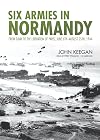
John Keegan er orðinn einn af uppáhalds höfundum mínum hvað varðar sögu síðari heimsstyrjaldarinnar. Texti hans er grípandi og lýsandi auk þess sem afburða þekking hans á hernaðarsögu skilar sér vel til skila.
Í "Six Armies in Normandy" segir Keegan frá undirbúningi innrásarinnar í Frakkland þegar Bandamenn réðust gegn þrautreyndum her Þjóðverja. Titill bókarinnar vísar til þess að hann beinir athyglinni að herjum frá sex mismunandi þjóðum sem börðust show more í þessum átökum: Bandaríkjamönnum, Bretum, Þjóðverjum, Kanadamönnum, Pólverjum og Frökkum. Hann rekur sérkenni þessara sveita, uppruna þeirra og hvernig ólíkar aðferðir lituðu framferði þeirra og samkennd.
Þetta er heillandi lýsing og Keegan setur átökin vel í samhengi við merka atburði sem eru að gerast, t.a.m. þegar pólsku hermennirnir í Frakklandi vörðust hetjulega við Falaise og með þrautseigju sinni gegndu þeir lykilhlutverki við að króa fjölda þýskra herdeilda af og valda þýska hernum óbætanlegu tjóni. Á nákvæmlega sama tíma gerði pólski heimaherinn örvæntingarfulla og misheppnaða uppreisn í Varsjá í von um að hrekja herlið Þjóðverja frá borginni og taka þannig á móti sovésku herliði sem jafningjar en sovéski herinn var þá næstum því við borgarhliðin.
Í raun er það eina sem ég hef út á bókina að setja er að ég hlustaði á "óstytta" hljóðbók sem bar með sér að inn í hana var bætt aukaupplýsingum sem voru með allt öðruvísi hljóðgæðum og skáru sig þannig nokkuð úr. En þetta er bara smáatriði. show less
Í "Six Armies in Normandy" segir Keegan frá undirbúningi innrásarinnar í Frakkland þegar Bandamenn réðust gegn þrautreyndum her Þjóðverja. Titill bókarinnar vísar til þess að hann beinir athyglinni að herjum frá sex mismunandi þjóðum sem börðust show more í þessum átökum: Bandaríkjamönnum, Bretum, Þjóðverjum, Kanadamönnum, Pólverjum og Frökkum. Hann rekur sérkenni þessara sveita, uppruna þeirra og hvernig ólíkar aðferðir lituðu framferði þeirra og samkennd.
Þetta er heillandi lýsing og Keegan setur átökin vel í samhengi við merka atburði sem eru að gerast, t.a.m. þegar pólsku hermennirnir í Frakklandi vörðust hetjulega við Falaise og með þrautseigju sinni gegndu þeir lykilhlutverki við að króa fjölda þýskra herdeilda af og valda þýska hernum óbætanlegu tjóni. Á nákvæmlega sama tíma gerði pólski heimaherinn örvæntingarfulla og misheppnaða uppreisn í Varsjá í von um að hrekja herlið Þjóðverja frá borginni og taka þannig á móti sovésku herliði sem jafningjar en sovéski herinn var þá næstum því við borgarhliðin.
Í raun er það eina sem ég hef út á bókina að setja er að ég hlustaði á "óstytta" hljóðbók sem bar með sér að inn í hana var bætt aukaupplýsingum sem voru með allt öðruvísi hljóðgæðum og skáru sig þannig nokkuð úr. En þetta er bara smáatriði. show less
Keegan is a marvelous writer. The best part of the book is about his almost magical childhood in the countryside of war-torn Britain. He enjoyed the best of times, sheltered from the horror and suffering, only later on experiencing the bleakness of post war Britain. The account of the Normandy campaign follows a cinematic approach. Keegan's narrative follows the action of distinct units. The reader witnesses the landing US 101st Airborne, joins the Canadians at Juno beach, the Scottish show more division's stopped breakout from Normandy, the English defense against the German counterattack, the vain German defense against the US onslaught and the Polish attempt at blocking a German breakout. Finally, the reader encounters the Free French liberating Paris. All in all, a gripping read in a NATO flavor - at times, it reads like the Russians were the true enemies, while the Germans just battled for the wrong side. The other problem is Keegan's cinematic approach. What happens to the units out of his focus, is not clear. Although it doesn't quite work as an operational history, it grips the reader as a popular account of some of the key scenes of Overlord and the Normandy campaign. show less
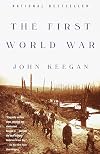
Wars are almost always stupid, but rarely are wars as stupid as World War I.
First, the war could have easily been avoided with a little basic diplomacy. Second, the armies mostly occupied trenches, stretching nearly 500 miles, and took turns attacking the other's trenches and getting massacred in the process. Millions of young men — the lost generation — sacrificed their lives for little gain. And this went on for years.
British historian John Keegan gives us an excellent summary of this show more war in “The First World War” (1998).
European countries had been making war against each other for centuries, and so most of them already had plans for the next war. The generals and national leaders seemed too eager to put these plans into effect, allowing an obscure assassination in a secondary country to escalate into global war. But technology made the war bigger and more deadly than these generals, accustomed to soldiers charging on horseback, knew how to deal with. And so armies facing each other in trenches and slaughtering each other became all but inevitable.
While the technology to kill had advanced, the technology to communicate with one's armies had not kept pace, Keegan observes. Generals often had no idea what was going on on the battlefield until it was too late.
Americans like to believe that their late entry into the war turned the tide, but this British war historian judges the Americans mostly irrelevant and gives them very few pages in his book. "It was indeed immaterial whether the doughboys fought well or not," he says. The mere fact that the Germans had run out of young men by 1918 made their army ready to topple when American soldiers started landing in Europe in large numbers.
And then the stupid war was followed by a stupid peace treaty that made the next war all but inevitable.
Keegan takes a broad view of the war, covering not just the major battles like Verdun and Somme but also telling us what was going on in Turkey, Italy, Russia, at sea and elsewhere. This books offers an intelligent overview of a stupid war. show less
First, the war could have easily been avoided with a little basic diplomacy. Second, the armies mostly occupied trenches, stretching nearly 500 miles, and took turns attacking the other's trenches and getting massacred in the process. Millions of young men — the lost generation — sacrificed their lives for little gain. And this went on for years.
British historian John Keegan gives us an excellent summary of this show more war in “The First World War” (1998).
European countries had been making war against each other for centuries, and so most of them already had plans for the next war. The generals and national leaders seemed too eager to put these plans into effect, allowing an obscure assassination in a secondary country to escalate into global war. But technology made the war bigger and more deadly than these generals, accustomed to soldiers charging on horseback, knew how to deal with. And so armies facing each other in trenches and slaughtering each other became all but inevitable.
While the technology to kill had advanced, the technology to communicate with one's armies had not kept pace, Keegan observes. Generals often had no idea what was going on on the battlefield until it was too late.
Americans like to believe that their late entry into the war turned the tide, but this British war historian judges the Americans mostly irrelevant and gives them very few pages in his book. "It was indeed immaterial whether the doughboys fought well or not," he says. The mere fact that the Germans had run out of young men by 1918 made their army ready to topple when American soldiers started landing in Europe in large numbers.
And then the stupid war was followed by a stupid peace treaty that made the next war all but inevitable.
Keegan takes a broad view of the war, covering not just the major battles like Verdun and Somme but also telling us what was going on in Turkey, Italy, Russia, at sea and elsewhere. This books offers an intelligent overview of a stupid war. show less
Lists
Awards


You May Also Like


Associated Authors
Statistics
- Works
- 60
- Also by
- 30
- Members
- 22,406
- Popularity
- #949
- Rating
- 3.8
- Reviews
- 237
- ISBNs
- 475
- Languages
- 18
- Favorited
- 4