
Robert Samuels (2)
Author of His Name Is George Floyd: One Man's Life and the Struggle for Racial Justice
For other authors named Robert Samuels, see the disambiguation page.
About the Author
Image credit: via National Press Club
Works by Robert Samuels
His Name Is George Floyd: One Man's Life and the Struggle for Racial Justice (2022) — Narrator, some editions — 198 copies, 4 reviews
Tagged
Common Knowledge
- Gender
- male
Members
Reviews
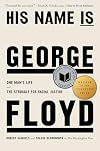
The book was written by two WaPo reporters, Robert Samuels and Touluse Olorunnipa and is about the life, the death, and the culture and policies that brought George Floyd to that terrible day when he was killed by police officer Derek Chauvin. The book is well-written and weaves in everything seamlessly--the biography, the history, the activism, and the politics following Floyd's death. But most importantly, it brings George Floyd and his humanity with his struggles to life along with those show more of his family and friends.
I always write down books mentioned in other books and while he was in prison, a friend sent him and Floyd read a copy of The Purpose Driven Life by Rick Warren and Floyd told his friend it was a game changer. I think that of everything that struck me about Floyd--like all of us he struggled and was always looking for purpose and meaning in his own life. Each person has a story to tell and this is a story worthy of Hugo. I hope others read it and it inspires them to look at the people in our communities with more humanity and others take up the fight for racial justice in this country. You should not look away from this book and the story it tells.
Be a social justice advocate. Be an ally. Be a friend. Read about others. show less
I always write down books mentioned in other books and while he was in prison, a friend sent him and Floyd read a copy of The Purpose Driven Life by Rick Warren and Floyd told his friend it was a game changer. I think that of everything that struck me about Floyd--like all of us he struggled and was always looking for purpose and meaning in his own life. Each person has a story to tell and this is a story worthy of Hugo. I hope others read it and it inspires them to look at the people in our communities with more humanity and others take up the fight for racial justice in this country. You should not look away from this book and the story it tells.
Be a social justice advocate. Be an ally. Be a friend. Read about others. show less
His Name Is George Floyd (Pulitzer Prize Winner): One Man's Life and the Struggle for Racial Justice by Robert Samuels
George Floyd’s story is a tragedy, and his death has become iconic, a marker of our times. In an age of limitless videos, the images of his final moments have been seen by millions.
The book by Robert Samuels and Toluse Olorunnipa is a complete account of Floyd’s life and how he met his untimely end. The title, “His Name is George Floyd”, is taken from the chant activists shouted in the massive protests following his death. Subtitled “One Man’s Life and The Struggle for Racial show more Justice”, the book is much more than a biography.
The first words in the book are “I love you”, a phrase Floyd often spoke before parting from family or friends. Floyd was a loving person throughout his life and when confined along with millions by the Covid lockdown, he made frequent calls to connect with those close to him. Expressions of love continued to the very end of his life where “Floyd repeatedly found his dreams diminished, deferred, and derailed – in no small part because of the color of his skin.”
This is the premise of the book, that being Black was the main determinant in Floyd’s life. Guided by this theme, the authors tell of Floyd’s forty-six years leading up to the “nine minutes and 29 seconds he spent gasping for air”, as he died and of the “historic movement for civil rights that followed.”
The authors’ stated hope was to put Floyd in context with externals forces, “never absolving him of responsibility or making excuses for his actions.” This is key because on his final day Floyd was “smoking weed, snorting powdered fentanyl and taking Tylenol.” The book covers at length the external forces affecting Floyd, from the legacy of slavery to his life as a Black man in America.
The book is comprehensive, giving the history of racial disparities in both Houston, where Floyd grew up, and of Minneapolis, where he died. The authors delve into the ancestry of major players, especially contrasting Floyd’s roots with those of Derek Chauvin, the police officer who killed him. The resulting portrait is painted as “white privilege” enjoyed by Chauvin’s ancestors as opposed to the oppression experienced by Floyd’s forebears.
While the book lists multiple reasons for Floyd’s downward trajectory, a single sentence about his final year in high school says the most. “Like Floyd, many of the young men had grown up without fathers.” This factor has proven to be the single greatest influence on a youngster’s life.
But the book looks elsewhere for explanations, making a catalogue of atrocities committed against Blacks since emancipation. After what seems like an endless stream of negativity, a positive story emerges, surprisingly just before he dies, centered on Floyd’s longstanding belief that God was watching over him.
In Texas after his mother’s death in 2018, he, a girlfriend and her uncle were on an impromptu road trip between Houston and Louisiana late at night when they ran out of gas. Driving his car, Floyd was to blame, but tried to calm his friend, saying, “God’s got us.” As he and the uncle tried to push the car, a loud pickup appeared from the darkness, pulling over in front of them and “the most redneck-looking White guy” got out. The girlfriend became fearful, recalling the racist killing of James Byrd, dragged to death from a pickup twenty years earlier in the same area. But Floyd had no qualms, walking up to the stranger, shaking hands, saying they’d run out of gas. The young man was sympathetic, arranging to tow them to a gas station and putting $15 of fuel in their car so they could be on their way. The pleasant memory breaks to the grim present when Floyd speaks his last words.
While the book is a solid biography, it is a flawed as history, steeped in the political divisions of the present. The book would serve well as an addendum to the 1619 Project. show less
The book by Robert Samuels and Toluse Olorunnipa is a complete account of Floyd’s life and how he met his untimely end. The title, “His Name is George Floyd”, is taken from the chant activists shouted in the massive protests following his death. Subtitled “One Man’s Life and The Struggle for Racial show more Justice”, the book is much more than a biography.
The first words in the book are “I love you”, a phrase Floyd often spoke before parting from family or friends. Floyd was a loving person throughout his life and when confined along with millions by the Covid lockdown, he made frequent calls to connect with those close to him. Expressions of love continued to the very end of his life where “Floyd repeatedly found his dreams diminished, deferred, and derailed – in no small part because of the color of his skin.”
This is the premise of the book, that being Black was the main determinant in Floyd’s life. Guided by this theme, the authors tell of Floyd’s forty-six years leading up to the “nine minutes and 29 seconds he spent gasping for air”, as he died and of the “historic movement for civil rights that followed.”
The authors’ stated hope was to put Floyd in context with externals forces, “never absolving him of responsibility or making excuses for his actions.” This is key because on his final day Floyd was “smoking weed, snorting powdered fentanyl and taking Tylenol.” The book covers at length the external forces affecting Floyd, from the legacy of slavery to his life as a Black man in America.
The book is comprehensive, giving the history of racial disparities in both Houston, where Floyd grew up, and of Minneapolis, where he died. The authors delve into the ancestry of major players, especially contrasting Floyd’s roots with those of Derek Chauvin, the police officer who killed him. The resulting portrait is painted as “white privilege” enjoyed by Chauvin’s ancestors as opposed to the oppression experienced by Floyd’s forebears.
While the book lists multiple reasons for Floyd’s downward trajectory, a single sentence about his final year in high school says the most. “Like Floyd, many of the young men had grown up without fathers.” This factor has proven to be the single greatest influence on a youngster’s life.
But the book looks elsewhere for explanations, making a catalogue of atrocities committed against Blacks since emancipation. After what seems like an endless stream of negativity, a positive story emerges, surprisingly just before he dies, centered on Floyd’s longstanding belief that God was watching over him.
In Texas after his mother’s death in 2018, he, a girlfriend and her uncle were on an impromptu road trip between Houston and Louisiana late at night when they ran out of gas. Driving his car, Floyd was to blame, but tried to calm his friend, saying, “God’s got us.” As he and the uncle tried to push the car, a loud pickup appeared from the darkness, pulling over in front of them and “the most redneck-looking White guy” got out. The girlfriend became fearful, recalling the racist killing of James Byrd, dragged to death from a pickup twenty years earlier in the same area. But Floyd had no qualms, walking up to the stranger, shaking hands, saying they’d run out of gas. The young man was sympathetic, arranging to tow them to a gas station and putting $15 of fuel in their car so they could be on their way. The pleasant memory breaks to the grim present when Floyd speaks his last words.
While the book is a solid biography, it is a flawed as history, steeped in the political divisions of the present. The book would serve well as an addendum to the 1619 Project. show less
His Name Is George Floyd (Pulitzer Prize Winner): One Man's Life and the Struggle for Racial Justice by Robert Samuels
Did this deserve the Pulitzer? Yes, I think so. It provides a real picture of the man, his history, his family and family relationships, his successes and his failures. In the anger over his killing and over the protests that followed, facts were mis-reported, misunderstood, mis-represented, intentional or not. The record is set straight here.
I enjoyed meeting the little boy and watching him grow. Learning his history and his deeply treasured family. His falling into addiction and his show more repeated efforts to get clean. His faith and it's importance in providing some peace in his life.
This book does not end with Floyd's death, funeral and memorial services. It goes on to follow efforts to pass national police practices laws, eliminating knee-on-neck restraint and ending no-knock warrants. show less
I enjoyed meeting the little boy and watching him grow. Learning his history and his deeply treasured family. His falling into addiction and his show more repeated efforts to get clean. His faith and it's importance in providing some peace in his life.
This book does not end with Floyd's death, funeral and memorial services. It goes on to follow efforts to pass national police practices laws, eliminating knee-on-neck restraint and ending no-knock warrants. show less
An intimate and meaningful portrayal of George Floyd along with his family and those involved in his trial and death. The book is great because it humanizes him taking the reader beyond the terrible footage of his death. He was truly a gentle giant.We see him growing up in Houston and the importance of family ties.We look at his struggles to become a well known athlete and musician as well as his struggles with claustophobia and drug use. The book culminates with the trial and his impact on show more the Black Lives Matter movement. A wonderful caring and even handed biography. show less
Lists
Awards


You May Also Like
Associated Authors
Statistics
- Works
- 2
- Members
- 222
- Popularity
- #100,928
- Rating
- 4.3
- Reviews
- 4
- ISBNs
- 60
- Favorited
- 1