
Maria Coffey
Author of Where the Mountain Casts its Shadow: The Personal Costs of Climbing
About the Author
Maria Coffey is the author and coauthor of ten books. She lives with her husband, Dag Goering, on Vancouver Island, Canada
Series
Works by Maria Coffey
Associated Works
High: Stories of Survival from Everest and K2 (Adrenaline Books) (1998) — Contributor — 132 copies, 2 reviews
Epics on Everest: Stories of Survival from the World's Highest Peak (2003) — Contributor — 35 copies
Tagged
Common Knowledge
- Gender
- female
- Relationships
- Goering, Dag (husband)
Tasker, Joe (partner) - Nationality
- UK
- Places of residence
- British Columbia, Canada
Nanaimo, British Columbia, Canada - Associated Place (for map)
- British Columbia, Canada
Members
Reviews
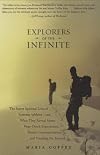
Explorers of the Infinite: The Secret Spiritual Lives of Extreme Athletes-and What They Reveal About Near-Death Experiences, Psychic Communication, and Touching the Beyond by Maria Coffey
The first and last time I jumped out of an airplane, I was 17 years old.
It was my mom who nearly died of fright. She had to sign a waiver that listed in gruesome detail all the ways her underage, unlucky son could die or sustain serious injury from skydiving. True to the odds, nothing went wrong. After four hours of “training,” the actual skydive, from Geronimo! to hard landing, lasted just a few minutes. My weekend parachute was an adrenaline rush, but hardly death-defying or life show more changing.
In contrast, the extreme adventurers in Mary Coffey's fascinating book “Explorers of the Infinite” push themselves physically and psychologically to the breaking point. Skydiver Cheryl Sterns jumped from an airplane 352 times in 24 hours, setting a Guinness World Record. Tanya Streeter free dove without oxygen to a depth of 525 feet below the ocean, holding her breath for almost three and a half minutes, her heart rate plummeting to five beats a minute, before resurfacing. Cyclist Jure Robic pedaled for 3,042 miles across the continental U.S. in 8 days, 19 hours and 33 minutes.
Such super-athletes suffer mind-numbing exhaustion, unbearable pain, intense solitude, sudden terror, and narrow escapes from death – conditions which parapsychologists know can generate paranormal experiences. And the heroes of this book have a journal’s worth, experiencing time distortions, altered states of consciousness, telepathic communications, out-of body experiences, precognition, premonitions of death, and visions of the dead.
I’ve investigated and written about these baffling phenomena for some time. So the reading pleasure for me came less from the garden-variety paranormal experiences these crazies report than from the god-awful, insane exploits which trigger them.
Fifty-five year old ultra-marathoner Marshall Ulrich had a classic out-of-body experience running the Badwater, a 135-mile, non-stop foot race across Death Valley in July when daytime temperatures can hit 129 degrees Fahrenheit. He’s done it 13 times, won it four times. Insanely, he once did it four times back and forth, non-stop, for over 77 hours, while pulling a modified baby jogger loaded with 200 pounds of water, ice and spare clothes. In 1993, while trying to break his own record, he suddenly stepped out of his body. From above, he watched himself running along, “like watching myself on a movie screen.” He remained out of body all night, until the next morning when he realized that “dawn was coming, the sun was about to rise. I knew it was time to go back into my body.” (Skydiver Sterns experienced a similar, extended OBE during her non-stop jumping.)
“Many mountaineers have sensed unexplainable presences in the high mountains,” notes Coffey. American climber Lou Whittaker in 1989 was guiding the first American assault on 28,169-foot high Kanchenjunga in the Himalayas, the third tallest mountain in the world. At his base camp, he kept sensing the presence of a middle-aged, friendly Tibetan woman spirit who communicated with him mentally, telling him everything would go OK. His wife Ingrid arrived at the base camp shortly after Lou had departed for the summit, but her ascent to 16,000 feet was so fast she suffered severe altitude sickness. She spent three days in agony in Lou’s tent, ministered to by the same Tibetan spirit. “She was wearing a headscarf and a long dress. She was shadowy and two-dimensional, like a silhouette.” The spirit would put her hand on Ingrid’s forehead, very comforting, and help her to roll over. She didn’t speak; the two women communicated telepathically. Two months later, after they had returned to the States, Ingrid finally told Lou about her strange helper. Stunned, he admitted seeing her too. They’re convinced it wasn’t a hallucination, since both sensed the same apparition. Coffee notes similar “spirit friends” assisted and comforted many well-known adventurers in their perils, including Antarctic explorer Ernest Shackleton during his desperate 36-hour trek across frigid South Georgia Island; aviator Charles “Lucky” Lindbergh on his record-breaking, non-stop transatlantic flight to Europe in 1927; and mariner Joshua Slocum, the first man to sail solo around the globe.
In 1997, Tony Bullimore was attempting to duplicate Slocum’s feat, competing in the around-the-world Vendee Globe single-handed yacht race. Two months into the race, a fierce storm in the Southern Ocean rolled his boat, trapping him upside down in his watertight cabin for almost five days. Race officials informed his wife Lalel his upturned boat had been spotted in huge seas; he was presumed dead. That night, kneeling by her bed, she received a telepathic message from him. He was alive, he had food and water, but he was exhausted and had to sleep. The following day, he mentally spoke to her again. “Oh Lal, I’m in a mess. It’s wet. The boat won’t stop rolling. I’m cold.” She told him to keep fighting. Back in his watery tomb, shivering and staring into darkness, he suddenly had a vision. He saw an Australian warship steaming for him, a boat was lowered, sailors started banging on the hull, and he watched himself swim to the surface where he was rescued. Twenty-four hours later, everything happened exactly as his vision had foretold.
Coffey presents dozens of such puzzling experiences while pondering their reality and meaning.
For an outdoor adventure writer, she demonstrates a surprising familiarity with parapsychological literature, referencing among others Rupert Sheldrake’s ESP research; Montague Ullman’s dream lab investigations; NDE studies by Raymond Moody and Sam Parnia; plus conventional counter-explanations from popular skeptics like Susan Blackmore and Robert Persinger.
Her references are understandably brief and occasionally incorrect –for example, her assertion that scientists know very little about the out-of-body phenomenon. Psychologists, physicians and investigators such as Charles Tart, Stuart Twemlow and D. Scott Rogo mapped the phenomenon several decades ago, and recent NDE research has advanced our understanding. We know a lot about them; it’s just that, like so many other paranormal phenomena, we can’t agree on where they fit in our current model of reality.
But Coffey can be forgiven for not penning a dry parapsychology book few would read. She offers enough science to ground her stories, but wisely focuses on the sense of surprise and wonder her eclectic community of daredevils find in their unexpected brushes with the infinite. As British BASE jumper Shaun Ellison puts it, “There’s so much out there that we don’t understand.” show less
It was my mom who nearly died of fright. She had to sign a waiver that listed in gruesome detail all the ways her underage, unlucky son could die or sustain serious injury from skydiving. True to the odds, nothing went wrong. After four hours of “training,” the actual skydive, from Geronimo! to hard landing, lasted just a few minutes. My weekend parachute was an adrenaline rush, but hardly death-defying or life show more changing.
In contrast, the extreme adventurers in Mary Coffey's fascinating book “Explorers of the Infinite” push themselves physically and psychologically to the breaking point. Skydiver Cheryl Sterns jumped from an airplane 352 times in 24 hours, setting a Guinness World Record. Tanya Streeter free dove without oxygen to a depth of 525 feet below the ocean, holding her breath for almost three and a half minutes, her heart rate plummeting to five beats a minute, before resurfacing. Cyclist Jure Robic pedaled for 3,042 miles across the continental U.S. in 8 days, 19 hours and 33 minutes.
Such super-athletes suffer mind-numbing exhaustion, unbearable pain, intense solitude, sudden terror, and narrow escapes from death – conditions which parapsychologists know can generate paranormal experiences. And the heroes of this book have a journal’s worth, experiencing time distortions, altered states of consciousness, telepathic communications, out-of body experiences, precognition, premonitions of death, and visions of the dead.
I’ve investigated and written about these baffling phenomena for some time. So the reading pleasure for me came less from the garden-variety paranormal experiences these crazies report than from the god-awful, insane exploits which trigger them.
Fifty-five year old ultra-marathoner Marshall Ulrich had a classic out-of-body experience running the Badwater, a 135-mile, non-stop foot race across Death Valley in July when daytime temperatures can hit 129 degrees Fahrenheit. He’s done it 13 times, won it four times. Insanely, he once did it four times back and forth, non-stop, for over 77 hours, while pulling a modified baby jogger loaded with 200 pounds of water, ice and spare clothes. In 1993, while trying to break his own record, he suddenly stepped out of his body. From above, he watched himself running along, “like watching myself on a movie screen.” He remained out of body all night, until the next morning when he realized that “dawn was coming, the sun was about to rise. I knew it was time to go back into my body.” (Skydiver Sterns experienced a similar, extended OBE during her non-stop jumping.)
“Many mountaineers have sensed unexplainable presences in the high mountains,” notes Coffey. American climber Lou Whittaker in 1989 was guiding the first American assault on 28,169-foot high Kanchenjunga in the Himalayas, the third tallest mountain in the world. At his base camp, he kept sensing the presence of a middle-aged, friendly Tibetan woman spirit who communicated with him mentally, telling him everything would go OK. His wife Ingrid arrived at the base camp shortly after Lou had departed for the summit, but her ascent to 16,000 feet was so fast she suffered severe altitude sickness. She spent three days in agony in Lou’s tent, ministered to by the same Tibetan spirit. “She was wearing a headscarf and a long dress. She was shadowy and two-dimensional, like a silhouette.” The spirit would put her hand on Ingrid’s forehead, very comforting, and help her to roll over. She didn’t speak; the two women communicated telepathically. Two months later, after they had returned to the States, Ingrid finally told Lou about her strange helper. Stunned, he admitted seeing her too. They’re convinced it wasn’t a hallucination, since both sensed the same apparition. Coffee notes similar “spirit friends” assisted and comforted many well-known adventurers in their perils, including Antarctic explorer Ernest Shackleton during his desperate 36-hour trek across frigid South Georgia Island; aviator Charles “Lucky” Lindbergh on his record-breaking, non-stop transatlantic flight to Europe in 1927; and mariner Joshua Slocum, the first man to sail solo around the globe.
In 1997, Tony Bullimore was attempting to duplicate Slocum’s feat, competing in the around-the-world Vendee Globe single-handed yacht race. Two months into the race, a fierce storm in the Southern Ocean rolled his boat, trapping him upside down in his watertight cabin for almost five days. Race officials informed his wife Lalel his upturned boat had been spotted in huge seas; he was presumed dead. That night, kneeling by her bed, she received a telepathic message from him. He was alive, he had food and water, but he was exhausted and had to sleep. The following day, he mentally spoke to her again. “Oh Lal, I’m in a mess. It’s wet. The boat won’t stop rolling. I’m cold.” She told him to keep fighting. Back in his watery tomb, shivering and staring into darkness, he suddenly had a vision. He saw an Australian warship steaming for him, a boat was lowered, sailors started banging on the hull, and he watched himself swim to the surface where he was rescued. Twenty-four hours later, everything happened exactly as his vision had foretold.
Coffey presents dozens of such puzzling experiences while pondering their reality and meaning.
For an outdoor adventure writer, she demonstrates a surprising familiarity with parapsychological literature, referencing among others Rupert Sheldrake’s ESP research; Montague Ullman’s dream lab investigations; NDE studies by Raymond Moody and Sam Parnia; plus conventional counter-explanations from popular skeptics like Susan Blackmore and Robert Persinger.
Her references are understandably brief and occasionally incorrect –for example, her assertion that scientists know very little about the out-of-body phenomenon. Psychologists, physicians and investigators such as Charles Tart, Stuart Twemlow and D. Scott Rogo mapped the phenomenon several decades ago, and recent NDE research has advanced our understanding. We know a lot about them; it’s just that, like so many other paranormal phenomena, we can’t agree on where they fit in our current model of reality.
But Coffey can be forgiven for not penning a dry parapsychology book few would read. She offers enough science to ground her stories, but wisely focuses on the sense of surprise and wonder her eclectic community of daredevils find in their unexpected brushes with the infinite. As British BASE jumper Shaun Ellison puts it, “There’s so much out there that we don’t understand.” show less

This is a very good book, presenting a very different perspective on mountaineering. This is the impact that the sport / lifestyle has on those at home - the loved ones.
Maria Coffey provides a frank account of her life in and around the hard-partying, high stakes lifestyle of the British climbing community in the late 1970s and early 1980s. She falls in love with Joe Tasker, who disappeared on Mt Everest in 1982 with Pete Boardman. They were part of the British team attempting the east show more north east ridge ascent. Chris Bonington was part of that team.
After their death, Maria, and Hilary, Boardman's widow undertake their own journey to Tibet - seeking resolution, answers, closeness to their lovers...
She is very frank about the nature of her relationship with Tasker and her fears, his shortcomings as a partner etc. The second part is about the journey Maria takes, both physical, and emotional in dealing with the loss of a partner.
In a way, it seems Hilary was better able to deal with the emotional trauma because of the surety of her relationship with Boardman. Maria and Joe had yet to make a long-term commitment.
A frank and revealing and very personal story. If you are addicted to Everest and mountaineering books (as I am) this is a worthy one to add to the collection. show less
Maria Coffey provides a frank account of her life in and around the hard-partying, high stakes lifestyle of the British climbing community in the late 1970s and early 1980s. She falls in love with Joe Tasker, who disappeared on Mt Everest in 1982 with Pete Boardman. They were part of the British team attempting the east show more north east ridge ascent. Chris Bonington was part of that team.
After their death, Maria, and Hilary, Boardman's widow undertake their own journey to Tibet - seeking resolution, answers, closeness to their lovers...
She is very frank about the nature of her relationship with Tasker and her fears, his shortcomings as a partner etc. The second part is about the journey Maria takes, both physical, and emotional in dealing with the loss of a partner.
In a way, it seems Hilary was better able to deal with the emotional trauma because of the surety of her relationship with Boardman. Maria and Joe had yet to make a long-term commitment.
A frank and revealing and very personal story. If you are addicted to Everest and mountaineering books (as I am) this is a worthy one to add to the collection. show less
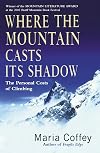
Maria Coffey's deceptively simple style works perfectly in this book allowing the reader insight into the deeply personal and often profound emotions experienced by the families of High Altitude climbers. She perfectly encapsulates the obsessions of the mountaineer, yearning for the mountains from home and yearning for home in the mountains. The dilemma facing their loved one, do they try and stop the climbing and change the person they love forever, or do they live with the fears and let show more them climb. Coffey, whose boyfriend, Joe Tasker, disappeared on Everest, sensitively explores her own grief and that of others who have lost loved ones, or part of themselves in the mountains.. But she also tries to get to the heart of what drives these men and women to leave hearth and home to risk frostbite, mountain sickness and possible death. This is a superb companion book to the testosterone filled climbing canon. show less

This is an amazing book. Maria Coffey was in love with Joe Tasker, writer and committed climber, who disappeared on Everest in 1982 alongside his climbing partner Peter Boardman. Coffey is very open about their lifestyle and the problems of being in love with someone addicted to high-altitude climbing, especially as one by one Tasker's friends are killed in various climbing incidents. I felt her frustration at Tasker's inability to commit to her, while there is still one more mountain to show more climb. Following Tasker's disappearance, Coffey and Hilary Boardman, Peter Boardman's widow, journey to Tibet seeking some kind of resolution. This is an emotional book which somehow seems to perfectly encapsulate the dilemma of being in love with someone addicted to danger, and should be required reading for anyone interested in mountaineering, show less
Awards


You May Also Like


Associated Authors
Statistics
- Works
- 21
- Also by
- 2
- Members
- 508
- Popularity
- #48,805
- Rating
- 3.9
- Reviews
- 16
- ISBNs
- 51
- Languages
- 4
- Favorited
- 2