
Dilly Court
Author of Tilly True
About the Author
Series
Works by Dilly Court
The Winter Belle: The brand new, unforgettable historical drama for autumn 2025 from the No.1 Sunday Times bestselling author (2025) 4 copies
A Mothers Secret 1 copy
A Mothers Wish 1 copy
The Saga Collection: 3 vols: Strawberry Fields, The Power of Dreams, Mermaids Singing (2007) — Contributor — 1 copy
Tagged
Common Knowledge
- Gender
- female
- Places of residence
- England, UK
- Associated Place (for map)
- England, UK
Members
Reviews
Originally posted on Tales to Tide You Over
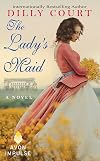
This is the second historical novel I have read by Dilly Court, and once again, she sunk me into the period with all the prejudice and classism endemic in the 1800s. The story begins with an awkward friendship between a spoiled, manipulative lady and her lifelong friend who begins the book as a beleaguered housemaid.
Okay, not quite true. It begins in the night on a hill where a Romany woman awaits the birth of her daughter’s illegitimate child for show more whom she has arranged a home. The child of a noblewoman born out of wedlock is also in her care after she found the mother already in labor by the river. The Romany grandmother finds a safe home for this girl as well, both children growing up believing themselves legitimate.
I never truly liked Josie, raised as a lady, because she is unthinking, hypercritical, and selfish, but I came to appreciate her flawed but contrite nature. She is often repentant after the fact and occasionally shows flashes of maturity even at her worst though they don’t last.
Kate, on the other hand, takes charge of every circumstance with her practical hard working personality, overcoming every obstacle except her sense of place. She’s had to work to help support her father ever since her mother died when she was young. Still, rather than being bitter toward her childhood friend, Kate does her best to help Josie come safely through whatever wild plan she’s dragged Kate into. Her loyalty and capacity for forgiveness rivals that of a saint. She takes far too much abuse from those around her, Josie included.
There are several love stories running throughout though I wouldn’t say they are the primary focus. That honor falls to the tangled relationship between the two young women. While some might protest the love story for Kate and Harry (a man whose wealth comes from trade), including Kate, there are enough historical accounts to show that love did defeat the class and wealth barriers, especially among those who earned their wealth.
Bottom line, the story is nicely resonant of its historical setting, shedding light on the biases and foul behaviors as much as the strength of bonds even when society would frown on them. I especially appreciated the clear presentation of the way different strata of society lived, demonstrated both in description and simple comments about how only the wealthy have the luxury of not knowing how much coin they possess.
The Romany were particularly well done, in my opinion. The first portrayal was enough to make me worry the author shared the views of that period, but then as the story unfolds, a much more nuanced view comes into play.
If you like historical fiction with strong personalities, tangles built out of society’s expectations, a love story, and a touch of mystery, this is one not to miss.
P.S. I received this title from the publisher through NetGalley in return for an honest review. show less
This is the second historical novel I have read by Dilly Court, and once again, she sunk me into the period with all the prejudice and classism endemic in the 1800s. The story begins with an awkward friendship between a spoiled, manipulative lady and her lifelong friend who begins the book as a beleaguered housemaid.
Okay, not quite true. It begins in the night on a hill where a Romany woman awaits the birth of her daughter’s illegitimate child for show more whom she has arranged a home. The child of a noblewoman born out of wedlock is also in her care after she found the mother already in labor by the river. The Romany grandmother finds a safe home for this girl as well, both children growing up believing themselves legitimate.
I never truly liked Josie, raised as a lady, because she is unthinking, hypercritical, and selfish, but I came to appreciate her flawed but contrite nature. She is often repentant after the fact and occasionally shows flashes of maturity even at her worst though they don’t last.
Kate, on the other hand, takes charge of every circumstance with her practical hard working personality, overcoming every obstacle except her sense of place. She’s had to work to help support her father ever since her mother died when she was young. Still, rather than being bitter toward her childhood friend, Kate does her best to help Josie come safely through whatever wild plan she’s dragged Kate into. Her loyalty and capacity for forgiveness rivals that of a saint. She takes far too much abuse from those around her, Josie included.
There are several love stories running throughout though I wouldn’t say they are the primary focus. That honor falls to the tangled relationship between the two young women. While some might protest the love story for Kate and Harry (a man whose wealth comes from trade), including Kate, there are enough historical accounts to show that love did defeat the class and wealth barriers, especially among those who earned their wealth.
Bottom line, the story is nicely resonant of its historical setting, shedding light on the biases and foul behaviors as much as the strength of bonds even when society would frown on them. I especially appreciated the clear presentation of the way different strata of society lived, demonstrated both in description and simple comments about how only the wealthy have the luxury of not knowing how much coin they possess.
The Romany were particularly well done, in my opinion. The first portrayal was enough to make me worry the author shared the views of that period, but then as the story unfolds, a much more nuanced view comes into play.
If you like historical fiction with strong personalities, tangles built out of society’s expectations, a love story, and a touch of mystery, this is one not to miss.
P.S. I received this title from the publisher through NetGalley in return for an honest review. show less
Originally posted on Tales to Tide You Over
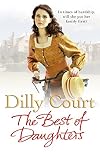
This novel is an exploration of the meaning of character, and how upbringing, companions, and circumstance influence people’s attitudes. Historical fiction’s strength is in how the themes reflect the book’s time period. The early 1900s in England continued the shift from a separation of noble and common born based on land ownership to recognition of skills and wealth with no ties to the landholders. Those entering the military during World War show more I helped with this change because enemy fire doesn’t care about social standing. The suffragette movement also rose to prominence. I think this novel successfully portrayed the mix of people who were changing, learning to change, and resisting the expansion of their social ties.
Daisy, the main character, represents both those changed and resisting. She is from the wealthy financial class and grew up alongside the local lord’s son. Her support of suffragettes makes her cross class lines on the other side, befriending Ruby from the poor part of London.
Her attitudes are not as egalitarian as you might suppose, however, illustrating the complexity of early 20th Century class politics well. This is never clearer than with Bowman. Daisy dismisses him as a local handyman, and therefore incompetent, even when her noble friend sings the man’s praises. Things get more complicated when she faces her physical reaction to this man and the problems it causes.
I don’t want to give away the plot threads around each character, but I’ll provide a teaser. The book brings World War I to life from both the volunteer nurses’ and soldiers’ perspectives. It explores bravery and cowardice, moral character, and love and lust. Only kissing occurs on screen, with thought and implication revealing the rest. Still, the dangers of passion are very real while different consequences apply based on gender and position. We gain enjoyable and illuminating insights from how the characters handle various circumstances.
The book has its dark moments, and the main characters don’t always do the right thing, but I came to know them enough to understand even their bad choices. Daisy’s need to be useful puts her in the middle of first the suffragettes and then the war itself. The description of wartime makes the costs clear, and not just on the front lines, without dwelling on the gory aspects. The story explores the power of grief both for those left at home and from the aftereffects of traumatic injury (mental and/or physical). Nor is war the only suffering with consequences raised. The conditions of the lower classes, the treatment of suffragettes, and the aftermath of thievery hold a place within the many plot threads.
I know nothing of the suffragette movement in England, but the author talks about her research into this and WWI, suggesting resources to learn more. Her portrayal feels true to the early 1900s, and Daisy’s understanding of the suffragettes is compelling even if she doesn’t agree with all steps taken in the movement’s name. The portrayal of nursing and a woman’s role in wartime is my favorite part of the novel in a lot of ways. There were a few modern phrases, but not enough to throw me out of the historical period.
Daisy grows into her own person through the events in the novel, and this growth offers a main plot to tie all the others into a coherent whole. She learns the difference between infatuation and love, how emotions can mature, and how to value people for who they are rather than her expectations of them. Her journey gives us a brilliant view of the many forces pulling at the lives and fabric of society in the early 20th Century. Her search for purpose thrusts Daisy into the forefront of events that helped shape this time. She does not stand separate. These events impact Daisy and those she cares about, making them affect us, too.
The novel is an epic story about how people are their own worst impediments as well as the horrors of World War I. It’s petty at times, and selfish, then powerful and generous to an extreme. This is a people story of a complicated era where social change destabilized the existing order and war tore everything apart. Sometimes I despaired of Daisy’s choices, only to recognize the necessity of these steps in her life journey later.
The characters have many layers, not all of them good, making them complex and interesting. Not every plot thread has the strength of the nursing and war ones, but neither are they straightforward, even when they might appear simple at first. Also, the romance thread, while not the main one, has elements of a second chances story, a favorite trope of mine. There’s a lot to absorb in The Best of Daughters, and I enjoyed my time among the characters. A solid work of historical fiction focused on the role women played in society and World War I.
P.S. I received this title from the publisher through NetGalley some time ago, then lost it for a bit because of device failure. I am giving my honest opinion now because a novel rarely grows stale. show less
This novel is an exploration of the meaning of character, and how upbringing, companions, and circumstance influence people’s attitudes. Historical fiction’s strength is in how the themes reflect the book’s time period. The early 1900s in England continued the shift from a separation of noble and common born based on land ownership to recognition of skills and wealth with no ties to the landholders. Those entering the military during World War show more I helped with this change because enemy fire doesn’t care about social standing. The suffragette movement also rose to prominence. I think this novel successfully portrayed the mix of people who were changing, learning to change, and resisting the expansion of their social ties.
Daisy, the main character, represents both those changed and resisting. She is from the wealthy financial class and grew up alongside the local lord’s son. Her support of suffragettes makes her cross class lines on the other side, befriending Ruby from the poor part of London.
Her attitudes are not as egalitarian as you might suppose, however, illustrating the complexity of early 20th Century class politics well. This is never clearer than with Bowman. Daisy dismisses him as a local handyman, and therefore incompetent, even when her noble friend sings the man’s praises. Things get more complicated when she faces her physical reaction to this man and the problems it causes.
I don’t want to give away the plot threads around each character, but I’ll provide a teaser. The book brings World War I to life from both the volunteer nurses’ and soldiers’ perspectives. It explores bravery and cowardice, moral character, and love and lust. Only kissing occurs on screen, with thought and implication revealing the rest. Still, the dangers of passion are very real while different consequences apply based on gender and position. We gain enjoyable and illuminating insights from how the characters handle various circumstances.
The book has its dark moments, and the main characters don’t always do the right thing, but I came to know them enough to understand even their bad choices. Daisy’s need to be useful puts her in the middle of first the suffragettes and then the war itself. The description of wartime makes the costs clear, and not just on the front lines, without dwelling on the gory aspects. The story explores the power of grief both for those left at home and from the aftereffects of traumatic injury (mental and/or physical). Nor is war the only suffering with consequences raised. The conditions of the lower classes, the treatment of suffragettes, and the aftermath of thievery hold a place within the many plot threads.
I know nothing of the suffragette movement in England, but the author talks about her research into this and WWI, suggesting resources to learn more. Her portrayal feels true to the early 1900s, and Daisy’s understanding of the suffragettes is compelling even if she doesn’t agree with all steps taken in the movement’s name. The portrayal of nursing and a woman’s role in wartime is my favorite part of the novel in a lot of ways. There were a few modern phrases, but not enough to throw me out of the historical period.
Daisy grows into her own person through the events in the novel, and this growth offers a main plot to tie all the others into a coherent whole. She learns the difference between infatuation and love, how emotions can mature, and how to value people for who they are rather than her expectations of them. Her journey gives us a brilliant view of the many forces pulling at the lives and fabric of society in the early 20th Century. Her search for purpose thrusts Daisy into the forefront of events that helped shape this time. She does not stand separate. These events impact Daisy and those she cares about, making them affect us, too.
The novel is an epic story about how people are their own worst impediments as well as the horrors of World War I. It’s petty at times, and selfish, then powerful and generous to an extreme. This is a people story of a complicated era where social change destabilized the existing order and war tore everything apart. Sometimes I despaired of Daisy’s choices, only to recognize the necessity of these steps in her life journey later.
The characters have many layers, not all of them good, making them complex and interesting. Not every plot thread has the strength of the nursing and war ones, but neither are they straightforward, even when they might appear simple at first. Also, the romance thread, while not the main one, has elements of a second chances story, a favorite trope of mine. There’s a lot to absorb in The Best of Daughters, and I enjoyed my time among the characters. A solid work of historical fiction focused on the role women played in society and World War I.
P.S. I received this title from the publisher through NetGalley some time ago, then lost it for a bit because of device failure. I am giving my honest opinion now because a novel rarely grows stale. show less
Originally Published on Tales to Tide You Over
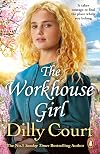
Dilly Court offers a complicated tale of a young girl born into poverty in the 1800s who suffers from the lack of agency this involves. While it could easily have become a tragic melodrama, that is not Sarah’s way. Despite her circumstances, which offer a nod to Charles Dickens and the horrid conditions suffered by the poor, Sarah retains a sense of herself as an individual. This initially harms her as she gains the attention of the workhouse show more master and his wife, who find her personhood an affront to their plans to profit from those placed in their care.
Sarah was raised by a loving mother and the random involvement of the actors in the theater where her mother worked as a cleaner. She’s eloquent and thoughtful even at a young age, facts that serve her poorly in the workhouse, but allow her to recognize the good in those few who are not there for profit or so beaten down that they don’t truly exist.
While Sarah’s nature doesn’t change much throughout the story, which follows a solid chunk of her life through tragedy and better moments, that solidity of character is what makes her a delight to read. How she responds to her circumstances, whether good or bad, and what she does in the face of adversity, gives the story a sense of adventure despite all the tragedy and almost constant danger. Sarah is a perceptive girl. She sees the good in people, but only when there is good to be seen, and she acts on that perception even when the person in question will not or cannot see that aspect of their own character.
She makes many more friends than enemies, even of those who should have stood against her as she attempts to navigate a life where nothing good lasts long because the workhouse master and his wife refuse to let what they see as an affront go. On the very first day at the workhouse, Mrs. Trigg declares Sarah the Devil’s daughter, and that focused ire cannot be appeased even long after Sarah passes out of their hands because the Triggs blame every downturn in their own lives to Sarah rather than seeing their own choices as the cause.
The sense of historical period and the lives of the lower class in the 1800s is strong and compelling. This is not a modern tale, but one seeped in the period where it is set. It’s also not so much a tale of the poor girl becoming queen as Sarah’s circumstances improve but her social position does not. Neither is it a love story, though that element develops once Sarah reaches a mature age. Though Sarah is more often driven than the driver throughout, what makes the book a worthwhile read is how she reacts to what circumstances and the villains force on her, finding connection and hope where others would be crushed. She has a strong character, a firm work ethic, and a loyalty that works to create the same in those around her, whether her one friend in the workhouse or those she meets once free of that place.
The Workhouse Girl offers a wonderful cast of characters who are not all as steadfast in their purpose as the villains but who learn and change throughout, even Sarah, though her change is more a matter of age than character. I wholeheartedly recommend this novel to those who enjoy walking in the footsteps of a broader collection of people and social positions than often found in the focus on the wealthy or noble classes.
P.S. I received this title from the publisher through NetGalley in return for an honest review. show less
Dilly Court offers a complicated tale of a young girl born into poverty in the 1800s who suffers from the lack of agency this involves. While it could easily have become a tragic melodrama, that is not Sarah’s way. Despite her circumstances, which offer a nod to Charles Dickens and the horrid conditions suffered by the poor, Sarah retains a sense of herself as an individual. This initially harms her as she gains the attention of the workhouse show more master and his wife, who find her personhood an affront to their plans to profit from those placed in their care.
Sarah was raised by a loving mother and the random involvement of the actors in the theater where her mother worked as a cleaner. She’s eloquent and thoughtful even at a young age, facts that serve her poorly in the workhouse, but allow her to recognize the good in those few who are not there for profit or so beaten down that they don’t truly exist.
While Sarah’s nature doesn’t change much throughout the story, which follows a solid chunk of her life through tragedy and better moments, that solidity of character is what makes her a delight to read. How she responds to her circumstances, whether good or bad, and what she does in the face of adversity, gives the story a sense of adventure despite all the tragedy and almost constant danger. Sarah is a perceptive girl. She sees the good in people, but only when there is good to be seen, and she acts on that perception even when the person in question will not or cannot see that aspect of their own character.
She makes many more friends than enemies, even of those who should have stood against her as she attempts to navigate a life where nothing good lasts long because the workhouse master and his wife refuse to let what they see as an affront go. On the very first day at the workhouse, Mrs. Trigg declares Sarah the Devil’s daughter, and that focused ire cannot be appeased even long after Sarah passes out of their hands because the Triggs blame every downturn in their own lives to Sarah rather than seeing their own choices as the cause.
The sense of historical period and the lives of the lower class in the 1800s is strong and compelling. This is not a modern tale, but one seeped in the period where it is set. It’s also not so much a tale of the poor girl becoming queen as Sarah’s circumstances improve but her social position does not. Neither is it a love story, though that element develops once Sarah reaches a mature age. Though Sarah is more often driven than the driver throughout, what makes the book a worthwhile read is how she reacts to what circumstances and the villains force on her, finding connection and hope where others would be crushed. She has a strong character, a firm work ethic, and a loyalty that works to create the same in those around her, whether her one friend in the workhouse or those she meets once free of that place.
The Workhouse Girl offers a wonderful cast of characters who are not all as steadfast in their purpose as the villains but who learn and change throughout, even Sarah, though her change is more a matter of age than character. I wholeheartedly recommend this novel to those who enjoy walking in the footsteps of a broader collection of people and social positions than often found in the focus on the wealthy or noble classes.
P.S. I received this title from the publisher through NetGalley in return for an honest review. show less

Though I am not a big reader of British historical romance novels, there was something about Dilly Court's The Lady's Maid that grabbed my attention. Maybe it was that awesome author's name- Dilly Court; I mean, how can you resist that? Maybe it was the cover, which reminded me of all those paperback books you would see in the racks near the back of the pharmacy at your local drugstore.
Whatever it was, I am so glad I read it. I was captivated from the very beginning, with two young woman, show more one a gyspy girl and one a lost lady ready to give birth to their babies in the woods, alone except for gypsy girl's mother.
The gypsy girl was pregnant by the son of the lord of the manor where she worked; he didn't know or care and she was betrothed to another man who wouldn't marry her if he knew the truth. The lady's fiancee was a soldier, off to war where he would die in battle. Her family wanted to hide her pregnancy for reasons of propriety.
The lady did not live after childbirth, and asked the gypsy woman to care for her baby and name her Katherine. The gypsy woman knew of a farmer whose wife had had several stillborn births and had just lost another. She delivered the baby to the farmer, telling him the baby's name and convincing him to tell his wife her own baby had lived this time.
The gypsy girl's baby was delivered to the wealthy landowner's lady-in-waiting, who conspired with her lady to pass the baby, a girl called Josephine, off as her husband's heir, as she could not have children. Just as you would expect, all the chickens will come home to roost as secrets can't stay hidden forever.
Kate worked as a maid in the castle where Josie was raised as royalty. They became best friends and although Josie could be spoiled, impulsive and temperamental, she did love Kate. Josie had a little bit of Scarlett O'Hara in her (she even shatters a glass against a wall as Scarlett did in a famous scene), and maybe that is why I liked her. It even takes place in the 1860's, as Gone With The Wind did.
Kate lived with her father after her mother died, and Sam and Molly, two orphans who ended up on their doorstep and were taken in by her father. Sam, Kate and Josie grew up together, and as they grew older, Sam had feelings for Josie that she wanted to return, but knew that love between could never be.
Josie had her eye on Harry, a handsome, wealthy merchant whom her father wanted her to marry. Once Harry met Kate however, he fell hard for her. Kate tried to hide her growing attraction to Harry, but Josie could see and became livid.
The romantic entanglements with Josie, Harry, Kate, Sam added some more elements as a local reverend who took Kate and Josie in after a carriage accident and widower who wanted Kate to marry him and become a mother to his two bratty daughters become involved.
The Lady's Maid delighted me, and Court takes a story that we are familiar with and adds her fresh spin on it. The many characters are well-drawn and interesting, from Kate and Josie down to the minor characters of Josie's elderly former nanny, and Boy, a young disabled cook whom Kate befriends.
This is a book to get lost in, transported back to old England where you hope that in the end, true love and friendship prevail, and everyone gets what they truly deserve, good and bad. show less
Whatever it was, I am so glad I read it. I was captivated from the very beginning, with two young woman, show more one a gyspy girl and one a lost lady ready to give birth to their babies in the woods, alone except for gypsy girl's mother.
The gypsy girl was pregnant by the son of the lord of the manor where she worked; he didn't know or care and she was betrothed to another man who wouldn't marry her if he knew the truth. The lady's fiancee was a soldier, off to war where he would die in battle. Her family wanted to hide her pregnancy for reasons of propriety.
The lady did not live after childbirth, and asked the gypsy woman to care for her baby and name her Katherine. The gypsy woman knew of a farmer whose wife had had several stillborn births and had just lost another. She delivered the baby to the farmer, telling him the baby's name and convincing him to tell his wife her own baby had lived this time.
The gypsy girl's baby was delivered to the wealthy landowner's lady-in-waiting, who conspired with her lady to pass the baby, a girl called Josephine, off as her husband's heir, as she could not have children. Just as you would expect, all the chickens will come home to roost as secrets can't stay hidden forever.
Kate worked as a maid in the castle where Josie was raised as royalty. They became best friends and although Josie could be spoiled, impulsive and temperamental, she did love Kate. Josie had a little bit of Scarlett O'Hara in her (she even shatters a glass against a wall as Scarlett did in a famous scene), and maybe that is why I liked her. It even takes place in the 1860's, as Gone With The Wind did.
Kate lived with her father after her mother died, and Sam and Molly, two orphans who ended up on their doorstep and were taken in by her father. Sam, Kate and Josie grew up together, and as they grew older, Sam had feelings for Josie that she wanted to return, but knew that love between could never be.
Josie had her eye on Harry, a handsome, wealthy merchant whom her father wanted her to marry. Once Harry met Kate however, he fell hard for her. Kate tried to hide her growing attraction to Harry, but Josie could see and became livid.
The romantic entanglements with Josie, Harry, Kate, Sam added some more elements as a local reverend who took Kate and Josie in after a carriage accident and widower who wanted Kate to marry him and become a mother to his two bratty daughters become involved.
The Lady's Maid delighted me, and Court takes a story that we are familiar with and adds her fresh spin on it. The many characters are well-drawn and interesting, from Kate and Josie down to the minor characters of Josie's elderly former nanny, and Boy, a young disabled cook whom Kate befriends.
This is a book to get lost in, transported back to old England where you hope that in the end, true love and friendship prevail, and everyone gets what they truly deserve, good and bad. show less
Lists
Robert's loans (4)
Awards

You May Also Like


Associated Authors
Statistics
- Works
- 53
- Members
- 1,221
- Popularity
- #21,036
- Rating
- 4.0
- Reviews
- 28
- ISBNs
- 375
- Languages
- 2
- Favorited
- 1