
Michael J. Arlen
Author of Passage to Ararat
About the Author
Image credit: Photo by Jill Krementz, found at acam-france.org
Works by Michael J. Arlen
Associated Works
Fierce Pajamas: An Anthology of Humor Writing from The New Yorker (2001) — Contributor — 790 copies, 5 reviews
Reporting Vietnam: American Journalism 1959-1969, Volume 1 (1998) — Contributor — 347 copies, 3 reviews
Tagged
Common Knowledge
- Legal name
- Arlen, Michael John
- Birthdate
- 1930-12-09
- Gender
- male
- Education
- Harvard College (AB|19520
- Occupations
- writer
- Organizations
- Life
The New Yorker - Awards and honors
- National Book Award
- Relationships
- Arlen, Michael (father)
- Nationality
- UK
USA - Birthplace
- London, England, UK
- Places of residence
- Cannes, Alpes-Maritimes, France
USA
London, England, UK - Associated Place (for map)
- London, England, UK
Members
Reviews

Michael J. Arlen's father, Michael Arlen, rarely talked about Armenia or Armenians. By the time young Michael was born, his father had traded his Armenian name for a more English sounding name. Arlen thought of himself as English, then American after the family moved to the U.S. and he became an American citizen. Armenians were something “other”, not a group he felt he belonged to.
Who are the Armenians, and how did they become what they are today? A couple of decades after his father's show more death, Arlen set out to discover his Armenian roots. He talked to Armenian Americans such as writer William Saroyan. Finally, Arlen and his wife traveled to Soviet Armenia. Arlen spent his days seeing the country with local guide Sarkis and spent his nights reading histories and reference works. Arlen struggled with his reaction to what he learned about and saw of Armenian history and culture, particularly the Turkish genocide that has shaped Armenian identity since the beginning of the 20th century. His father never spoke of this, so Arlen hadn't internalized this event that shapes a particularly Armenian worldview.
It was difficult to read about the massacre of hundreds of thousands of Armenians and the suffering of those who survived. It was chilling to realize that the Germans had a presence in Turkey during the First World War, and that the things they witnessed and heard about might have influenced what the Nazis did to the Jews of Europe. Arlen's position as an “outsider” allows him to write somewhat dispassionately about the events. The bare facts are overwhelming enough.
My only disappointment with the book is that, although Arlen mentions a number of histories and quotes extensively from some of them, there isn't a bibliography to help interested readers dig deeper into Arlen's source material. Recommended for readers interested in family history, Armenia and Armenians, and memoirs. show less
Who are the Armenians, and how did they become what they are today? A couple of decades after his father's show more death, Arlen set out to discover his Armenian roots. He talked to Armenian Americans such as writer William Saroyan. Finally, Arlen and his wife traveled to Soviet Armenia. Arlen spent his days seeing the country with local guide Sarkis and spent his nights reading histories and reference works. Arlen struggled with his reaction to what he learned about and saw of Armenian history and culture, particularly the Turkish genocide that has shaped Armenian identity since the beginning of the 20th century. His father never spoke of this, so Arlen hadn't internalized this event that shapes a particularly Armenian worldview.
It was difficult to read about the massacre of hundreds of thousands of Armenians and the suffering of those who survived. It was chilling to realize that the Germans had a presence in Turkey during the First World War, and that the things they witnessed and heard about might have influenced what the Nazis did to the Jews of Europe. Arlen's position as an “outsider” allows him to write somewhat dispassionately about the events. The bare facts are overwhelming enough.
My only disappointment with the book is that, although Arlen mentions a number of histories and quotes extensively from some of them, there isn't a bibliography to help interested readers dig deeper into Arlen's source material. Recommended for readers interested in family history, Armenia and Armenians, and memoirs. show less
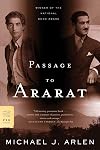
A tremendous book, and perhaps the perfect example of how to write a nonfiction historical novel. Arlen, whose father was Armenian but adopted English and then American ways, travels to Armenia to try to locate within himself his Armenian past. But his attempts are thwarted by his own lack of understanding of the Armenian's problems, and his relationship with his father.
I love how Arlen intertwines his first person narrative with his historical researches - both become stronger, especially show more in the narrative sense. His personal journey is at times harrowing, mirroring the harrowing existence of the Armenians in the last hundred years. show less
I love how Arlen intertwines his first person narrative with his historical researches - both become stronger, especially show more in the narrative sense. His personal journey is at times harrowing, mirroring the harrowing existence of the Armenians in the last hundred years. show less
It’s easy to see why Arlen’s exploration of his Armenian heritage won the National Book Award in 1976. Although it won in the category of Contemporary Affairs, Passage to Ararat is so much more than that. Although much of the focus is on Arlen’s trip in the early 1970s to the Armenian Soviet Republic and the history of Armenia, the book is as much memoir as history and exploration of father-son relations as travelogue. Not only is it a near exemplary success in each of those areas, it show more is exceptionally written. This is one of those rare books you not only look forward to reading again in the future, but regret having waited so long to pick up.
Originally posted here. show less
Originally posted here. show less
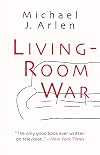
This was an early adventure into media studies by an informed observer. Arlen was in on the ground floor of the transformation of Western Life by this particular form, and was setting the terms of some of the dialogue we still find interesting today. He is trying to deal with the effect of TV upon on the sociology and mores of the USA in the 1960's. He has a lively style and reviews some programs. He moves from .Captain Kangaroo, an early attempt at Sesame Street to News and some dramas...He show more recognizes that print and TV differ in their effect on the consumer, and was a pioneer in describing the loss of attention span by them. Still useful. The biblio data is from a reprint, as I read the original from Viking Press in 1970. show less
Lists
Caucasus (1)
Awards


You May Also Like


Associated Authors
Statistics
- Works
- 10
- Also by
- 4
- Members
- 402
- Popularity
- #60,415
- Rating
- 3.6
- Reviews
- 9
- ISBNs
- 34
- Languages
- 1
- Favorited
- 2
