
Harlan Ellison (1934–2018)
Author of Dangerous Visions
About the Author
Harlan Ellison was born in Cleveland, Ohio on May 27, 1934. He was the author of numerous short story collections including Strange Wine; The Beast that Shouted Love at the Heart of the World; Harlan Ellison's Watching; Deathbird Stories; Repent Harlequin! Said the Ticktockman; I Have No Mouth and show more I Must Scream; and Stalking the Nightmare: Stories and Essays. He received numerous awards including the Hugo Award, the Nebula Award, the Bram Stoker Award, the Lifetime Achievement Award from the Horror Writer's Association, the Edgar Allen Poe Award, and the Grand Master Award for lifetime achievement from the Science Fiction and Fantasy Writers of America. He was inducted into the Science Fiction Hall of Fame in 2011. He published two collections of his columns on television for the Los Angeles Free Press entitled The Glass Teat and The Other Glass Teat. He edited several anthologies including Dangerous Visions: 33 Original Stories and Medea: Harlan's World. He received the Milford Award for Lifetime Achievement in Editing. He also wrote scripts for TV series including Burke's Law, The Alfred Hitchcock Hour, Voyage to the Bottom of the Sea, and The Man from U.N.C.L.E. He served as creative consultant on the new version of The Twilight Zone in the 1980s and as conceptual consultant on Babylon 5. He won the Writer's Guild of America's Award for Most Outstanding Teleplay four times. He died on June 27, 2018 at the age of 84. (Bowker Author Biography) show less
Disambiguation Notice:
In 2005, Harlan Ellison filed for a trademark with the US Patent and Trademark office. Officially, Harlan Ellison® is a registered trademark of The Kilimanjaro Corporation.
Image credit: Harlan Ellison, in 1991
Series
Works by Harlan Ellison
The City on the Edge of Forever: The Original Teleplay that Became the Classic Star Trek Episode (1977) — Author — 591 copies, 17 reviews
Edgeworks 4: Love Ain't Nothing But Sex Misspelled / The Beast that Shouted Love at the Heart of the World (1997) 202 copies, 1 review
Harlan Ellison's The City on the Edge of Forever [graphic novel] (2015) — Author — 176 copies, 16 reviews
Sleepless Nights in the Procrustean Bed: Essays (I.O. Evans Studies in the Philosophy & Criticism of Literature, No. 5) (1984) 150 copies, 2 reviews
Dreams With Sharp Teeth: a Three Volume Omnibus - 42 remarkable fantasies with a new introduction (1991) 98 copies
The Voice from the Edge, Vol. 2: Midnight in the Sunken Cathedral (2001) — Author; Narrator — 38 copies, 4 reviews
The fantasies of Harlan Ellison (The Gregg Press science fiction series) (1979) 15 copies, 2 reviews
The Last Person to Marry a Duck Lived 300 Years Ago: Pointed Essays by Harlan Ellison (2016) 13 copies
Adrift Just off the Islets of Langerhans: Latitude 38° 54' N Longitude 77° 00' 13 W (1974) 11 copies, 1 review
The Magazine of Fantasy and Science Fiction 67. Dinosaurier auf dem Broadway. (1983) — Contributor — 10 copies
Rock God 4 copies
Neon 4 copies
Blind Lightning [short story] 4 copies
Seeing 4 copies
Are You Listening? 4 copies
The Crackpots 4 copies
Killing Bernstein 4 copies
Cold Friend 4 copies
Deeper Than the Darkness 4 copies
Santa Claus vs. S.P.I.D.E.R. 3 copies
Phoenix [short fiction] 3 copies
Chatting With Anubis 3 copies
Incognita, Inc. 3 copies
White on White [short fiction] 3 copies
Laugh Track {short story} 3 copies
A Path Through the Darkness 3 copies
Coffin Nails 3 copies
Night Vigil 3 copies
Eyes of Dust [short story] 3 copies
Kiss of Fire [Short story] 3 copies
Broken Glass {short story} 3 copies
Jane Doe #112 [short fiction] 3 copies
Tracking Level [short story] 3 copies
Bright Eyes 3 copies
Eidolons {short story} 3 copies
The Discarded 3 copies
The Power of the Nail 3 copies
Invasion Footnote [short story] 3 copies
Keyboard 3 copies
Toe the Line 2 copies
The Dragon On The Bookshelf 2 copies
The Boulevard Of Broken Dreams 2 copies
Opposites Attract 2 copies
Nedra at f5.6 2 copies
Eddie You're My Friend 2 copies
Status Quo at Troyden's 2 copies
危険なヴィジョン〔完全版〕 2 2 copies
Riding the Dark Train Out 2 copies
GIGANTE SENZA TEMPO 2 copies
The Universe of Robert Blake 2 copies
Battle Without Banners 2 copies
Sally in Our Alley 2 copies
危険なヴィジョン〔完全版〕1 2 copies
危険なヴィジョン〔完全版〕 3 2 copies
The City on the Edge of Forever (Harlan Ellison Collecton) by Ellison, Harlan (2014) Paperback (1900) 2 copies
Doomsman with Telepower 2 copies
Go Toward the Light 2 copies
The Avenger of Death [short story] 2 copies
Quicktime [short story] 2 copies
Stuffing [short story] 2 copies
On the Slab [short story] 2 copies
Escapegoat {short story} 2 copies
DC Comics Presents: Justice League of America (2004) #1 Secret Behind The Stolen Super-Weapons; Mayhem of the Mysterious Marauders (2004) 2 copies
Moonlighting [short fiction] 2 copies
Gnomebody 2 copies
Enter the Fanatic Stage Center 2 copies
Gentleman Junkie [short story] 2 copies
Transcending Destiny [short story] 2 copies
Final Trophy [short story] 2 copies
Do-It-Yourself 2 copies
G. B. K. 2 copies
Flop Sweat 2 copies
The Few The Proud 2 copies
Ormond Always Pays His Bills 2 copies
The Silver Corridor [short story] 2 copies
The Kong Papers 2 copies
Susan [short story] 2 copies
White Trash Don't Exist 2 copies
Promises of Laughter 2 copies
Thicker Than Blood 2 copies
Night of Black Glass [short story] 2 copies
Commuter's Problem 2 copies
Up Christopher to Madness 2 copies
Two Inches in Tomorrow's Column 2 copies
Wonderbird 2 copies
The New York Review of Bird 2 copies
Rodney Parish for Hire 2 copies
The End of the Time of Leinard 2 copies
Visionary [short story] 2 copies
Blank... [short story] 2 copies
Down in the Dark 2 copies
Hadj [short story] 2 copies
Quiet Lies the Locust Tells 2 copies
Pride in the Profession 2 copies
The Children's Hour 2 copies
Tiny Ally [short story] 2 copies
Rain Rain Go Away 2 copies
The Goddess in the Ice [short story] 2 copies
The Day I Died [short story] 2 copies
The Man on the Juice Wagon 2 copies
Would You Do It For a Penny? 1 copy
Kyben - The Complete Stories 1 copy
Opium 1 copy
Fantasy and Science Fiction Magazine; Vol. 88, No. 1; Jan. 1995 (Containing an Original Harlan Ellison Story) (1995) 1 copy
Django 1 copy
Ellison Harlan 1 copy
Pulp Stories, Volume 2 1 copy
Eggsucker 1 copy
Run, Spot, Run [short story] 1 copy
The Thing at the Top of the Stairs/Eidolons — Contributor — 1 copy
Battlefield [short story] 1 copy
Mealtime [short story] 1 copy
Pulp Stories, Vol. I 1 copy
Glow Worm 1 copy
A Lot of Saucers 1 copy
The Untouchable Adolescents 1 copy
Peter Merton's Private Mint 1 copy
Cosmic Striptease 1 copy
Opowiadania najlepsze 1 copy
The Whore with a Heart of Iron Pyrites; or Where Does a Writer Go to Find a Maggie? [short story] 1 copy
This Is Jackie Spinning 1 copy
Memory of a Muted Trumpet 1 copy
Someone Is Hungrier 1 copy
Logan's Run: Crypt [script] 1 copy
High Dice 1 copy
The Late Great Arnie Draper 1 copy
No Game for Children 1 copy
There's One on Every Campus 1 copy
Lady Bug Lady Bug 1 copy
The Assassin 1 copy
The Truth 1 copy
Payment Returned Unopened 1 copy
In Fear of K [short story] 1 copy
Turnpike 1 copy
Now You're In the Box! 1 copy
O pentachronos Tzefti 1 copy
First Holy Chameleon 1 copy
Mona at Her Windows 1 copy
The Man with Nine Lives 1 copy
The Silence of Infidelity 1 copy
L is for Loup-Garou 1 copy
No Fourth Commandment 1 copy
RFD #2 1 copy
Have Coolth 1 copy
The Rocks of Gogroth 1 copy
May We Also Speak? 1 copy
Dream Corridor Press Kit 1 copy
Weariness (short story) 1 copy
Rogue Magazine 1 copy
Eidolon magazine 1 copy
Ellison Unfrocked 1 copy
Shoppe Keeper 1 copy
Inside the Turret 1 copy
World of Women 1 copy
A Touch of Infinity 1 copy
The Twilight Zone No. 1 1 copy
Wanted in Surgery 1 copy
Rat Hater [short story] 1 copy
Joy Ride [short story] 1 copy
Kid Killer [short story] 1 copy
Sob Story {short story} 1 copy
The Dead Shot [short story] 1 copy
Made in Heaven [short story] 1 copy
Associated Works
The Stephen King Companion: Four Decades of Fear from the Master of Horror (2015) — Contributor, some editions — 638 copies, 5 reviews
Alien Sex: 19 Tales by the Masters of Science Fiction and Dark Fantasy (1990) — Contributor — 532 copies, 6 reviews
The Big Book of Science Fiction: The Ultimate Collection (2016) — Contributor — 521 copies, 8 reviews
Doctor Who and the Genesis of the Daleks (1976) — Contributor, some editions — 505 copies, 4 reviews
Doctor Who and the Revenge of the Cybermen (1976) — Introduction, some editions — 430 copies, 2 reviews
Doctor Who and the Talons of Weng-Chiang (1977) — Introduction, some editions — 412 copies, 3 reviews
Doctor Who and the Masque of Mandragora (1977) — Introduction, some editions — 402 copies, 5 reviews
The Mammoth Book of Extreme Science Fiction: New Generation Far-Future SF (2006) — Contributor — 351 copies, 7 reviews
The Norton Book of Science Fiction: North American Science Fiction, 1960-1990 (1993) — Contributor — 346 copies, 6 reviews
Wandering Stars: An Anthology of Jewish Fantasy and Science Fiction (1974) — Contributor — 341 copies, 6 reviews
The Year's Best Fantasy and Horror: First Annual Collection (1986) — Contributor — 333 copies, 6 reviews
The Year's Best Fantasy and Horror: Eighth Annual Collection (1995) — Contributor — 330 copies, 6 reviews
American Fantastic Tales : Terror and the Uncanny from the 1940's to Now (2009) — Contributor — 299 copies, 5 reviews
The Locus Awards: Thirty Years of the Best in Science Fiction and Fantasy (2004) — Contributor — 291 copies, 11 reviews
The Year's Best Fantasy and Horror: Seventh Annual Collection (1994) — Contributor — 284 copies, 3 reviews
The Science Fiction Hall of Fame, Volume Three: Nebula Winners 1965-1969 (1982) — Contributor — 267 copies, 1 review
The Year's Best Fantasy and Horror: Fourteenth Annual Collection (2001) — Contributor — 257 copies, 2 reviews
The Year's Best Fantasy and Horror: Sixth Annual Collection (1993) — Contributor — 219 copies, 1 review
The Vampire Archives: The Most Complete Volume of Vampire Tales Ever Published (2007) — Contributor — 217 copies, 5 reviews
Alfred Hitchcock Presents: Stories to Be Read with the Door Locked (1975) — Contributor — 188 copies, 4 reviews
Lightspeed Magazine, Issue 49 • June 2014 (Women Destroy Science Fiction! special issue) (2014) — Narrator, some editions — 174 copies, 11 reviews
The Very Best of Fantasy & Science Fiction: Sixtieth Anniversary Anthology (2009) — Contributor — 151 copies, 6 reviews
Chekov's Enterprise: A Personal Journal of the Making of Star Trek: The Motion Picture (1980) — Introduction, some editions — 129 copies, 1 review
Isaac Asimov's Wonderful Worlds of Science Fiction, Volume 3: Supermen (1984) — Contributor — 129 copies, 1 review
The Best From Fantasy and Science Fiction: The Fiftieth Anniversary Anthology (1999) — Contributor — 128 copies, 3 reviews
The Very Best of Fantasy & Science Fiction, Volume 2 (2014) — Contributor, some editions — 113 copies, 7 reviews
More Wandering Stars: Outstanding Stories of Jewish Fantasy and Science Fiction (1981) — Contributor — 105 copies
Nebula Awards 31: SFWA's Choices For The Best Science Fiction And Fantasy Of The Year (Nebula Awards Showcase) (1997) — Contributor — 97 copies
The Magazine of Fantasy & Science Fiction: A 30-Year Retrospective (1980) — Contributor — 94 copies, 1 review
They Came From Outer Space: 12 Classic Science Fiction Tales That Became Major Motion Pictures (1980) — Contributor — 91 copies, 1 review
Best Science Fiction Stories of the Year First Annual Collection (1972) — Contributor — 88 copies, 2 reviews
Best Science Fiction Stories of the Year Fourth Annual Collection (1975) — Contributor — 84 copies, 3 reviews
The Best Fantasy Stories from the Magazine of Fantasy & Science Fiction (1985) — Contributor — 78 copies, 2 reviews
Six Science Fiction Plays (Pocket Books Sci-Fi No. 48766) (1975) — Contributor — 62 copies, 2 reviews
Nebula Awards 27: SFWA's Choices for the Best Science Fiction and Fantasy of the Year (1993) — Contributor — 61 copies, 1 review
Nebula Awards 29: SFWA's Choices For The Best Science Fiction And Fantasy Of The Year (Nebula Awards Showcase) (1995) — Contributor — 57 copies
The Mammoth Book of Nightmare Stories: Twisted Tales Not to Be Read at Night! (2019) — Contributor — 56 copies
Jewish Noir: Contemporary Tales of Crime and Other Dark Deeds (2015) — Contributor — 50 copies, 1 review
The Edgar Winners: 33rd Annual Anthology of the Mystery Writers of America (1980) — Contributor — 47 copies, 1 review
Murder Plus: True Crime Stories from the Masters of Detective Fiction (1992) — Contributor — 46 copies
A Lovecraft Retrospective: Artists Inspired by H.P. Lovecraft (2008) — Introduction — 39 copies, 2 reviews
Grave Predictions: Tales of Mankind’s Post-Apocalyptic, Dystopian and Disastrous Destiny (2016) 35 copies, 7 reviews
The Magazine of Fantasy and Science Fiction October/November 1994, Vol. 87, No. 4 & 5 (1994) — Author — 34 copies, 1 review
The Magazine of Fantasy and Science Fiction July 1977, Vol. 53, No. 1 (1977) — Contributor — 31 copies
Analog Science Fiction/Science Fact: Vol. XCVIII, No. 8 (August 1978) (1978) — Contributor — 27 copies
Analog Science Fiction/Science Fact: Vol. XCIV, No. 2 (October 1974) (1974) — Contributor — 26 copies
Transformations: Understanding World History Through Science Fiction (1973) — Contributor — 26 copies
Great American Ghost Stories Volume 1 (Anthology 16-in-1) (1992) — Contributor — 25 copies, 2 reviews
The Magazine of Fantasy and Science Fiction October 1976, Vol. 51, No. 4 (1976) — Contributor — 22 copies
The Best from Fantasy and Science Fiction: A 45th Anniversary Anthology (1994) — Contributor — 21 copies
The Magazine of Fantasy and Science Fiction October 1990, Vol. 79, No. 4 (1990) — Contributor — 20 copies, 1 review
The Magazine of Fantasy and Science Fiction October/November 2009, Vol. 117, Nos. 3 & 4 (60th Anniversary Issue) (2009) — Film editor, some editions — 19 copies, 3 reviews
The Magazine of Fantasy and Science Fiction October/November 1996, Vol. 91, No. 4 & 5 (1996) — Contributor — 18 copies, 1 review
The Magazine of Fantasy and Science Fiction November 1980, Vol. 59, No. 5 (1980) — Contributor — 18 copies
The Magazine of Fantasy and Science Fiction January 1991, Vol. 80, No. 1 (1991) — Contributor — 18 copies
The Magazine of Fantasy and Science Fiction January 1996, Vol. 90 No. 1 (1996) — Contributor — 18 copies
Van Jules Verne tot Isaac Asimov de vijftig beste science fiction verhalen (1981) — Contributor — 17 copies, 1 review
Stan Lee presents The Incredible Hulk : Featuring a Classic Tale by Harlan Ellison (1982) — Contributor, some editions — 17 copies
Tricks and Treats: An Anthology of Mystery Stories by the Mystery Writers of America (1976) — Contributor — 16 copies
The Magazine of Fantasy and Science Fiction October 1982, Vol. 63, No. 4 (1982) — Author — 16 copies
Gauntlet: Exploring the Limits of Free Expression, No. 3 - Politically [In]Correct Issue (1992) — Contributor — 16 copies
Isaac Asimov's Science Fiction Magazine: Vol. 11, No. 13 [Mid-December 1987] (1987) — Contributor — 15 copies
The Magazine of Fantasy and Science Fiction August 1984, Vol. 67, No. 2 (1984) — Columnist — 15 copies
The Magazine of Fantasy and Science Fiction September 1990, Vol. 79, No. 3 (1990) — Contributor — 15 copies
The Magazine of Fantasy and Science Fiction June 1985, Vol. 68, No. 6 (1985) — Film reviewer — 14 copies
The Magazine of Fantasy and Science Fiction January 1990, Vol. 78, No. 1 (1990) — Contributor — 14 copies
The Magazine of Fantasy and Science Fiction January 1982, Vol. 62, No. 1 (1982) — Contributor — 14 copies
The Magazine of Fantasy and Science Fiction February 1985, Vol. 68, No. 2 (1985) — Contributor — 13 copies
The Magazine of Fantasy and Science Fiction March 1986, Vol. 70, No. 3 (1986) — Contributor — 13 copies
The Magazine of Fantasy and Science Fiction January 1989, Vol. 76, No. 1 (1989) — Contributor — 13 copies
The Magazine of Fantasy and Science Fiction August 1988, Vol. 75, No. 2 (1988) — Contributor — 13 copies
The Magazine of Fantasy and Science Fiction September 1988, Vol. 75, No. 3 (1988) — Film reviewer — 13 copies
Isaac Asimov's Science Fiction Magazine: Vol. 11, No. 12 [December 1987] (1987) — Contributor — 12 copies
The Magazine of Fantasy and Science Fiction March 1990, Vol. 78, No. 3 (1990) — Contributor — 12 copies, 1 review
The Magazine of Fantasy and Science Fiction May 1990, Vol. 78, No. 5 (1990) — Contributor — 12 copies
The Magazine of Fantasy and Science Fiction October 1985, Vol. 69, No. 4 (1985) — Film reviewer — 12 copies
Hollywood Ghosts: Haunting, Spine-Chilling Stories from America's Film Capital (American Ghost Series) (1991) — Contributor — 12 copies
Special Wonder: The Anthony Boucher Memorial Anthology of Fantasy and Science Fiction (1970) — Contributor — 12 copies
Isaac Asimov's Science Fiction Magazine: Vol. 10, No. 13 [Mid-December 1986] (1986) — Contributor — 11 copies
The Magazine of Fantasy and Science Fiction October 1989, Vol. 77, No. 4 (1989) — Contributor — 11 copies
Die Fußangeln der Zeit. Die schönsten Zeitreise- Geschichten I. (1984) — Contributor, some editions — 11 copies
Brave New Worlds {Second Edition ebook} — Contributor, some editions — 11 copies
The Magazine of Fantasy and Science Fiction July 1989, Vol. 77, No. 1 (1989) — Contributor — 11 copies
Lightspeed Magazine, Issue 64 • September 2015 (2015) — Narrator, some editions — 9 copies, 1 review
The Magazine of Fantasy and Science Fiction 68. Mythen der nahen Zukunft. (1984) — Contributor — 7 copies
The Best of Fantasy and Science Fiction Magazine: Joe Haldeman and Others — Narrator, some editions — 5 copies
Tider skal komme : 15 langtidsvarsler : en science fiction-antologi — Contributor — 5 copies
New Worlds Science Fiction 75, September 1958 — Contributor — 4 copies
Fantastic Imaginings: A Journey Through 3500 Years of Imaginative Writing, Comprising Fantasy, Horror, and Science Fiction (2012) — Introduction — 4 copies
I Premi Hugo 1976-1983 — Contributor — 4 copies
Un passo avanti e due indietro — Contributor — 3 copies
The Best of Fantasy and Science Fiction Magazine, March-April 2003 (Unabridged) — Narrator — 3 copies, 1 review
Monolith 003 : Almanah Znanstveno-fantasticne Knjizevnosti (Monolith, No. 003) (2000) — Contributor — 3 copies
An American Family Shakespeare Entertainment, Vol. 2: Based on Charles & Mary Lambs Tales from Shakespeare, with scenes, soliloquies and music from Shakespeares plays. (Library) (2009) — Narrator, some editions — 3 copies
Subterranean Magazine Summer 2014 — Contributor — 3 copies
Millemondi Primavera 2001: Nuove avventure nell'ignoto — Contributor — 2 copies
Super-Science Fiction : 1958-06 : Vol 2 No 4 — Contributor — 2 copies
Rod Serling's the Twilight Zone Magazine 1987 01 January-February — Contributor — 1 copy
Harper's Magazine 1989 Oct. — Contributor — 1 copy
Tagged
Common Knowledge
- Canonical name
- Ellison, Harlan
- Legal name
- Ellison, Harlan Jay
- Other names
- Harson, Sley
Nosille, Nalrah
Bird, Cordwainer
Ellis, Harlan
Charby, Jay
Hart, Ellis (show all 12)
Magnus, John
Merchant, Paul
Roeder, Pat
Jorgenson, Ivar
Tiger, Derry
Solo, Jay - Birthdate
- 1934-05-27
- Date of death
- 2018-06-28
- Gender
- male
- Education
- Ohio State University
- Occupations
- novelist
short story writer
editor
essayist
scriptwriter - Organizations
- United States Army (1957-59)
Science Fiction and Fantasy Writers of America - Awards and honors
- Damon Knight Memorial Grand Master Award (2006)
World Horror Convention Grand Master Award (2000)
Science Fiction Hall Of Fame (2011)
Forry Award, Los Angeles Science Fantasy Society (1970)
International Horror Guild Awards (Living Legend, 1995)
Milford Award (show all 11)
I-CON Award
Inkpot Award (1987)
World Fantasy Award for Life Achievement (1993)
Horror Writers Lifetime Achievement Award (1996)
J. Lloyd Eaton Lifetime Achievement Award in Science Fiction (2011) - Relationships
- Ellison, Susan (spouse)
- Nationality
- USA
- Birthplace
- Cleveland, Ohio, USA
- Places of residence
- Sherman Oaks, California, USA
Painesville, Ohio, USA
New York, New York, USA - Place of death
- Los Angeles, California, USA
- Disambiguation notice
- In 2005, Harlan Ellison filed for a trademark with the US Patent and Trademark office. Officially, Harlan Ellison® is a registered trademark of The Kilimanjaro Corporation.
- Associated Place (for map)
- USA
Members
Discussions
Harlan Ellison's The Last Dangerous Visions in Science Fiction Fans (October 2024)
Man goes into Bookstore in Name that Book (May 2016)
THE DEEP ONES: "Paladin of the Lost Hour" by Harlan Ellison in The Weird Tradition (July 2014)
Reviews

It's not possible to read Harlan Ellison's stories without thinking about Harlan Ellison the personality. Even if you go into his collections unaware of the stereotype Ellison's crafted for himself, that stereotype will be on your mind by the end of the first story's introduction.
I Have No Mouth and I Must Scream is exclusively remembered for its title story, which is pretty entertaining and the best of the lot. He wrote it, reportedly, in a frenzied single night, and the final published show more version featured few edits. This is often a condescending brag, but the story's -- and most of the stories in this collection, which Ellison frequently notes as featuring few edits from his original vision -- prose comes off as clunky and rough around the edges. Clumsy patterns repeat repeat repeat themselves without end, showing off nice ideas but making each voice bleed together. I often appreciated the intent, but not the execution or the pompousness.
"I Have No Mouth and I Must Scream" (1967). ★★★
----------
So "I Have No Mouth and I Must Scream," alone in the collection, might be worth reading before the roll of time deems it too dated. After the death of humanity, five survivors are trapped inside an AI a la HAL-9000, and, tortured year after year by the hateful AI named AM (as in cogito ergo sum). The survivors all represent gross aspects of humanity -- stereotypes, whether naturally or shaped by AM is up for debate -- like the prostitute, the idealist, the messiah, etc. (I've also seen them and the AI painted as the deadly sins.)
Humanity's woes 109 years after the end of civilization are painted as grossly as their embodied human attributes. You don't care for any of them -- and you shouldn't. The male survivors, including the narrator, are particularly fixated on the woman, who herself is a bag of sexist tropes. Humanity is gross, and the nastiness of these people and this AI are forgivable, I think, within the context of the story.
That doesn't make the story great, though. A dangerous AI with this much loathing as written by an author ignorant of computers in 1967 all date this story. The logic of AM's torture methods and the artificial world humanity's last survivors are stuck in defies itself constantly every few pages with a contradiction.
"Big Sam was My Friend" (1958). ★
----------
"Big Sam was My Friend" is perhaps the most dated story in the collection, envisioning alien civilizations through 1950s Americana. It's about a teleporting performer -- Big Sam -- looking for his long-lost love while escaping to a space circus.
Being set in a space circus, being driven by a boring, boy's love story full of machismo, and being centered around gobbledygook painted as sci-fi make this forgettable as hell.
"Eyes of Dust" (1959). ★
----------
"Eyes of Dust" reminded me of Chuck Palahniuk. Ellison lauds his social satire of our cultural obsession with manufactured beauty, and then beats that message into every word and every page of this story. It's a shallow look at 1950s consumerism via two 'normal' (i.e., plain-looking) lovers. I had to look the story up a day after finishing it because I couldn't remember it.
"World of the Myth" (1964). ★½
----------
"World of the Myth" is fairly enjoyable for its ideas, but it lacks development in its characters, and the story is stream-of-consciousness. The relationships between two men and a female scientist dips into casual misogyny and rape, two things painted as both horrible and deserved. On the other side of the spectrum, the ant-like species our heroes study is fascinating, even if descriptions of its hivemind are ripped straight from Theodore Sturgeon's More Than Human.
"Lonelyache" (1964). ½
----------
Up until this story, I was still trying to enjoy Ellison's writing. There were good ideas under there, and the bad was *almost* excusable by year of writing. "Lonelyache" is disgusting, and it doesn't help that Ellison introduces it as perhaps the best thing he's ever written. He describes it as autobiographical, inspired by his second divorce. While this could lead to some soul-searching for our hero, it doesn't. He stews in hatred and loathing of everyone. He -- and the story itself -- blame his ex-wife for divorcing him, for being thoughtless and not thinking of how divorce would hurt him emotionally. Now he floats, woman to woman, abusing and discarding them like meat.
He lays blame on his ex-wife -- his ex-wife who divorced him for cheating. The narrator argues that cheating is nothing, no big deal, and his wife is a bitch who over-reacted and hurt his feelings, and now it's her fault he's preying on other women.
This story is nowhere near the best thing Ellison's ever written. It's a throwaway fit of dated misogyny, lazily-written with its moral messages being obnoxious bullshit from a hateful, stupid person who's completely stuck up their own ass to understand people.
Delusion for a Dragon Slayer" (1966). ★★
----------
"Delusion for a Dragon Slayer" is the dying fantasies of a man crushed in a freak accident. His vision of heaven is built on whatever he dreams, as long as he can maintain the dream. He turns himself into a fantasy hero chasing beautiful women. The prose and the story is fragmented and cut to ribbons, perhaps meant to imitate his dying mind. This story is hard to follow, and not interesting. This is an idea that wasn't fleshed out beyond its concept.
"Pretty Maggie Moneyeyes" (1967). ★★
----------
The final story in this collection is fairly entertaining. A broke gambler and ne'er-do-well connects with a haunted slot machine. He and only he sees the spirit of a young woman in the slot machine, a young woman who dropped dead weeks earlier in front of that very machine. She professes her love for him, and he continues to rack up winnings from the machine until the clever-but-necessary twist ending.
I wish I connected with these stories more; I wish I could look past the shallow pretentiousness of Ellison's ideas, or his execrable view of women in every story. The very hate he paints his characters with too often leads plots forward, and I could never connect with that. We should never have to rationalize against sexist portrayals, but the easy argument is it's lazy, that it's a sign of bad writing. I want to read about real people, connect with real characters, not be bored by abusive fantasies written by and for little boys of generations past. That this was the standout response to Harlan Ellison's stories is telling: Ellison's prime was all about ideas, but his writing, to me, feels rushed and drowned by poor characterization, by selfishness and bitter emotions.
I recommend the title story -- at this point, at least; it's wearing its age more and more -- but the rest of this collection has dated itself far too much, and is far too forgettable. show less
I Have No Mouth and I Must Scream is exclusively remembered for its title story, which is pretty entertaining and the best of the lot. He wrote it, reportedly, in a frenzied single night, and the final published show more version featured few edits. This is often a condescending brag, but the story's -- and most of the stories in this collection, which Ellison frequently notes as featuring few edits from his original vision -- prose comes off as clunky and rough around the edges. Clumsy patterns repeat repeat repeat themselves without end, showing off nice ideas but making each voice bleed together. I often appreciated the intent, but not the execution or the pompousness.
"I Have No Mouth and I Must Scream" (1967). ★★★
----------
So "I Have No Mouth and I Must Scream," alone in the collection, might be worth reading before the roll of time deems it too dated. After the death of humanity, five survivors are trapped inside an AI a la HAL-9000, and, tortured year after year by the hateful AI named AM (as in cogito ergo sum). The survivors all represent gross aspects of humanity -- stereotypes, whether naturally or shaped by AM is up for debate -- like the prostitute, the idealist, the messiah, etc. (I've also seen them and the AI painted as the deadly sins.)
Humanity's woes 109 years after the end of civilization are painted as grossly as their embodied human attributes. You don't care for any of them -- and you shouldn't. The male survivors, including the narrator, are particularly fixated on the woman, who herself is a bag of sexist tropes. Humanity is gross, and the nastiness of these people and this AI are forgivable, I think, within the context of the story.
That doesn't make the story great, though. A dangerous AI with this much loathing as written by an author ignorant of computers in 1967 all date this story. The logic of AM's torture methods and the artificial world humanity's last survivors are stuck in defies itself constantly every few pages with a contradiction.
"Big Sam was My Friend" (1958). ★
----------
"Big Sam was My Friend" is perhaps the most dated story in the collection, envisioning alien civilizations through 1950s Americana. It's about a teleporting performer -- Big Sam -- looking for his long-lost love while escaping to a space circus.
Being set in a space circus, being driven by a boring, boy's love story full of machismo, and being centered around gobbledygook painted as sci-fi make this forgettable as hell.
"Eyes of Dust" (1959). ★
----------
"Eyes of Dust" reminded me of Chuck Palahniuk. Ellison lauds his social satire of our cultural obsession with manufactured beauty, and then beats that message into every word and every page of this story. It's a shallow look at 1950s consumerism via two 'normal' (i.e., plain-looking) lovers. I had to look the story up a day after finishing it because I couldn't remember it.
"World of the Myth" (1964). ★½
----------
"World of the Myth" is fairly enjoyable for its ideas, but it lacks development in its characters, and the story is stream-of-consciousness. The relationships between two men and a female scientist dips into casual misogyny and rape, two things painted as both horrible and deserved. On the other side of the spectrum, the ant-like species our heroes study is fascinating, even if descriptions of its hivemind are ripped straight from Theodore Sturgeon's More Than Human.
"Lonelyache" (1964). ½
----------
Up until this story, I was still trying to enjoy Ellison's writing. There were good ideas under there, and the bad was *almost* excusable by year of writing. "Lonelyache" is disgusting, and it doesn't help that Ellison introduces it as perhaps the best thing he's ever written. He describes it as autobiographical, inspired by his second divorce. While this could lead to some soul-searching for our hero, it doesn't. He stews in hatred and loathing of everyone. He -- and the story itself -- blame his ex-wife for divorcing him, for being thoughtless and not thinking of how divorce would hurt him emotionally. Now he floats, woman to woman, abusing and discarding them like meat.
He lays blame on his ex-wife -- his ex-wife who divorced him for cheating. The narrator argues that cheating is nothing, no big deal, and his wife is a bitch who over-reacted and hurt his feelings, and now it's her fault he's preying on other women.
This story is nowhere near the best thing Ellison's ever written. It's a throwaway fit of dated misogyny, lazily-written with its moral messages being obnoxious bullshit from a hateful, stupid person who's completely stuck up their own ass to understand people.
Delusion for a Dragon Slayer" (1966). ★★
----------
"Delusion for a Dragon Slayer" is the dying fantasies of a man crushed in a freak accident. His vision of heaven is built on whatever he dreams, as long as he can maintain the dream. He turns himself into a fantasy hero chasing beautiful women. The prose and the story is fragmented and cut to ribbons, perhaps meant to imitate his dying mind. This story is hard to follow, and not interesting. This is an idea that wasn't fleshed out beyond its concept.
"Pretty Maggie Moneyeyes" (1967). ★★
----------
The final story in this collection is fairly entertaining. A broke gambler and ne'er-do-well connects with a haunted slot machine. He and only he sees the spirit of a young woman in the slot machine, a young woman who dropped dead weeks earlier in front of that very machine. She professes her love for him, and he continues to rack up winnings from the machine until the clever-but-necessary twist ending.
I wish I connected with these stories more; I wish I could look past the shallow pretentiousness of Ellison's ideas, or his execrable view of women in every story. The very hate he paints his characters with too often leads plots forward, and I could never connect with that. We should never have to rationalize against sexist portrayals, but the easy argument is it's lazy, that it's a sign of bad writing. I want to read about real people, connect with real characters, not be bored by abusive fantasies written by and for little boys of generations past. That this was the standout response to Harlan Ellison's stories is telling: Ellison's prime was all about ideas, but his writing, to me, feels rushed and drowned by poor characterization, by selfishness and bitter emotions.
I recommend the title story -- at this point, at least; it's wearing its age more and more -- but the rest of this collection has dated itself far too much, and is far too forgettable. show less
What Ellison does amazing here is takes the words of a broken and raving madman and is still able to produce weighty dialogue and reveal different aspects of the story that speak to the human condition. This is one part sci-fi and one part sociology study. The computer that takes over the world and augmented humans and post-apocalyptic setting are standard goings these days. But the freeflow storytelling and from an unreliable narrator in the 1960s was very rare.
While one could just call show more this a nihilistic tale of torture porn and ultraviolence, a second read might do one service. Figuring out what to believe from Ted's point of view tale uncovers different parts that lead to the conclusion of the story. One could think it as nihilism from an author who hates humanity but like Cormac Mc Carthy's The Road, even the bleakest of circumstances in a story ultimately about humanity - there is hope and determination when all the odds are not in one's favor. Quite enjoyed this. Final Grade - A show less
While one could just call show more this a nihilistic tale of torture porn and ultraviolence, a second read might do one service. Figuring out what to believe from Ted's point of view tale uncovers different parts that lead to the conclusion of the story. One could think it as nihilism from an author who hates humanity but like Cormac Mc Carthy's The Road, even the bleakest of circumstances in a story ultimately about humanity - there is hope and determination when all the odds are not in one's favor. Quite enjoyed this. Final Grade - A show less

The warning at the start of the book set the tone well:
"It is suggested that the reader not attempt to read this book at one sitting. The emotional content of these stories, taken without break, may be extremely upsetting. This not is intended most sincerely, and not as hyperbole" (xii).
The first story was troubling enough to make me question whether or not I should have bought the book. Ellison lacks the restraint that most human beings come by instinctively. I suppose, when writing a book show more about all the gods people follow today (the gods of the freeway, the coaxial cable, the paingod, the god of neon, the rock god, the god of smog and even the god of Freudian guilt), you should expect trouble.
I tracked this volume down through AbeBooks.com after learning it was the inspiration behind Neil Gaiman's American Gods and Anansi Boys. The concept that a god is only alive insofar as he or she is worshiped is a fascinating idea to explore. Gaiman explored it with brilliance while Ellison used it as the lietmotif in this collection of short stories.
From a Christian perspective, Deathbird Stories invites some interesting thoughts about the nature of belief and modern forms of idolatry. These hallucinatory tales show idolatry for what it is—unfortunately, without offering any solution. show less
"It is suggested that the reader not attempt to read this book at one sitting. The emotional content of these stories, taken without break, may be extremely upsetting. This not is intended most sincerely, and not as hyperbole" (xii).
The first story was troubling enough to make me question whether or not I should have bought the book. Ellison lacks the restraint that most human beings come by instinctively. I suppose, when writing a book show more about all the gods people follow today (the gods of the freeway, the coaxial cable, the paingod, the god of neon, the rock god, the god of smog and even the god of Freudian guilt), you should expect trouble.
I tracked this volume down through AbeBooks.com after learning it was the inspiration behind Neil Gaiman's American Gods and Anansi Boys. The concept that a god is only alive insofar as he or she is worshiped is a fascinating idea to explore. Gaiman explored it with brilliance while Ellison used it as the lietmotif in this collection of short stories.
From a Christian perspective, Deathbird Stories invites some interesting thoughts about the nature of belief and modern forms of idolatry. These hallucinatory tales show idolatry for what it is—unfortunately, without offering any solution. show less
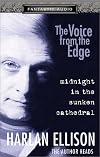
Harlan Ellison's stories are always a treat for me. Mostly acerbic, always well-crafted, vibrant, exciting... and above all, full of depth. I've never read a collection I didn't at least feel like raving about. Not all stories are perfect or super-engaging, mind you, but like any music album, I tend to give high marks when four out of the bunch absolutely thrill me. :)
Here are the ones that made a big impression:
Midnight in the Sunken Cathedral. Let's turn regrets into an Atlantean show more multiple-dimensions What-If story that is both fascinating, uplifting, and a memento-mori all at once. :)
The Function of Dream Sleep. Easily my absolute favorite of the lot. I found myself impressed by the starting point and then fully engaged and then downright frightened. Yes. This story actually scared the bejesus out of me. THAT GENERALLY NEVER HAPPENS to me. I might have nightmares.
Jeffty is Five. At once totally scary with the seemingly innocuous implications, it moves the fear aside and heads right toward wonder, deep nostalgia, and right back to horror. Five-year-olds are SCARY when they're five for seventeen years. :)
Soft Monkey. I now have a new appreciation for the streets of NYC. I've never been so impressed or thrilled to have an action movie surrounding a homeless black woman. :) The image of the Draino will stick with me, I think.
These stories, and I assume, all of Harlan's stories, are the type that should never be missed by anyone who likes wildly entertaining and often sharp-enough-to-bleed stories. Mostly SF and F, but did I mention these are SHARP? :) show less
Here are the ones that made a big impression:
Midnight in the Sunken Cathedral. Let's turn regrets into an Atlantean show more multiple-dimensions What-If story that is both fascinating, uplifting, and a memento-mori all at once. :)
The Function of Dream Sleep. Easily my absolute favorite of the lot. I found myself impressed by the starting point and then fully engaged and then downright frightened. Yes. This story actually scared the bejesus out of me. THAT GENERALLY NEVER HAPPENS to me. I might have nightmares.
Jeffty is Five. At once totally scary with the seemingly innocuous implications, it moves the fear aside and heads right toward wonder, deep nostalgia, and right back to horror. Five-year-olds are SCARY when they're five for seventeen years. :)
Soft Monkey. I now have a new appreciation for the streets of NYC. I've never been so impressed or thrilled to have an action movie surrounding a homeless black woman. :) The image of the Draino will stick with me, I think.
These stories, and I assume, all of Harlan's stories, are the type that should never be missed by anyone who likes wildly entertaining and often sharp-enough-to-bleed stories. Mostly SF and F, but did I mention these are SHARP? :) show less
Lists
Five star books (1)
Yet another list (1)
Overdue Podcast (1)
SF Masterworks (1)
Awards


You May Also Like


Associated Authors
Statistics
- Works
- 586
- Also by
- 394
- Members
- 30,645
- Popularity
- #647
- Rating
- 4.1
- Reviews
- 504
- ISBNs
- 663
- Languages
- 14
- Favorited
- 171


