
Pascal Croci
Author of Auschwitz
About the Author
Image credit: Pascal Croci, à la foire du livre 2010 de Brive la Gaillarde, France Par Le grand Cricri — Travail personnel, CC BY-SA 3.0, https://commons.wikimedia.org/w/index.php?curid=12529219
Works by Pascal Croci
Tchernobyl (French Edition) 1 copy
Religieuses 1 copy
Tagged
Common Knowledge
- Birthdate
- 1961-
- Gender
- male
- Occupations
- graphic novelist
comic book artist - Nationality
- France
- Associated Place (for map)
- France
Members
Reviews
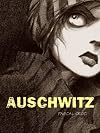
The only redeeming quality of this graphic novel is the bonus material at the end: interviews with Croci that reveal what he was trying to do, even though he didn't accomplish any of it well. This is by far the least effective and most poorly written piece of work on the subject that I have yet encountered.
I did get to see an aspect of camp life from a new angle, though: Croci graphically depicts the gas chamber from within, minutes after the last victim's breath, and casually shows the job show more that some inmates had of opening up and cleaning out. Unfortunately, the characters appear to have no emotional reaction to this, which I doubt was the case, but that was how the whole novel was--you don't care about the characters, and they don't seem to have any realistic emotional response to anything either. Auschwitz is most useful as artwork for people interested in the grotesque than anything else, which is not at all what he was going for. show less
I did get to see an aspect of camp life from a new angle, though: Croci graphically depicts the gas chamber from within, minutes after the last victim's breath, and casually shows the job show more that some inmates had of opening up and cleaning out. Unfortunately, the characters appear to have no emotional reaction to this, which I doubt was the case, but that was how the whole novel was--you don't care about the characters, and they don't seem to have any realistic emotional response to anything either. Auschwitz is most useful as artwork for people interested in the grotesque than anything else, which is not at all what he was going for. show less
Para que los millones de víctimas del nazismo jamás sean olvidados...
Éste es el primer cómic realista sobre la Shoah, un relato conmovedor inspirado directamente en testimonios de supervivientes del campo de concentración de Auschwitz-Birkenau, que narra el día a día en aquel recinto de exterminio. El autor no trata de asumir la "Solución Definitiva"ni de desarrollar tesis históricas, aunque sí desea sensibilizar a las nuevas generaciones acerca del deber del ejercicio de la show more memoria.
Ganadora de varios premios esta novela gráfica es absolutamente desgarradora tanto como bien hecha, dura, en lo que ofrece tanto en historia como en sus imágenes, si bien, no es el primer libro que leo sobre el tema, si lo es en este formato, que no es común que se utilice para este tipo de historias.
Recomendable lo es por supuesto, tanto por su valor narrativo, su historia y su gráficos.
Para no olvidar dice Coci, pero desgraciadamente como humanidad hemos olvidado y el mensaje que deja al final es desgarrador, ¿se puede perdonar? ¿se debe perdonar?
Un trabajo artístico increíble y una historia desgarradora como todas las que se cuentan sobre este tema show less
Éste es el primer cómic realista sobre la Shoah, un relato conmovedor inspirado directamente en testimonios de supervivientes del campo de concentración de Auschwitz-Birkenau, que narra el día a día en aquel recinto de exterminio. El autor no trata de asumir la "Solución Definitiva"ni de desarrollar tesis históricas, aunque sí desea sensibilizar a las nuevas generaciones acerca del deber del ejercicio de la show more memoria.
Ganadora de varios premios esta novela gráfica es absolutamente desgarradora tanto como bien hecha, dura, en lo que ofrece tanto en historia como en sus imágenes, si bien, no es el primer libro que leo sobre el tema, si lo es en este formato, que no es común que se utilice para este tipo de historias.
Recomendable lo es por supuesto, tanto por su valor narrativo, su historia y su gráficos.
Para no olvidar dice Coci, pero desgraciadamente como humanidad hemos olvidado y el mensaje que deja al final es desgarrador, ¿se puede perdonar? ¿se debe perdonar?
Un trabajo artístico increíble y una historia desgarradora como todas las que se cuentan sobre este tema show less
Great art, but the story is disjointed. The connection to 1993 Yugoslavia is not explained, and seems forced. Even the notes don't have much of an explanation. It would have been better for the author to string together a narrative from the incidents and anecdotes he gathered in his interviews of survivors, rather than add an extraneous connection to a more recent event he admits happened to none of his interview subjects. But, the art is stunning and effectively creates a horrifying tableau.

After reading the excellent Maus and tackling the subject of Holocaust remembrance and memorials, I bought this graphic novel too. Besides their subject, the comparison with Maus doesn't seem fair. Croci's Auschwitz aim to confront us with the artwork, whereas Spiegelman's Maus did this with the narrative. For people interested in the way later generations deal with the holocaust and how we picture this (like history students etc), this is very interesting. I dind't quite care for the show more narrative, but the artwork is great, horrific and confronting. show less
You May Also Like


Statistics
- Works
- 15
- Members
- 214
- Popularity
- #104,032
- Rating
- 3.3
- Reviews
- 8
- ISBNs
- 34
- Languages
- 7