
Ottobah Cugoano
Author of Thoughts and Sentiments on the Evil of Slavery
About the Author
Works by Ottobah Cugoano
Associated Works
Unchained Voices: An Anthology of Black Authors in the English-Speaking World of the Eighteenth Century (1996) — Contributor — 44 copies
Early Black British Writing: Olaudah Equiano, Mary Prince, and Others (2003) — Contributor — 9 copies
Voices From Slavery: The Life and Beliefs of African Slaves in Britain (2007) — Contributor — 2 copies, 1 review
Tagged
Common Knowledge
- Canonical name
- Cugoano, Ottobah
- Other names
- Stuart, John (baptism)
- Birthdate
- 1757 (c.)
- Date of death
- 1791 (post)
- Gender
- male
- Occupations
- slave
servant
slavery abolitionist - Awards and honors
- blue plaque (Pall Mall, London|2020)
- Nationality
- Ghana (birth)
England (residence) - Birthplace
- Ghana
- Places of residence
- Ghana (1757-1770)
Grenada (1770-1772)
London, England (1773-1791) - Associated Place (for map)
- London, England
Members
Reviews
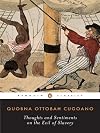
Born in what is now Ghana, Quobna Ottobah Cugoano (1757?-?) was among the countless victims of the Triangular Trade. Kidnapped by Africans from another tribe than his while he was still a child, sold to the Europeans, he ended up a slave in Grenada after the horrifying journey across the Atlantic. His fate, though, would radically differ from the majority of other slaves shipped to the colonies. Sold several times, one of his owner will indeed bring him to England, where he would gain his show more freedom and see his life change drastically.
In fact, working as a servant for the famous painter Richard Cosway, converted to Christianity, he will then live in contact with a little yet active and racially mixed intelligentsia (writers, artists, thinkers, politicians) that will open him the door of the then abolitionist movement. Cugoano, of course, will not be content with merely mingling with such people; he will also contribute to their cause by writing this punchy essay, published in 1787.
Having been a slave himself, his experience made indeed for a crucial testimony to better grasp the full horror of slavery. Being African, he also denounces many prejudices circulating then about Africans and African cultures and societies, prejudices which nevertheless served to justify slavery in the first place. In fact, the whole interest of reading Cugoano is not only that he retells his life (yet another witness to the sheer brutality of a whole institution) but, also and above all, that he argues mercilessly and methodically against the claims put forth by the partisans of slavery themselves.
Besides rectifying preconceived ideas on what constitutes the true nature of slavery among Black Africans (clientelist societies that the European influence would corrupt) he dares quoting the Bible to better slap about the face those relying upon it to defend slavery. He rejects the racist arguments, like the ones founded upon skin colours. He mocks the ideas that slaves in the colonies have a better fate than the poor and the serfs in Europe. He even turns himself a prophet, calling upon the British people to abolish such evil in order to avoid a divine punishment! Deeply Christian, Cugoano not only wishes the conversion of slaves and African people to Christianity; he also threaten those who enslave them in the first place with biblical wraths should they carry on rejecting what he considers are the teaching of the Bible. He actually doesn't shy away from claiming that, should slaves ever to revolt, their violence would be perfectly legitimate simply because of the terrible injustices they suffered...
Now, for sure, he repeats himself quite often and his style, clumsy, is far from being fluid! Nevertheless, here's a powerful attack against slavery by one of its countless victims. This sharp insight and argument is more than a great piece of debunking (against ethnocentrism, against racism, against bigotry), but also reflects all the tensions then lurking under the abolitionist debate.
A burning pamphlet, which deserves to be known! show less
In fact, working as a servant for the famous painter Richard Cosway, converted to Christianity, he will then live in contact with a little yet active and racially mixed intelligentsia (writers, artists, thinkers, politicians) that will open him the door of the then abolitionist movement. Cugoano, of course, will not be content with merely mingling with such people; he will also contribute to their cause by writing this punchy essay, published in 1787.
Having been a slave himself, his experience made indeed for a crucial testimony to better grasp the full horror of slavery. Being African, he also denounces many prejudices circulating then about Africans and African cultures and societies, prejudices which nevertheless served to justify slavery in the first place. In fact, the whole interest of reading Cugoano is not only that he retells his life (yet another witness to the sheer brutality of a whole institution) but, also and above all, that he argues mercilessly and methodically against the claims put forth by the partisans of slavery themselves.
Besides rectifying preconceived ideas on what constitutes the true nature of slavery among Black Africans (clientelist societies that the European influence would corrupt) he dares quoting the Bible to better slap about the face those relying upon it to defend slavery. He rejects the racist arguments, like the ones founded upon skin colours. He mocks the ideas that slaves in the colonies have a better fate than the poor and the serfs in Europe. He even turns himself a prophet, calling upon the British people to abolish such evil in order to avoid a divine punishment! Deeply Christian, Cugoano not only wishes the conversion of slaves and African people to Christianity; he also threaten those who enslave them in the first place with biblical wraths should they carry on rejecting what he considers are the teaching of the Bible. He actually doesn't shy away from claiming that, should slaves ever to revolt, their violence would be perfectly legitimate simply because of the terrible injustices they suffered...
Now, for sure, he repeats himself quite often and his style, clumsy, is far from being fluid! Nevertheless, here's a powerful attack against slavery by one of its countless victims. This sharp insight and argument is more than a great piece of debunking (against ethnocentrism, against racism, against bigotry), but also reflects all the tensions then lurking under the abolitionist debate.
A burning pamphlet, which deserves to be known! show less

Hakim Adi's selection of writings about Britain (mainly England) by Black people of the late 18th to the early 20th century is carefully chosen to establish their presence in all strata of society at a date earlier than certain commentators would wish it known. There's a thread showing the development of abolitionism into emancipation into supremacism to justify the continued exploitation of Black Labour, and Adi's selections often strongly resonate with current issues, such as the Windrush show more scandal and the illegal Tory Rwanda deportation policy.
There's also many fascinating glimpses into Georgian and Victorian society and, while varying degrees of racism are noted, many of the impressions of visitors to the island are positive about their reception and of the culture in which they find themselves.
A nuanced and balanced selection of historical testimonies which I thoroughly enjoyed reading, not least the short section on John Ocansey's day trip from Liverpool to my home town of Southport 🏖️ show less
There's also many fascinating glimpses into Georgian and Victorian society and, while varying degrees of racism are noted, many of the impressions of visitors to the island are positive about their reception and of the culture in which they find themselves.
A nuanced and balanced selection of historical testimonies which I thoroughly enjoyed reading, not least the short section on John Ocansey's day trip from Liverpool to my home town of Southport 🏖️ show less
Lists
You May Also Like
Associated Authors
Statistics
- Works
- 2
- Also by
- 4
- Members
- 112
- Popularity
- #174,305
- Rating
- 4.2
- Reviews
- 2
- ISBNs
- 6