
Muhammad Atique
Author of Digitally Hijacked: The Age of Influence: How Social Media and AI Are Reshaping Our Reality
About the Author
Image credit: Author Personal Picture
Works by Muhammad Atique
Digitally Hijacked: The Age of Influence: How Social Media and AI Are Reshaping Our Reality (2024) 11 copies, 6 reviews
Tagged
Common Knowledge
There is no Common Knowledge data for this author yet. You can help.
Members
Reviews
Digitally Hijacked: the Age of Influence : How Social Media and AI Are Reshaping Our Reality by Muhammad Atique

In Digitally Hijacked: The Age of Influence, Muhammad Atique and Azmat Rasul deliver a compelling exploration of how social media and artificial intelligence are fundamentally altering human perception, behaviour, and societal structures. The book serves as both a wake-up call and a detailed analysis of the unseen forces shaping our digital lives.
The authors tackle one of the most pressing issues of our time: the pervasive influence of algorithms, AI-driven content, and social media show more manipulation. Their insights are particularly valuable in an era where misinformation, deepfakes, and digital addiction dominate public discourse.
The book covers a wide range of topics, from psychological manipulation through targeted ads to the ethical dilemmas posed by AI-generated content. The blend of case studies, expert opinions, and data-driven research makes the arguments persuasive.
While the subject matter is complex, Atique and Rasul present it in an engaging manner, avoiding excessive jargon. This makes the book accessible to both general readers and professionals in tech, psychology, and media studies.
The authors don’t just diagnose the problem; they also discuss potential solutions, including regulatory measures, digital literacy, and ethical AI development. Their balanced approach ensures the book doesn’t devolve into mere alarmism. Some sections could benefit from deeper technical explanations for readers unfamiliar with AI and machine learning. More firsthand interviews with social media insiders or AI developers could have added further credibility.
Digitally Hijacked is a must-read for anyone concerned about the unchecked power of social media and AI. Atique and Rasul skilfully dissect how these technologies manipulate reality, influence politics, and reshape human interaction. Their work is an urgent call to action—demanding greater transparency, accountability, and public awareness in the digital age.
A thought-provoking and well-researched book that bridges the gap between technology and its societal consequences. Recommended for policymakers, educators, and digital consumers alike.
------
In Digitally Hijacked: The Age of Influence, Muhammad Atique e Azmat Rasul offrono un'avvincente esplorazione di come i social media e l'intelligenza artificiale stiano alterando fondamentalmente la percezione umana, il comportamento e le strutture sociali. Il libro funge sia da campanello d'allarme che da analisi dettagliata delle forze invisibili che plasmano le nostre vite digitali.
Gli autori affrontano uno dei problemi più urgenti del nostro tempo: l'influenza pervasiva degli algoritmi, dei contenuti basati sull'intelligenza artificiale e della manipolazione dei social media. Le loro intuizioni sono particolarmente preziose in un'epoca in cui disinformazione, deepfake e dipendenza digitale dominano il discorso pubblico.
Il libro copre un'ampia gamma di argomenti, dalla manipolazione psicologica tramite annunci mirati ai dilemmi etici posti dai contenuti generati dall'intelligenza artificiale. La combinazione di casi di studio, opinioni di esperti e ricerche basate sui dati rende gli argomenti convincenti. Sebbene l'argomento sia complesso, Atique e Rasul lo presentano in modo coinvolgente, evitando un gergo eccessivo. Ciò rende il libro accessibile sia ai lettori generali che ai professionisti di tecnologia, psicologia e studi sui media.
Gli autori non si limitano a diagnosticare il problema, ma discutono anche di possibili soluzioni, tra cui misure normative, alfabetizzazione digitale e sviluppo etico dell'intelligenza artificiale. Il loro approccio equilibrato assicura che il libro non si trasformi in un mero allarmismo. Alcune sezioni potrebbero trarre vantaggio da spiegazioni tecniche più approfondite per i lettori che non hanno familiarità con l'intelligenza artificiale e l'apprendimento automatico.
Ulteriori interviste di prima mano con addetti ai lavori dei social media o sviluppatori di intelligenza artificiale avrebbero potuto aggiungere ulteriore credibilità. Digitally Hijacked è una lettura obbligata per chiunque sia preoccupato per il potere incontrollato dei social media e dell'intelligenza artificiale. Atique e Rasul analizzano abilmente il modo in cui queste tecnologie manipolano la realtà, influenzano la politica e rimodellano l'interazione umana.
Il loro lavoro è un urgente invito all'azione, che richiede maggiore trasparenza, responsabilità e consapevolezza pubblica nell'era digitale. Un libro stimolante e ben documentato che colma il divario tra la tecnologia e le sue conseguenze sociali. Consigliato a decisori politici, educatori e consumatori digitali. show less
The authors tackle one of the most pressing issues of our time: the pervasive influence of algorithms, AI-driven content, and social media show more manipulation. Their insights are particularly valuable in an era where misinformation, deepfakes, and digital addiction dominate public discourse.
The book covers a wide range of topics, from psychological manipulation through targeted ads to the ethical dilemmas posed by AI-generated content. The blend of case studies, expert opinions, and data-driven research makes the arguments persuasive.
While the subject matter is complex, Atique and Rasul present it in an engaging manner, avoiding excessive jargon. This makes the book accessible to both general readers and professionals in tech, psychology, and media studies.
The authors don’t just diagnose the problem; they also discuss potential solutions, including regulatory measures, digital literacy, and ethical AI development. Their balanced approach ensures the book doesn’t devolve into mere alarmism. Some sections could benefit from deeper technical explanations for readers unfamiliar with AI and machine learning. More firsthand interviews with social media insiders or AI developers could have added further credibility.
Digitally Hijacked is a must-read for anyone concerned about the unchecked power of social media and AI. Atique and Rasul skilfully dissect how these technologies manipulate reality, influence politics, and reshape human interaction. Their work is an urgent call to action—demanding greater transparency, accountability, and public awareness in the digital age.
A thought-provoking and well-researched book that bridges the gap between technology and its societal consequences. Recommended for policymakers, educators, and digital consumers alike.
------
In Digitally Hijacked: The Age of Influence, Muhammad Atique e Azmat Rasul offrono un'avvincente esplorazione di come i social media e l'intelligenza artificiale stiano alterando fondamentalmente la percezione umana, il comportamento e le strutture sociali. Il libro funge sia da campanello d'allarme che da analisi dettagliata delle forze invisibili che plasmano le nostre vite digitali.
Gli autori affrontano uno dei problemi più urgenti del nostro tempo: l'influenza pervasiva degli algoritmi, dei contenuti basati sull'intelligenza artificiale e della manipolazione dei social media. Le loro intuizioni sono particolarmente preziose in un'epoca in cui disinformazione, deepfake e dipendenza digitale dominano il discorso pubblico.
Il libro copre un'ampia gamma di argomenti, dalla manipolazione psicologica tramite annunci mirati ai dilemmi etici posti dai contenuti generati dall'intelligenza artificiale. La combinazione di casi di studio, opinioni di esperti e ricerche basate sui dati rende gli argomenti convincenti. Sebbene l'argomento sia complesso, Atique e Rasul lo presentano in modo coinvolgente, evitando un gergo eccessivo. Ciò rende il libro accessibile sia ai lettori generali che ai professionisti di tecnologia, psicologia e studi sui media.
Gli autori non si limitano a diagnosticare il problema, ma discutono anche di possibili soluzioni, tra cui misure normative, alfabetizzazione digitale e sviluppo etico dell'intelligenza artificiale. Il loro approccio equilibrato assicura che il libro non si trasformi in un mero allarmismo. Alcune sezioni potrebbero trarre vantaggio da spiegazioni tecniche più approfondite per i lettori che non hanno familiarità con l'intelligenza artificiale e l'apprendimento automatico.
Ulteriori interviste di prima mano con addetti ai lavori dei social media o sviluppatori di intelligenza artificiale avrebbero potuto aggiungere ulteriore credibilità. Digitally Hijacked è una lettura obbligata per chiunque sia preoccupato per il potere incontrollato dei social media e dell'intelligenza artificiale. Atique e Rasul analizzano abilmente il modo in cui queste tecnologie manipolano la realtà, influenzano la politica e rimodellano l'interazione umana.
Il loro lavoro è un urgente invito all'azione, che richiede maggiore trasparenza, responsabilità e consapevolezza pubblica nell'era digitale. Un libro stimolante e ben documentato che colma il divario tra la tecnologia e le sue conseguenze sociali. Consigliato a decisori politici, educatori e consumatori digitali. show less
 This review was written for LibraryThing Early Reviewers.
Digitally Hijacked: the Age of Influence : How Social Media and AI Are Reshaping Our Reality by Muhammad Atique

I received a copy of this ebook as part of Library Thing Early Reviewers.
Digitally Hijacked offers an accessible and timely overview of how social media and artificial intelligence shape contemporary life, from the information we encounter to the ways we communicate, learn, and form opinions. One of the most striking aspects of the book is its clarity: Atique writes with minimal jargon, offering clear signposting, well-structured chapters, and consistent explanations that make the text show more inviting even for readers who consider themselves tech-novices or “tech-illiterate.”
The book’s design features—particularly the illustrations introducing each chapter—give it a distinctive and approachable feel. Each chapter closes with a concise takeaway message and a set of discussion questions, which work especially well. For readers in a hurry, the summaries ensure that key points are easy to grasp and retain. For those reading more slowly or in a group setting, such as a classroom or book club, the discussion questions encourage reflective engagement rather than passive consumption.
Atique’s analysis covers a wide range of contemporary concerns: the influence of algorithms on our newsfeeds, the pressures of influencer culture, the psychological feedback loops built into social platforms, and broader questions of digital literacy and responsibility. While much of this terrain is familiar in public discourse, the book gathers these threads into a cohesive, readable overview. It will also be interesting to see how the text ages, given the current pace of technological change—particularly in AI.
Overall, Digitally Hijacked succeeds as an accessible, thoughtful introduction to the social consequences of digital technology. Its clear structure, digestible chapter summaries, and reflective prompts make it especially well suited to readers beginning to explore these issues, as well as to group discussion. show less
Digitally Hijacked offers an accessible and timely overview of how social media and artificial intelligence shape contemporary life, from the information we encounter to the ways we communicate, learn, and form opinions. One of the most striking aspects of the book is its clarity: Atique writes with minimal jargon, offering clear signposting, well-structured chapters, and consistent explanations that make the text show more inviting even for readers who consider themselves tech-novices or “tech-illiterate.”
The book’s design features—particularly the illustrations introducing each chapter—give it a distinctive and approachable feel. Each chapter closes with a concise takeaway message and a set of discussion questions, which work especially well. For readers in a hurry, the summaries ensure that key points are easy to grasp and retain. For those reading more slowly or in a group setting, such as a classroom or book club, the discussion questions encourage reflective engagement rather than passive consumption.
Atique’s analysis covers a wide range of contemporary concerns: the influence of algorithms on our newsfeeds, the pressures of influencer culture, the psychological feedback loops built into social platforms, and broader questions of digital literacy and responsibility. While much of this terrain is familiar in public discourse, the book gathers these threads into a cohesive, readable overview. It will also be interesting to see how the text ages, given the current pace of technological change—particularly in AI.
Overall, Digitally Hijacked succeeds as an accessible, thoughtful introduction to the social consequences of digital technology. Its clear structure, digestible chapter summaries, and reflective prompts make it especially well suited to readers beginning to explore these issues, as well as to group discussion. show less
This review was written for LibraryThing Early Reviewers.Digitally Hijacked: The Age of Influence: How Social Media and AI Are Reshaping Our Reality by Muhammad Atique
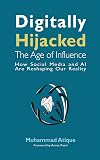
A review of the wide impact that digital technology is having on society and in our private lives. Chapter 1 describes the impacts to communication, entertainment, news, shopping, work, education, etc. The author then looks at the technology from a variety of perspectives. Some chapters focus on significant fields, such as news media or healthcare. Other chapters deal with minor features of the technology, such as memes.
The author suggests that, in all areas, digital technology potentially show more offers significant benefits. But, as the title suggests, the technology has more often brought new problems. Each chapters ends with a short summary that recommends ways to minimize these problems. My complaint is that these suggestions sometimes seem rather passive and vague. For example, Chapter 2, “How Algorithms Shape Our News”, discusses the “algorithms” that determine which new stories will appear in a person’s social media newsfeed. The author describes many ways that bias can enter into a user’s newsfeed. His summary recommendation is for people to be actively on guard against algorithm bias:
“By developing critical thinking skills, acknowledging our own biases, and actively seeking out a variety of reputable sources, we can become more discerning consumers of information. Supporting independent journalism and demanding transparency from platforms are crucial steps in ensuring a healthy information landscape.”
Of course, critical thinking skills are necessary, and have always been so. But when these new “algorithms” contain obvious flaws in them, the flaws should be fixed at the source.
I found the book interesting for its breadth of coverage, but was disappointed in the solutions offered to the problems created by digital technology. Overall, the book is useful as a textbook that surveys the wide influence of digital technology on society. show less
The author suggests that, in all areas, digital technology potentially show more offers significant benefits. But, as the title suggests, the technology has more often brought new problems. Each chapters ends with a short summary that recommends ways to minimize these problems. My complaint is that these suggestions sometimes seem rather passive and vague. For example, Chapter 2, “How Algorithms Shape Our News”, discusses the “algorithms” that determine which new stories will appear in a person’s social media newsfeed. The author describes many ways that bias can enter into a user’s newsfeed. His summary recommendation is for people to be actively on guard against algorithm bias:
“By developing critical thinking skills, acknowledging our own biases, and actively seeking out a variety of reputable sources, we can become more discerning consumers of information. Supporting independent journalism and demanding transparency from platforms are crucial steps in ensuring a healthy information landscape.”
Of course, critical thinking skills are necessary, and have always been so. But when these new “algorithms” contain obvious flaws in them, the flaws should be fixed at the source.
I found the book interesting for its breadth of coverage, but was disappointed in the solutions offered to the problems created by digital technology. Overall, the book is useful as a textbook that surveys the wide influence of digital technology on society. show less
This review was written for LibraryThing Early Reviewers.Digitally Hijacked: the Age of Influence : How Social Media and AI Are Reshaping Our Reality by Muhammad Atique
3.5 stars
In this book, the author looks at technology and how it shapes our lives, good and bad. There are sections on social media and AI, as the broad concepts, but also looks at much more specific topics like memes, influencers, activism, creativity (digital art and storytelling), finances, algorithms, relationships, podcasts, and much more.
It was good. It held my interest and was easy to understand. A nice thing about this one, unlike other technology (mostly AI) books I’ve read in the show more last year or two, it also highlighted some positive things about so much digital content. Also, it might be of interest to some to know that every chapter ends with a “takeaway message” and discussion questions. show less
In this book, the author looks at technology and how it shapes our lives, good and bad. There are sections on social media and AI, as the broad concepts, but also looks at much more specific topics like memes, influencers, activism, creativity (digital art and storytelling), finances, algorithms, relationships, podcasts, and much more.
It was good. It held my interest and was easy to understand. A nice thing about this one, unlike other technology (mostly AI) books I’ve read in the show more last year or two, it also highlighted some positive things about so much digital content. Also, it might be of interest to some to know that every chapter ends with a “takeaway message” and discussion questions. show less
This review was written for LibraryThing Early Reviewers.You May Also Like
Associated Authors
Statistics
- Works
- 2
- Members
- 12
- Popularity
- #813,247
- Rating
- 4.1
- Reviews
- 6
- ISBNs
- 4
