
Tim Greiving
Author of John Williams: A Composer's Life
Works by Tim Greiving
Tagged
Common Knowledge
- Gender
- male
Members
Reviews
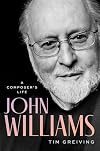
Starting with a couple of chapters setting the historical (familial and geographical) context for the subject's origins and then running chronologically through his formative jazz-group and air force years, into television, mostly trashy early films, and then the big break with Steven Spielberg and George Lucas, conducting and concert work ... this is a long, respectful, and mostly pretty reverent summation of John Williams' life and career.
While covering each work in turn, describing the show more music, the circumstances of its creation, and its critical reception (for film, both that of the production as a whole and that of the score specifically), it also gives as much of an insight as possible into what has shaped the personality of this self-effacing man. Intensely passionate about music and constantly driven to improve, but also an intellectually curious reader in general, he comes across as having been probably inclined to introversion from the get-go, then turned more private and protective as a result of the circumstances and events befalling him. Events such as the tragic early loss of his (contrastingly extroverted and social) wife Barbara, and the constant sniping of snobbish classical-music critics who dismissed film music out of hand as second rate.
One thread that runs through the decades is that of gradually winning those critics over (or at least outliving them, to see them superseded by younger generations more ready to admit to having been turned on to orchestral music in the first place by his scores to the blockbuster movies of their youth).
Another is that through an almost accidental second career as a conductor, he's had the opportunity both to deepen his own familiarity with the existing classical repertoire (whilst forging friendships and relationships with the greatest orchestras and soloists of the world) and to widen that repertoire to include the best of film music – his own, and that of others.
The book chronicles his lifelong deep friendships – first with older mentor figures like Alfred Newman, then with contemporary peers like André Previn (a running line throughout is Previn's constant prodding of John to quit playing around in the Hollywood world Previn saw as infra dig), and then with Spielberg.
A man who can come across as puritan through never raising his voice or being crude, and rarely scoring any particularly racy films, is shown not to be a complete prude but to have enjoyed the company of others whose personalities allowed them to be more loose-tongued and vulgar than he ever could himself.
As a reader, it felt a little odd at the start that the story of a still-living subject should be told in the past tense, but I got used to it fairly quickly, and the logic of doing so is reasonable enough.
There are a very small number of typos (in a book of this size it's inevitable) but the only one that trips you up as you read is when The Force Awakens is referred to as "Episode XII", instead of VII (an error that's compounded in the index, where The Last Jedi is listed as "Episode XIII", instead of VIII). The author, active on fan forums like jwfan.com, is apparently actively keeping a spreadsheet of feedback from readers on such matters, in preparation for any future editions, and no doubt will have already been apprised of this one!
Slightly odd typesetting choices from the OUP include some bizarre line-end hyphenation (like "eve-rybody" and "col-orful" – is that just American style? It looks weird to me) and the choice to sequence the footnote symbols by chapter instead of by page, which results in some footnotes being cued with cumbersome strings of multiple symbols, like ‡‡‡‡‡. show less
While covering each work in turn, describing the show more music, the circumstances of its creation, and its critical reception (for film, both that of the production as a whole and that of the score specifically), it also gives as much of an insight as possible into what has shaped the personality of this self-effacing man. Intensely passionate about music and constantly driven to improve, but also an intellectually curious reader in general, he comes across as having been probably inclined to introversion from the get-go, then turned more private and protective as a result of the circumstances and events befalling him. Events such as the tragic early loss of his (contrastingly extroverted and social) wife Barbara, and the constant sniping of snobbish classical-music critics who dismissed film music out of hand as second rate.
One thread that runs through the decades is that of gradually winning those critics over (or at least outliving them, to see them superseded by younger generations more ready to admit to having been turned on to orchestral music in the first place by his scores to the blockbuster movies of their youth).
Another is that through an almost accidental second career as a conductor, he's had the opportunity both to deepen his own familiarity with the existing classical repertoire (whilst forging friendships and relationships with the greatest orchestras and soloists of the world) and to widen that repertoire to include the best of film music – his own, and that of others.
The book chronicles his lifelong deep friendships – first with older mentor figures like Alfred Newman, then with contemporary peers like André Previn (a running line throughout is Previn's constant prodding of John to quit playing around in the Hollywood world Previn saw as infra dig), and then with Spielberg.
A man who can come across as puritan through never raising his voice or being crude, and rarely scoring any particularly racy films, is shown not to be a complete prude but to have enjoyed the company of others whose personalities allowed them to be more loose-tongued and vulgar than he ever could himself.
As a reader, it felt a little odd at the start that the story of a still-living subject should be told in the past tense, but I got used to it fairly quickly, and the logic of doing so is reasonable enough.
There are a very small number of typos (in a book of this size it's inevitable) but the only one that trips you up as you read is when The Force Awakens is referred to as "Episode XII", instead of VII (an error that's compounded in the index, where The Last Jedi is listed as "Episode XIII", instead of VIII). The author, active on fan forums like jwfan.com, is apparently actively keeping a spreadsheet of feedback from readers on such matters, in preparation for any future editions, and no doubt will have already been apprised of this one!
Slightly odd typesetting choices from the OUP include some bizarre line-end hyphenation (like "eve-rybody" and "col-orful" – is that just American style? It looks weird to me) and the choice to sequence the footnote symbols by chapter instead of by page, which results in some footnotes being cued with cumbersome strings of multiple symbols, like ‡‡‡‡‡. show less
I occasionally found myself disoriented by introductory paragraphs that suggested proceeding material that either never came (they were just a mere anecdote, a transitional beat) or came much later. Other than that, this is about as thorough a biography of the man's life('s work) as one could hope for. I found it all fascinating, though having listened to many of these scores many times over, the descriptions of their musical content was easy to skim. The interview material is the most show more rewarding to read, since Williams tends to demur at his work in a shy, soft-spoken kind of way, so it's helpful to have a written compilation of all the times he actually shared his thoughts. It's also nice to hear from his fellow composers, like the very popular Hans Zimmer, Thomas Newman, John Powell, and more. I don't know what more else there is to say other than that I love and admire the man's work, and he seems like a very upstanding individual. I look forward to his score of Spielberg's UFO film very much. show less
Statistics
- Works
- 1
- Members
- 38
- Popularity
- #383,441
- Rating
- 3.8
- Reviews
- 2
- ISBNs
- 5