
Russell Braddon (1921–1995)
Author of Nancy Wake
About the Author
Image credit: Sélection du Reader's Digest
Works by Russell Braddon
Associated Works
Tagged
Common Knowledge
- Legal name
- Braddon, Russell Reading
- Birthdate
- 1921-01-25
- Date of death
- 1995-03-23
- Gender
- male
- Occupations
- biographer
novelist
TV script writer
broadcaster - Nationality
- Australia
- Birthplace
- Sydney, New South Wales, Australia
- Places of residence
- Sydney, New South Wales, Australia
England, UK - Place of death
- Urunga, New South Wales
- Associated Place (for map)
- Sydney, New South Wales, Australia
Members
Reviews

I have to say, this book left me with a rather unfavourable impression of the subject. Roy Thompson (later Lord Thompson of Fleet) seems to have been able to get his start by chiseling and cheating suppliers and employees alike, with rubber cheques flying around all over the place, all while smiling avuncularly. I wonder if Thomson approved of this book; somehow, I can't imagine he did. A rather chilling insight into media acquisitions.

Very well written account by an Australian POW of his time from enlistment to deployment to eventual capture by the Japanese. The hardship these men underwent defies comprehension. The author was a writer by trade and he brings home the horror and comradeship with great skill. The year on the Burma/Siam RR was even worse and his survival was remarkable and fueled by tremendous willpower. The book came out in 1953 so is close to contemporaneous with events. An excellent book and highly show more recommended. show less
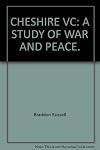
There are three ways of reading this book:
As a biography that teeters on the brink of being a hagiography
As a "Boys' own" story of a (the?) bomber pilot's valour
As a modern business book on risk appetite and people management
If one has never read books written in this period nor seen BBC interviews of politicians that conclude with the politician being asked if there's anything else they'd like to tell us, then it's a book that more Hagiography than biography, but understanding that period show more a little does just tip in over the other way. However the strength of the book there is much more the brilliance of the subject than the writing.
The Boys' Own angle is classic. The Bomber Command VC winner awarded for sustained courage over years of flying rather than a single (or near single) act of valour is all but unique. The bombers and missions he flew, the techniques he developed and pioneered all weave together to be a classic of that genre.
Modern risk appetite? Reading this book with a different eye you perceive a man who faced incredible danger, but assessed the risks and benefits of his actions and despite what he was doing - 100 missions against the Axis and witness to the Nagasaki atomic bombing - almost never admitted to feeling fear. He then took that attitude of having already risked all into his post-war work of setting up and running the Cheshire Homes and other charitable initiatives accepting risks in how he ran things that many would balk at, but to him must have seemed rather minor. That attitude to risk enabled him to achieve what many said was and still seems impossible.
Cheshire's risk management strategy seems to have been to be doing the right thing and persuading others to help. He led by example, as he had during the war, and used his personal charm (helped no doubt by his fame and his VC) to secure support. It is obvious that he was a natural leader and those of us now studying such topics could do worse than read this book through that lens. show less
As a biography that teeters on the brink of being a hagiography
As a "Boys' own" story of a (the?) bomber pilot's valour
As a modern business book on risk appetite and people management
If one has never read books written in this period nor seen BBC interviews of politicians that conclude with the politician being asked if there's anything else they'd like to tell us, then it's a book that more Hagiography than biography, but understanding that period show more a little does just tip in over the other way. However the strength of the book there is much more the brilliance of the subject than the writing.
The Boys' Own angle is classic. The Bomber Command VC winner awarded for sustained courage over years of flying rather than a single (or near single) act of valour is all but unique. The bombers and missions he flew, the techniques he developed and pioneered all weave together to be a classic of that genre.
Modern risk appetite? Reading this book with a different eye you perceive a man who faced incredible danger, but assessed the risks and benefits of his actions and despite what he was doing - 100 missions against the Axis and witness to the Nagasaki atomic bombing - almost never admitted to feeling fear. He then took that attitude of having already risked all into his post-war work of setting up and running the Cheshire Homes and other charitable initiatives accepting risks in how he ran things that many would balk at, but to him must have seemed rather minor. That attitude to risk enabled him to achieve what many said was and still seems impossible.
Cheshire's risk management strategy seems to have been to be doing the right thing and persuading others to help. He led by example, as he had during the war, and used his personal charm (helped no doubt by his fame and his VC) to secure support. It is obvious that he was a natural leader and those of us now studying such topics could do worse than read this book through that lens. show less

Apocalyptic satire involving killer bunnies - what's not to like?
This book reminded me of The Lost Continent, in that it is very strongly Australian. It's definitely satire - the author is not really writing to make you care about the characters, but to make you go 'look how silly this is, let's be honest, the current situation is practically as silly'. That makes it an entertaining read, but not a gripping one. I do like old sci-fi books where the 'future' in the book has already passed show more though - it's a weird feeling. show less
This book reminded me of The Lost Continent, in that it is very strongly Australian. It's definitely satire - the author is not really writing to make you care about the characters, but to make you go 'look how silly this is, let's be honest, the current situation is practically as silly'. That makes it an entertaining read, but not a gripping one. I do like old sci-fi books where the 'future' in the book has already passed show more though - it's a weird feeling. show less
Lists
Awards

You May Also Like


Associated Authors
Statistics
- Works
- 36
- Also by
- 6
- Members
- 783
- Popularity
- #32,505
- Rating
- 3.6
- Reviews
- 17
- ISBNs
- 85
- Languages
- 6