
Ryokan (1758–1831)
Author of One Robe, One Bowl: The Zen Poetry of Ryokan
About the Author
Image credit: wikimedia commons - Dready - A Picture of a Statue of Ryokan from Niigata Japan
Works by Ryokan
99 poemas 1 copy
Recueil de l'ermitage au toit de chaume: Portrait et tankas, Edition bilingue français-japonais (2010) 1 copy
Les 99 haikus 1 copy
Associated Works
World Poetry: An Anthology of Verse from Antiquity to Our Time (1998) — Contributor — 496 copies, 2 reviews
Little Enough: 49 Haiku by Basho, Sodo, Ransetsu, Buson, Ryokan, Issa, Shiki (1991) — Contributor — 4 copies
Tagged
Common Knowledge
- Legal name
- Yamamoto Eizo (born)
- Birthdate
- 1758 (Between 1758-12-30 and 1759-01-28)
- Date of death
- 1831-02-18
- Gender
- male
- Occupations
- Zen priest
poet
calligrapher - Nationality
- Japan
- Birthplace
- Izumozaki, Japan
- Place of death
- Echigo province, Japan
- Associated Place (for map)
- Japan
Members
Reviews
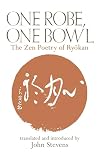
"Who says my poems are poems?
My poems are not poems.
After you know my poems are not poems,
Then we can begin to discuss poetry!"
Ryokan is a famous Zen poet who lived on the west coast of Japan in the late 1700s and early 1800s. At 18 he was supposed to follow his father as village headman, and instead became a Buddhist monk. His poems, as ably translated by John Stevens in One Robe, One Bowl, are simple and moving.
First days of spring - blue sky, bright sun.
Everything is gradually becoming show more fresh and green.
Carrying my bowl, I walk slowly to the village.
The children, surprised to see me,
Joyfully crowd about, bringing
My begging trip to an end at the temple gate.
I place my bowl on top of a white rock and
Hang my sack from the branch of a tree.
Here we play with the wild grasses and throw a ball.
For a time, I play catch while the children sing;
Then it is my turn.
Playing like this, here and there, I have forgotten the time.
Passers-by point and laugh at me, asking,
"What is the reason for such foolishness?"
No answer I give, only a deep bow;
Even if I replied, they would not understand.
Look around! There is nothing besides this.
****
Here's another one:
My hut lies in the middle of a dense forest;
Every year the green ivy grows longer.
No news of the affairs of men,
Only the occasional song of a woodcutter.
The sun shines and I mend my robe;
When the moon comes out I read Buddhist poems.
I have nothing to report, my friends.
If you want to find the meaning, stop chasing after
so many things.
And a famous haiku:
The thief left it behind
The moon
At the window.
****
From Stevens' introduction: "While his hermitage was deep in the mountains, he often visited the neighboring villages to play with the children, drink sake with the farmers, or visit his friends. He slept when he wanted to, drank freely, and frequently joined the dancing parties held in summer. He acquired his simple needs by mendicancy, and if he had anything extra he gave it away. He never preached or exhorted, but his life radiated purity and joy; he was a living sermon."
People he visited "felt as if spring had come on a dark winter's day." This book of his poems conveys the same feeling. show less
My poems are not poems.
After you know my poems are not poems,
Then we can begin to discuss poetry!"
Ryokan is a famous Zen poet who lived on the west coast of Japan in the late 1700s and early 1800s. At 18 he was supposed to follow his father as village headman, and instead became a Buddhist monk. His poems, as ably translated by John Stevens in One Robe, One Bowl, are simple and moving.
First days of spring - blue sky, bright sun.
Everything is gradually becoming show more fresh and green.
Carrying my bowl, I walk slowly to the village.
The children, surprised to see me,
Joyfully crowd about, bringing
My begging trip to an end at the temple gate.
I place my bowl on top of a white rock and
Hang my sack from the branch of a tree.
Here we play with the wild grasses and throw a ball.
For a time, I play catch while the children sing;
Then it is my turn.
Playing like this, here and there, I have forgotten the time.
Passers-by point and laugh at me, asking,
"What is the reason for such foolishness?"
No answer I give, only a deep bow;
Even if I replied, they would not understand.
Look around! There is nothing besides this.
****
Here's another one:
My hut lies in the middle of a dense forest;
Every year the green ivy grows longer.
No news of the affairs of men,
Only the occasional song of a woodcutter.
The sun shines and I mend my robe;
When the moon comes out I read Buddhist poems.
I have nothing to report, my friends.
If you want to find the meaning, stop chasing after
so many things.
And a famous haiku:
The thief left it behind
The moon
At the window.
****
From Stevens' introduction: "While his hermitage was deep in the mountains, he often visited the neighboring villages to play with the children, drink sake with the farmers, or visit his friends. He slept when he wanted to, drank freely, and frequently joined the dancing parties held in summer. He acquired his simple needs by mendicancy, and if he had anything extra he gave it away. He never preached or exhorted, but his life radiated purity and joy; he was a living sermon."
People he visited "felt as if spring had come on a dark winter's day." This book of his poems conveys the same feeling. show less
The collection of poetry isn't as deep or thorough as other offerings, but the historical/biographical coverage is beyond what I've seen elsewhere.
This is a beautiful collection of poems in various styles by the zen poet Ryōkan, which I read with great pleasure. They are simple in style, describing the daily undertakings of the hermit as he sits around drinking saké, plays with the village children, and listens to the wind through the nearby bamboo forest. Their earnest quality is infused with the zen spirit, which makes them an interesting point of departure to deepen one's practice.
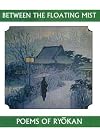
“Just as Ryokan’s life is inseparable from his poetry, the translation’s clarity of diction is inseparable from the sensitive brushwork on each page. A book to be gazed into again and again.”—Charlotte Mandel, Small Press
What shall remain
as my legacy?
The spring flowers
the cuckoo in summer,
the autumn leaves.
Ryokan (1758–1831) was a poet, master calligrapher, Zen hermit, and is one of the most beloved poets of Japan. Instead of becoming the head of a Zen temple, he preferred the show more simple and independent life of a hermit. Ryokan’s poetry is simple, direct, and colloquial in expression. show less
What shall remain
as my legacy?
The spring flowers
the cuckoo in summer,
the autumn leaves.
Ryokan (1758–1831) was a poet, master calligrapher, Zen hermit, and is one of the most beloved poets of Japan. Instead of becoming the head of a Zen temple, he preferred the show more simple and independent life of a hermit. Ryokan’s poetry is simple, direct, and colloquial in expression. show less
Lists
You May Also Like


Associated Authors
Statistics
- Works
- 33
- Also by
- 3
- Members
- 615
- Popularity
- #40,875
- Rating
- 4.1
- Reviews
- 13
- ISBNs
- 47
- Languages
- 9
- Favorited
- 3