
April Pulley Sayre (1966–2021)
Author of One Is a Snail, Ten is a Crab: A Counting by Feet Book
About the Author
April Pulley Sayre has an enduring interest in animal communication. During her nationwide school visits, she's led thousands of kids in frog and owl calls, two of the many animal sounds that keep creeping into her books. She is the award-winning author of more than forty books for young people
Series
Works by April Pulley Sayre
Secrets of Sound: Studying the Calls and Songs of Whales, Elephants, and Birds (2002) 97 copies, 10 reviews
Pickle words 4 copies
Young Ben Franklin 1 copy
Thank You, Earth 1 copy
Tagged
Common Knowledge
- Birthdate
- 1966-04-11
- Date of death
- 2021-11-06
- Gender
- female
- Education
- Duke University (BA)
Vermont College - Occupations
- children's book author
- Organizations
- National Wildlife Federation
National Geographic Society - Cause of death
- breast cancer
- Nationality
- USA
- Birthplace
- Greenville, South Carolina, USA
- Places of residence
- South Bend, Indiana, USA
- Place of death
- South Bend, Indiana, USA
- Associated Place (for map)
- Indiana, USA
Members
Reviews
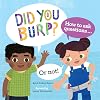
Anyone who works with kindergarteners should have this book. You know that point, where you ask "does anyone have any questions?" and you get three displays of injuries, a story of a pet dog, two kids start yelling about who can burp the loudest, and the smart aleck of the class wants to know if you're done talking? Yeah, that.
Sayre starts about by explaining exactly what a question is and why we ask them. To get information, to get things we need, because we are curious, and to learn new show more things. She shows all the different things questions can do, show that you care about someone and help you try again. On the other side of the coin are answers and kids learn exactly how the exchange works. How to ask a question and what shows that it's a question - punctuation, voice cues, and question words. She also addresses manners; there is a right and wrong time to ask questions, and some questions are only appropriate in certain situations. Sayre reinforces that it's ok to make mistakes and sometimes, especially when we ask the wrong person, the answer will be "I don't know."
Then the part that all teachers will want! Explaining how a question is not a statement, comment, or story! Sayre shows a casual conversation, a mix of questions and comments, and readers end up back at the beginning scene, ready to go out and ask questions!
Each spread illustrates the concept of the text, showing a diverse group of students, in Hernandez' cheerful art style, asking questions. Kids demonstrate the wrong questions at the wrong time - asking the president if her tummy hurts! - and at the right time, the doctor asking how a patient feels. On a zoo tour, the kids learn the difference between telling a story or making a comment and asking a question. Throughout the students demonstrate empathy and kindness to each other. Even when they make mistakes, they can fix things and keep going, asking questions to learn about what's happening, their fellow students, and their world.
Verdict: Every teacher needs this. Possibly every librarian. Make that everyone - have you ever been at a conference when they open it up for questions and people clearly have no idea of what a question is? That. Read it aloud and read it often!
ISBN: 9781580897372; Published August 2019 by Charlesbridge; Purchased for the library show less
Sayre starts about by explaining exactly what a question is and why we ask them. To get information, to get things we need, because we are curious, and to learn new show more things. She shows all the different things questions can do, show that you care about someone and help you try again. On the other side of the coin are answers and kids learn exactly how the exchange works. How to ask a question and what shows that it's a question - punctuation, voice cues, and question words. She also addresses manners; there is a right and wrong time to ask questions, and some questions are only appropriate in certain situations. Sayre reinforces that it's ok to make mistakes and sometimes, especially when we ask the wrong person, the answer will be "I don't know."
Then the part that all teachers will want! Explaining how a question is not a statement, comment, or story! Sayre shows a casual conversation, a mix of questions and comments, and readers end up back at the beginning scene, ready to go out and ask questions!
Each spread illustrates the concept of the text, showing a diverse group of students, in Hernandez' cheerful art style, asking questions. Kids demonstrate the wrong questions at the wrong time - asking the president if her tummy hurts! - and at the right time, the doctor asking how a patient feels. On a zoo tour, the kids learn the difference between telling a story or making a comment and asking a question. Throughout the students demonstrate empathy and kindness to each other. Even when they make mistakes, they can fix things and keep going, asking questions to learn about what's happening, their fellow students, and their world.
Verdict: Every teacher needs this. Possibly every librarian. Make that everyone - have you ever been at a conference when they open it up for questions and people clearly have no idea of what a question is? That. Read it aloud and read it often!
ISBN: 9781580897372; Published August 2019 by Charlesbridge; Purchased for the library show less
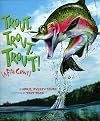
After I met April Pulley Sayre at ALA (and ok, I am not a big celebrity author fan kind of person, but I do like meeting authors that I think are important; like Sayre, who is one of the authors who pioneered a new writing style of nonfiction for very young children) I had the urge to go back and read through her backlist. This is one I hadn't seen before and I can't believe I missed it!
We love Sayre's fruit and vegetables chants and I was delighted to discover that she has a fish chant. show more This is especially apropos for our area, which has a gazillion lakes and most kids have gone fishing, or eat fish regularly. There's a swinging rhythm to the choice of fish names that would make this a rousing storytime read, "Threespine Stickleback, Freshwater Drum/Lake Chub, Creek Chub, Chum, Chum, Chum." Read this a couple times through and you'll find the kids chanting it along with you.
The illustrations are also a big draw. Park has a wildly different style than the more photographic or collage styles that are usually paired with Sayre. He's a cartoonist and his fish are wildly exaggerated with gaping mouths, bulging eyes, and accessories from water skis to magnifying glasses. Almost every glossy fish includes some kind of pun on their name or a joke.
Verdict: I don't usually buy backlist, but this is one that should definitely have been added to the collection and I intend to remedy that. If you live in a lake area, I highly recommend purchasing it if you don't already own it.
ISBN: 9781559718899; Published 2004 by Northwoods Press; Borrowed from another library in my consortium; Added to the library's tentative order list show less
We love Sayre's fruit and vegetables chants and I was delighted to discover that she has a fish chant. show more This is especially apropos for our area, which has a gazillion lakes and most kids have gone fishing, or eat fish regularly. There's a swinging rhythm to the choice of fish names that would make this a rousing storytime read, "Threespine Stickleback, Freshwater Drum/Lake Chub, Creek Chub, Chum, Chum, Chum." Read this a couple times through and you'll find the kids chanting it along with you.
The illustrations are also a big draw. Park has a wildly different style than the more photographic or collage styles that are usually paired with Sayre. He's a cartoonist and his fish are wildly exaggerated with gaping mouths, bulging eyes, and accessories from water skis to magnifying glasses. Almost every glossy fish includes some kind of pun on their name or a joke.
Verdict: I don't usually buy backlist, but this is one that should definitely have been added to the collection and I intend to remedy that. If you live in a lake area, I highly recommend purchasing it if you don't already own it.
ISBN: 9781559718899; Published 2004 by Northwoods Press; Borrowed from another library in my consortium; Added to the library's tentative order list show less

I purchased this when it came out last year and have used it extensively in programs, but just now realized that I never reviewed it.
Sayre's poetic text and Jenkin's rough paper illustrations take the listener through a bear's diet starting in April, when she awakens hungry and searches for food: "Leaping trout? None about. Bushes? Bare. No berries there."
The bear eats bits of greenery and scavenges frozen a frozen carcass. As the months progress, she finds more food from ants to fish and show more makes an unsuccessful run after an elk calf. A brief pause for romance "Hunting's over. Time for clover...and for meeting another bear." and the hunt for food progresses. Finally, it's November "Can you winter like a bear? It's November and the fat you wear will help you live through winter." In the final spread, the bear is joined by two little cubs.
There are two pages of additional facts and information on bears, from the dangerous feeding bears to how hibernation works. An author's note explains the inspiration for this book.
I have a confession to make. I love this book and I've used it in a lot of storytimes and outreach visits for fall, bears, and animals. I've never gotten to read the whole thing through. Kids just aren't interested in listening and the disjointed rhythm of the text seems to throw them off. However, this is still a book I recommend wholeheartedly. Part of the reason I can never read it straight through is that a couple sentences sets off a barrage of discussion "Is it eating butterflies? I don't eat butterflies! Ewww, why is it eating butterflies? Why doesn't it eat fish? etc." While it doesn't work as a straightforward read-aloud, it's works extremely well as a starting point for discussion and for the kids to get involved.
Also, all the kindergarteners I visit now know the word "omnivorous."
Verdict: This is a must-have to supplement your fall and bear storytimes. It's a great discussion-starter and, unlike many animal books for younger children, is very factual without being graphic or frightening (the parents that is - kids can handle the concept of a bear chasing an elk calf just fine and they are all generally in the "she caught it! she's gonna eat it!" camp.)
ISBN: 9780805090390; Published 2013 by Henry Holt; Purchased for the library show less
Sayre's poetic text and Jenkin's rough paper illustrations take the listener through a bear's diet starting in April, when she awakens hungry and searches for food: "Leaping trout? None about. Bushes? Bare. No berries there."
The bear eats bits of greenery and scavenges frozen a frozen carcass. As the months progress, she finds more food from ants to fish and show more makes an unsuccessful run after an elk calf. A brief pause for romance "Hunting's over. Time for clover...and for meeting another bear." and the hunt for food progresses. Finally, it's November "Can you winter like a bear? It's November and the fat you wear will help you live through winter." In the final spread, the bear is joined by two little cubs.
There are two pages of additional facts and information on bears, from the dangerous feeding bears to how hibernation works. An author's note explains the inspiration for this book.
I have a confession to make. I love this book and I've used it in a lot of storytimes and outreach visits for fall, bears, and animals. I've never gotten to read the whole thing through. Kids just aren't interested in listening and the disjointed rhythm of the text seems to throw them off. However, this is still a book I recommend wholeheartedly. Part of the reason I can never read it straight through is that a couple sentences sets off a barrage of discussion "Is it eating butterflies? I don't eat butterflies! Ewww, why is it eating butterflies? Why doesn't it eat fish? etc." While it doesn't work as a straightforward read-aloud, it's works extremely well as a starting point for discussion and for the kids to get involved.
Also, all the kindergarteners I visit now know the word "omnivorous."
Verdict: This is a must-have to supplement your fall and bear storytimes. It's a great discussion-starter and, unlike many animal books for younger children, is very factual without being graphic or frightening (the parents that is - kids can handle the concept of a bear chasing an elk calf just fine and they are all generally in the "she caught it! she's gonna eat it!" camp.)
ISBN: 9780805090390; Published 2013 by Henry Holt; Purchased for the library show less
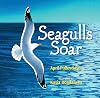
Seagulls are often seen as pests, noisy, dirty, and annoying, but Sayre's crisp rhythms and Bogdanska's brilliant, colorful illustrations show them as graceful, fascinating birds.
Young listeners can follow the soaring seagulls from their journeys across the ocean to inland, wherever water can be found. They visit farms and beaches, dance, preen, mate, and hunt. They have many clever ways of finding food, from following tractors to snatching fish from hunting whales. New generations of show more seagulls are raised and join the flocks that soar "from ship to shore."
Bogdanska is a debut illustrator and her art has a classic, Little Golden Book feel, but it's new and bright. Her seagulls shine with bright white light, fluff softly as chicks, and are tipped with black and brown feathers. They glide over red-roofed houses, through purple sunsets, and across blue seas.
Back matter explains more about what the seagulls are doing in each rhyming couplet and setting. Sayre explains how and why some gulls dance, how to identify different gulls, and how adaptable they are to different conditions.
Verdict: Another excellent nonfiction title from Sayre, a great choice for storytime, and introducing a new illustrator who shows great promise. Recommended.
ISBN: 9781684371976; Published April 2020 by Boyds Mills; Purchased for the library show less
Young listeners can follow the soaring seagulls from their journeys across the ocean to inland, wherever water can be found. They visit farms and beaches, dance, preen, mate, and hunt. They have many clever ways of finding food, from following tractors to snatching fish from hunting whales. New generations of show more seagulls are raised and join the flocks that soar "from ship to shore."
Bogdanska is a debut illustrator and her art has a classic, Little Golden Book feel, but it's new and bright. Her seagulls shine with bright white light, fluff softly as chicks, and are tipped with black and brown feathers. They glide over red-roofed houses, through purple sunsets, and across blue seas.
Back matter explains more about what the seagulls are doing in each rhyming couplet and setting. Sayre explains how and why some gulls dance, how to identify different gulls, and how adaptable they are to different conditions.
Verdict: Another excellent nonfiction title from Sayre, a great choice for storytime, and introducing a new illustrator who shows great promise. Recommended.
ISBN: 9781684371976; Published April 2020 by Boyds Mills; Purchased for the library show less
Lists
Awards


You May Also Like


Associated Authors
Statistics
- Works
- 83
- Members
- 6,530
- Popularity
- #3,759
- Rating
- 4.0
- Reviews
- 349
- ISBNs
- 252
- Languages
- 3