

About the Author
Image credit: Image originally from Atlanta Journal-Constitution, found at New Georgia Encyclopedia.
Series
Works by Eliot Wigginton
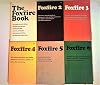
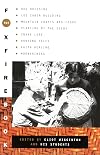
The Foxfire Book: Hog Dressing, Log Cabin Building, Mountain Crafts and Foods, Planting by the Signs, Snake Lore, Hunting Tales, Faith Healing, Moonshining, and Other Affairs of… (1972) 2,391 copies, 15 reviews
Foxfire 2: Ghost Stories, Spring Wild Plant Foods, Spinning and Weaving, Midwifing, Burial Customs, Corn Shuckin's, Wagon Making and More Affairs of Plain Living (1973) — Editor — 1,618 copies, 3 reviews
Foxfire 3: Animal Care, Banjos and Dulcimers, Hide Tanning, Summer and Fall Wild Plant Foods, Butter Churns, Ginseng, and Still More (1975) 1,260 copies, 4 reviews
Foxfire 5: Ironmaking, Blacksmithing, Flintlock Rifles, Bear Hunting, and Other Affairs of Plain Living (Foxfire Series) (1979) 713 copies, 1 review
Refuse to Stand Silently by : An Oral History of Grass Roots Social Activism in America, 1921-64 (1992) 28 copies
Foxfire Book 2 26 copies
Foxfire Set 1 - 7 (The Foxfire Book, Foxfire 2, Foxfire 3, Foxfire 4, Foxfire 5, Foxfire 6, and Foxfire 7) (1972) 7 copies
Foxfire Set (Volumes 1 - 9) The Foxfire Book, Foxfire 2, Foxfire 3, Foxfire 4, Foxfire 5, Foxfire 6, Foxfire 7, Foxfire 8 and Foxfire 9) (1972) 7 copies
Foxfire Volume 20, # 2 Summer 1986 3 copies
The Foxfire Book, v.1-9 2 copies
Foxfire, foxfire 2, foxfire 3 2 copies
Tagged
Common Knowledge
- Legal name
- Brooks Eliot Wigginton
- Birthdate
- 1942-11-09
- Gender
- male
- Occupations
- oral historian
teacher
writer
folklorist - Organizations
- Foxfire Fund
- Awards and honors
- MacArthur Fellowship (1989)
- Nationality
- USA
- Birthplace
- West Virginia, USA
- Places of residence
- Florida, USA
- Associated Place (for map)
- USA
Members
Reviews
The Foxfire Book: Hog Dressing, Log Cabin Building, Mountain Crafts and Foods, Planting by the Signs, Snake Lore, Hunting Tales, Faith Healing, Moonshining, and Other Affairs of Plain Living by Eliot Wigginton

This series is so much more than a “how to” guide for people interested in homesteading or living off-grid. There are, of course the very interesting and useful step-by-step instructions—log cabin building, chair and basket making, and chimney building are all featured in the first volume, complete with diagrams and pictures. There is useful lore that has been collected, such as the use for different types of wood and different recipes. These are, to someone looking to add to their show more homesteading skills, practical guides.
But there are another set of “affairs of plain living” included in the book. Some of them are downright impractical. For instance, many of the home remedies include the direct application of turpentine, kerosene or a mix of the two on to the body. And please don’t follow the snakebite remedies. These sorts of things are included because the Foxfire books are much more about rejoicing in a culture that was much maligned in the first half of the 20th century as a poverty-stricken backwater. This book can appeal to a wider audience outside of the off-grid community because of these other aspects of Appalachian life that are included. Descriptions in firsthand accounts of planting by the signs and faith healing give depth and life to the people interviewed. It can be difficult to read some of the interviews that are not “translated”; it takes a little time to get used to the accents, but I think that the choice of the editors to leave it in dialect makes the books better. The Foxfire books are unconsciously part of a movement to rediscover and celebrate the positives of the Appalachian region old way of life, and in this goal they are successful. show less
But there are another set of “affairs of plain living” included in the book. Some of them are downright impractical. For instance, many of the home remedies include the direct application of turpentine, kerosene or a mix of the two on to the body. And please don’t follow the snakebite remedies. These sorts of things are included because the Foxfire books are much more about rejoicing in a culture that was much maligned in the first half of the 20th century as a poverty-stricken backwater. This book can appeal to a wider audience outside of the off-grid community because of these other aspects of Appalachian life that are included. Descriptions in firsthand accounts of planting by the signs and faith healing give depth and life to the people interviewed. It can be difficult to read some of the interviews that are not “translated”; it takes a little time to get used to the accents, but I think that the choice of the editors to leave it in dialect makes the books better. The Foxfire books are unconsciously part of a movement to rediscover and celebrate the positives of the Appalachian region old way of life, and in this goal they are successful. show less

I was given this set of books by a friend, and found them interesting, though not compelling to keep. The interviews are good, the picture of the past is informative and the instructions on how to make things very detailed, however, I hope I don't need to be doing any of it any time soon. I have passed them along to another friend who is interested.
For those who enjoy verbal and tangible how-to books, the Foxfire series is an amazing collection of skills and lore out of Appalachia. An English teacher sought to make a magazine with his class where students went to the elders in Northeast Georgia to learn about homesteading, wildcrafting and stories of the local area past down generations. The language in the books keeps space for local ancestry and the Foxfire Museum and Heritage Center in the Chattahoochee National Forest has artifacts show more and archives from this series and the people who shared their stories. English teacher Eliot Wigginton received a MacArthur Foundation fellowship for in 1989 his work creating the Foxfire project. show less
The Foxfire Book: Hog Dressing, Log Cabin Building, Mountain Crafts and Foods, Planting by the Signs, Snake Lore, Hunting Tales, Faith Healing, Moonshining, and Other Affairs of Plain Living by Eliot Wigginton
This was a reread for me but once I started I couldn't put it down. My Grandmother lived in Rabun Gap. This had me reminiscing about the less industrial days. So many skills are already lost. I'm so glad someone thought to capture what is left.
Lists
Awards

You May Also Like


Associated Authors
Statistics
- Works
- 30
- Members
- 7,680
- Popularity
- #3,169
- Rating
- 4.1
- Reviews
- 38
- ISBNs
- 42
- Favorited
- 1