
Euripides
Author of Medea [in Translation]
About the Author
Euripides was born in Attica, Greece probably in 480 B.C. He was the youngest of the three principal fifth-century tragic poets. In his youth he cultivated gymnastic pursuits and studied philosophy and rhetoric. Soon after he received recognition for a play that he had written, Euripides left show more Athens for the court of Archelaus, king of Macedonia. Fragments of about fifty-five plays survive. Among his best-known plays are Alcestis, Medea and Philoctetes, Electra, Iphigenia in Tauris, The Trojan Women, and Iphigenia in Aulis Iphigenia. He died in Athens in 406 B.C. (Bowker Author Biography) show less
Image credit: Roman copy after a Greek original from ca. 330 BC,
Museo Pio-Clementino
(Credit: Marie Lan-Nguyen, 2006)
Museo Pio-Clementino
(Credit: Marie Lan-Nguyen, 2006)
Works by Euripides
Euripides III: Hecuba, Andromache, The Trojan Women, Ion (The Complete Greek Tragedies) (Vol 5) (1958) 706 copies, 5 reviews
Great Books of The Western World: Aeschylus, Sophocles, Euripides, Aristophanes (1952) 550 copies, 2 reviews
Euripides IV: Rhesus / The Suppliant Women / Orestes / Iphigenia in Aulis (The Complete Greek Tragedies) (Vol 6) (0415) 517 copies, 1 review
The Greek Plays: Sixteen Plays by Aeschylus, Sophocles, and Euripides (Modern Library Classics) (2016) — Author — 410 copies, 3 reviews
Nine Greek Dramas by Æschylus, Sophocles, Euripides and Aristophanes (2004) — Contributor — 352 copies
Tragedias I : Alcestis / El cíclope / Medea / Los heraclidas / Hipólito / Andrómaca / Hécuba (1978) 221 copies, 1 review
Euripides V: Bacchae, Iphigenia in Aulis, The Cyclops, Rhesus (The Complete Greek Tragedies) (2013) 172 copies, 1 review
Oxford Classical Texts: Euripidis fabulae Tomus II Supplices ; Electra ; Hercules ; Traodes ; Iphigenia in Tauris ; Ion (1977) 149 copies, 2 reviews
Three Greek Plays: Prometheus Bound / Agamemnon / The Trojan Women (1958) — some editions — 147 copies, 1 review
Oxford Classical Texts : Euripides : Fabulae: Volume III: Helena, Phoenissae, Orestes, Bacchae, Iphigenia Aulidensis, Rhesus (1922) — Writer — 112 copies
Euripides III: Heracles, The Trojan Women, Iphigenia among the Taurians, Ion (The Complete Greek Tragedies) (2013) 106 copies
Euripides II: Andromache, Hecuba, The Suppliant Women, Electra (The Complete Greek Tragedies) (2013) 88 copies
The Complete Euripides: Volume IV: Bacchae and Other Plays (Greek Tragedy in New Translations) (2009) 68 copies
Two Satyr Plays: Euripides' Cyclops / Sophocles' Ichneutai (2000) — Contributor — 66 copies, 2 reviews
7 Plays: Alcestis / Children of Heracles / Cyclops / Heracles / Hippolytus / Iphigenia in Tauris / Medea (1956) 60 copies
Plays of the Greek Dramatists:Selections from Aeschylus, Sophocles, Euripides & Aristophanes (2020) — Contributor — 55 copies
5 Plays: Bacchae / Heracles / Children of Heracles / Phoenician Women / Suppliant Women (1912) 52 copies, 1 review
The Complete Euripides: Volume V: Medea and Other Plays (Greek Tragedy in New Translations) (2011) 50 copies, 1 review
The Complete Euripides: Volume III: Hippolytos and Other Plays (Greek Tragedy in New Translations) (2009) 44 copies, 2 reviews
Euripides, Vol. VIII: Oedipus-Chrysippus & Other Fragments (Loeb Classical Library, No. 506) (1998) 35 copies
Euripides, Vol. 2: Electra, Orestes, Iphigeneia in Taurica, Andromache, Cyclops (Loeb Classical Library, No. 10) (1978) 32 copies
Tragedias III - Helena -Fenicias-Orestes- Efigenia (Biblioteca Clásica Gredos) (Spanish Edition) (1998) 30 copies
The Plays of Euripides In English Volume 2 (Everyman's Library #271, Volume 2) (2010) — Author — 29 copies
6 Plays: Alcestis / Andromache / Children of Heracles / Hecuba / Hippolytus / Medea (2001) 26 copies
Three Greek tragedies in translation (Prometheus Bound : Oedipus the King : Hippolytus) (1946) 24 copies
7 Plays: Andromache / Hecuba / Helen / Ion / Rhesus / Suppliant Women / Trojan Women (1958) 24 copies, 1 review
Iphigenia in Tauris [Greek text] 19 copies
6 Plays: Alcestis / Andromache / Children of Heracles / Cyclops / Hippolytus / Medea (1900) 16 copies
2 Plays: Bacchae / Orestes 14 copies
Βάκχαι (The Bacchae) 13 copies
Euripides : Scenes from Iphigenia in Aulis and Iphigenia in Tauris : Edited with introduction, notes and vocabulary (1991) — Writer — 13 copies
6 Plays: Bacchae / Children of Heracles / Cyclops / Helen / Iphigenia in Aulis / Orestes (2003) 12 copies
Helen (Greek) 12 copies
Fragments: Aegeus-Meleager 10 copies
5 Plays: Children of Heracles / Heracles / Ion / Iphigenia in Tauris / Orestes (1999) 10 copies, 1 review
Tragèdies d'Eurípides, 3: Helena, Les Fenícies, Orestes, Ifigenia a Àulida, Les bacants, Resos (1990) 9 copies
Suppliants (Greek) 9 copies
Euripides 9 copies
2 Plays: Heracles / Ion 9 copies
Euripides : Scenes from Iphigenia in Aulis and Iphigenia in Tauris : Edited with introduction, notes and vocabulary (1991) — Writer — 9 copies
Nine Plays - Euripides - The Franklin Library - Quentin Fiore Illustrations - Limited Edition (1976) 9 copies
The Dramas of Euripides: Complete Surviving Works, 19 Plays (Forgotten Books) (2007) 9 copies, 1 review
Tragédies complètes (Tome 2) 8 copies
7 Plays: Electra / Hecuba / Heracles / Ion / Iphigenia in Taurus / Suppliant Women / Trojan Women (1900) 8 copies
Tragédies complètes 8 copies
Euripides II: Andromache, Hecuba, The Suppliant Women, Electra (The Complete Greek Tragedies) (2013) 8 copies
Tragoediae 7 copies
The Complete Works of Euripedes: The Bacchantes, The Cyclops, Electra, Hecuba, Helen and More (18 Books With Active Table of Contents) (2012) 7 copies
Euripides Plays: 4: Elektra; Orestes and Iphigeneia in Tauris (Classical Dramatists) (1997) 7 copies
Selected Fragmentary Plays: Telephus, Cretans, Stheneboea, Bellerophon, Cresphontes, Erechtheus, Phaethon, Wise Melanipp (1995) 7 copies
Tragedias II 7 copies
Herakles ; Iphigeneia in Aulis — Author — 6 copies
The Bacchae and other plays 6 copies
Cuatro tragedias y un drama satírico : (Medea, Troyanas, Helena, Bacantes, Cíclope) (1990) 6 copies, 1 review
Trojan Women, Helen, Hecuba: Three Plays about Women and the Trojan War (Wisconsin Studies in Classics) (2015) 6 copies
The Trojan women of Euripides 6 copies
Three Greek Tragedies: Medea, Antigone and Agamemnon (Classic Books on CD Collection) [UNABRIDGED] (2007) 6 copies
Euripedes 3 : Alcestis, Daughters of Troy, The Phoenician Women, Iphigenia at Aulis, Rhesus (1998) 5 copies
Tragedies Completes 5 copies
EURIPIDES Easton Press 5 copies
Ελένη 5 copies
Ifigenia in Aulide: Elettra: Oreste: Ifigenia fra i Tauri — Author — 5 copies
Tragédies complètes 5 copies
Euripides Plays: 2: Cyclops; Hecuba; Iphigenia in Aulis; Trojan Women (Classical Dramatists) (1991) 5 copies
The Collected Works of Euripides or Euripedes: The Complete Works PergamonMedia (Highlights of World Literature) (2015) 4 copies
The adorers of Dionysos (Bakchai) 4 copies
Alkestis ; Medea ; Dzieci Heraklesa ; Hipolit ; Hekabe ; Błagalnice ; Andromacha ; Oszalały Herakles ; Trojanki (2017) 4 copies
Ηλέκτρα 4 copies
Scholia Graeca in Euripidis tragoedias ex codicibus aucta et emendata ed. G. Dindorfius (Volume 1) 4 copies
Collected Plays of Euripides Translated into English Rhyming Verse with Commentaries and Notes (1954) 4 copies
Ίων 4 copies
Τρωάδες 4 copies
The tragedies of Euripides 4 copies
ΙΦΙΓΕΝΕΙΑ Η ΕΝ ΑΥΛΙΔΙ 4 copies
Ορέστης 4 copies
Hecuba and other plays 4 copies
2: Ifigenia taurica: Ione: Le fenicie: Oreste: Ifigenia in Aulide: Le Baccanti: Reso: Il Ciclope (2008) 4 copies
Ανδρομάχη 4 copies
Euripides Plays: 2: Cyclops; Hecuba; Iphigenia in Aulis; Trojan Women (Classical Dramatists) (Vol 2) (2006) 4 copies
Tragédies complètes 4 copies
Euripides I 4 copies
Plays of Euripides, The 4 copies
Euripides 4 copies
Euripides : I 3 copies
Théâtre Complet 1 3 copies
[The Bacchae and Other Plays: Ion, The Women of Troy, Helen, The Bacchae] [Author: Euripedes] [January, 1973] (1973) 3 copies
Euripidis fabulae tomus III: Helena, Phoenissae, Orestes, Bacchae, Iphigenia, Aulidensis, Rhesus 3 copies
Euripides: Helen etc 3 copies
İphigenia Tauris'te 3 copies
Hyppolytus/The Bacchae 3 copies
The Complete Works: 18 Books 3 copies
Tragédies: Tome II : Hippolyte. - Andromaque. - Hécube. (Collection Des Universites De France Serie Grecque) (French Edition) (1927) 3 copies
Traģēdijas 3 copies
Tragédias - Vol. I 3 copies
Sengrieķu traģēdijas — Author — 3 copies
Tragèdies d'Eurípides, [Vol.] III 3 copies
ΡΗΣΟΣ 3 copies
Tragedias III 3 copies
Medea of Euripides 3 copies
Tragédias Vol. II 3 copies
Hyppolytus/The Bacchae 3 copies
EURIPIDES Easton Press 3 copies
Κύκλωψ 3 copies
ΙΦΙΓΕΝΕΙΑ Η ΕΝ ΤΑΥΡΟΙΣ 3 copies
Tragœdiae selectæ Aeschyli, Sophoclis, Euripidis. : Cum duplici interpretatione Latina, vna ad verbu[m], altera carmin 3 copies, 1 review
Tragedie 3 copies
Os Heraclidas 3 copies
Ifigenia en aulide. Electra. Orestes (BIBLIOTECA DE CLASICOS DE GRECIA Y ROMA) (El Libro De Bolsillo-Biblioteca Tematica) (Spanish Edition) (2002) 3 copies
Théâtre Complet 2 3 copies
6 Plays: Bacchae / Cyclops / Iphigenia in Aulis / Iphigenia in Tauris / Orestes / Phoenician Women 3 copies
Evripidis: Fabvlae. Tomvs II. Insvnt Svpplices, Hercvles, Ion, Troiades, Electra, Iphigenia Tavrica (1966) 3 copies
Medea: *Troiane: *Baccanti 3 copies
Euripidis fabulae. 1. Insunt Cyclops, Alcestis, Medea, Heraclidae, Hippolytus, Andromacha, Hecuba 2 copies
Andromacha 2 copies
Bacchae (Bibliotheca scriptorum Graecorum et Romanorum Teubneriana) (Ancient Greek Edition) (1982) 2 copies
Elektra 2 copies
Euripide 2 copies
Obras dramáticas — Author — 2 copies
Tragedies of Euripides 2 copies
Medea (Dover Thrift Editions: Plays) 2 copies
Alcesti, il dono di se: dramma di Euripide in tre atti, un prologo ed un epilogo (1993) — Author — 2 copies
Tragedias. Suplicantes. Heracles. Ion. Las Troyanas. Electra. Ifigenia. Entre Los Tauros / Tomo Ii 2 copies
As Troianas Livro 1 2 copies
Alcestis. Las bacantes. El cíclope 2 copies
Médée: suivi des Troyennes 2 copies
The Bacchae of Euripides 2 copies
Ten Plays by Euripides 2 copies
Hippolytus/The Bacchae 2 copies
Hippolytos a jiné tragédie 2 copies
Βάκχαι 2 copies
ΙΠΠΟΛΥΤΟΣ 2 copies
Tragedias II: Suplicantes. Heracles. Ion. Las troyanas. Electra. Ifigenia entre los tauros (2025) 2 copies
Tutte le tragedie (vol. 2) 2 copies
Théâtre complet 3 2 copies
Le troadi 2 copies
Euripide 2 copies
Modern School Classics : Euripides : Scenes from Iphigenia in Aulis and Iphigenia in Tauris (1954) — Writer — 2 copies
Zes tragedies Medea ; Ifigeneia in Aulis ; Trojaanse vrouwen ; Elektra ; Orestes ; Bakchanten 2 copies
Tragogdiae Septen Decim, Graece 2 copies
Medea (video) 2 copies
Euripide, Théâtre complet 3: Les bacchantes, Alkestis, Héraclès furieux, Les phéniciennes (1966) 2 copies
L'Ecuba 2 copies
Elena, Fenicie 2 copies
Le tragedie 2 copies
Théâtre complet 2 copies
Théâtre complet 4 : Ion, Médée, Hippolyte, Les Héraclides, Les Suppliantes, Fragments (1966) 2 copies
Iphigénie à Aulis 2 copies
The Athenian Drama Vol. 3 — Author — 2 copies
The Complete Greek Tragedies Vol V 2 copies
Euripides I (Modern Library) 2 copies
9 Plays: Alcestis / Bacchae / Electra / Heracles / Hippolytus / Iphigenia in Tauris / Medea / Orestes / Trojan Women — Author — 2 copies
Plays : Three 2 copies
Alcestis 2 copies
Medea of Euripedes 2 copies
Herakles. Ion 2 copies
Choruses from Iphigeneia in Aulis 2 copies
Tragedies 2 copies
Heracles and other plays 2 copies
The Tragedies of Euripides 2 copies
Tragedie scelte 2 copies
Euripides Vol. III 2 copies
Medea and Electra 2 copies
Four plays of Euripides 1 copy
LES LÉGENDES DE THÈBES #3 1 copy
Euripide tragedie volumi I-II-III-IV-V-VI-VII i poeti greci tradotti da Ettore Romagnoli (1928) 1 copy
Iphigénie en Tauride 1 copy
Les Phéniciennes 1 copy
Rhésos 1 copy
Le Cyclope 1 copy
Iphigénie 1 copy
Théâtre complet I 1 copy
Théâtre complet II 1 copy
[Théatre] 1 copy
Tetro completo II 1 copy
Euripides Vol. II 1 copy
Euripides (vol. 1) 1 copy
Euripides Vol. I 1 copy
Euripides (vol. 2) 1 copy
Tragédias 1 copy
Le tragedie, 5 voll. 1 copy
Medea Ippolito 1 copy
Tragedies Completes 1 copy
Heraclidae (Eracle) 1 copy
Hippolytus (Ippolito) 1 copy
Jone (Ione) 1 copy
Le madri 1 copy
Tragedie. Ifigenia Turica, Ione, Fenicie, Oreste, Ifigenia in Aulide, Baccanti, Reso, Ciclope 1 copy
Tragedie scelte 1 copy
Medea -Toriane - Baccanti 1 copy
Ippolito, Andromaca, Ecuba 1 copy
Ευριπίδης: Ἀνδρομάχη 1 copy
Euripidis Fabulae vols. I-II 1 copy
Supplici; Elettra, 1 copy
Tragédies complètes 1 copy
Euripide tome V 1 copy
Théâtre complet 1 copy
Théâtre complet 1 copy
Théâtre complet 1 copy
Alcesti; Eraclidi, 1 copy
Teatru complet 1 copy
Le tragedie - Vol. I e II 1 copy
Théâtre 1 copy
Le Troiane - L'istruttoria 1 copy
Euripides Iv 1 copy
Four Tragedies II 1 copy
Euripidis opera omnia 1 copy
Les Troyennes 1 copy
Ifigenia in Tauride-Baccanti 1 copy
Le tragedie vol 2 1 copy
Le Baccanti-Reso-Ione 1 copy
Elettra-Ione 1 copy
Εὐριπίδης: Ἱππόλυτος - Ἴων 1 copy
Eracle, Supplici, Ione 1 copy
Hyppolyte-Andromaque-Hecube 1 copy
Heracles-Les suppliantes-Ion 1 copy
Helene-Les pheniciennes 1 copy
Fabulae tomo 1 1 copy
Fabulae tomo 2 1 copy
Fabulae tomo 3 1 copy
Трагедии. Том 1 1 copy
Le tragedie 1 copy
Hippolyte 1 copy
Tragèdies. 1: Alcestis 1 copy
Εκάβη 1 copy
Μήδεια-Κύκλωψ-Άλκηστις 1 copy
Τρωάδες-Βάκχαι-Φοίνισσαι 1 copy
Ιππόλυτος-Ίων 1 copy
Ιφιγένεια η εν Αυλίδι 1 copy
Τρωάδες 1 copy
Euripides 3 Plays 1 copy
Ικέτιδες 1 copy
Ηρακλείδαι 1 copy
Μήδεια 1 copy
Ηρακλής Μαινόμενος 1 copy
P'esy. 1 copy
Ηρακλής 1 copy
Εκάβη 1 copy
Medea of Euripedes 1 copy
Euripidou Medeia. The Medea. Edited with introd. and notes by A.W. Verrall (Greek Edition) (2012) 1 copy
OS PERSAS / ELECTRA / HECUBA 1 copy
Hippolytus 1 copy
Alceste 1 copy
Andrómaca 1 copy
Electra and Other Plays 1 copy
Ανδρομάχη 1 copy
Ηρακλείδες 1 copy
Ηρακλής μαινόμενος 1 copy
Εκάβη 1 copy
Μήδεια 1 copy
EURIPIDES TEN PLAYS 1 copy
Ευριπίδου τραγωδίαι 1 copy
Ηρακλείδαι 1 copy
Medea & Other Plays 1 copy
Euripides, 2 1 copy
The Suppliants 1 copy
The Tragedies of Euripides 1 copy
Alkestis ; Medea 1 copy
The Tragedies of Euripides, Vol. 1: With Critical and Explanatory Notes (Classic Reprint) (2010) 1 copy
The Trojan women of Euripides. Translated into English rhyming verse with explanatory notes by Gilbert Murray (2011) 1 copy
Grčke tragedije II - Euripid 1 copy
Bakkhalar 1 copy
Las troyanas 1 copy
Los heráclidas 1 copy
The Complete Euripides 1 copy
Euripidis Heracleidae 1 copy
ΗΡΑΚΛΗΣ ΜΑΙΝΟΜΕΝΟΣ 1 copy
Alcestis 1 copy
Las troyanas 1 copy
Troyanas ; Ión 1 copy
Tragedie 1 copy
Tragedies 1 copy
ΗΡΑΚΛΕΙΔΑΙ 1 copy
ΒΑΚΧΑΙ 1 copy
ΕΚΑΒΗ 1 copy
ΙΚΕΤΙΔΕΣ 1 copy
Orestes and Other Plays 1 copy
Elektra 1 copy
Tragedijos 1 copy
ΜΗΔΕΙΑ 1 copy
Euripides: Phoenissae 1 copy
Médeia 1 copy
Ten Plays: Alcestis, Medea, Ion, Trojan Women, Electra, Hippolytus, The Bacchants, Iphigenia... (1972) 1 copy
Fabulae, III 1 copy
Tragedias I,II,III 1 copy
Medea - Las nubes 1 copy
Poet and the Women 1 copy
MEDEA / HIPÓLITO 1 copy
2 Plays: Electra / Iphigenia in Tauris — Author — 1 copy
Tragèdies, vol. I: Alcestis 1 copy
MEDEIA: O AMOR LOUCO 1 copy
Ausgewählte Tragödien Des Euripides...: Bdch. Medea. 2. Auflage. Erklärt Von Hans V. Arnim. 1886 (Ancient Greek Edition) (2010) 1 copy
Троянки 1 copy
I Cretesi 1 copy
Euripidean Fragments 1 copy
Medeia 1 copy
As Troianas 1 copy
Tragedia. Ariel Juvenil, 98 1 copy
Euripides (Two Volumes, 25th Anniversary Limited Edition of the Great Books of the Western World) 1 copy
Hipólito 1 copy
Helena 1 copy
Tragedias. II 1 copy
Reso 1 copy
Orestes Medea; Andromaca 1 copy
Las Bacantes. Hécuba 1 copy
Medea - Hipólito - Andrómaca 1 copy
Tragedias. III 1 copy
Tragèdies. (vol.1) 1 copy
TRAGEDIAS. Medea Hipólito 1 copy
Fabulae III 1 copy
The phoenician women 1 copy
Tragedier 1 copy
The Rhesus of Euripides 1 copy
TRAGEDIAS 1 copy
Tragèdies, vol. 1 1 copy
Tragedias III : Fenicias - Orestes - Ifigenia en Áulide - Bacantes (Biblioteca Básica Gredos 8) 1 copy
Euripides' Skådespel 1 copy
Euripedes Hippolytus — Author — 1 copy
Backanterna 1 copy
Troianes 1 copy
Tragèdies, vol I: Alcestis 1 copy
Euripides Volume VIII: Fragments Oedipus - Chrysippus, Other Fragments (Loeb Classical Library) 1 copy
Orestes Backanterna 1 copy
Euripides Volume IV: Trojan Women, Iphigenia Among the Taurians, Ion (Loeb Classical Library) 1 copy
The plays of Euripides, volume ii : Medea / The Iphigenia in Tauris / Alcestis / The Rhesus (1931) 1 copy
Euripides The Alcestis 1 copy
Euripidis Fabulae Tomus I: Cyclops, Alcestis, Medea, Heraclidae, Hippolytus, Andromacha, Hecuba (1966) 1 copy
Iphigenie auf Aulis 1 copy
Euripidis Helena 1 copy
Medea. [Sound recording] 1 copy
Skuespil af Evripides 1 copy
As Bacantes 1 copy
Euripides Helen 1 copy
LeConte de Lisle. Euripide: Hékabè. Orestès. Les Phoinissiennes. Mèdédia. Hippolytos. Alkèstis. Andromakhè. Les Suppliantes.… (2018) 1 copy
Euripides : Electra , Orestes , Iphigeneia in Taurica , Andromache , Cyclops ( Loeb Classical Library ) Greek & English (1939) 1 copy
LeConte de Lisle. Euripide: Iphigénéia Chez Les Taures. Rhèsos. Les Trôiades. Les Bakkhantes. Les Hèrakléides.… (2018) 1 copy
The Bacchae 1 copy
Stasimon (Ode) [Orestes] 1 copy
Euripidis: Fabvlae, tomus II 1 copy
Euripides V: Electra, The Phoenician Women, The Bacchae (The Complete Greek Tragedies) (Vol 5) by Euripides(1969-01-15) (1612) 1 copy
Alcestis and Electra 1 copy
Sämtliche Tragödien und Fragmente. Griechisch - deutsch / Band II, Die kinder des Herakles, Hekabe, Andromache (2014) 1 copy
Euripides V: Bacchae, Iphigenia in Aulis, The Cyclops, Rhesus (The Complete Greek Tragedies) (2013) 1 copy
Euripides: The Tragedies 1 copy
Euripides II - Four Tragedies - The Cyclops, Heracles, Iphigena in Tauris, Helen (56) by Euripides [Paperback (2002)] (2002) 1 copy
The Cyclops of Euripides 1 copy
İon 1 copy
Ausgewählte Dramen 1 copy
The Tragedies of Euripides: Hecuba, Orestes, Phoenissae, Medea, Hippolytus, Alcestis, Bacchae, Heraclidae (2011) 1 copy
Tragedie. Vol. 2: Andromaca: Ercole furente: Le Troiane: Elena — Author — 1 copy
Heracles Mad 1 copy
Euripides: 10 plays of 1 copy
The Hecuba of Euripides 1 copy
The Alcestis of Euripides: translated into English rhyming verse with introductory notes. (1941) 1 copy
Tragedie. Vol. 1: Medea - Alcesti - Ippolito — Author — 1 copy
Euripides: Ion 1 copy
The plays of Euripides, volume i : Hippolytus / The Bacchae / The Trojan women / Electra (1931) 1 copy
Iphigenie in Aulis Tragödie 1 copy
Die Bakchen; Hippolytos 1 copy
Tragedie scelte di Euripide 1 copy
Five Plays of Euripides: Alcestis; Medea; The Trojan Women; Iphigenia in Tauris; Electra (1934) 1 copy
Greece higeki IV (ギリシャ悲劇Ⅳ) 1 copy
Heracled 1 copy
HERAKLES ; ION 1 copy
The tragedies 1 copy
Euripides (Volume 1) 1 copy
Euripides (Volume 2) 1 copy
Euripides (Volume 3) 1 copy
Euripides I [Four Tragedies] 1 copy
Evripidis fabvlae. Tomvs II 1 copy
Ten Plays 1 copy
Ten Plays by Euripides 1 copy
Ancient Greek drama 1 copy
The Electra of Euripides. Translated into English rhyming verse with explanatory notes (2012) 1 copy
Andrómaca 1 copy
Tragödien I und II 1 copy
Skuespil 1 copy
Euripides Orestes (Two Volume Set) (Bryn Mawr Commentaries, Greek) by Euripides (1984) Paperback (1984) 1 copy
Evripidis Fabvlae 1 copy
Euripedes Plays, Vol. I 1 copy
Euripedes 1 copy
Iphigenia at Aulis 1 copy
Euripides III 1 copy
Medea (Hackett Classics) 1 copy
The Hippolytus of Euripides. Edited, with Introduction, Notes, and Appendix, by J. P. Mahaffy, and J. B. Bury (1999) 1 copy
The complete plays 1 copy
The tragedies of Euripides 1 copy
Fabulae tomus II 1 copy
Fabulae tomus III 1 copy
Euripides - Volume I 1 copy
5 Plays: Children of Heracles / Hippolytus / Ion / Medea / Suppliant Women + Fragments (1966) 1 copy
Euripides IV 1 copy
Hipolito, el ciclope 1 copy
Théâtre complet 4 1 copy
Euripides' Werke 1 copy
Théâtre complet 2 1 copy
Hercules Furens 1 copy
Iphigeneia at Aulis etc. 1 copy
Tragedias Griegas 1 copy
Euripides Vol. 1&2 1 copy
Tragedie 1 copy
Fenícias, As 1 copy
The Laurel Classical Drama 1 copy
Euripedies I 1 copy
Euripedies V 1 copy
Euripedies III 1 copy
Euripedies II 1 copy
Sämtliche Tragödien und Fragmente: Band III Die bittflehenden Mütter, der Wahnsinn des Herakles, die Troerinnen, Elektra (2014) 1 copy
Sämtliche Tragödien und Fragmente: Band IV: Iphigenie im Taurerlande. Helena • Ion • Die Phönikerinnen (2014) 1 copy
Sämtliche Tragödien und Fragmente griechisch - deutsch ; Band V ; Orestes, Iphigenie in Aulis, Die Mänaden (2014) 1 copy
Eraclidi. Supplici. 1 copy
Orestos, Stasimon chorus 1 copy
Greek Teagedies 1 copy
The Agamemnon of Aeschylus 1 copy
Hecuba (Bibliotheca scriptorum Graecorum et Romanorum Teubneriana) (Greek and Latin Edition) (1998) 1 copy
Helena, vol. 2 1 copy
Euripide, vol. 2 1 copy
Euripide, vol. 3 1 copy
Euripide, vol. 4 1 copy
Euripide, vol. 5 1 copy
Euripidis Fabulae, vol. 2 1 copy
Euripidis Fabulae, vol. 3 1 copy
Fabulae: vol. 2 1 copy
Fabulae: vol. 3 1 copy
Supplices, vol. 2 1 copy
Euripidis Tragoediae, vol. 2 1 copy
[Plays] 1 copy
Bakkhai 1 copy
Plays (Volume 1) 1 copy
Orestes ; Medea; Andromaca 1 copy
Euripides, Volume III. Suppliant Women. Electra. Heracles (Loeb Classical Library No. 9) by Euripides (September 01,1998) (1602) 1 copy
Euripides, VII, Fragments: Aegeus-Meleager (Loeb Classical Library No. 504) by Euripides (2008-06-30) (1733) 1 copy
Euripidis Tragoediae, vol. 3 1 copy
THE TROJAN WOMEN OF EURIPIDES. Translated Into English Rhyming Verse With Explanatory Notes by Gilbert Murray. (1915) 1 copy
Fabulae: Heraclidae 1 copy
Fabulae: Medea 1 copy
Iphigenia 1 copy
Euripidis Tragoediae 1 1 copy
Euripides. Elektra 1 copy
Euripides : Three plays. Hippolytus - Iphigenia in Tauris - Alcestis / translated by Philip Vellacott (1961) 1 copy
The Children of Heracles 1 copy
Bacchae Other Plays 1 copy
Medea (tr. Robin Robertson) 1 copy
Medea (tr.Charles Martin) 1 copy
[Data Missing] 1 copy
Medea, Agamemnon 1 copy
Three tragedies, 5th series 1 copy
Medea - Programm 1 copy
6.2: [Les bacchantes] 1 copy
L'Elettra 1 copy
5: Hélène: Les phéniciennes 1 copy
Medea Troiane Baccanti 1 copy
6.1: Oreste 1 copy
L'Oreste 1 copy
Associated Works
Complete Greek tragedies, Volume 3 (1960) — Contributor; Contributor, some editions — 729 copies, 1 review
World Poetry: An Anthology of Verse from Antiquity to Our Time (1998) — Contributor — 499 copies, 2 reviews
The Graphic Canon, Vol. 1: From the Epic of Gilgamesh to Shakespeare to Dangerous Liaisons (2012) — Contributor — 304 copies, 7 reviews
Iliad, Odyssey, Aeneid, Oedipus, Jason and the Argonauts and Much More - ULTIMATE MYTHOLOGY COLLECTION 50 BOOKS - Complete Works of Homer, ALL Plays by Sophocles, Euripides and… (2011) — Author, some editions — 23 copies
Oogst Der Tijden. keur uit de werken van schrijvers en dichters aller volken en eeuwen (1940) — Contributor — 12 copies
The Delphian Course : Part Three : Greek Drama, Philiosopy and Literature, the Story of Rome (1913) — Contributor — 8 copies
Van Homerus tot Van Lennep : Griekse en Latijnse literatuur in Nederlandse vertaling (1992) — Author — 7 copies
Euripides: Scenes from Rhesus and Helen : Edited with introduction, notes and vocabulary (1998) — Writer, some editions — 5 copies
Het Griekse treurspel Aeschylus, Sophocles, Euripides : een keuze uit vertalingen van hun werken (1952) — Contributor — 5 copies
Grieksche lyriek in Nederlandsche verzen — Contributor — 3 copies
Iphigenia at Aulis ('Theatre Night')(1990 TV film) — Author — 1 copy
Tagged
Common Knowledge
- Canonical name
- Euripides
- Other names
- Εὐριπίδης
- Birthdate
- 480 BCE
- Date of death
- 406 BCE
- Gender
- male
- Occupations
- playwright
painter
composer - Awards and honors
- 5 victories at the Athens Dionysia
- Nationality
- Greece
- Birthplace
- Salamis, Greece
- Places of residence
- Athens, Greece
Macedonia
Salamis, Greece - Place of death
- Macedonia
- Burial location
- Macedonia
- Map Location
- Greece
Members
Discussions
Anyone want to talk about Iphigenia in Aulis? in Book talk (June 2012)
Reviews

Starts off as a National Lampoon college movie, with Dionysus as the party hero, the Bacchae/Thebians as his fraternity/sorority friends, and Pentheus as the stuffy Dean...
...and ends like a combination of Hostel and Oldboy. Seriously, the tone shift in this story is nuts.
That all said, Dionysus is probably the most interesting Greek God, in that he is associated with the bridge between domestication and wildness.
I've realized something about these non-normative cults, like that of show more Dionysus, what the Chinese authorities dub White Lotus, and the Gnostics back in early Christianity. Their enemies always describe them as going out into the night, disregarding gender roles, having orgies, and dancing around a fire on drugs.
So folks nowadays look back on these cults positively, or try to emulate that behavior attributed to them. It often seems subversive. But the reason they are perceived as behaving in these ways is that their enemies were trying to discredit them by attributing to them behavior that was taboo and illegal at the time. The writings of said enemies are often the only historical documents we have about these cults. So, people's inspiration in these supposed behaviors might just be fetishization of taboos held by respectable society back in Classical Greece or whenever. And not on any actually subversive behavior which, when they did happen, probably didn't look like the exact opposite of ethical norms like these cults do. show less
...and ends like a combination of Hostel and Oldboy. Seriously, the tone shift in this story is nuts.
That all said, Dionysus is probably the most interesting Greek God, in that he is associated with the bridge between domestication and wildness.
I've realized something about these non-normative cults, like that of show more Dionysus, what the Chinese authorities dub White Lotus, and the Gnostics back in early Christianity. Their enemies always describe them as going out into the night, disregarding gender roles, having orgies, and dancing around a fire on drugs.
So folks nowadays look back on these cults positively, or try to emulate that behavior attributed to them. It often seems subversive. But the reason they are perceived as behaving in these ways is that their enemies were trying to discredit them by attributing to them behavior that was taboo and illegal at the time. The writings of said enemies are often the only historical documents we have about these cults. So, people's inspiration in these supposed behaviors might just be fetishization of taboos held by respectable society back in Classical Greece or whenever. And not on any actually subversive behavior which, when they did happen, probably didn't look like the exact opposite of ethical norms like these cults do. show less
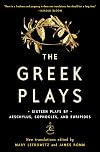
I like this solid anthology of and introduction to Athenian tragedy. I know that the literary qualities were much reduced in translation, but I could tell how beautiful the originals might be from the English versions. I welcomed the deep ideas suggested by the plays but appreciated the authors of the translations and closing essays pointing out what the deep ideas were not present, i.e., Antigone is not a proto-libertarian, Medea was not jealous of a younger woman but furious at Jason’s show more breaking of his word. I like that the plays were still great entertainment: the suspense in Agamemnon, Oedipus, and Medea; the happy endings in Alcestis and Helen; the shocking, liberating blasphemy of Prometheus; the strong women; the gory violence; the angry speeches. show less

MEDEA: This is all about rage and revenge. Medea, wronged by Jason (of Argonaut fame), seeks a bloody revenge that hurts her as much as it hurts him.
HECABE: Another rage/revenge tale. The wife of Priam, former queen of Troy, seeks revenge against the Argives who killed and/or captured her children.
ELECTRA: And yet another r/r story. The daughter of Clytemnestra and sister of Orestes seeks revenge on her mother and her mother's lover for the death of her father by urging Orestes to kill them show more both.
HERACLES: This one seems out of place. For one thing, it isn't about female rage and revenge. It is about the brutality of one man, a hero, who is afflicted with madness by the gods and who then murders his own wife and children. Afterwards, beset by remorse and sorrow, he finds support and friendship with another man.
The Greek dramatists seem to be aware of how their patriarchal society leads to the oppression and emotional trauma of women, who then seek bloody justice from their oppressors. I'm not sure what the fourth play is saying about their society--that men are forced to do heinous things at the hands of the gods? That they can only find true companionship and understanding with other men? I found Heracles to be the least engaging. There doesn't seem to be a reason for his actions (other than the gods). Maybe Euripides is trying to say that no one, regardless of their position in society, has power over their destiny.
Anyway, I enjoy these ancient plays, and seeing how humanity has been grappling with questions of power and fate for millenia. show less
HECABE: Another rage/revenge tale. The wife of Priam, former queen of Troy, seeks revenge against the Argives who killed and/or captured her children.
ELECTRA: And yet another r/r story. The daughter of Clytemnestra and sister of Orestes seeks revenge on her mother and her mother's lover for the death of her father by urging Orestes to kill them show more both.
HERACLES: This one seems out of place. For one thing, it isn't about female rage and revenge. It is about the brutality of one man, a hero, who is afflicted with madness by the gods and who then murders his own wife and children. Afterwards, beset by remorse and sorrow, he finds support and friendship with another man.
The Greek dramatists seem to be aware of how their patriarchal society leads to the oppression and emotional trauma of women, who then seek bloody justice from their oppressors. I'm not sure what the fourth play is saying about their society--that men are forced to do heinous things at the hands of the gods? That they can only find true companionship and understanding with other men? I found Heracles to be the least engaging. There doesn't seem to be a reason for his actions (other than the gods). Maybe Euripides is trying to say that no one, regardless of their position in society, has power over their destiny.
Anyway, I enjoy these ancient plays, and seeing how humanity has been grappling with questions of power and fate for millenia. show less

Greek playwright number three! There are four plays in this book.
Medea: This seems to set the tone for the anthology. The intro mentions Euripides seems to be concerned with vengeance, but I'd go a bit further and suggest his primary theme is female wrath. Medea is the brutal pinnacle of female wrath, willing to kill her own children, her husband's new bride, and the bride's father in order to destroy her faithless husband's life. Then she leaves in a chariot pulled by dragons. Epic.
Hecabe: show more Concerns the fate of Troy's queen in the wake of the fall of Troy. Reduced to slavery, her children dead, she still finds a way to extract violent vengeance on a man who wronged her. There's some tension here between the Greek world-view and our modern sensibilities. Agamemnon comments on how "unlucky" poor Hecabe is - when he is the very man who burned her city, killed her family and enslaved her! To the ancient Greeks all this was the doing of the gods - had they not willed Troy to fall, it never would have - but a modern audience is likely to find Agamemnon disingenuous. There's another funny-weird moment, when Agamemnon comes across the commotion, sees Hecabe's victim crawling from her tent, blinded and furious...and basically tells the guy "Chill out dude, I need to hear both sides of the story." My man, how can someone who just had their eyes stabbed out be expected to chill??
Electra: This is the third version of this episode I've read, and in some places responds specifically to Sophocles' version. The sensible sister disappears in Euripides' telling - there's no room for a moderating female character in this battle of vengeance between Electra and Clytaemnestra. Orestes instead serves as the voice for moderation, the hapless young man caught between these two battling women. While so many characters in the play insist that Clytaemnestra's death is just, the mood of the play seems to suggest otherwise. Perhaps if Electra had been more willing to hear out her mother, the bloodshed could have been avoided. Or, perhaps, the gods demanded Clytaemnestra must die, regardless of human reservations.
Heracles: This story opens with Megara, her children, and her elderly father in law praying for salvation from the invaders ravaging her city. It seemed out of place at first, as it appeared to be a classic tale of the strong oppressing the weak. But then Iris and Madness appear, both female deities, sent by Hera to bring Heracles down in his moment of triumph. There's a couple of those human moments that remind us that despite the thousands of years that separate us, we share a common humanity with the ancient Greeks. First is Heracles' fatherly gentleness with his sons, the other is the comforting friendship Theseus shows when Heracles is at his lowest. We might have completely different world-views, but friendship and love for one's children are a constant.
I find the preoccupation with female rage very interesting. I've commented before that Greek art seems to acknowledge the humanity of women, and the artists seem to be aware that women suffer at the hands of men and the patriarchal society they live under. Perhaps these works represent a fear - of what might happen should their wives or mothers or daughters one day refuse to take the abuse patiently, and instead decide to take revenge. show less
Medea: This seems to set the tone for the anthology. The intro mentions Euripides seems to be concerned with vengeance, but I'd go a bit further and suggest his primary theme is female wrath. Medea is the brutal pinnacle of female wrath, willing to kill her own children, her husband's new bride, and the bride's father in order to destroy her faithless husband's life. Then she leaves in a chariot pulled by dragons. Epic.
Hecabe: show more Concerns the fate of Troy's queen in the wake of the fall of Troy. Reduced to slavery, her children dead, she still finds a way to extract violent vengeance on a man who wronged her. There's some tension here between the Greek world-view and our modern sensibilities. Agamemnon comments on how "unlucky" poor Hecabe is - when he is the very man who burned her city, killed her family and enslaved her! To the ancient Greeks all this was the doing of the gods - had they not willed Troy to fall, it never would have - but a modern audience is likely to find Agamemnon disingenuous. There's another funny-weird moment, when Agamemnon comes across the commotion, sees Hecabe's victim crawling from her tent, blinded and furious...and basically tells the guy "Chill out dude, I need to hear both sides of the story." My man, how can someone who just had their eyes stabbed out be expected to chill??
Electra: This is the third version of this episode I've read, and in some places responds specifically to Sophocles' version. The sensible sister disappears in Euripides' telling - there's no room for a moderating female character in this battle of vengeance between Electra and Clytaemnestra. Orestes instead serves as the voice for moderation, the hapless young man caught between these two battling women. While so many characters in the play insist that Clytaemnestra's death is just, the mood of the play seems to suggest otherwise. Perhaps if Electra had been more willing to hear out her mother, the bloodshed could have been avoided. Or, perhaps, the gods demanded Clytaemnestra must die, regardless of human reservations.
Heracles: This story opens with Megara, her children, and her elderly father in law praying for salvation from the invaders ravaging her city. It seemed out of place at first, as it appeared to be a classic tale of the strong oppressing the weak. But then Iris and Madness appear, both female deities, sent by Hera to bring Heracles down in his moment of triumph. There's a couple of those human moments that remind us that despite the thousands of years that separate us, we share a common humanity with the ancient Greeks. First is Heracles' fatherly gentleness with his sons, the other is the comforting friendship Theseus shows when Heracles is at his lowest. We might have completely different world-views, but friendship and love for one's children are a constant.
I find the preoccupation with female rage very interesting. I've commented before that Greek art seems to acknowledge the humanity of women, and the artists seem to be aware that women suffer at the hands of men and the patriarchal society they live under. Perhaps these works represent a fear - of what might happen should their wives or mothers or daughters one day refuse to take the abuse patiently, and instead decide to take revenge. show less
Lists
euripides ranked (19)
Western Canon (1)
A Reading List (1)
Overdue Podcast (1)
. (1)
The Trojan War (1)
bound (1)
Lectuurlijst (5)
Kilobook (5)
Plays I Like (3)
Next Plays / 2025 (11)
Favourite Books (14)
Antigua Grecia (1)
Western Canon (2)
Awards


You May Also Like


Associated Authors
Statistics
- Works
- 1,346
- Also by
- 43
- Members
- 34,270
- Popularity
- #554
- Rating
- 3.9
- Reviews
- 376
- ISBNs
- 1,748
- Languages
- 32
- Favorited
- 64
