
Leif G. W. Persson
Author of Between Summer's Longing and Winter's End
About the Author
Image credit: Photo: Suz
Series
Works by Leif G. W. Persson
Associated Works
Tagged
Common Knowledge
- Canonical name
- Persson, Leif G. W.
- Legal name
- Persson, Leif Gustav Willy
- Birthdate
- 1945-03-12
- Gender
- male
- Occupations
- criminologist
novelist - Nationality
- Sweden
- Birthplace
- Stockholm, Sweden
- Associated Place (for map)
- Stockholm, Sweden
Members
Reviews
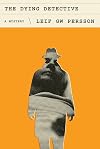
Oh my aching heart. The title is the tell, though this reader maintained ridiculous hope throughout, just to avoid the absence of Lars Martin Johansson from the world. I have semi-believed through all the Persson books I've read that Lars is a real man. The dual threads of tragedy and humor are so wrapped together that it's tough to figure out who's more sympathetic, the nine year old girl who is raped and murdered, or the 67 year old detective who knows that this cold case will be both his show more salvation and his ending. His unspoken thoughts about everything are truly a hardly secondary character. This series had eight books but you can begin anywhere. Just start. One of the top 5 mystery series ever. show less

Lars Martin Johansson is a sixty-seven year old former Swedish police officer who held important supervisory positions, including head of the National Crime Unit, before he retired. Unfortunately, his poor health habits have caught up with him. One day, he collapses and is rushed to the hospital. After he regains consciousness, he undergoes a battery of tests. The news is not good. His doctors warn Johansson that he must lower his blood pressure, lose a considerable amount of weight, keep show more his cholesterol in check, avoid stress, drink alcoholic beverages sparingly, and engage in an exercise program. He is less than thrilled with this unwelcome advice.
"The Dying Detective," by Leif GW Persson, adeptly translated by Neil Smith, is a top-notch work of psychological suspense. The author vividly depicts his intriguing cast of characters; his prose is imaginative, evocative, and enriched by whimsical dialogue and biting wit. Readers who can tolerate the novel's leisurely pace will be drawn into Johansson's unsettled world. We observe Lars as a bewildered, exhausted, and frustrated patient in the Karolinska Hospital. Later, he recuperates at home, but chafes under the restrictions that his physicians have imposed on him. However, when someone presents Lars with an unsolved murder—an unidentified perpetrator assaulted and smothered nine-year-old Yasmine Ermegan in July of 1985—he becomes obsessed with identifying the girl's killer.
Twenty-five years have passed since Yasmine's death, and law enforcement officials have made no progress in solving the crime. With the help of a large and accommodating support system, Johansson looks at the files related to the case and conducts interviews with anyone who has relevant information to share. Ignoring the fact that he is supposed to be convalescing, Lars relentlessly pursues every lead and uncovers fresh evidence that, he hopes, will lead to a breakthrough.
Johansson is a mess. Because of his illness, he says whatever pops into his head, no matter how inappropriate. He shouts at his beloved wife and utters profanities. He suffers from frequent headaches, tightness in his chest, and extreme mood swings. Nevertheless, he persists in his quest with the help of his best friend, Bo Jarnebring, and others. Finally, with a bit of luck and a great deal of insight, he cuts through layers of deceit that have obscured the truth for decades. Persson concludes his tale with a stunning finale that leaves us wondering: "Was justice served?" show less
"The Dying Detective," by Leif GW Persson, adeptly translated by Neil Smith, is a top-notch work of psychological suspense. The author vividly depicts his intriguing cast of characters; his prose is imaginative, evocative, and enriched by whimsical dialogue and biting wit. Readers who can tolerate the novel's leisurely pace will be drawn into Johansson's unsettled world. We observe Lars as a bewildered, exhausted, and frustrated patient in the Karolinska Hospital. Later, he recuperates at home, but chafes under the restrictions that his physicians have imposed on him. However, when someone presents Lars with an unsolved murder—an unidentified perpetrator assaulted and smothered nine-year-old Yasmine Ermegan in July of 1985—he becomes obsessed with identifying the girl's killer.
Twenty-five years have passed since Yasmine's death, and law enforcement officials have made no progress in solving the crime. With the help of a large and accommodating support system, Johansson looks at the files related to the case and conducts interviews with anyone who has relevant information to share. Ignoring the fact that he is supposed to be convalescing, Lars relentlessly pursues every lead and uncovers fresh evidence that, he hopes, will lead to a breakthrough.
Johansson is a mess. Because of his illness, he says whatever pops into his head, no matter how inappropriate. He shouts at his beloved wife and utters profanities. He suffers from frequent headaches, tightness in his chest, and extreme mood swings. Nevertheless, he persists in his quest with the help of his best friend, Bo Jarnebring, and others. Finally, with a bit of luck and a great deal of insight, he cuts through layers of deceit that have obscured the truth for decades. Persson concludes his tale with a stunning finale that leaves us wondering: "Was justice served?" show less
Detective Superintendent Evert Bäckström is arrogant and profane; greedy and corrupt; and a glutton who is also something of a functioning alcoholic. Not to mention that he is a male chauvinist who has contempt for persons of color and those born in Finland. On the other hand, Bäckström is a savvy and resourceful detective whose cynicism and talent for deceit give him a window into the personalities of like-minded reprobates. In "The Sword of Justice," translated from the Swedish by Neil show more Smith, Leif G. W. Persson showcases Bäckström's selfishness, unscrupulousness, and disregard for others people's rights and feelings. This antihero is even cruel to his pet parrot, Izak, whom he would love to strangle.
The humor is tasteless and mean-spirited, and the insanely convoluted plot involves art fraud, theft, vengeance, a mob figure, assorted thugs, politicians, and member of the royal family. Bäckström delegates a host of tasks to his subordinates, but does little work himself. He takes long breaks and leisurely lunches, and enjoys occasional erotic interludes that are completely devoid of affection. This time around, Bäckström is in charge of looking into the apparent murder of a dodgy attorney who died under mysterious circumstances. The cops interview witnesses, ask for tips from the public, and scrutinize the victim's activities, financial affairs, and numerous associates.
At over seven hundred pages, this novel is a tough slog. The author bombards us with forensic minutiae, games of cat and mouse, endless twists and turns, and most upsetting of all, Bäckström's rude remarks and underhanded shenanigans. The story's entertainment value stems from its politically incorrect witticisms and the history lesson it provides about a priceless artifact that Fabergé fashioned for Tsar Nicholas II. "The Sword of Justice" is a jaded look at individuals with no moral compass who brutally inflict harm on others in order to further their own interests. This unusual work of fiction is a colorful and critical look at Sweden's criminal justice system, but it is too meandering and unpleasant to be every reader's cup of tea. show less
The humor is tasteless and mean-spirited, and the insanely convoluted plot involves art fraud, theft, vengeance, a mob figure, assorted thugs, politicians, and member of the royal family. Bäckström delegates a host of tasks to his subordinates, but does little work himself. He takes long breaks and leisurely lunches, and enjoys occasional erotic interludes that are completely devoid of affection. This time around, Bäckström is in charge of looking into the apparent murder of a dodgy attorney who died under mysterious circumstances. The cops interview witnesses, ask for tips from the public, and scrutinize the victim's activities, financial affairs, and numerous associates.
At over seven hundred pages, this novel is a tough slog. The author bombards us with forensic minutiae, games of cat and mouse, endless twists and turns, and most upsetting of all, Bäckström's rude remarks and underhanded shenanigans. The story's entertainment value stems from its politically incorrect witticisms and the history lesson it provides about a priceless artifact that Fabergé fashioned for Tsar Nicholas II. "The Sword of Justice" is a jaded look at individuals with no moral compass who brutally inflict harm on others in order to further their own interests. This unusual work of fiction is a colorful and critical look at Sweden's criminal justice system, but it is too meandering and unpleasant to be every reader's cup of tea. show less
Backstrom gets assigned the innocuous case of a little old lady accused of not caring for her pet rabbit. In his usual manner, he disposes of it as quickly as he can, but is frustrated by an animal rights activist in his team. Matters quickly develop, however, when a renowned criminal lawyer is found dead in his home. While the police are relieved to be rid of the deceased, Backstrom is still required to at least make a pretence of caring how he died. A tip-off from a wealthy mate soon leads show more Backstrom to a find that gets him very interested in this case and very anxious to ensure that it turns out well - for him.
Backstrom being Backstrom, and the constant discussion of his "super-salami" one can only quail at what he might think that the "sword of justice" is. He continues with his abominable misogyny and racism, but we start to see a bit of push-back from his colleagues, especially from his "right hand man", his lesbian second-in-command.
As with all these novels, this character is an acquired taste and probably best avoided by the easily offended. I did get the impression that Persson was toning him down a little, even make him (gasp) a bit likeable. I hope he does not make the mistake that was made in the US TV series, of trying to turn him into a loveable messed-up hero instead of the cop everybody loves to hate. show less
Backstrom being Backstrom, and the constant discussion of his "super-salami" one can only quail at what he might think that the "sword of justice" is. He continues with his abominable misogyny and racism, but we start to see a bit of push-back from his colleagues, especially from his "right hand man", his lesbian second-in-command.
As with all these novels, this character is an acquired taste and probably best avoided by the easily offended. I did get the impression that Persson was toning him down a little, even make him (gasp) a bit likeable. I hope he does not make the mistake that was made in the US TV series, of trying to turn him into a loveable messed-up hero instead of the cop everybody loves to hate. show less
Lists
Allie's Wishlist (1)
Awards


You May Also Like


Associated Authors
Statistics
- Works
- 24
- Also by
- 1
- Members
- 3,169
- Popularity
- #8,057
- Rating
- 3.6
- Reviews
- 141
- ISBNs
- 421
- Languages
- 16
- Favorited
- 10
