
Jan Guillou
Author of The Road to Jerusalem
About the Author
Image credit: Wikimedia Commons
Series
Works by Jan Guillou
Ondskan 6 copies
Le siècle des grandes aventures : Les ingénieurs du bout du monde ; Les dandys de Manningham ; Entre rouge et noir (2017) 4 copies
Coq rouge I 1 copy
Răul 1 copy
Bracia z Vestland,Dandys,Pomiędzy czerwienią a czernią,Uciec przed prawdą, Niebieska gwiazda,Prawdziwe amerykańskie dźinsy,1968-Rok buntu (2014) 1 copy, 1 review
Kizil Tetik 1 copy
Associated Works
Tagged
Common Knowledge
- Canonical name
- Guillou, Jan
- Legal name
- Guillou, Jan Oscar Sverre Lucien Henri
- Birthdate
- 1944-01-17
- Gender
- male
- Education
- Vasa Real, Stockholm, Sweden
Solbacka, Sweden
Viggbyholmsskolan, Viggbyholm, Sweden - Occupations
- journalist
novelist - Short biography
- Swedish-born journalist Jan Guillou is the creator of the two most successful Swedish works of fiction of all time: the Hamilton series and the Crusades Trilogy, including The Road to Jerusalem and The Templar Knight. His books have been translated into more than twenty languages. He lives in Stockholm.
- Nationality
- France (dual citizenship)
Sweden (dual citizenship) - Birthplace
- Södertälje, Sweden
- Places of residence
- Södertälje, Sweden
Stockholm, Sweden
Flybo, Sweden - Map Location
- Sweden
Members
Reviews
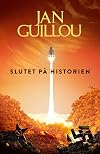
En Guillou-bok är inte längre något man läser av nyfikenhet och bedömmer för dess literära meriter - man läser därför att man måste, på samma sätt som man sover och äter för att man måste, och därför att den finns, så som nya Guillou-böcker har gjort det varje höst sedan 1975, ungefär. Och man bedömmer dem på gänkännandets trygga fröjd: den Guillouska universen är intakt, alla är där: Ponti, Hamilton, om än bara på ett hörn, och litterära kvaliteter blir en show more ointressant fråga.
Jag kan räkna på en hand de böcker jag inte har varit nöjd med. Det här är tyvärr en av dem.
Jan Guillou är alltid huvudperson i Guillou-böcker, oavsett vad huvudpersonen råkar heta den här gången. I Det stora århundradet har han kunnat skriva in sig själv i inte mindre än tre olika versioner. Det är charmigt och roligt, men i Slutet på historien blir det mest bara tjatigt, därför att den Guillou som uppträder där, är odrägligt självupptagen, självgod, bättrevetande, högfärdig på det där extra vidriga ödmjuka sättet som han iövrigt delar med sina norska landsmän (jag får säga så, eftersom jag är norsk själv). Det mesta av historien består av att han beskriver den fåniga utvecklingen landet kastas ut i genom de rättsfall Eric driver, vinner, ibland förlorar till allas stora förvåning, men oavsett har han rätt.
Och det är alltså Jan Guillou som har rätt, inte Eric. Det är Jan Guillous käpphästar, som man känner så väl igen, från intervjuer och föredrag, och de blir inte bättre av att läggas i Erics mun och presenteras som en roman.
Sen gör det inte saken bättre att boken är smått uselt skriven. Samma poänger används och återanvänds, både i presentationen inom en och samma fall inom en sida, och i stort, tx den lösning Eric har på det stora problem hans mor presenterar under det avslutande möte i Lauritzens familjeråd. Samma lösning som presenterades, för läsare såväl som för familjen, första gång saken drogs upp, ett par hunda sidor innan.
Det är tråkigt att avsluta serien på det här sättet. Den har innehållit några lysande ögonblick, inte minst med Eric Letang som huvudperson, men Slutet på historien är alltså inte ett av dem. show less
Jag kan räkna på en hand de böcker jag inte har varit nöjd med. Det här är tyvärr en av dem.
Jan Guillou är alltid huvudperson i Guillou-böcker, oavsett vad huvudpersonen råkar heta den här gången. I Det stora århundradet har han kunnat skriva in sig själv i inte mindre än tre olika versioner. Det är charmigt och roligt, men i Slutet på historien blir det mest bara tjatigt, därför att den Guillou som uppträder där, är odrägligt självupptagen, självgod, bättrevetande, högfärdig på det där extra vidriga ödmjuka sättet som han iövrigt delar med sina norska landsmän (jag får säga så, eftersom jag är norsk själv). Det mesta av historien består av att han beskriver den fåniga utvecklingen landet kastas ut i genom de rättsfall Eric driver, vinner, ibland förlorar till allas stora förvåning, men oavsett har han rätt.
Och det är alltså Jan Guillou som har rätt, inte Eric. Det är Jan Guillous käpphästar, som man känner så väl igen, från intervjuer och föredrag, och de blir inte bättre av att läggas i Erics mun och presenteras som en roman.
Sen gör det inte saken bättre att boken är smått uselt skriven. Samma poänger används och återanvänds, både i presentationen inom en och samma fall inom en sida, och i stort, tx den lösning Eric har på det stora problem hans mor presenterar under det avslutande möte i Lauritzens familjeråd. Samma lösning som presenterades, för läsare såväl som för familjen, första gång saken drogs upp, ett par hunda sidor innan.
Det är tråkigt att avsluta serien på det här sättet. Den har innehållit några lysande ögonblick, inte minst med Eric Letang som huvudperson, men Slutet på historien är alltså inte ett av dem. show less
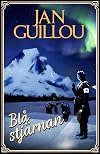
This book might be the most interesting of the books in Guillou's series about the 20th century. Suddenly the whole series took a detour, following Johanna Lauritzen through the second world war. This is a time that was already covered in the previous novel but instead of continuing post-war, the author took the chance to show how the same events can look different from different angles.
Blå Stjärnan is also a book where most of the proponents are female which is not usual at all in show more Guillou's books. I will not really rate how well he handles it, but he clearly throws a lot of dirt on men taking the credit for joint (at best) accomplishments. Something that keeps happening through the history.
Actually, I would have suspected that a female in Johanna Lauritzen's position would have had it even harder. She has supportive (male) and fair people around her.
The story you ask? Johanna is involved with both the Norwegian resistance and the British SOE and other spying organizations. We're back at an Hamilton type book and Jan Guillou knows how to write those. show less
Blå Stjärnan is also a book where most of the proponents are female which is not usual at all in show more Guillou's books. I will not really rate how well he handles it, but he clearly throws a lot of dirt on men taking the credit for joint (at best) accomplishments. Something that keeps happening through the history.
Actually, I would have suspected that a female in Johanna Lauritzen's position would have had it even harder. She has supportive (male) and fair people around her.
The story you ask? Johanna is involved with both the Norwegian resistance and the British SOE and other spying organizations. We're back at an Hamilton type book and Jan Guillou knows how to write those. show less
The further you get in this book, the more descriptive its title becomes. This instalment is focused on the eldest brother Lauritz and his experience of the second world war as a Norwegian educated and culturally focused on Germany living the life of well-off professional middle classes in Sweden. All of that comes with a large degree of inability and to some extent unwillingness to see Germany as the enemy during the war, to believe that that there's anything in the occasional rumour of show more atrocities committed by German people or face the facts of Germany's access to resources (from manpower to factory output of fighter planes or tanks to fuel) and what that will eventually mean for the outcome. Alongside this, there's family life with losses and moments of happiness.
I enjoyed this book like I've enjoyed the earlier parts of the series, and especially after reading the author's afterword, felt I could see the point that was being made. That said, I'm looking forward to reading the final instalment of the series which apparently takes the same years from Lauritz's daughters' point of view. show less
I enjoyed this book like I've enjoyed the earlier parts of the series, and especially after reading the author's afterword, felt I could see the point that was being made. That said, I'm looking forward to reading the final instalment of the series which apparently takes the same years from Lauritz's daughters' point of view. show less
This is the fourth, and the best, of Jan Guillou's books about the 20th century. This book returns to the main character of the first book, Lauritz and his life as an engineer and patriarch in upper class Sweden around the Second World War.
I have been trying to figure out how come this book suddenly improved on the quality of the series and I have a few theories. First, we're coming to times from which Jan Guillou might have had personal experiences. This was the time when his parent's were show more young. There is also a war theme, and from other books, it's easy to see how Guillou likes the simpleness of armed conflict. There is no compromise in a bullet. The Nazi and fascist time in Europe also brings forward strong emotions, this long after the end, and that might help composing a good narrative. Finally, Lauritz in this book is not too far off the author's own age. I think that has helped Jan Guillou a lot in the character narrative. I can imagine many of the thoughts or conversations being in Guillou's voice.
So what will come now? Post war? I don't know if the main story will move to a new generation. Maybe. It's about time. There are some interesting persons coming through here. I would have loved to know more about Rosa during the war for instance. show less
I have been trying to figure out how come this book suddenly improved on the quality of the series and I have a few theories. First, we're coming to times from which Jan Guillou might have had personal experiences. This was the time when his parent's were show more young. There is also a war theme, and from other books, it's easy to see how Guillou likes the simpleness of armed conflict. There is no compromise in a bullet. The Nazi and fascist time in Europe also brings forward strong emotions, this long after the end, and that might help composing a good narrative. Finally, Lauritz in this book is not too far off the author's own age. I think that has helped Jan Guillou a lot in the character narrative. I can imagine many of the thoughts or conversations being in Guillou's voice.
So what will come now? Post war? I don't know if the main story will move to a new generation. Maybe. It's about time. There are some interesting persons coming through here. I would have loved to know more about Rosa during the war for instance. show less
Lists
Awards


You May Also Like


Associated Authors
Statistics
- Works
- 74
- Also by
- 4
- Members
- 9,969
- Popularity
- #2,386
- Rating
- 3.8
- Reviews
- 129
- ISBNs
- 1,076
- Languages
- 24
- Favorited
- 15