
Al Feldstein (1925–2014)
Author of The EC Archives: Tales from the Crypt Vol. 1
About the Author
Series
Works by Al Feldstein
The ridiculously expensive Mad : a collection of the worst from 17 years of Mad (1969) 16 copies, 1 review
Mad Magazine #114 4 copies
Mad Magazine #89 3 copies
Mad Magazine #197 3 copies
Mad Magazine #248 3 copies
Mad Magazine #179 2 copies
Weird Fantasy no. 1 2 copies
Mad Magazine #250 2 copies
Mad Magazine #71 2 copies
Mad Magazine #78 2 copies
Mad Magazine #224 2 copies
Mad Magazine #219 2 copies
Mad Magazine #132 2 copies
Mad Magazine #82 2 copies
Mad Magazine #103 2 copies
Mad Magazine #161 2 copies
Mad Magazine #167 2 copies
Mad Magazine #193 2 copies
Mad Magazine #238 2 copies
Mad Magazine #166 2 copies
Mad Magazine #147 2 copies
Mad Magazine #67 1 copy
Mad Magazine #60 1 copy
Mad Magazine #61 1 copy
Mad Magazine #65 1 copy
Mad Magazine #72 1 copy
Mad Magazine #68 1 copy
Mad Magazine #73 1 copy
Mad Magazine #75 1 copy
Mad Magazine #76 1 copy
Mad Magazine #77 1 copy
Mad Magazine #54 1 copy
Mad Magazine #79 1 copy
Tomorrow Midnight 1 copy
The Vault of Horror 24 1 copy
Mad Magazine #217 1 copy
Mad Magazine #27 1 copy
Mad Magazine #204 1 copy
Mad Magazine #211 1 copy
Mad Magazine #213 1 copy
Mad Magazine #214 1 copy
Mad Magazine #216 1 copy
Mad Magazine #220 1 copy
Mad Magazine #29 1 copy
Mad Magazine #229 1 copy
Mad Magazine #233 1 copy
Mad Magazine #245 1 copy
Mad Magazine #251 1 copy
The Vault Of Horror No. 5 October 1993 (Legendary 1950's EC Comics!, Vol. 1) (1993) — Editor — 1 copy
Mad Magazine #28 1 copy
Mad Magazine #30 1 copy
Mad Magazine #136 1 copy
Mad Magazine #91 1 copy
Mad Magazine #95 1 copy
Mad Magazine #100 1 copy
Mad Magazine #102 1 copy
Mad Magazine #81 1 copy
Mad Magazine #111 1 copy
Mad Magazine #113 1 copy
Mad Magazine #48 1 copy
Mad Magazine #47 1 copy
Mad Magazine #138 1 copy
Mad Magazine #31 1 copy
Mad Magazine #39 1 copy
Mad Magazine #38 1 copy
Mad Magazine #37 1 copy
Mad Magazine #36 1 copy
Mad Magazine #35 1 copy
Mad Magazine #34 1 copy
Mad Magazine #33 1 copy
Mad Magazine #32 1 copy
Mad Magazine #162 1 copy
Mad color classics 1 copy
Weird Science, Vol. 4 1 copy
Mad: Horses Around No 4 1 copy
Mad: The Eggs Rated No1 1 copy
Mad Comic Magazine No. 217 1 copy
Mad Magazine #88 1 copy
Associated Works
Marvel Masterworks, Volume 123: Atlas Era Black Knight/Yellow Claw Volume 1 [Black Knight #1-5 + The Yellow Claw #1-4] (2009) — Author, some editions — 23 copies
Comics About Cartoonists: Stories About the World's Oddest Profession (2013) — Contributor — 18 copies
The ninth annual edition of the worst from Mad : a collection of humor, satire and garbage from past issues — Editor — 1 copy
A Moon, a Girl…Romance #9 — Contributor — 1 copy
Tagged
Common Knowledge
- Legal name
- Feldstein, Albert B.
- Other names
- Feldstein, Al
- Birthdate
- 1925-10-24
- Date of death
- 2014-04-29
- Gender
- male
- Occupations
- painter
editor - Organizations
- EC Comics
MAD Magazine - Nationality
- USA
- Birthplace
- Brooklyn, New York, USA
- Place of death
- Paradise Valley, Montana, USA
- Burial location
- cremated
- Associated Place (for map)
- USA
Members
Reviews
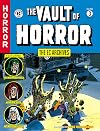
This is my first plunge into one of the wellsprings of modern horror, the EC Comics that so shocked the 1950s that Dr. Fredric Wertham and Senator Estes Kefauver led a crusade to drive them out of business, lest they poison the minds of American youth. Their efforts were successful only in the short run. Publisher Bill Gaines shifted to MAD magazine, which would have great fun making fun of the prudes and politicians who drove the mags out of business. Meanwhile, the already corrupted show more readers grew up to regurgitate the filth they had seen into the fiction, movies, and TV series that horror fans after the 50s loved, including me.
As for the comics themselves, I liked them much better than the other vintage horror comics I’ve read. Their superiority is in the writing. The plots are standard revenge thrillers but they are placed in unusual locations and/or feature people that everyday people despise and/or are filled with dark, ironic humor. I will of course regret enjoying them someday. show less
As for the comics themselves, I liked them much better than the other vintage horror comics I’ve read. Their superiority is in the writing. The plots are standard revenge thrillers but they are placed in unusual locations and/or feature people that everyday people despise and/or are filled with dark, ironic humor. I will of course regret enjoying them someday. show less
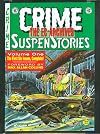
These are great comics! The first 6 issues of Crime SuspensStories, and it’s a shame the rest haven’t been published. This is Volume 1 of 1 volume.
I actually wonder if these stories aren’t better now than they were when they were first published in 1950-51. Reading them now, they are a breath of fresh air in comic book style — simple, unpretentious, expressive artwork and quirky stories written by authors who don’t take themselves too seriously.
I don’t mean to condemn more modern show more popular comics with their psychological themes, social significance, or their more sophisticated artwork. That’s all great, but it’s nice to see what comics were like in a less complicated pop world.
The originals were published at a time before television was common and when movies were black and white. They were the accessible visual media of their time, portable and inexpensive. You can imagine yourself back in those days, when comic books were a “rich” medium compared to others, and your chosen means of escape to another world.
These are not testaments to 50s innocence, though. And the 50s weren’t as innocent as much of its pop culture would make it look, so all the better.
The stories and the art are analogous to pre-code movies of the 20s and early 30s, not yet bound by the Comics Code. These are from the pre-mom-and-apple-pie days of comics, free to explore darker themes, shady behavior, and the parts of everyday life that your parents didn’t want you to know about. Reading these is almost like an act of revenge against the Comics Code’s dominance starting in the late 50s.
No need to over-intellectualize though. These are just plain fun to read. Taboo subject matter, twisty endings, a general feeling of anxiety.
It’s crime, but it’s not cops and robbers, or gangsters and G-men. Often it’s husband vs. wife, or wife vs. husband. It’s never a crime of sudden passion. There’s always a plan, and the plan is going to bite back hard, usually in just the last few frames of the story.
There is certainly social commentary implicit in the stories. Husbands and wives are at each others’ throats (although they typically use more clever means of killing each other). Wives are bored at home. Husbands complain that their wives "nag" them constantly. The standard domestic relationship of the 50s seems unstable, ready to explode. And then it does.
There’s a running theme of fate working against the bad guy like a force of nature. Something doubles back on him — just when he (or she) thinks he’s carried out the perfect murder, he finds out he’s his own victim (the victim dies, too, but . . . collateral damage). A twist of fate he couldn’t have foreseen reaches out and grabs him by the throat at the last second.
So you get the fun, and you get the moral of the story, but it’s not like the good guys win. It’s just that the bad guys lose. show less
I actually wonder if these stories aren’t better now than they were when they were first published in 1950-51. Reading them now, they are a breath of fresh air in comic book style — simple, unpretentious, expressive artwork and quirky stories written by authors who don’t take themselves too seriously.
I don’t mean to condemn more modern show more popular comics with their psychological themes, social significance, or their more sophisticated artwork. That’s all great, but it’s nice to see what comics were like in a less complicated pop world.
The originals were published at a time before television was common and when movies were black and white. They were the accessible visual media of their time, portable and inexpensive. You can imagine yourself back in those days, when comic books were a “rich” medium compared to others, and your chosen means of escape to another world.
These are not testaments to 50s innocence, though. And the 50s weren’t as innocent as much of its pop culture would make it look, so all the better.
The stories and the art are analogous to pre-code movies of the 20s and early 30s, not yet bound by the Comics Code. These are from the pre-mom-and-apple-pie days of comics, free to explore darker themes, shady behavior, and the parts of everyday life that your parents didn’t want you to know about. Reading these is almost like an act of revenge against the Comics Code’s dominance starting in the late 50s.
No need to over-intellectualize though. These are just plain fun to read. Taboo subject matter, twisty endings, a general feeling of anxiety.
It’s crime, but it’s not cops and robbers, or gangsters and G-men. Often it’s husband vs. wife, or wife vs. husband. It’s never a crime of sudden passion. There’s always a plan, and the plan is going to bite back hard, usually in just the last few frames of the story.
There is certainly social commentary implicit in the stories. Husbands and wives are at each others’ throats (although they typically use more clever means of killing each other). Wives are bored at home. Husbands complain that their wives "nag" them constantly. The standard domestic relationship of the 50s seems unstable, ready to explode. And then it does.
There’s a running theme of fate working against the bad guy like a force of nature. Something doubles back on him — just when he (or she) thinks he’s carried out the perfect murder, he finds out he’s his own victim (the victim dies, too, but . . . collateral damage). A twist of fate he couldn’t have foreseen reaches out and grabs him by the throat at the last second.
So you get the fun, and you get the moral of the story, but it’s not like the good guys win. It’s just that the bad guys lose. show less
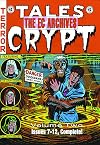
Tales from the Crypt reproduces six of the famous Crypt comic books of the 1950s created by William Gaines, the publisher of Mad magazine. At the time they were published they were considered shocking and entirely too grizzly and violent for children. It was widely believed that reading such comics lead directly to juvenile delinquency and mental degeneracy, and all horror comics were ultimately banned. (To learn about that genuinely terrifying tale of censorship and public panic, read the show more excellent The Ten Cent Plague by David Hajdu.)
Today Tales from the Crypt is plenty entertaining, but it’s hard to understand what all the fuss was about...until you consider that most comic books in the 1950s focused on cute anthropomorphized animals tales and “funny” stories. Reading these comics books when they originally appeared must have been like watching Freddie Kruger make an appearance in a Doris Day film. Worth reading both for the thrilling illustrations and narratives that now seem camp, but kept kids around the country up at night in their day. show less
Today Tales from the Crypt is plenty entertaining, but it’s hard to understand what all the fuss was about...until you consider that most comic books in the 1950s focused on cute anthropomorphized animals tales and “funny” stories. Reading these comics books when they originally appeared must have been like watching Freddie Kruger make an appearance in a Doris Day film. Worth reading both for the thrilling illustrations and narratives that now seem camp, but kept kids around the country up at night in their day. show less
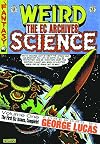
This is just fun. 1950s EC comic books depicting mad scientists, aliens, and crazed adventurers.
It conjures the time when readers and writers and artists had a real, almost innocent sense of wonder about the big, wide universe, science, and the future. On the whole, an optimistic outlook, but a strong promethean touch -- science can turn on you in a heartbeat.
The artwork is fun, typical of the era and that sense of wonder. No overdone action shots, no disorienting closeups -- everything show more serves the story.
And the stories are simple. Your powers of concentration won't be tested.
A good time. show less
It conjures the time when readers and writers and artists had a real, almost innocent sense of wonder about the big, wide universe, science, and the future. On the whole, an optimistic outlook, but a strong promethean touch -- science can turn on you in a heartbeat.
The artwork is fun, typical of the era and that sense of wonder. No overdone action shots, no disorienting closeups -- everything show more serves the story.
And the stories are simple. Your powers of concentration won't be tested.
A good time. show less
Lists
Awards

You May Also Like


Associated Authors
Statistics
- Works
- 475
- Also by
- 21
- Members
- 4,004
- Popularity
- #6,304
- Rating
- 4.0
- Reviews
- 27
- ISBNs
- 258
- Languages
- 4