
Virginia Schomp
Author of Ancient Mesopotamia: The Sumerians, Babylonians, and Assyrians
Series
Works by Virginia Schomp
The Slave Trade and the Middle Passage (Drama of African-American History) (2007) 11 copies, 1 review
Tagged
Common Knowledge
- Birthdate
- 1953
- Gender
- female
- Education
- Pennsylvania State University (BA)
- Occupations
- publishing
- Nationality
- USA
- Birthplace
- East Orange, New Jersey, USA
- Associated Place (for map)
- New Jersey, USA
Members
Reviews
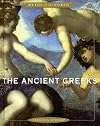
Demeter and Persephone, by Virginia Schomp, is another classical tale. Demeter is a goddess of fertility and the hearth, and Persephone is her daughter. Hades, god of the Underworld, falls in love with Persephone, and askes his brother, Zeus, if he may marry her. Zeus covers a meadow with flowers, and it beckons Persephone away from her mother. Suddenly, the earth opens up, and Hades grabs her. Demeter hears the cries of her daughter, and runs to her aid, but she is too late. She wanders day show more and night, looking for her lost daughter. Helios, god of the sun, tells her what has happened. She is broken hearted, and goes to live among mortals, disguised as an old beggar woman.
She is found by the daughters of good King Celeus and Queen Metaneria. The daughters bring her to the queen, who offers her the best chair and the best wine. She knows that it must be someone of import disguised. Demeter refuses, and takes only a stool and barley water.
Demeter stays in the palace and turns the young prince, Demophoon, into a god by burning off his mortal parts in the hearth. The queen finds out and rages at her, and Demeter, angered, demands that the people build her a temple. She stays in the temple, mourning her daughter. Now, none of the crops will grow, and the humans are starving. Zeus saw this, and tries to reason with Demeter, but she refuses. Zeus sends Hermes to tell Hades to let the girl go. Hades does so, but not without giving the girl a pomegranate. She cannot go back to the mortal world after she has eaten the food of the Underworld. Zeus fixes everything by having Persephone divide her time between the mortal world and the Underworld.
This is a Greek story that is meant to explain the seasons. Spring and summer are when Persephone is with Demeter, and winter and autumn are when she must again go back to her husband.
It is a great story, and must have helped the Greeks make sense of their world. I like Greek and Roman myths because they do seek to explain nature. However, some versions call it “The Rape of Persephone” which it was. This is not necessarily a good story for anyone, especially not a man in the market for a wife. Yet, it worked for the Greeks, as their gods were very like humans, full of human emotion and frailty. show less
She is found by the daughters of good King Celeus and Queen Metaneria. The daughters bring her to the queen, who offers her the best chair and the best wine. She knows that it must be someone of import disguised. Demeter refuses, and takes only a stool and barley water.
Demeter stays in the palace and turns the young prince, Demophoon, into a god by burning off his mortal parts in the hearth. The queen finds out and rages at her, and Demeter, angered, demands that the people build her a temple. She stays in the temple, mourning her daughter. Now, none of the crops will grow, and the humans are starving. Zeus saw this, and tries to reason with Demeter, but she refuses. Zeus sends Hermes to tell Hades to let the girl go. Hades does so, but not without giving the girl a pomegranate. She cannot go back to the mortal world after she has eaten the food of the Underworld. Zeus fixes everything by having Persephone divide her time between the mortal world and the Underworld.
This is a Greek story that is meant to explain the seasons. Spring and summer are when Persephone is with Demeter, and winter and autumn are when she must again go back to her husband.
It is a great story, and must have helped the Greeks make sense of their world. I like Greek and Roman myths because they do seek to explain nature. However, some versions call it “The Rape of Persephone” which it was. This is not necessarily a good story for anyone, especially not a man in the market for a wife. Yet, it worked for the Greeks, as their gods were very like humans, full of human emotion and frailty. show less

(read for Traditional Literature assignment) Contains a creation myth titled "Raven Brings the Daylight" which also serves as a hero/trickster myth, telling the story of Raven, using his trickery to bring the light back to a village from a greedy chief who keeps it all to himself. The light turns out to be that of the sun, moon, and stars. Lessons learned at the end are the benefit of helping others, and that it is bad to be greedy.
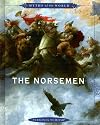
This book is about the Norsemen's (early Scandinavians') myths. The book starts out with the beginning of time. Then it tells the myths in order (when they happened). At the end Ragnarok happened (the end of the universe). All but two Gods died in Ragnarok, and the two that lived started up the universe again. One of the interesting things I noticed is that the Gods are not immortal, they can die. There was even one tale where Thor lost his hammer, Mjollnir (in English means crusher).
I show more liked this book pretty well. It was a little slow every once in a while, but it was still a good book. The main reason I like book was because it was Norse mythology, and same goes to my previous book,"Odd and the Frost Giants". The reason I didn't rate the book five stars, other than the book dragged on for a good long time, was because I found some of the myths to be a little boring. Now, most of the myths were pretty interesting, but some of them were just there to introduce a new character. I do recommend this book to anybody who is willing to read it. show less
I show more liked this book pretty well. It was a little slow every once in a while, but it was still a good book. The main reason I like book was because it was Norse mythology, and same goes to my previous book,"Odd and the Frost Giants". The reason I didn't rate the book five stars, other than the book dragged on for a good long time, was because I found some of the myths to be a little boring. Now, most of the myths were pretty interesting, but some of them were just there to introduce a new character. I do recommend this book to anybody who is willing to read it. show less
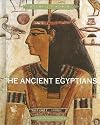
This book is interesting for anyone fascinated by Ancient Egypt. The selection I read for the myth assignment was "The Wrath of Ra". The story described how Ra punished the humans he looks after when they started to dismiss his importance based on his age. The story is a bit complicated for young children, but would be appropriate for 4th to 7th grade. There are few pictures, as this is more of an informative text describing the myths told by ancient Egyptians. This book goes along with a show more series that would be a good resource in a classroom to accompany lessons on world cultures. show less
Lists
Awards


You May Also Like


Associated Authors
Statistics
- Works
- 86
- Members
- 1,015
- Popularity
- #25,389
- Rating
- 3.8
- Reviews
- 12
- ISBNs
- 142
- Languages
- 2