
Raja Shehadeh
Author of Palestinian Walks: Forays into a Vanishing Landscape
About the Author
Raja Shehadeh is a Palestinian lawyer practicing in Ramallah since 1979 and is a barrister of Lincoln's Inn
Image credit: Courtesy of Allen and Unwin
Works by Raja Shehadeh
Where the Line Is Drawn: A Tale of Crossings, Friendships, and Fifty Years of Occupation in Israel-Palestine (2017) 48 copies
Language of War, Language of Peace: Palestine, Israel and the Search for Justice (2015) 29 copies, 1 review
Associated Works
Kingdom of Olives and Ash: Writers Confront the Occupation (2017) — Contributor — 166 copies, 5 reviews
Tagged
Common Knowledge
- Canonical name
- Shehadeh, Raja
- Birthdate
- 1951
- Gender
- male
- Occupations
- lawyer
writer - Organizations
- Al-Haq (founder)
- Nationality
- Jordan (birth, West Bank then part of Jordan)
Palestine - Birthplace
- Ramallah, West Bank, Palestine
- Associated Place (for map)
- West Bank, Palestine
Members
Reviews
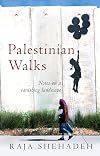
Raja Shehadeh is a Palestinian lawyer, who has spent much of his career challenging the reclamation of West Bank land for settlements. He is also a walker, who sees beauty in the hills where many others have only seen barren hostility - indeed, one of his aims is to make the land seem real and vivid, rather than a biblical wilderness or site of political struggle.
This beautifully written book is somewhere between a memoir and a collection of essays, framed as six walks in the hills around show more Ramallah. Lyrical descriptions of the landscape are combined with distress at its destruction (by settlements, growing Palestinian towns, vandalism and carelessness) and anger and despondency at the situation of the Palestinians. One of the many sad things in the book is the way that simply walking in the hills is treated with great suspicion - Shehadeh is shot at by both sides in the course of these walks.
Sample: The further down I went the deeper the silence became. As always the distance and quiet made me attentive to those troublesome thoughts that had been buried deep in my mind. As I walked, many of them were surfacing. I sifted through them. The mind only admits what it can handle and here on these hills the threshold was higher. show less
This beautifully written book is somewhere between a memoir and a collection of essays, framed as six walks in the hills around show more Ramallah. Lyrical descriptions of the landscape are combined with distress at its destruction (by settlements, growing Palestinian towns, vandalism and carelessness) and anger and despondency at the situation of the Palestinians. One of the many sad things in the book is the way that simply walking in the hills is treated with great suspicion - Shehadeh is shot at by both sides in the course of these walks.
Sample: The further down I went the deeper the silence became. As always the distance and quiet made me attentive to those troublesome thoughts that had been buried deep in my mind. As I walked, many of them were surfacing. I sifted through them. The mind only admits what it can handle and here on these hills the threshold was higher. show less
Raja Shehadeh’s powerful essay about the situation in Palestine/Gaza must make you worry about the state of the region, the world’s complicity, and hypocrisy. Why, you may ask, does the Western world have one standard for Israel and one for the rest of the world?
Raja was explicit when he wrote about the Israeli attitude towards the current apartheid regime: Israelis don’t know, and they don’t care. The Israeli government needs continued aggression to justify its existence. When the show more Europeans and Americans settled European Jews in Palestine, the Nakba ensued: a bloody beginning to the story of Israel.
Raja’s essay demonstrates how Israeli propaganda influences international and domestic audiences. While you get an excellent sense of why the Israelis do not wish to live in peace with the indigenous Palestinians, you don’t get a definitive answer: maybe this is impossible.
The continued focus on rewriting history must terrify every reader of this excellent essay, as should the Israeli government’s focus on dehumanizing its citizens. You will only regard others as less than human when you lose your soul.
You will sense the author’s pain in his restrained language when he speaks of Palestinians as people who, several decades ago, lived carefree lives full of laughter, now replaced by pain and suppressed anger.
He covered vast ground in this slim volume, which must be essential reading for anyone following the events unfolding in the region and anyone with a soul who values justice, decency, and genuine human values.
The poem he quotes at the end is powerful, “If I must die….”
The book is sad, informative, and bitter, with a message of hope. show less
Raja was explicit when he wrote about the Israeli attitude towards the current apartheid regime: Israelis don’t know, and they don’t care. The Israeli government needs continued aggression to justify its existence. When the show more Europeans and Americans settled European Jews in Palestine, the Nakba ensued: a bloody beginning to the story of Israel.
Raja’s essay demonstrates how Israeli propaganda influences international and domestic audiences. While you get an excellent sense of why the Israelis do not wish to live in peace with the indigenous Palestinians, you don’t get a definitive answer: maybe this is impossible.
The continued focus on rewriting history must terrify every reader of this excellent essay, as should the Israeli government’s focus on dehumanizing its citizens. You will only regard others as less than human when you lose your soul.
You will sense the author’s pain in his restrained language when he speaks of Palestinians as people who, several decades ago, lived carefree lives full of laughter, now replaced by pain and suppressed anger.
He covered vast ground in this slim volume, which must be essential reading for anyone following the events unfolding in the region and anyone with a soul who values justice, decency, and genuine human values.
The poem he quotes at the end is powerful, “If I must die….”
The book is sad, informative, and bitter, with a message of hope. show less
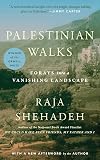
Mr. Shehadeh is a Palestinian attorney but more than that he is a walker. When he is frustrated by the outcome of his caseload he loves nothing more than traversing the land which surrounds his home in Ramallah. Every hill, every cave, each artifact he discovers holds a special place in his heart. He see's the landscape begin to transform with each of the six walks he describes in this book. Shehedah describes how roads are being cut into the hills he once walked with friends, solo or with show more his wife. Bulldozers eat away at caves and new homes are being built where Bedouin once tended their sheep. In what he considered his own land, he now walks in fear of being arrested, shot at or simply denied entrance. His final walk described in this book brings him face to face with a settler. There is no doubt, they each love the land, each wants it for their people, each want to enjoy it without fear yet each will do anything to hold on to what each believe is rightfully theirs. Yet, towards the conclusion of the book Shehadeh and a settler share an intimate moment along side a babbling brook enjoying the landscape.........together.
Maps and photos of his walks would have been a helpful addition to this book.
Edit | More show less
Maps and photos of his walks would have been a helpful addition to this book.
Edit | More show less
This book by a secular Palestinian lawyer and activist focuses on the changes that have taken place to the land in the West Bank, both legally and physically, since the start of the Israeli settlement project. It is loosely organized into a series of six walks, or sarhat, an Arabic term for a long, meditative walk in the wilderness. It is also a bitter elegy for what is now gone - a time when the hills of the West Bank were undeveloped and a Palestinian could walk freely without fear and show more constraint from Israeli settlements, roads, and "nature preserves" that Palestinians are not allowed to set foot on, guarded by armed soldiers and settlers, that continually expand and encircle Palestinian towns and villages, shrinking the space within which Palestinians can live.
The six sarhat in the book mix description of the walk itself and the surrounding land features, and the politics of land ownership and seizure.
Sarha 1: takes place in 1978, a walk to the qasr of Shehadeh's grandfather's cousin. A qasr was a small stone structure built for farmers to live in when they needed to be away from their home in a populated area to tend to their land. Shehadeh describes the hills as already being abandoned in some respects by Palestinians, as the land had declined in its ability to support farming. Such land no longer being used by Palestinian farmers formed a basis for the Israeli settlement project, as Israeli law said any land no longer being lived on by its Palestinian owner ceased to belong to him and reverted back to its original owners, the Jewish people, as represented by the State of Israel.
Sarha 2: A hike to an isolated, small village and its nearby hilltop. The hilltop has since been taken by Israel for a settlement. Shehadeh in this chapter discusses one of his first land cases, where he represented a Palestinian Christian whose land had been taken over for a settlement. Shehadeh says it was well documented in legal terms that his client owned the land, and he still thought he could legally fight the settlement project in Israeli courts through such cases. However the attitude of the court was essentially that the land was gone, and his client should take what monetary payout he could get. His legal efforts to resist were going to prove unfruitful.
Sarha 3: Set in the mid-1990s after the Oslo Agreement. Shehadeh describes a walk to the Dead Sea with a Fatah official allowed in to the West Bank under the deal, and describes his opposition to the Oslo Agreement as a surrender and a defeat. It did not challenge Israeli town planning, which drew circles around existing Palestinian population centers and did not allow them to expand. Meanwhile it claimed vast areas of land for future settlement expansion. The PLO displayed little understanding of the legal aspects of Israeli land policies and did not seem to care. He was frustrated by the blind optimism of his Fatah companion as they walked along the rugged, salty landscape towards the Dead Sea.
Sarha 4: A walk towards the oldest continually inhabited city in the world, Jericho, from near Jerusalem. The walk went along a lush green valley that contains lots of water, making it the favored pathway for centuries of pilgrims and conquerors making their way to Jerusalem. One of Shehadeh's companions on this walk is an archeologist, who notes the absence of the Bedouin tribes that until recently roamed these areas, but who had now been chased away by the Israelis. Shehadeh stops at the Monastery of St. George, built into the rocks in the 5th century and still an active monastery.
Sarha 5: A walk on a constrained path in the hills near Ramallah with his friend Mustafa Barghouti, a well known Palestinian doctor and politician. They share an analysis of Oslo that it is a failure, and Barghouti describes the immense pressure he is under to join the Palestinian government and drop his criticism. As they walk they see and hear almost everywhere around them new Israeli construction of buildings and roads. Shehadeh says he has accepted that the Palestinians have been defeated, and that the land has been and will continue to be overwhelmingly transformed, and his efforts have been in vain.
Sarha 6: A solitary walk near an Israeli settlement results in an encounter with a young Israeli along a creek. The Israeli is unexpectedly friendly, but Shehadeh cannot hold back his bitterness over the settlements as they talk, and complains that the Israeli has internalized and parrots back the official dogma he has learned about the rights of the Jews to the land of the West Bank, and the lack of rights the Palestinians should have. Shehadeh recognizes their mutual love of the land, about the only time in the book the Israeli point of view has any sort of sympathetic hearing. show less
The six sarhat in the book mix description of the walk itself and the surrounding land features, and the politics of land ownership and seizure.
Sarha 1: takes place in 1978, a walk to the qasr of Shehadeh's grandfather's cousin. A qasr was a small stone structure built for farmers to live in when they needed to be away from their home in a populated area to tend to their land. Shehadeh describes the hills as already being abandoned in some respects by Palestinians, as the land had declined in its ability to support farming. Such land no longer being used by Palestinian farmers formed a basis for the Israeli settlement project, as Israeli law said any land no longer being lived on by its Palestinian owner ceased to belong to him and reverted back to its original owners, the Jewish people, as represented by the State of Israel.
Sarha 2: A hike to an isolated, small village and its nearby hilltop. The hilltop has since been taken by Israel for a settlement. Shehadeh in this chapter discusses one of his first land cases, where he represented a Palestinian Christian whose land had been taken over for a settlement. Shehadeh says it was well documented in legal terms that his client owned the land, and he still thought he could legally fight the settlement project in Israeli courts through such cases. However the attitude of the court was essentially that the land was gone, and his client should take what monetary payout he could get. His legal efforts to resist were going to prove unfruitful.
Sarha 3: Set in the mid-1990s after the Oslo Agreement. Shehadeh describes a walk to the Dead Sea with a Fatah official allowed in to the West Bank under the deal, and describes his opposition to the Oslo Agreement as a surrender and a defeat. It did not challenge Israeli town planning, which drew circles around existing Palestinian population centers and did not allow them to expand. Meanwhile it claimed vast areas of land for future settlement expansion. The PLO displayed little understanding of the legal aspects of Israeli land policies and did not seem to care. He was frustrated by the blind optimism of his Fatah companion as they walked along the rugged, salty landscape towards the Dead Sea.
Sarha 4: A walk towards the oldest continually inhabited city in the world, Jericho, from near Jerusalem. The walk went along a lush green valley that contains lots of water, making it the favored pathway for centuries of pilgrims and conquerors making their way to Jerusalem. One of Shehadeh's companions on this walk is an archeologist, who notes the absence of the Bedouin tribes that until recently roamed these areas, but who had now been chased away by the Israelis. Shehadeh stops at the Monastery of St. George, built into the rocks in the 5th century and still an active monastery.
Sarha 5: A walk on a constrained path in the hills near Ramallah with his friend Mustafa Barghouti, a well known Palestinian doctor and politician. They share an analysis of Oslo that it is a failure, and Barghouti describes the immense pressure he is under to join the Palestinian government and drop his criticism. As they walk they see and hear almost everywhere around them new Israeli construction of buildings and roads. Shehadeh says he has accepted that the Palestinians have been defeated, and that the land has been and will continue to be overwhelmingly transformed, and his efforts have been in vain.
Sarha 6: A solitary walk near an Israeli settlement results in an encounter with a young Israeli along a creek. The Israeli is unexpectedly friendly, but Shehadeh cannot hold back his bitterness over the settlements as they talk, and complains that the Israeli has internalized and parrots back the official dogma he has learned about the rights of the Jews to the land of the West Bank, and the lack of rights the Palestinians should have. Shehadeh recognizes their mutual love of the land, about the only time in the book the Israeli point of view has any sort of sympathetic hearing. show less
Lists
Awards


You May Also Like


Associated Authors
Statistics
- Works
- 29
- Also by
- 3
- Members
- 1,110
- Popularity
- #23,140
- Rating
- 3.9
- Reviews
- 27
- ISBNs
- 122
- Languages
- 9
- Favorited
- 3