
Graham Freudenberg (1934–2019)
Author of A certain grandeur : Gough Whitlam in politics
About the Author
Works by Graham Freudenberg
Associated Works
Tagged
Common Knowledge
- Legal name
- Freudenberg, Norman Graham
- Birthdate
- 1934-05-12
- Date of death
- 2019-07-26
- Gender
- male
- Education
- Church of England Grammar School (Brisbane)
Coorparoo Primary School - Occupations
- speechwriter
press secretary
journalist - Organizations
- Australian Labor Party
- Nationality
- Australia
- Birthplace
- Brisbane, Queensland, Australia
- Places of residence
- Sydney, New South Wales, Australia
Mildura, Victoria, Australia
Melbourne, Victoria, Australia - Place of death
- Brisbane, Queensland, Australia
- Associated Place (for map)
- Australia
Members
Reviews
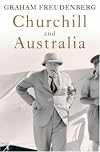
Political and military history is not my usual bag, but this was a gift so I gave it a go. It told me more than I ever knew, and possibly wanted to know, about this important relationship. Freudenberg knows his onions and is obviously a fine writer, but I kept finding myself reacting against his distinctly Australian viewpoint.
The first key point is Gallipoli, of which Churchill was the architect, and which was a famous disaster. It’s role in the psyche of Australia only really came much show more later, and many modern Aussies would be surprised to know that ANZACs comprised only about 20% of the allied casualties of the campaign. A mighty military failure, but to characterise it as an Antipodean tragedy devalues the sacrifices of the British, French and Indian troops who suffered equally.
The second key point is Churchill’s “Beat Hitler First” strategy in World War 2, and the consequent failure to hold Singapore or set up adequate defences for Australia against the Japanese. Churchill certainly deceived Australia’s leaders over the importance he placed on their security in the great scheme of things, but the Indians were treated far worse, and...well, he was proved right, wasn’t he?
These gripes suggest that Freudenberg is less admiring of Churchill than he actually is. Despite my issues with some of the views expressed here, I found it an interesting primer on all sorts of history which one ought to be aware of but I hadn’t known about hitherto. show less
The first key point is Gallipoli, of which Churchill was the architect, and which was a famous disaster. It’s role in the psyche of Australia only really came much show more later, and many modern Aussies would be surprised to know that ANZACs comprised only about 20% of the allied casualties of the campaign. A mighty military failure, but to characterise it as an Antipodean tragedy devalues the sacrifices of the British, French and Indian troops who suffered equally.
The second key point is Churchill’s “Beat Hitler First” strategy in World War 2, and the consequent failure to hold Singapore or set up adequate defences for Australia against the Japanese. Churchill certainly deceived Australia’s leaders over the importance he placed on their security in the great scheme of things, but the Indians were treated far worse, and...well, he was proved right, wasn’t he?
These gripes suggest that Freudenberg is less admiring of Churchill than he actually is. Despite my issues with some of the views expressed here, I found it an interesting primer on all sorts of history which one ought to be aware of but I hadn’t known about hitherto. show less

Like his speeches, the book begins with an earthquake and builds to a climax
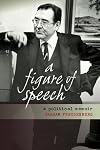
Eyewitness account of a dramatic period in Australian politics, written with all the aplomb of a great speechwriter. P.S. apparently I bought the book in 2005 and recently rediscovered it, yet to be read.
Awards


You May Also Like
Associated Authors
Statistics
- Works
- 5
- Also by
- 2
- Members
- 151
- Popularity
- #137,934
- Rating
- 4.2
- Reviews
- 3
- ISBNs
- 13